
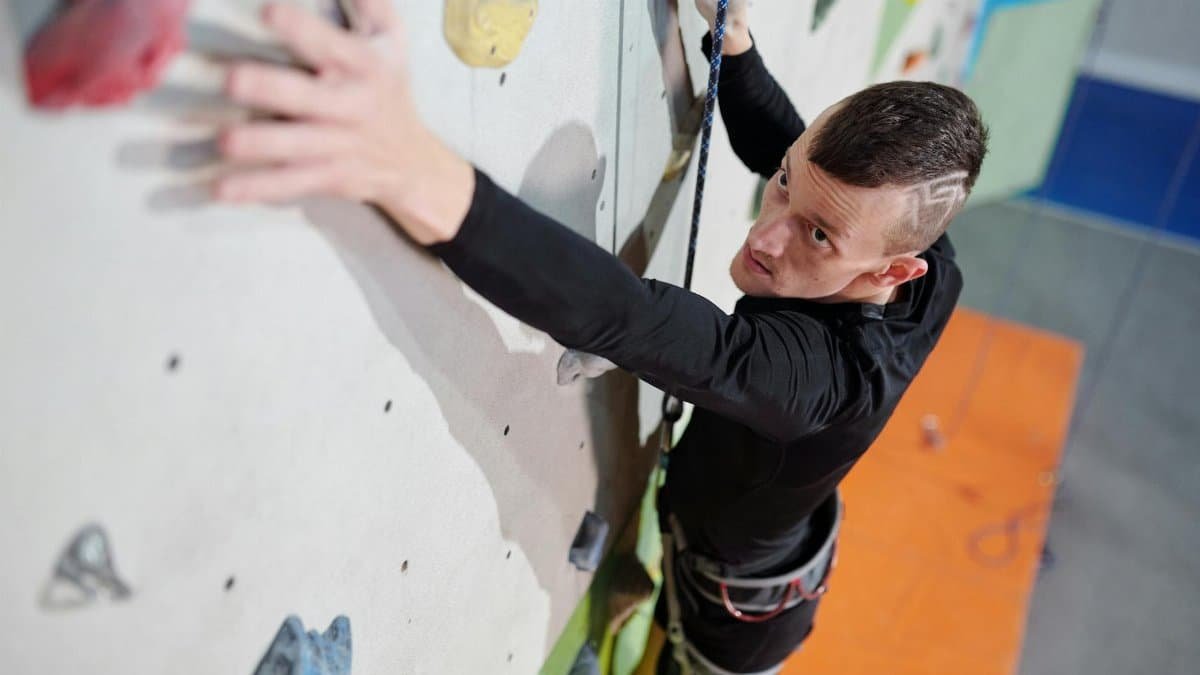
When the airlock doors part after a long mission the world suddenly regains its pull. Feet meet the ground with unexpected force. Hands fumble with objects that now possess weight and resistance. For those who have lived without gravity even the simplest motions require renewed attention. A new study reveals that our brains do not completely adjust to life without it. The research focuses on how Astronauts Microgravity shapes neural pathways tied to grip strength and motor skills. What emerges is a portrait of human physiology that adapts but never fully releases its earthly blueprint. This insight arrives as space agencies prepare for extended voyages that will test these limits in unprecedented ways. The findings invite readers to consider how deeply our bodies and minds remain connected to this planet even as we reach beyond it.
The Study That Challenges Previous Assumptions

Researchers compiled extensive data from astronauts across multiple expeditions to the International Space Station. Using precise sensors and brain imaging they measured performance in tasks requiring controlled grip force and coordinated movement. The results published in peer reviewed journals show that adaptation remains incomplete. Many neural responses calibrated for life on Earth persist long after return. According to reporting from Scientific American the study upends earlier optimism about rapid readaptation. Readers can explore the full details here: https://www.scientificamerican.com/article/astronauts-brains-dont-fully-adapt-to-life-in-microgravity/. The work suggests that some brain functions retain a stubborn memory of gravity even after months in orbit.
This has practical consequences for both current operations and future missions. Tasks that appear straightforward in training simulations often prove more complex in reality. The study authors emphasize the need for updated protocols that account for these lingering effects rather than assuming full recovery within weeks.
Exploring Changes in Grip Strength
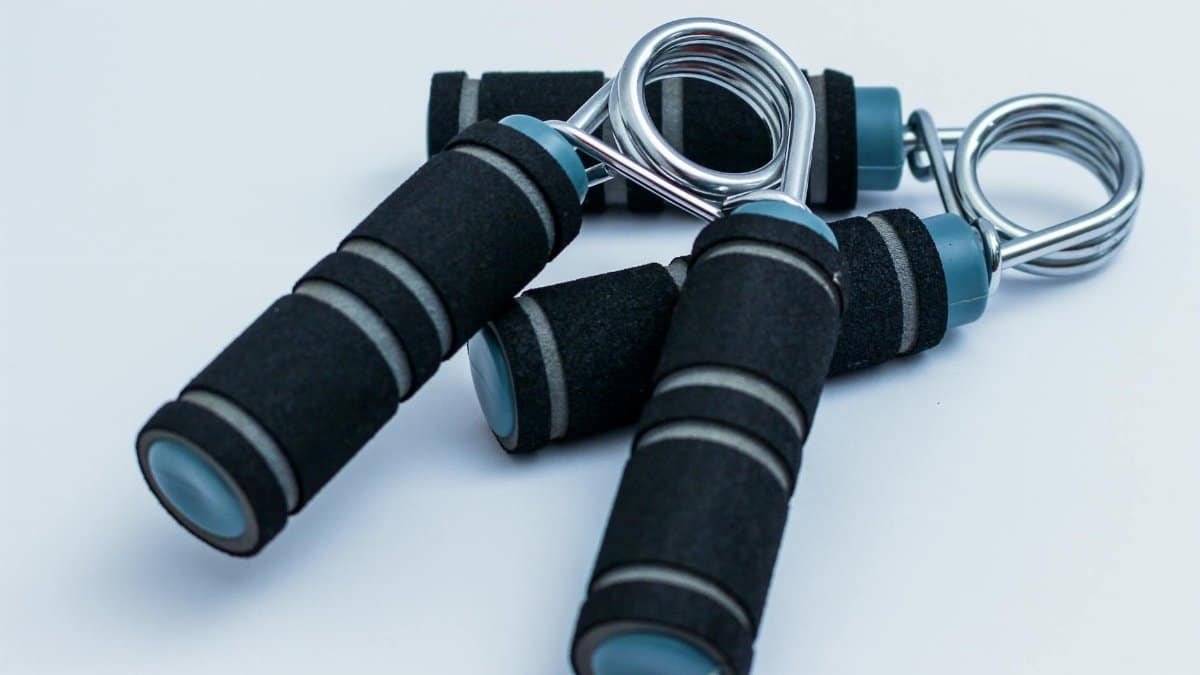
Grip strength offers a revealing measure of neuromuscular health in space. Without the constant resistance provided by gravity muscles weaken despite intensive daily exercise. Yet the latest research indicates the issue runs deeper than atrophy alone. Neural circuits responsible for predicting and modulating force show systematic alterations during Astronauts Microgravity exposure. When subjects returned to Earth their ability to judge appropriate pressure while handling objects remained impaired for extended periods.
Measurements taken at multiple intervals before during and after flight painted a consistent picture. Initial recovery happens quickly but full restoration of baseline performance can stretch across many weeks. This pattern implies that the brain maintains dual models one for weightless conditions and one for planetary life. The tension between these models creates the observed deficits. Such findings carry weight for any activity requiring fine dexterity whether conducting experiments or performing emergency repairs.
Motor Skills and Their Adaptation Limits

Motor skills encompass the countless coordinated actions that fill daily existence. In orbit these skills must be rebuilt around an environment where objects drift and orientation constantly shifts. The study documents how these newly acquired patterns interfere with the original Earth based programming. Balance proves especially vulnerable. Precision movements that rely on anticipatory muscle activation often overshoot or undershoot their targets upon return.
These challenges extend beyond inconvenience. In critical scenarios such as piloting vehicles or handling sensitive equipment even minor errors could have serious repercussions. The research team advocates for systematic training that bridges the two environments more effectively. Virtual reality systems that gradually reintroduce gravitational cues show early promise though much work remains to refine these tools.
What Brain Imaging Shows
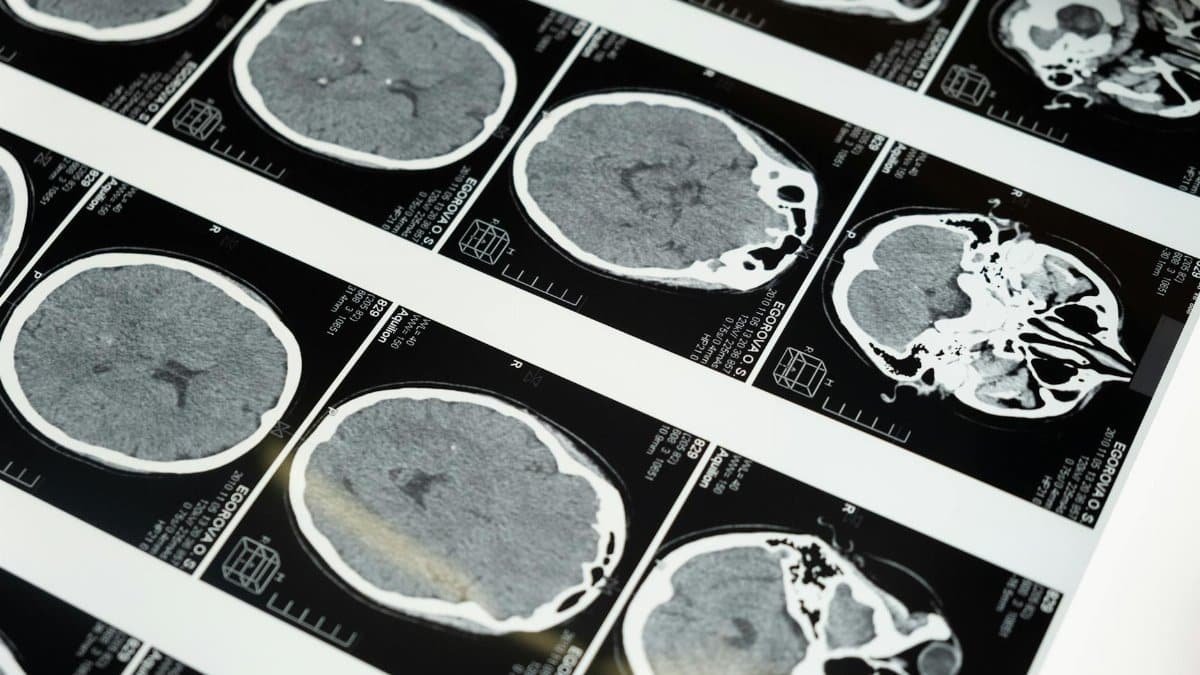
Modern imaging techniques allow scientists to observe structural changes within the brain following spaceflight. Fluid shifts upward during prolonged weightlessness alter pressure within the skull and affect regions responsible for spatial processing and balance. The new paper links these physical transformations to the behavioral data on grip control and coordination. While the brain demonstrates remarkable plasticity it stops short of complete reorganization. Certain pathways appear resistant to overwriting perhaps as an evolutionary safeguard.
This resistance may serve a protective function preventing the total erasure of skills needed back on the ground. For astronauts however it translates into a prolonged period of readjustment. The study recommends monitoring these neural signatures more closely on future missions to develop individualized recovery strategies.
Daily Life on the Space Station
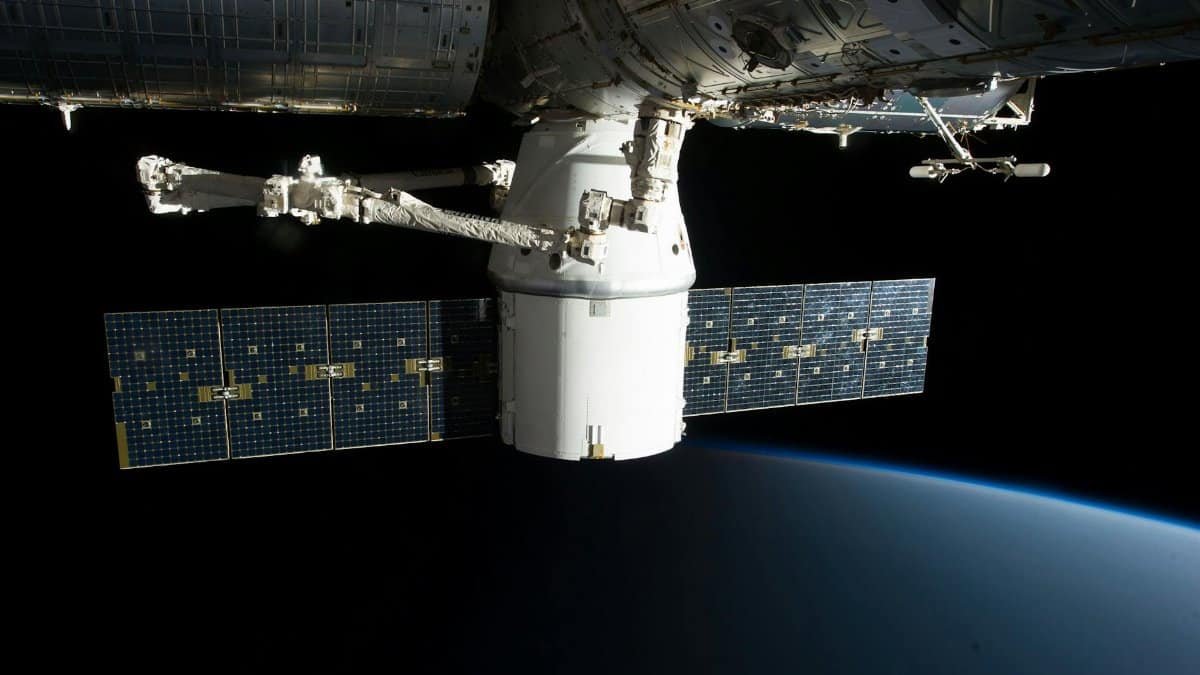
Life aboard the station follows a disciplined rhythm of exercise science and maintenance. Every action from eating to equipment repair demands conscious adaptation to the perpetual fall of orbit. Despite these accommodations the latest data on Astronauts Microgravity reveals that some costs cannot be fully offset by current countermeasures. Crew members frequently describe a distinct shift in their sense of bodily awareness that only gradually realigns after landing.
Exercise bicycles resistive devices and careful nutrition help preserve muscle and bone yet they cannot replicate the full spectrum of gravitational input. The study suggests that future habitats might incorporate centrifugal systems to simulate gravity for portions of the day. Until then astronauts must navigate the gap between their adapted state and the demands of two vastly different environments.
The Challenges of Returning to Earth
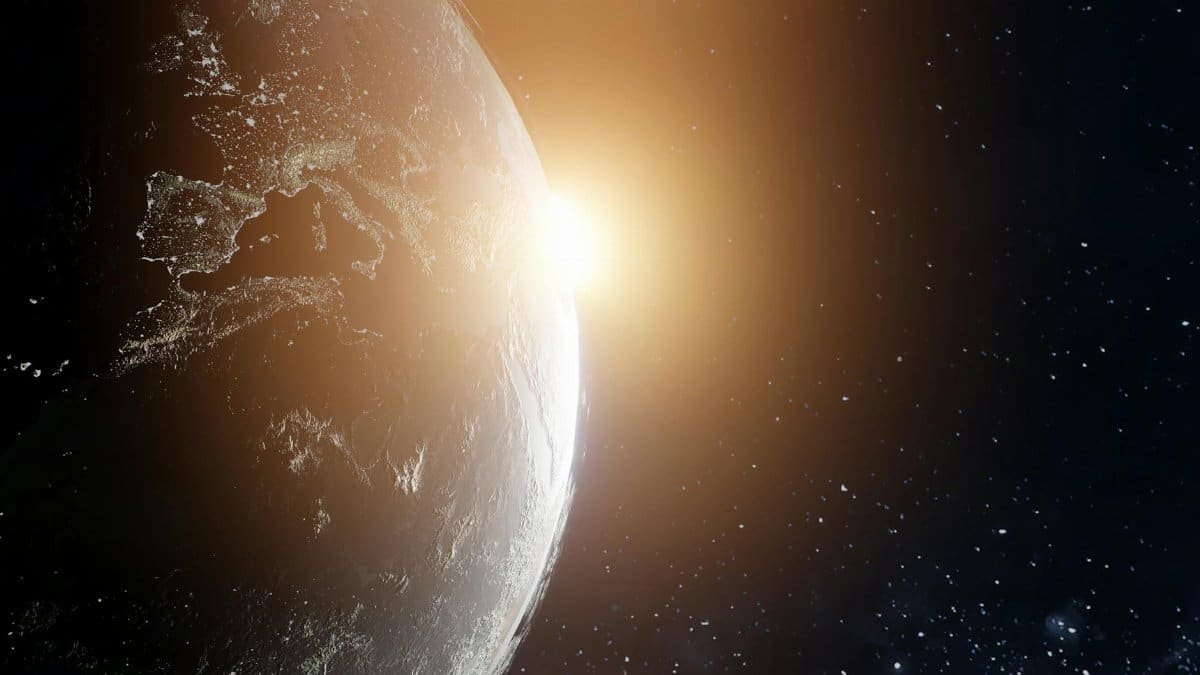
The moment of return brings both celebration and physical trial. After months without weight the body suddenly contends with full gravitational load again. Many astronauts report dizziness disorientation and a strange disconnect between intention and physical execution. The study pays particular attention to grip related tasks noting that force calibration often requires days or weeks to stabilize. Simple activities like writing holding utensils or shaking hands can feel surprisingly alien.
These experiences illuminate the profound extent to which gravity shapes our moment to moment existence. Its absence leaves a temporary vacancy that the nervous system fills imperfectly. Rehabilitation programs tailored to these specific deficits are becoming increasingly important as mission durations lengthen.
Implications for Journeys to Mars and Beyond
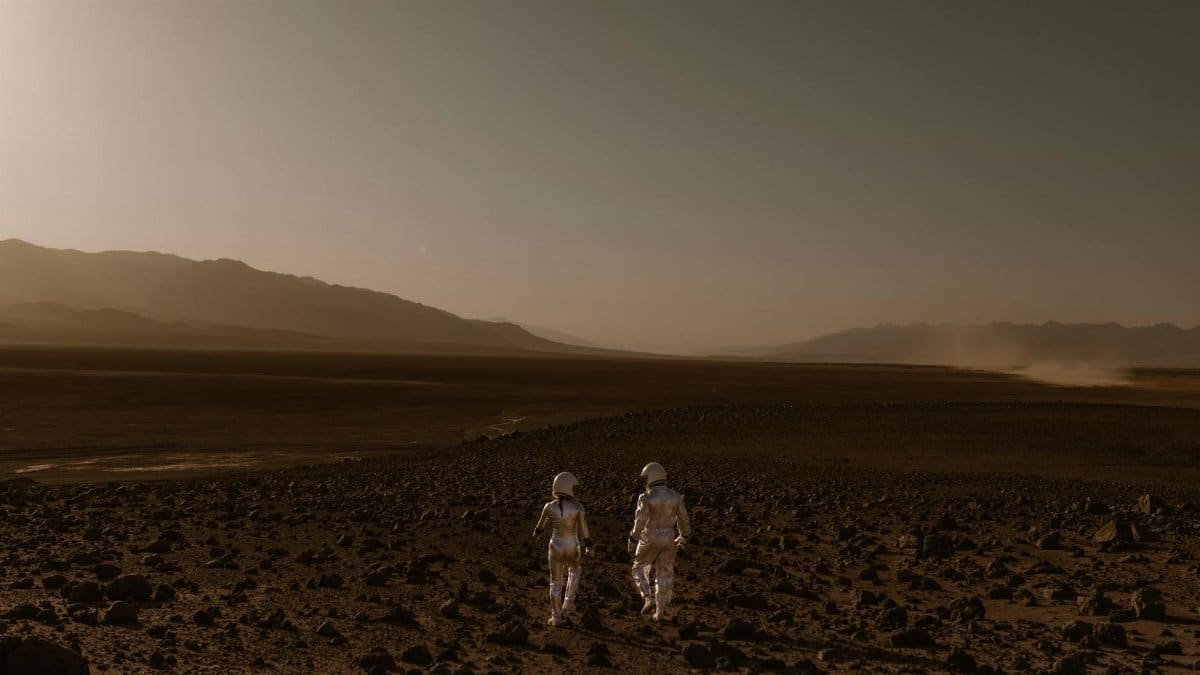
Plans for human missions to Mars envision voyages lasting many months in each direction. In such contexts the incomplete nature of adaptation to Astronauts Microgravity transforms from an interesting observation into a central engineering and medical concern. If neural recalibration remains partial after six months what compounding effects might arise over two years. The study calls for accelerated development of artificial gravity concepts advanced neurorehabilitation methods and spacecraft designs that minimize these transitions.
Every aspect of mission architecture from crew scheduling to vehicle layout must now incorporate these realities. The findings will influence everything from suit design to psychological support programs. They remind us that the human element remains the most intricate variable in our quest to become a spacefaring civilization.
Perspectives from Astronauts Themselves
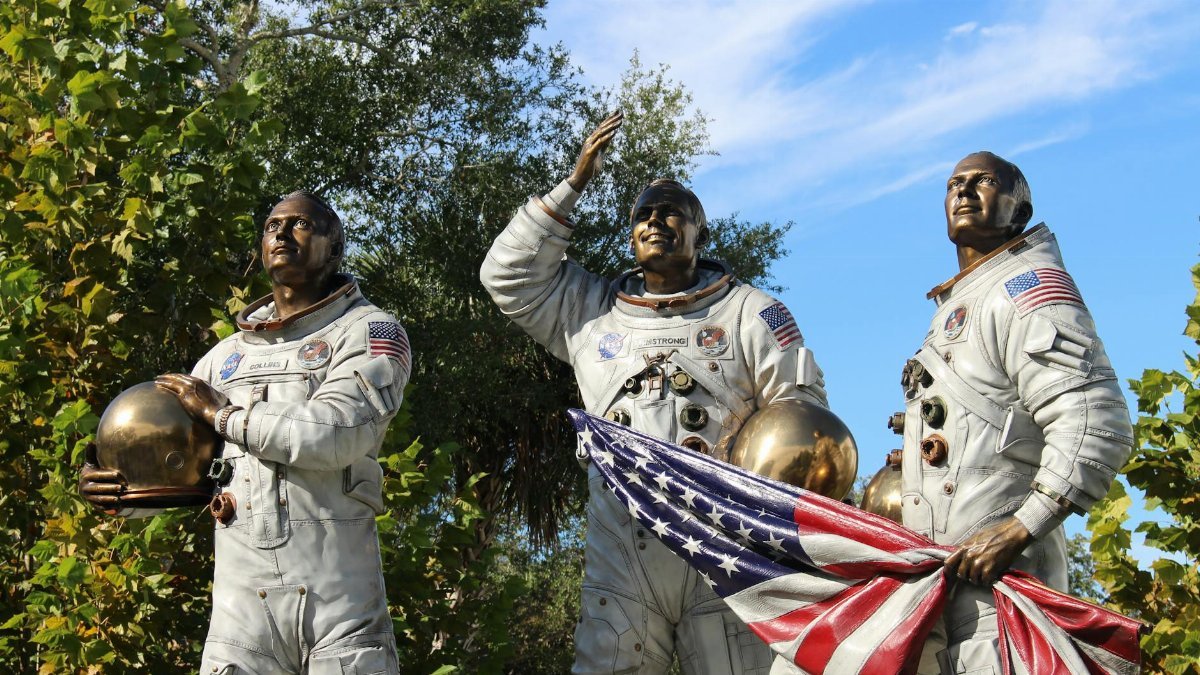
Those who have experienced these conditions offer perspectives that numbers alone cannot convey. Several veterans describe an initial sense of liberation in weightlessness followed by the curious struggle of reinhabiting a weighted body. One former station resident recalled needing to consciously moderate hand pressure for nearly a month after splashdown. These accounts align closely with the laboratory measurements and add essential human texture to the data.
Their stories frequently touch on themes of humility and wonder. Many report lasting changes in how they perceive both their own physical limits and the precious nature of our home world. For readers navigating their own midlife reflections on capability and change these narratives often strike a resonant chord.
The Spiritual Side of Space Travel
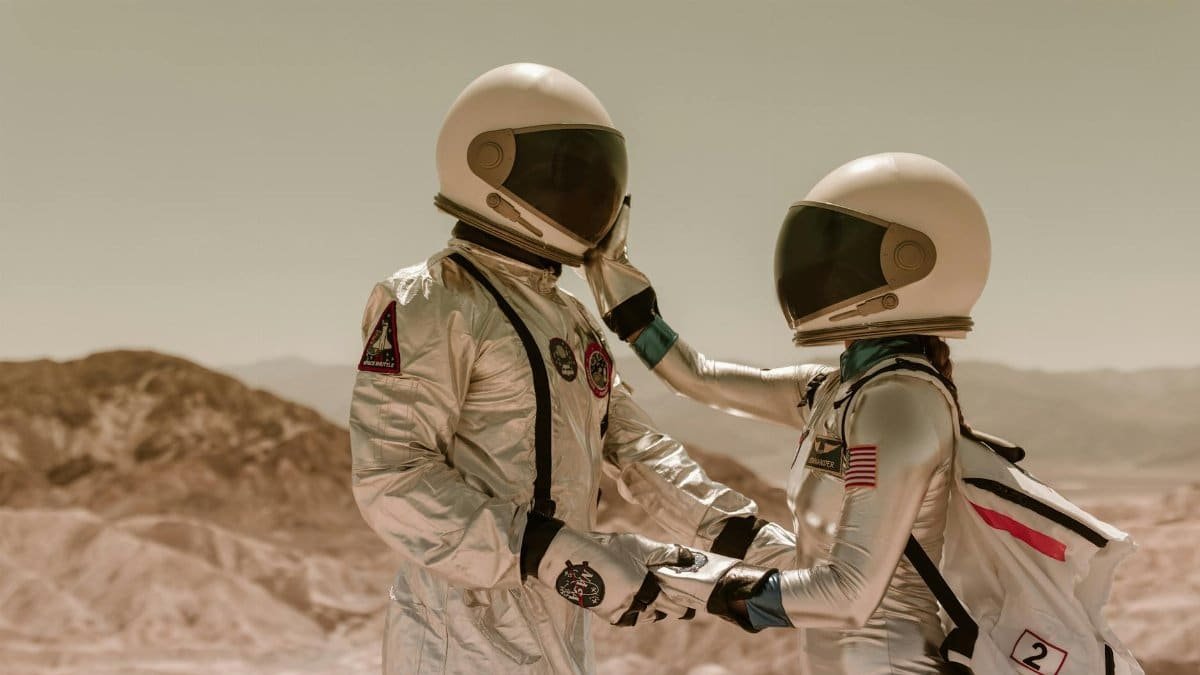
Space exploration has always carried dimensions that reach beyond engineering and biology. The experience of Astronauts Microgravity can trigger profound shifts in awareness. Many who return speak of an overview effect in which the unity and fragility of Earth become viscerally apparent. Within spiritual news and trends this phenomenon invites reflection on humanitys place in a vast cosmos and the inner resources required to venture there.
The new study adds nuance to these discussions. Even as consciousness expands toward transcendent perspectives the body retains its ancient tuning to planetary gravity. This tension between expansion and limitation mirrors broader spiritual journeys where growth coexists with rootedness. The research therefore contributes not only to space medicine but also to ongoing conversations about consciousness resilience and the human search for meaning among the stars.
Developing Better Countermeasures

Armed with these insights laboratories around the world are testing novel approaches to support adaptation. Enhanced exercise protocols that target specific muscle groups virtual reality simulations that rehearse gravitational transitions and nutritional formulas designed to protect neural tissue all show potential. The objective is to narrow the gap between orbital performance and postflight recovery.
Success will require close collaboration among neuroscientists physicians engineers and the astronauts who test these solutions. Incremental progress in this area will prove essential as humanity contemplates permanent outposts on other worlds.
Comparing Short and Long Term Stays

One valuable aspect of the research lies in its comparison of missions ranging from weeks to nearly a year. Interestingly the severity of grip and motor deficits did not increase proportionally with time spent in space. Even relatively brief exposures produced measurable effects that outlasted the mission itself. This suggests the core issue stems from the fundamental mismatch between our neural wiring and weightless conditions rather than cumulative fatigue alone.
Such patterns help refine predictions for future commercial flights where passengers may spend only days in orbit yet still require structured readaptation support upon return.
Collaborative International Efforts

The International Space Station stands as a model of shared scientific endeavor. The latest study drew upon contributions from multiple space agencies and crew members of diverse nationalities. This breadth strengthens confidence in the results and ensures that subsequent advancements will benefit the global community. Continued cooperation will prove vital as we confront the medical challenges of deep space exploration together.
Future Directions for Space Medicine
Looking ahead researchers call for larger participant pools extended monitoring and integration of wearable technologies that can track brain and motor function in real time. As private spaceflight expands these medical considerations will apply to an increasingly broad population. The study serves as both cautionary tale and catalyst for innovation reminding us that our bodies carry ancient wisdom even as our ambitions propel us toward distant horizons.
Ultimately the work deepens appreciation for the intricate design that allows us to survive and thrive on Earth while challenging us to expand that design through ingenuity and care. The coming decades of space exploration will test not only our technology but our willingness to listen closely to what our own biology teaches us about adaptation and homecoming.