
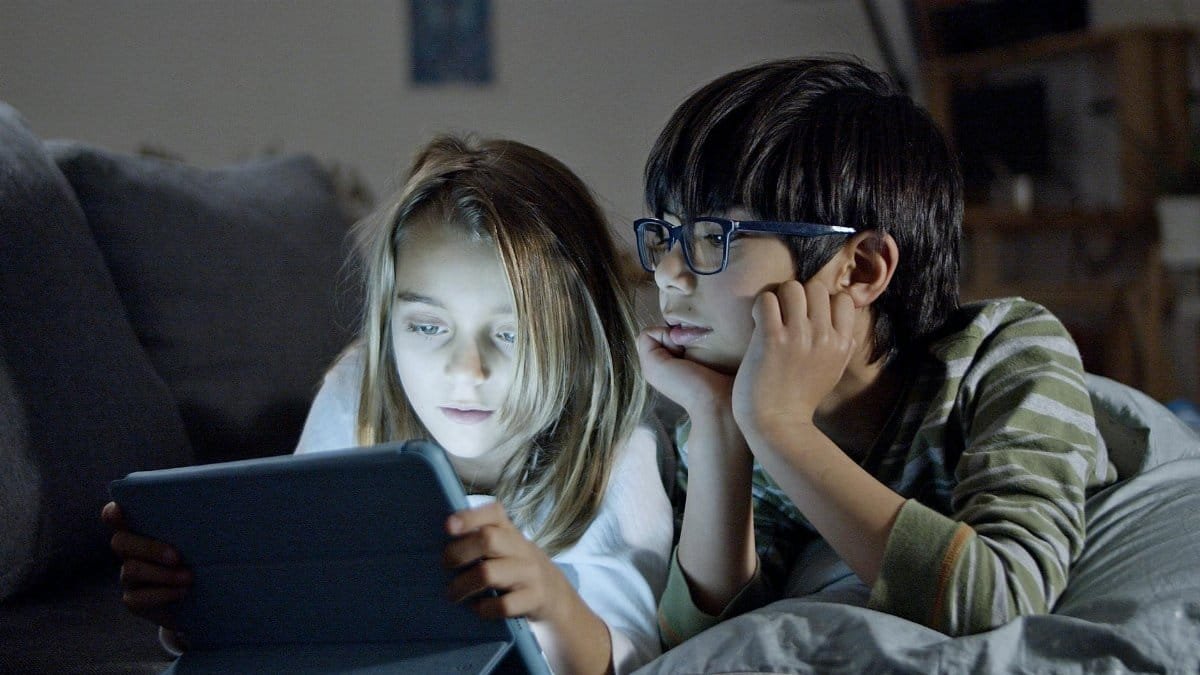
In classrooms across the United States the glow of screens has become as common as pencils and notebooks. Teachers integrate tablets for reading programs and interactive math applications while administrators tout improved test scores in tech rich environments. Parents however watch their children come home drained and distracted. This reality has fueled intense discussions about whether schools should impose screen time limits. The science is murky with researchers divided on both the benefits and potential harms of digital immersion during school hours.
The Educational Allure of Digital Tools
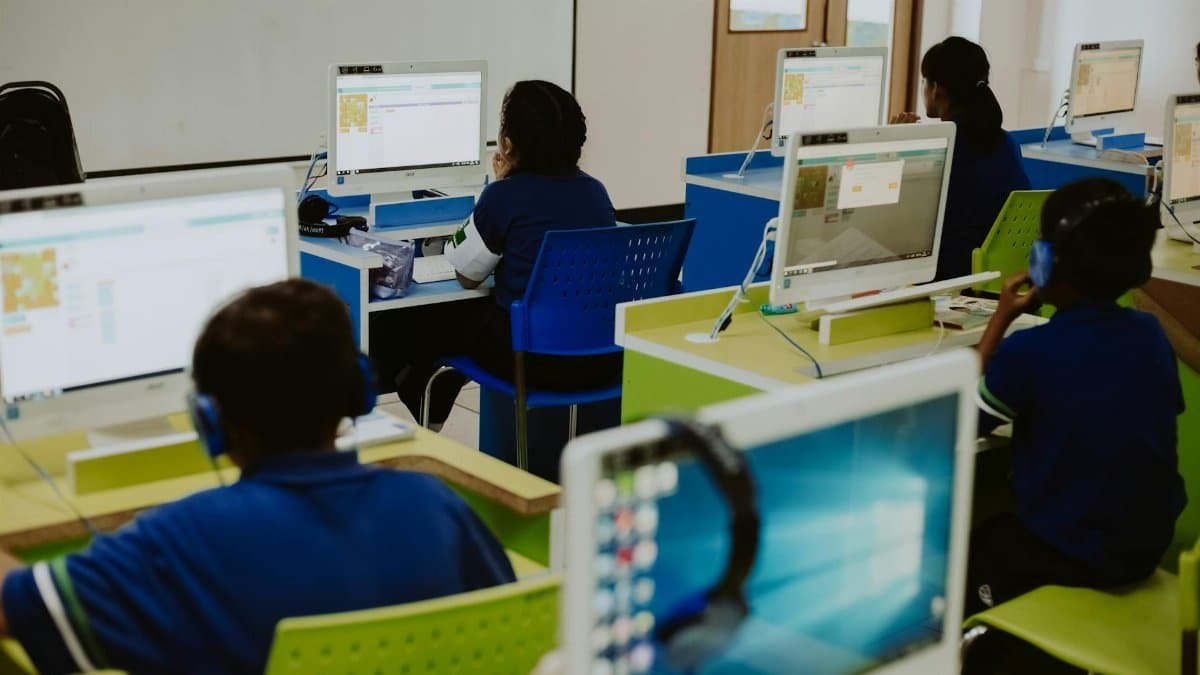
Schools adopted widespread technology for compelling reasons. Digital platforms adapt to individual learning speeds allowing struggling students extra time on concepts while advanced learners move ahead. Virtual field trips transport children to ancient Rome or the surface of Mars without leaving the building. These tools also help bridge gaps for students with disabilities providing audio support or visual aids that traditional methods cannot match.
Educators in underfunded districts often see devices as equalizers supplying resources their budgets could never otherwise provide. A district in rural Mississippi reported notable gains in reading comprehension after introducing shared tablets yet success stories like this coexist with quieter concerns about what gets lost when screens dominate the day.
Concerns Over Attention and Development

Many child development specialists express unease about prolonged digital engagement. They point to emerging patterns of reduced attention spans and difficulties with sustained focus during non digital tasks. Some observe that children accustomed to rapid screen stimulation seem less comfortable with quiet reflection or imaginative play.
Physical effects raise additional flags. Posture suffers eye strain increases and opportunities for movement diminish when lessons center on devices. Middle aged parents who remember childhoods filled with outdoor games and face to face play often wonder if the current path serves children well. These worries extend beyond academics into deeper questions about how digital habits shape character and inner life.
What the Research Actually Shows

Scientific evidence paints a complicated picture. A comprehensive review from the University of Michigan following over one thousand students found no clear correlation between moderate school screen use and academic harm when content remained educational. Other studies however link excessive exposure to sleep disruptions and increased anxiety levels.
According to research published by Scientific American the data resists simple conclusions. Variables such as screen content quality adult supervision and individual child temperament complicate every finding. What helps one student may distract another making universal school policies difficult to justify.
The Spiritual Cost of Constant Connectivity

Beyond measurable outcomes lies a subtler dimension that resonates with many families of faith and those seeking mindful living. Continuous digital stimulation can erode capacities for wonder stillness and presence capacities many spiritual traditions consider essential to human flourishing. When every moment fills with notifications and interactive demands children may struggle to hear their own thoughts or sense connection to something larger than themselves.
Educators influenced by contemplative practices note that unstructured time spent in nature or quiet conversation nurtures qualities like empathy patience and self awareness. Some schools experimenting with device free zones report students engaging more deeply with literature and with one another. This perspective suggests screen time limits might protect not just cognitive development but the cultivation of inner life that sustains people through challenges.
Voices from the Classroom

Teachers occupy the front lines of this debate. Sarah Thompson a veteran fifth grade instructor in Colorado describes watching students light up during collaborative digital projects yet she also notices diminished stamina for reading physical books. Her colleagues echo similar observations some advocating for strict screen time limits while others prefer flexible guidelines based on daily learning goals.
Principals report pressure from all sides. Parents demand more technology to prepare children for future careers while other families plead for protection from what they see as digital overload. These conflicting voices reveal the challenge of crafting policies that serve diverse communities with widely varying values around technology and childhood.
Expert Calls for Nuanced Approaches

Child psychologists increasingly reject blanket restrictions in favor of contextual understanding. Doctor Elena Ramirez of Stanford University argues that content matters far more than mere minutes spent on devices. Educational applications designed with developmental principles differ vastly from social media platforms optimized for addiction.
This view aligns with recommendations from the American Academy of Pediatrics which has moved away from rigid time limits toward emphasis on quality and balance. Experts instead suggest schools focus on digital citizenship teaching children to navigate technology with intention rather than imposing arbitrary cutoffs that may not address root issues.
Alternatives That Honor Both Innovation and Wisdom

Forward thinking schools have begun exploring hybrid models that integrate technology without allowing it to dominate. Some implement device free mornings dedicated to hands on learning and social interaction. Others create tech sabbaths entire school days without screens focusing instead on arts physical activity and reflection.
These approaches recognize that preparing children for modernity need not mean surrendering every tradition of attentive presence and communal learning. Mindfulness programs paired with limited screen time have shown promising results in several pilot districts helping students develop self regulation skills that serve them both online and offline.
Parental Anxieties in the Digital Era

For many middle aged parents the rapid transformation of education feels disorienting. They remember childhoods with far fewer screens yet understand their children face a world transformed by technology. This generational gap creates anxiety especially when headlines alternately warn of digital dangers or celebrate technological miracles.
Focus groups reveal parents crave guidance that acknowledges complexity rather than offering simplistic solutions. Many support reasonable screen time limits in schools but want assurance that restrictions will not disadvantage their children academically. The conversation has evolved into broader questions about values what kinds of adults do we hope our children become and how technology helps or hinders that journey.
Policy Implications for American Schools

School boards nationwide grapple with creating guidelines amid uncertain science. Some districts have adopted formal screen time limits tied to age and grade level while others leave decisions to individual teachers. State legislatures have considered mandates but most experts caution against one size fits all requirements that ignore local contexts and resources.
Effective policies likely require investment in teacher training robust digital curricula and ongoing assessment of student wellbeing. Without such supports limits alone may prove ineffective or even counterproductive. The goal remains finding sustainable integration that enhances rather than diminishes educational experience.
Finding Balance in an Age of Distraction

Ultimately this debate reflects larger cultural questions about attention and intention in modern life. Schools serve as microcosms where society tests its values around childhood technology and human development. Rather than seeking perfect answers perhaps the wisest path involves continuous dialogue between educators parents and researchers.
Many families are discovering that thoughtful screen time limits paired with intentional practices of presence can create space for children to develop both technical skills and deeper capacities for focus wonder and connection. As evidence continues to emerge the most successful approaches will likely blend innovation with ancient wisdom about the conditions that allow young souls to thrive. The science may remain murky for years to come yet the conversation itself illuminates what we truly value in raising the next generation.