
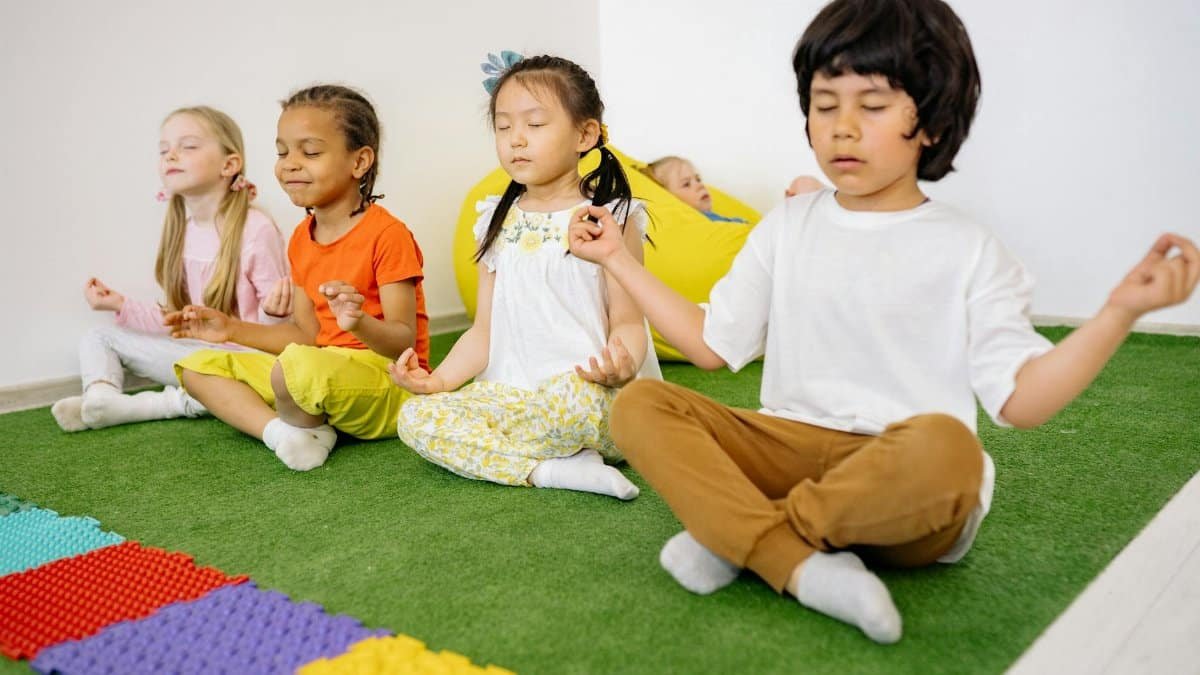
In bustling cities and quiet towns across Britain parents are noticing changes in their children that spark deep concern. Once energetic and optimistic youngsters now seem burdened by pressures their generations never faced. They spend hours comparing themselves to curated online images and many express dread about attending school. These trends have prompted fresh examination of childrens wellbeing UK in a substantial report released this month. The findings suggest that without meaningful intervention an entire generation risks consequences that could shape society for decades to come.
The document draws on extensive surveys with thousands of families educators and young people themselves. It reveals a clear pattern of declining life satisfaction particularly among those aged eight to 15. Issues tied to social media and school unhappiness emerge as central drivers. For many middle aged readers who recall freer childhoods these revelations feel both urgent and personal.
The Report That Demands Attention

The latest research compiled by wellbeing experts presents sobering statistics that cannot be ignored. Only 56 percent of children surveyed described themselves as happy with their lives overall. This represents a sharp fall from levels recorded in previous years. The study highlights how digital environments and academic demands combine to create persistent stress for many young people.
Conducted across diverse communities the report captures voices that might otherwise go unheard. It notes that anxiety about the future affects more than one in three children with girls reporting higher levels of distress linked to appearance and social approval. Full details of the methodology and data sets are available in the original analysis published by Happiful.
These findings arrive at a moment when society is already grappling with the aftermath of disrupted schooling and shifting family routines. The evidence points to a need for broader cultural shifts rather than isolated fixes.
Social Media Pressures Mount

Platforms designed to connect people have instead become sources of comparison and judgment for many children. Endless streams of filtered images and highlight reels distort reality and erode self esteem. The report finds that heavy users report significantly lower mood and higher rates of sleep disruption.
Algorithms that reward perfection create environments where ordinary moments feel inadequate. Young people describe feeling trapped in cycles of seeking validation that never quite arrives. This digital pressure compounds during formative years when identity is still developing.
Experts recommend stricter age appropriate safeguards and greater transparency from technology companies. Without such measures the constant exposure appears likely to continue undermining emotional health across the country.
Unhappiness In The Classroom

Schools were once seen as places of growth and belonging yet many children now view them primarily as sources of stress. Academic testing regimes and crowded curricula leave limited room for creativity or rest. The report indicates that nearly half of students experience regular worry about academic performance.
Teachers describe increasing numbers of pupils struggling with concentration and emotional regulation. Support services within schools remain overstretched despite dedicated efforts by staff. This environment contributes directly to the broader picture of declining childrens wellbeing UK.
Some institutions have begun experimenting with alternative approaches including shorter lessons and increased focus on emotional literacy. Early results suggest promise yet widespread adoption remains slow.
Family Life Under Strain
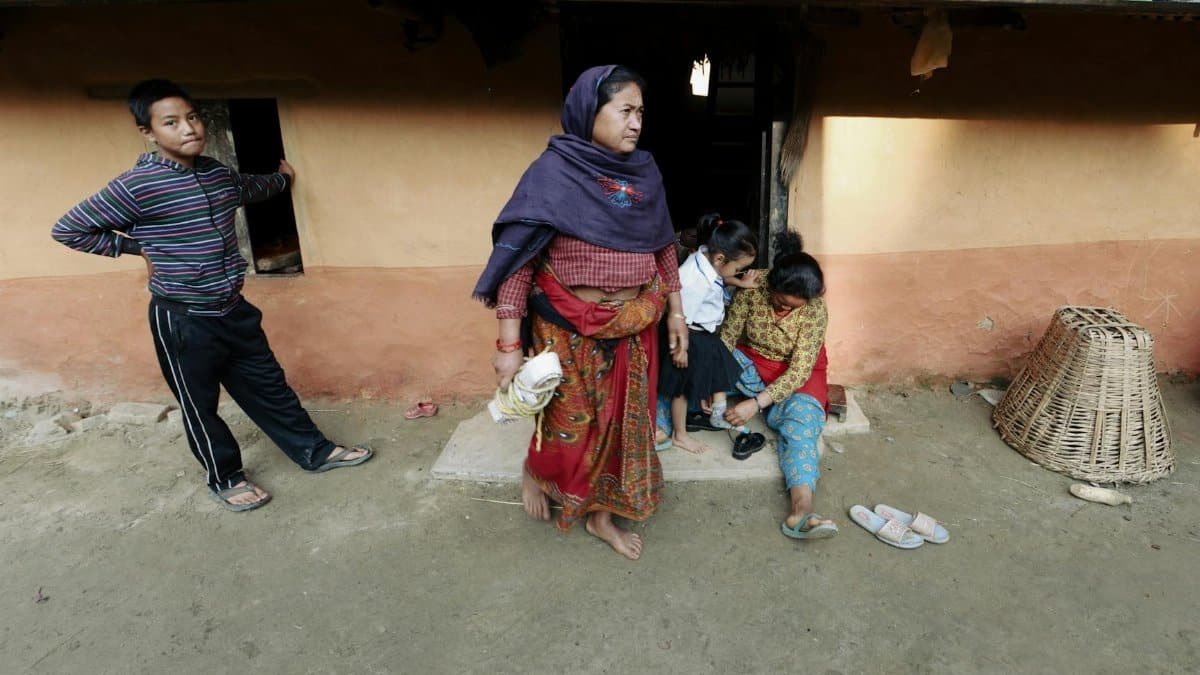
Modern households face competing demands that reduce time for unstructured connection. Long work hours for parents and busy extracurricular schedules for children can limit opportunities for genuine conversation. The report shows that children who eat regular meals with their families report higher happiness levels.
Economic pressures add another layer of complexity with many families navigating tight budgets and housing insecurity. These factors influence daily rhythms in ways that affect everyone in the home. Restoring balance requires intentional choices amid competing priorities.
Communities that foster intergenerational activities appear to buffer some of these strains. Shared spaces where families can gather without pressure offer valuable breathing room.
The Spiritual Dimension Of Childhood

Beyond material concerns lies a deeper hunger for meaning and connection that many children struggle to articulate. In an age of constant stimulation opportunities for quiet reflection have diminished. This spiritual hunger manifests in restlessness and difficulty finding purpose.
Practices that encourage mindfulness and gratitude show encouraging results in early trials within some UK schools. Children introduced to simple breathing techniques or reflective journaling demonstrate improved emotional regulation. These approaches align with growing interest in holistic development that nurtures the whole person.
Religious and secular communities alike are exploring ways to offer young people spaces for contemplation and belonging. The report indirectly supports such initiatives by highlighting the protective role of strong values and supportive relationships.
Nature Connection As Healing

Time spent outdoors consistently emerges as one of the strongest predictors of positive wellbeing in the research. Yet many children experience limited access to green spaces particularly in urban areas. Those who regularly engage with nature report lower anxiety and greater life satisfaction.
Forest schools and community gardening projects have expanded in recent years offering alternatives to screen based entertainment. These programs help children develop respect for living systems while building resilience through direct experience. The sensory engagement seems to calm overactive nervous systems in ways that indoor activities rarely match.
Expanding such opportunities nationwide could form a vital part of any serious response to the current crisis. Local councils and charities are beginning to recognize this potential though funding remains inconsistent.
What The Experts Are Saying

Child psychologists and youth workers echo the report conclusions with stories drawn from daily practice. Doctor Elena Richards who has studied adolescent development for two decades describes a generation facing unprecedented levels of comparison coupled with reduced opportunities for independent play. Her research at a northern university confirms many of the national findings.
Educators on the front lines call for smaller class sizes and more emphasis on relationship building over constant assessment. They stress that emotional safety must precede academic progress if children are to thrive. Community leaders similarly advocate for investment in youth clubs and mentoring programs that provide consistent adult presence.
The collective message remains clear. Solutions must address root causes rather than symptoms if meaningful change is to occur.
Government Action And Its Limits

Policy makers have introduced measures aimed at improving online safety and mental health support in schools. New regulations on social media companies represent progress though enforcement challenges persist. Funding for counselling services has increased yet demand continues to outstrip supply in most regions.
Critics argue that broader economic and cultural factors receive insufficient attention. Poverty remains a significant predictor of poorer outcomes yet targeted interventions have been limited. The report urges more coordinated action across departments rather than fragmented initiatives.
While political attention has grown the pace of change feels slow to those working directly with struggling families. Sustained commitment beyond electoral cycles will be necessary to reverse current trends.
Steps Parents And Communities Can Take

Families need not wait for systemic transformation before making changes at home. Establishing device free times during meals and before bed can improve connection and sleep quality. Modeling healthy boundaries around technology proves more effective than simple restrictions.
Communities can support parents by creating accessible activities that do not require expensive equipment or travel. Local libraries parks and faith groups often serve as ideal venues for low pressure gatherings. Encouraging unstructured play helps children develop internal resources that screens cannot provide.
Simple rituals such as shared gratitude practices or evening storytelling strengthen family bonds while nurturing spiritual awareness. These small consistent actions accumulate into significant protection for developing minds.
A Path Forward For Young People

The report ultimately offers both warning and invitation. While the data on childrens wellbeing UK reveals genuine cause for concern it also illuminates clear pathways toward improvement. Prioritizing relationships time in nature and opportunities for reflection could help restore balance.
Success will require collaboration among parents educators policymakers and young people themselves. Each holds pieces of the solution. By listening carefully to childrens own expressed needs rather than imposing adult assumptions society can craft responses that genuinely serve this generation.
The coming years will test collective resolve. Yet history shows that when societies truly value their young they find ways to adapt and protect what matters most. The current moment calls for exactly that kind of purposeful commitment.