
In the swirl of contemporary existence where careers evolve families shift and health concerns arise without warning many middle aged adults yearn for a sense of steadiness. They seek not to halt the flow of events but to meet them with grace and clarity. This is where the idea of inner balance change becomes relevant. It represents a shift in how one relates to difficulty and uncertainty. Rather than resisting what is the practice encourages a gentle acceptance that can restore a sense of equilibrium.
A twelve minute guided meditation created by mindfulness teacher Vidyamala Burch offers a practical way to explore this concept. As interest in spiritual tools for modern living grows such practices are moving from the margins into mainstream conversations about resilience and wellbeing. This article examines the value of this approach for those navigating the complexities of midlife.
The Growing Need for Tools That Foster Resilience

Change has always been part of the human experience yet the speed and scale of it in the current era feel unprecedented. Technological advances economic pressures and social transformations leave many feeling unmoored. For people in their forties fifties and sixties the stakes can seem particularly high. Careers that once seemed secure may suddenly require new skills. Children depart for college leaving parents to redefine their roles. Aging parents require more attention while personal health issues may emerge. In this context finding ways to maintain composure is not a luxury but a necessity.
Research from various institutions highlights the toll that chronic stress from change can take. A 2023 study from the American Psychological Association found that nearly two thirds of adults report feeling overwhelmed by uncertainty with lasting effects on sleep and relationships. The link is available here https://www.apa.org/news/press/releases/stress/2023/collective-trauma-recovery. Those who develop flexibility in their thinking and emotional responses tend to report higher levels of life satisfaction. This is the foundation upon which inner balance change rests a deliberate cultivation of steadiness that does not depend on external conditions remaining static.
The Teacher Who Understands Pain and Change

Vidyamala Burch speaks from experience. After a serious spinal injury in her youth she faced decades of chronic pain that upended every aspect of her life. Conventional medicine offered limited relief so she turned to meditation. What began as a personal experiment grew into a comprehensive approach that has now helped thousands. Burch founded Breathworks a nonprofit dedicated to bringing mindfulness to those living with pain illness and stress. Her teaching style is direct and compassionate avoiding abstract philosophy in favor of practical steps that fit into busy lives.
Her work has resonated widely because it acknowledges a simple truth. Change is not something that happens only to other people. It visits everyone. By sharing her own story Burch makes inner balance change feel accessible rather than idealistic. Readers of her books and participants in her programs often say her voice carries the weight of someone who has walked the difficult path and found a way to keep moving with dignity.
A Closer Look at the Twelve Minute Meditation

The practice is designed for busy schedules. It opens with an invitation to settle into a comfortable posture whether seated on a chair or cushion. Attention turns to the natural rhythm of breathing. From there the guidance moves into a gentle body scan noticing areas of tension or ease without judgment. The heart of the session addresses change directly. Listeners are asked to bring to mind a current situation that feels unstable. Rather than analyzing or fixing the guidance encourages a balanced awareness that holds both the difficulty and the space around it.
Simple phrases help anchor the mind. One might silently note the reality of impermanence or offer oneself permission to be with things as they are. The meditation avoids forcing positive thinking. Instead it cultivates a stable center from which one can observe shifting circumstances. The final minutes widen the attention outward connecting personal experience to the shared human condition. When the session ends most people report feeling noticeably calmer and more spacious even if nothing in their external world has changed.
Scientific Evidence for Mindfulness Based Approaches
Skeptics sometimes dismiss meditation as soft or unproven. Yet a growing body of research paints a different picture. A major review conducted by researchers at Johns Hopkins University concluded that mindfulness training can ease symptoms of anxiety and depression with effect sizes comparable to medication in some cases. The full paper is available at https://www.ncbi.nlm.nih.gov/pmc/articles/PMC3679190/. Brain imaging studies show measurable changes in areas associated with emotional regulation after consistent practice. The amygdala the brain region tied to fear responses often becomes less reactive while the prefrontal cortex linked to wise decision making grows stronger.
These findings matter for middle aged adults who face rising rates of stress related conditions. Inner balance change appears to strengthen the very neurological pathways that help people ride out uncertainty. The twelve minute format is particularly promising because it lowers the barrier to entry. Busy professionals who cannot commit to hour long sessions can still experience meaningful benefits from short regular practice.
How Inner Balance Change Helps With Midlife Challenges
Midlife often brings a convergence of transitions. Careers reach inflection points marriages evolve and bodies send new signals. Many describe a quiet grief over lost youth combined with anxiety about what lies ahead. Here inner balance change offers a different orientation. Instead of searching for permanent security the practice teaches one to move skillfully with the current.
A fifty four year old executive who recently lost his position described using the meditation during weeks of job searching. The sessions helped him sit with waves of fear without being swept away by them. He eventually found new work but more importantly he found a different relationship to his own thoughts. Similar accounts emerge from people navigating divorce empty nests or unexpected health diagnoses. The meditation does not remove the pain. It changes the way one carries it.
Stories From Those Who Have Benefited
Real transformation rarely looks dramatic on the surface. It appears in small moments. A teacher in Ohio began the practice during her mothers long illness. She credits the meditation with helping her remain present during difficult hospital visits rather than retreating into worry or resentment. Another practitioner a sixty one year old retiree said the sessions eased his transition from a high powered career into a quieter life. What surprised him most was the way inner balance change spilled into his relationships. He listened more argued less and found himself enjoying ordinary days in a way he never had before.
These accounts echo a larger pattern. People do not necessarily become unflappable. They simply stop fighting themselves so fiercely when life shifts. The cumulative effect is a quieter mind and a more open heart.
Addressing the Obstacles That Arise in Practice

Starting any new habit comes with friction. Minds wander. Schedules collapse. Some days the body feels restless and the whole endeavor seems pointless. The guidance within this meditation anticipates these difficulties. Rather than scolding the practitioner for losing focus it treats distraction as another opportunity to practice balance. Each time attention returns to the present a small strengthening occurs.
Impatience presents another common hurdle. Many middle aged adults are accustomed to quick results. Inner balance change unfolds gradually. The practice invites curiosity about that very impatience. What does resistance feel like in the body? What stories does the mind tell about progress? By bringing awareness to these patterns participants often discover they are fighting less and flowing more.
Strategies for Making This a Daily Habit

Consistency matters more than duration. Linking the meditation to an existing routine such as morning coffee or an evening wind down increases the chances of sticking with it. Some keep their phone loaded with the guided session so it travels with them. Others prefer to memorize the basic structure and practice without audio. The key is approaching the whole endeavor with kindness rather than military discipline.
Tracking progress can help but not through rigid metrics. A simple notebook noting how one felt before and after practice often reveals subtle improvements that the busy mind might otherwise miss. Over weeks and months the capacity for inner balance change grows. What once required deliberate effort begins to feel more natural even in the middle of a hectic day.
How This Fits Into Larger Cultural Trends

Interest in mindfulness has surged across demographics. Corporate wellness programs yoga studios and smartphone applications all point to a collective hunger for tools that quiet the inner noise. In spiritual news and trends coverage this twelve minute meditation stands out for its practicality. It does not ask practitioners to retreat from the world. It prepares them to meet the world more skillfully.
This cultural shift reflects deeper societal realities. As traditional sources of stability such as lifelong careers or tight knit communities weaken people search for internal resources. Inner balance change speaks directly to that search. It offers no false promises of permanent peace but it does promise a more gracious way of being with impermanence.
Taking the Practice Off the Cushion and Into Life
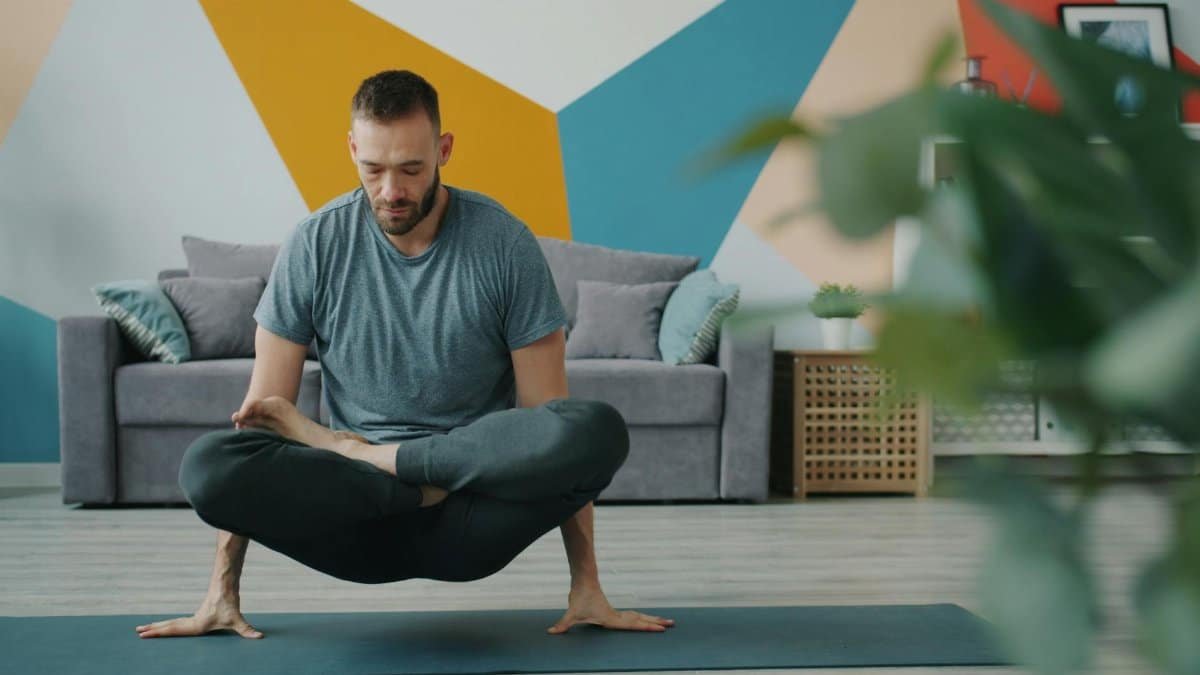
The real test arrives after the meditation ends. Can the sense of balance survive a difficult conversation or an unexpected bill? Practitioners learn to pause briefly during stressful moments and reconnect with the body. That momentary pause creates choice. Instead of automatic reactivity there is space for a more considered response. Over time these small choices accumulate into meaningful differences in how one meets life.
Some apply the principles while walking noticing each step and the changing sensations in their feet. Others use it during conversations bringing the same open attention to the person across from them. In these ways inner balance change stops being a separate activity and becomes a way of moving through the world.
Why This Matters Now More Than Ever

The pace of change shows no signs of slowing. Climate disruption technological upheaval and shifting social norms create an environment of constant adjustment. In such times the ability to find steadiness within becomes a form of quiet strength. The twelve minute meditation created by Vidyamala Burch offers one accessible doorway into that strength. It asks nothing extraordinary only presence and a willingness to meet reality as it is.
For middle aged readers who have already weathered many storms this practice arrives as both validation and invitation. The storms will continue. The question is whether one meets them with exhaustion or with a centered heart. Inner balance change suggests the latter is possible not through force of will but through repeated gentle return to what is already here. The guidance is clear the time is now and the door stands open for anyone ready to step through.