
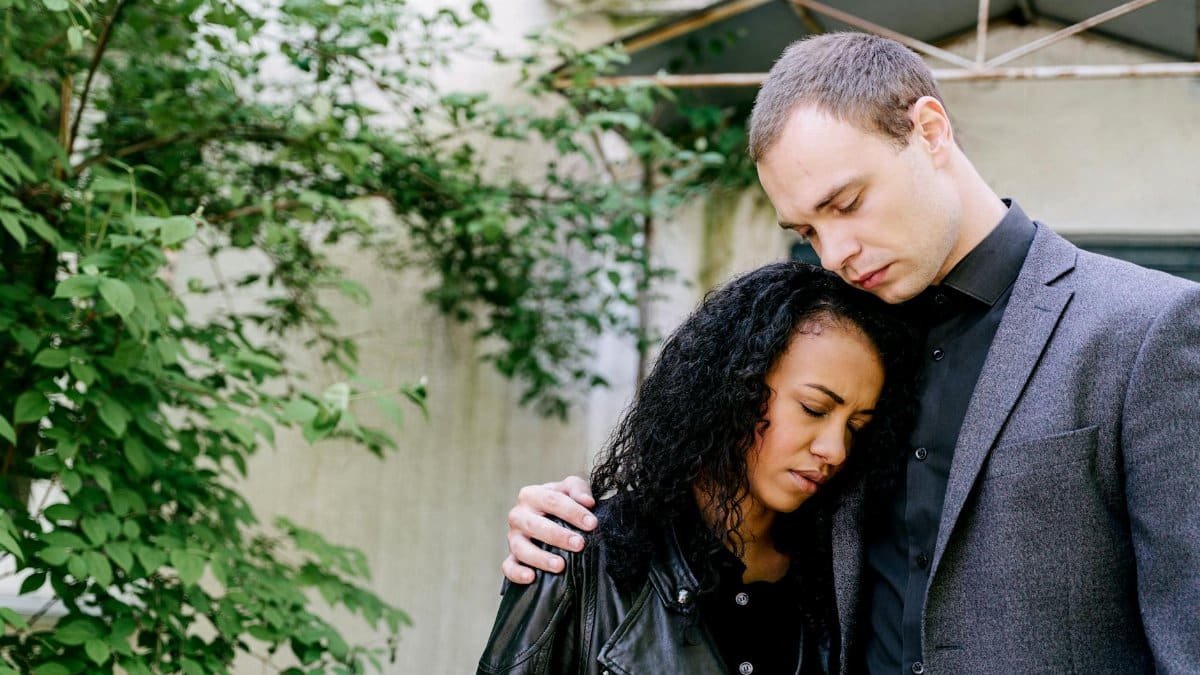
I had always prided myself on my ability to see the best in people. That trait served me well in my career as a counselor and in my friendships. Yet it was the very same quality that kept me trapped for nearly a decade in a toxic partnership. What began as mutual admiration slowly revealed itself as an empathy narcissistic relationship in which my compassion was skillfully manipulated to maintain control. Friends and family questioned why I stayed through the cycles of idealization and devaluation. The answer lay not in a lack of strength but in an overabundance of empathy that blinded me to the reality of the situation. Only after seeking guidance from a therapist specializing in personality disorders did I begin to unravel how my own emotional wiring had contributed to this prolonged entanglement. This journey of discovery opened my eyes to a pattern that affects countless individuals who possess heightened sensitivity.
Understanding Narcissistic Patterns Of Behavior

Narcissists typically excel at creating an illusion of depth and connection during the early days of a relationship. They mirror your values and dreams with uncanny accuracy which makes you feel profoundly seen. This is no accident but a calculated strategy to secure supply. Once established the dynamic shifts. Demands escalate while any display of independence meets with rage or cold withdrawal. The partner is left confused constantly attempting to recapture the initial magic. In this setup empathy becomes a liability rather than a gift. The compassionate individual absorbs the blame and works overtime to fix what was never their responsibility to repair.
Clinical observations suggest this pattern repeats because narcissists lack the internal structure to sustain genuine intimacy. Their self image relies on external validation which no amount of understanding from a partner can permanently satisfy. Middle aged adults like myself often enter these bonds after years of personal growth work only to find that very growth weaponized against them.
Why Deep Empathy Creates Vulnerability

People wired for high empathy tend to interpret harmful actions through the lens of the perpetrators own wounds. When a partner lashes out the empath immediately searches for context and trauma that might explain the cruelty. This impulse stems from a sincere desire to alleviate suffering yet it bypasses a crucial question. Should I be the one absorbing this suffering indefinitely? In an empathy narcissistic relationship this reflex is exploited with surgical precision. The narcissist learns exactly which vulnerabilities to probe and which stories to tell in order to elicit forgiveness and renewed effort.
Over time the empath loses touch with their own needs. Years spent attuning to another persons emotional weather leaves little energy for self reflection. Many in this position describe a gradual erosion of identity until they no longer recognize their own reflection. The spiritual dimension cannot be ignored here. Many describe these encounters as dark night of the soul experiences that ultimately force a reckoning with unbalanced giving.
The Allure Of The Initial Connection
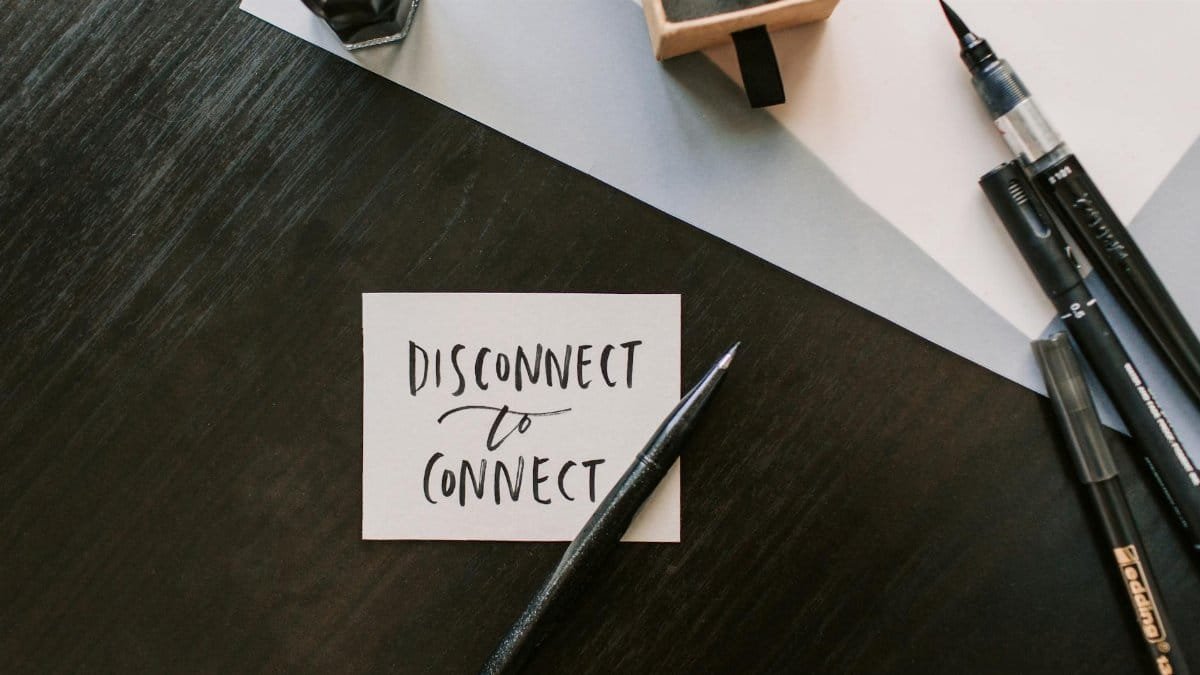
The beginning often feels fated. Conversations flow effortlessly and shared interests appear almost providential. For those of us who have spent lifetimes honing our intuitive abilities this alignment can feel like finally meeting a kindred spirit. What we fail to notice is how quickly the focus narrows to the narcissists needs and narrative. Our empathy narcissistic relationship begins not with overt red flags but with a subtle transfer of emotional labor.
By the time discrepancies appear the bond has grown roots. Shared history memories and mutual friends create practical and emotional barriers to exit. For middle aged individuals who may have already navigated divorces or career pivots the prospect of dismantling yet another life structure triggers profound exhaustion before any action is taken.
When Compassion Becomes A Form Of Control

Here lies the central paradox. What feels like noble patience is actually participation in your own diminishment. Every time you rationalize abusive behavior or smooth over public humiliations you reinforce the narcissists belief that consequences do not apply to them. Your empathy narcissistic relationship thus sustains the very disorder it hopes to heal. Therapists increasingly recognize this pattern in their practices noting how empaths frequently report feeling responsible for their partners emotional regulation.
A report from the American Psychological Association discusses how excessive empathy in asymmetrical relationships can prolong exposure to psychological harm. (https://www.apa.org/topics/relationships) The piece underscores that healthy compassion includes firm limits something many empaths must learn later in life.
The Spiritual Lessons Hidden In The Struggle

From a spiritual perspective these relationships often arrive as rigorous teachers. They strip away illusions about martyrdom and unconditional love without reciprocity. Many survivors report that the pain eventually catalyzed a deeper commitment to self sovereignty and energetic hygiene. Practices such as meditation prayer and somatic work become essential tools for reclaiming personal power. The journey transforms from one of saving another to one of authentic self rescue.
This awakening frequently leads to renewed interest in spiritual communities that emphasize discernment alongside compassion. The old tendency to merge with others gives way to a more grounded presence that can offer help without self abandonment. In this sense the empathy narcissistic relationship while devastating ultimately serves as a catalyst for profound personal evolution.
Building Boundaries That Actually Hold

Learning to maintain boundaries represents the hardest yet most liberating shift. It requires practicing responses that once felt impossible such as ending conversations that turn hostile or refusing to engage with circular arguments. Many find success through structured protocols developed by specialists in narcissistic abuse recovery. These approaches stress consistency over explanation since detailed justifications often provide fresh material for manipulation.
Support networks prove invaluable during this phase. Trusted friends therapists and online communities offer reality testing when the familiar pull toward reconciliation grows strong. The goal is not to become hardened but to direct empathy toward oneself first. Only then can it be offered freely without strings or silent expectations.
Finding The Strength To Finally Leave

The decision to leave rarely arrives in a single dramatic moment. It accumulates through dozens of smaller realizations and external validations that the situation will not improve. Practical considerations housing finances and social circles must be addressed methodically. Those who have successfully exited often credit a combination of professional support spiritual practice and incremental steps toward independence.
Once physical separation occurs the real work of mourning begins. Grief for the relationship that never truly existed mixes with grief for years spent in service to anothers ego. This period while painful also contains the seeds of genuine freedom. Many describe feeling their life force return in waves as cognitive dissonance fades.
Reclaiming Identity And Self Worth

Recovery involves rediscovering activities and interests that were gradually abandoned. Simple pleasures such as reading without interruption or making spontaneous plans become revolutionary acts of self possession. Therapy modalities focusing on trauma resolution help rewire the nervous system that became accustomed to hypervigilance.
Survivors frequently report stronger intuition and clearer values after emerging from an empathy narcissistic relationship. The experience burns away naivete without destroying kindness. What remains is a more tempered wisdom that can distinguish between those who genuinely seek connection and those who seek consumption.
Creating Healthier Relationship Templates

Looking forward requires honest assessment of the patterns that made the original dynamic attractive. This does not mean self blame but rather compassionate accountability. Future partnerships benefit from early attention to reciprocity respect for boundaries and willingness to address conflict without character assassination.
Many choose periods of intentional solitude to strengthen their sense of wholeness before inviting new love. This time allows integration of hard earned lessons about balancing empathy with self protection. The goal shifts from finding someone to save toward meeting someone already whole.
Resources And Support For Recovery

Those still caught in similar situations deserve reliable guidance. Books by specialists such as Dr. Ramani Durvasula offer clear frameworks for understanding without pathologizing the survivors empathy. Online forums moderated by professionals can reduce isolation while providing practical exit strategies. Local domestic violence organizations increasingly recognize emotional abuse as equally damaging though less visible than physical violence.
Spiritual teachers who integrate psychological insight can help frame the experience as both a painful ordeal and a sacred initiation. The key is finding resources that validate both the suffering and the potential for post traumatic growth. No one should navigate these waters alone. With proper support the same sensitivity that once kept a person stuck becomes the foundation for richer more authentic connections ahead.