

In a sunlit nursery a pregnant woman pauses mid conversation and yields to a deep yawn. Miles away from conscious thought her unborn child mirrors the gesture with a slow opening of the jaw. This phenomenon called fetal yawn contagion has emerged as one of the more intriguing discoveries in developmental biology. A new study suggests the impulse to copy yawns begins long before birth revealing an unexpected layer of connection between mother and baby. Using advanced ultrasound imaging researchers captured these synchronized moments offering a rare window into the hidden world of the fetus. The observation resonates with anyone who has ever felt the profound mystery of pregnancy. It invites us to consider how the foundations of empathy and social awareness may take shape in the womb itself.
A Window Into Hidden Connections

Scientists have long known that fetuses yawn but linking those yawns to the mothers own actions marks a significant shift in understanding. The research detailed in Scientific American relied on precise timing protocols that recorded maternal yawns and subsequent fetal responses within a narrow window. Observers noted increased fetal mouth stretching and related movements shortly after the mother yawned. This pattern appeared consistently enough to suggest more than coincidence. Rather than simple reflexes these behaviors point toward an early capacity for social mirroring. The study adds to a growing body of evidence that prenatal experiences help wire the brain for future relationships. Expectant parents often speak of feeling intuitively linked to their babies and this research lends scientific weight to those instincts.
The Science Behind Contagious Yawning

Contagious yawning has puzzled researchers for decades. In adults and children it is closely tied to empathy and the ability to read emotional states. Seeing someone yawn activates similar neural pathways in the observer creating an automatic response. Until recently scientists assumed this ability developed after birth once infants began interacting with caregivers. The discovery of fetal yawn contagion challenges that timeline. It suggests the brain mechanisms supporting social mimicry may activate months before delivery. Advanced four dimensional ultrasound allowed researchers to distinguish true yawns from other mouth movements. The distinction proved crucial because genuine yawns involve a specific sequence of jaw extension and eye movement that differs from ordinary stretching.
How Researchers Captured The Phenomenon

The team recruited a diverse group of pregnant women in their third trimester. Each participant underwent multiple scanning sessions in a controlled environment designed to minimize external stimuli. When a mother naturally yawned technicians recorded the exact moment and continued monitoring the fetus for the next several minutes. Statistical analysis revealed a clear temporal association between maternal and fetal yawns. Control periods without maternal yawning showed significantly lower rates of fetal yawning. These rigorous methods help rule out random coincidence. The study published findings that have since been reported by Scientific American offering the public an accessible look at highly technical research. Readers can explore the full report here.
Linking Yawns To Early Empathy

Empathy begins with the ability to resonate with another persons state. Contagious yawning serves as a simple measurable proxy for this capacity. If fetuses already exhibit this mirroring it implies that the seeds of emotional intelligence form remarkably early. Developmental specialists suggest such prenatal responses could prepare babies for the intense social learning that occurs after birth. The womb provides a rich sensory environment filled with the mothers heartbeat voice and even her emotional fluctuations. Fetal yawn contagion may represent one way the developing nervous system tunes itself to these cues. This perspective aligns with emerging theories in neuroscience that view development as a continuous dialogue between biology and environment rather than a series of isolated stages.
Spiritual Dimensions Of Mother Child Unity

Many spiritual traditions speak of the profound bond between mother and child as something sacred that begins at conception. The observation of fetal yawn contagion offers a beautiful meeting point between ancient wisdom and modern science. It suggests an invisible thread of connection that operates beyond conscious awareness. For people of faith this research can deepen appreciation for the mystery of life and the way bodies and spirits intertwine from the earliest days. The synchronized yawn becomes more than a biological event. It stands as a quiet testament to unity and shared experience. In an age when technology often distances us from natural wonders this finding reminds readers of the quiet miracles unfolding inside every pregnancy.
Rethinking Fetal Awareness
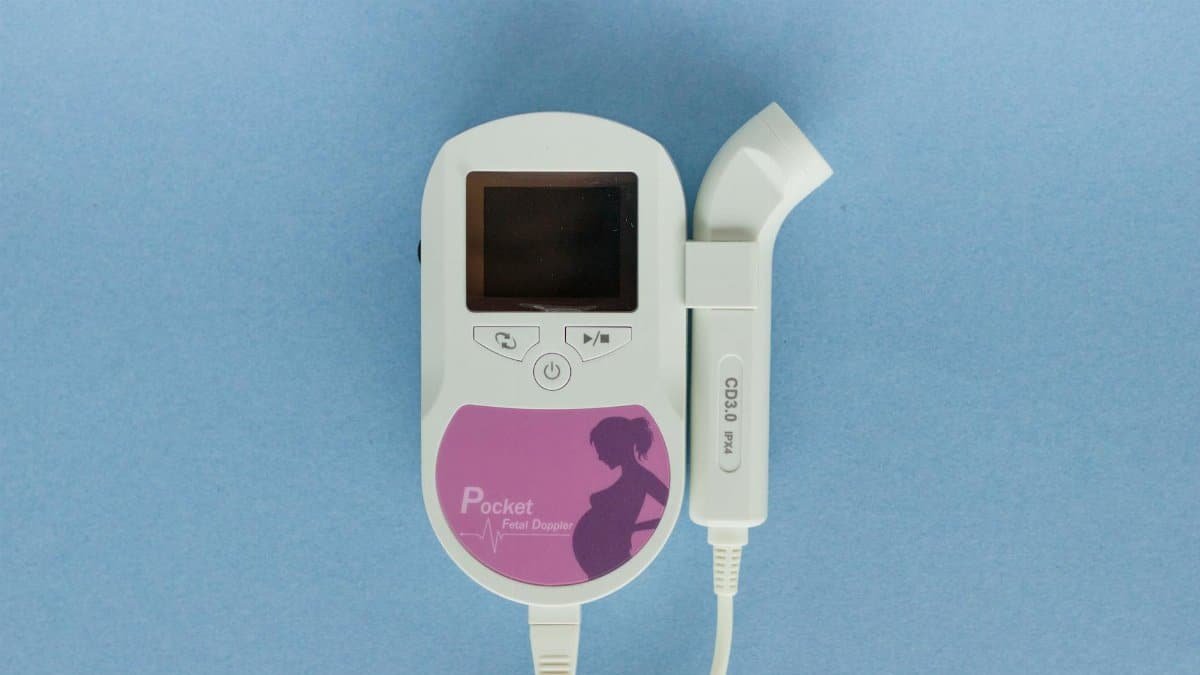
For years medical understanding portrayed fetuses primarily as organisms driven by reflex. Contemporary research continues to reveal greater complexity. Evidence of fetal yawn contagion fits into a larger shift toward recognizing prenatal consciousness. Fetuses respond to music light and the mothers emotional state in ways once dismissed as fanciful. This study adds yawning to the list of responsive behaviors worthy of serious attention. It encourages parents to speak sing and maintain calm knowing their actions reach the child. Such knowledge can transform the pregnancy journey from a period of waiting into one of active relationship building. The implications extend beyond individual families to how society views and protects pregnant women.
Stories From Expectant Mothers

Many women report feeling their babies move in response to their own movements or emotions. Some describe a subtle synchronization that they could never quite explain. After learning about fetal yawn contagion several mothers have revisited their pregnancy journals with fresh eyes. One woman recalled yawning during a prenatal yoga class and noticing an unusually strong series of kicks and stretches immediately afterward. While not scientific these personal accounts add warmth to the data. They remind us that numbers and images only tell part of the story. The lived experience of carrying a child contains layers of intuition and connection that research is only beginning to map.
Comparing Fetal And Infant Responses

Newborns yawn contagiously within days of birth. This ability strengthens throughout infancy and correlates with social development. The prenatal version of this behavior suggests continuity rather than sudden emergence. It implies the nervous system practices these social tools before they become visible. Researchers hope to track whether stronger fetal responses predict faster social development after birth. Such longitudinal studies could reveal important links between womb experiences and childhood outcomes. Understanding these patterns might eventually inform early interventions for conditions affecting social cognition. The research therefore carries potential significance well beyond academic curiosity.
Challenges In Studying The Womb
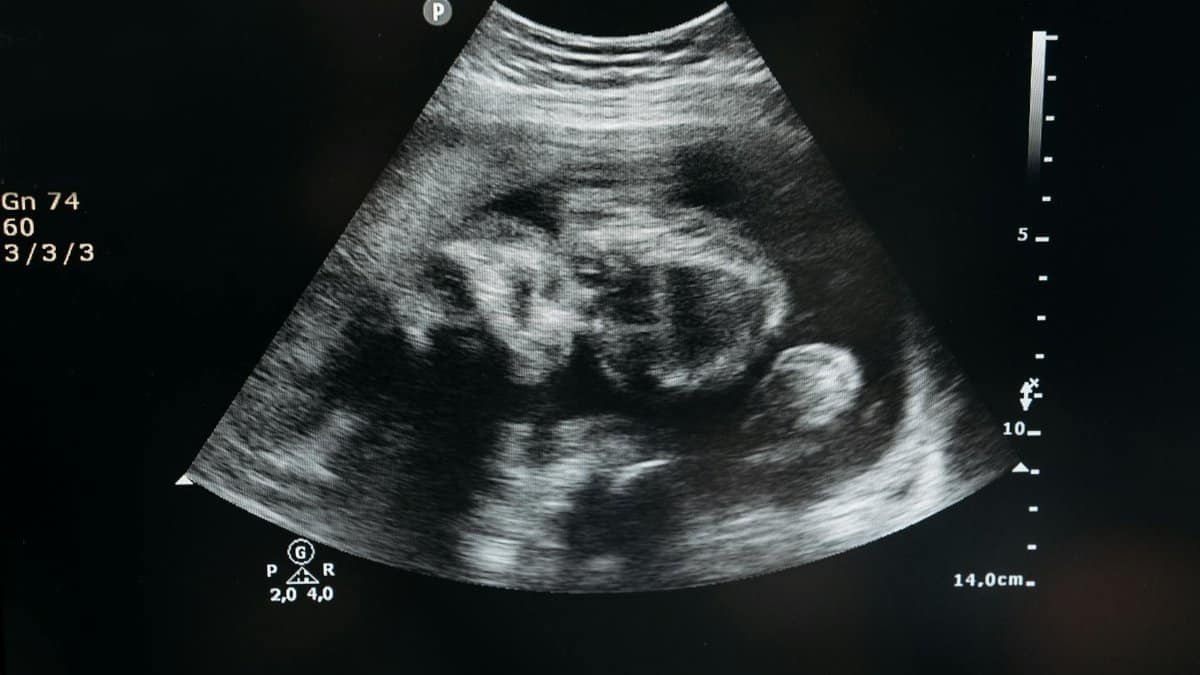
Observing behavior inside the uterus presents formidable technical and ethical hurdles. Ultrasound sessions must remain brief to protect both mother and baby. Movement by either party can obscure images. Distinguishing a true yawn from other facial movements requires trained eyes and sophisticated software. The research team invested considerable time in developing reliable coding methods. Despite these obstacles the scientists produced compelling evidence that withstands scrutiny. Their success opens pathways for future investigations into other forms of prenatal interaction. Each technological advance brings us closer to understanding the full richness of life before birth.
Implications For Prenatal Care

If fetuses actively mirror their mothers states then maternal wellbeing gains renewed importance. Stress fatigue and emotional health may influence fetal development in ways we are only starting to measure. Healthcare providers might incorporate this knowledge into counseling for pregnant patients. Simple practices such as mindful breathing and adequate rest could support healthy patterns of interaction between mother and child. Public health messaging could emphasize the active role fetuses play in their own development. This research ultimately supports a more holistic view of pregnancy that honors both the physical and relational aspects of gestation.
The Enduring Mystery Of Human Connection

Fetal yawn contagion reminds us how much remains unknown about the origins of human relatedness. Even the simplest behaviors contain depths we have yet to fully explore. As science illuminates these prenatal processes it also deepens our sense of wonder. The idea that babies may catch yawns from their mothers in the womb speaks to an innate drive toward connection that precedes language and sight. It suggests we are social beings from the very beginning. In a world often marked by division this biological truth offers hope and humility. We come into existence already reaching toward one another. That reality transcends any single study and touches something fundamental about what it means to be human.
Future Directions For Research

Scientists plan to expand the sample size and explore whether fetal yawn contagion varies across cultures or pregnancy conditions. They also hope to investigate other potential mirroring behaviors such as responses to maternal laughter or facial expressions. Longitudinal follow up could determine whether prenatal mirroring predicts social abilities in childhood. Collaboration between neuroscientists developmental psychologists and obstetricians will prove essential. As imaging technology improves even finer details of fetal behavior may become visible. Each new finding will likely raise fresh questions about the boundaries between self and other in early development. The work promises to keep illuminating the remarkable journey from conception to birth for years to come.