
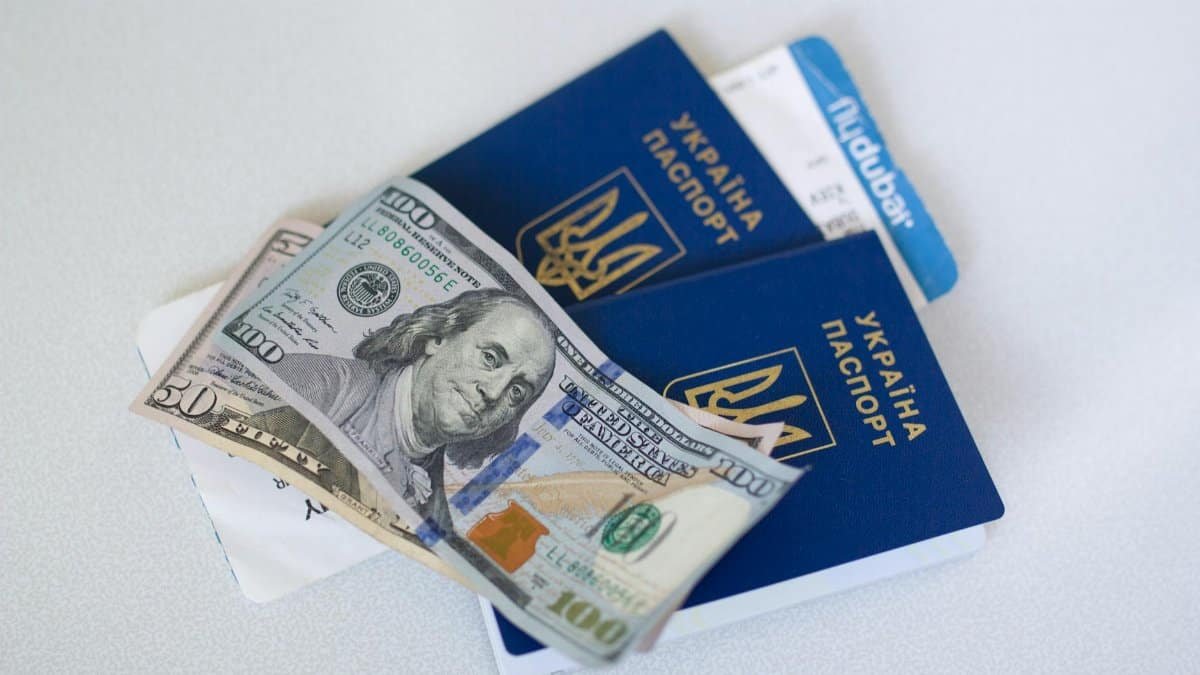
The dreams of overseas travel are about to be dashed for thousands of American parents who have failed to meet their child support obligations. In a significant escalation of enforcement tactics the US government is set to begin revoking passports as a means to pressure those individuals into fulfilling their financial responsibilities. This development comes as officials seek new ways to address the persistent problem of unpaid child support that affects millions of children nationwide. For single parents raising kids on limited incomes the news brings a mix of relief and concern. Relief that the system may finally deliver much needed resources. Concern over the broader consequences for families already under strain. The policy underscores a fundamental question about parental duty in modern society and whether external force can foster the internal commitment that children ultimately require.
The Scale of Unpaid Child Support Across America

Millions of American children live with the daily consequences of absent financial support. Government data shows billions of dollars in child support remain uncollected each year leaving single parent households to navigate tight budgets for housing food and education. Advocates point out that consistent payments correlate strongly with better outcomes in school attendance health and emotional stability. When parents fall far behind the burden rarely stays contained within one household. It spills into public systems through increased reliance on food assistance housing aid and healthcare programs. Federal officials estimate that revoking passports could help recover a meaningful portion of what is owed. The approach builds on existing laws but signals a sharper focus on international travel as leverage. For many middle aged Americans watching this unfold the issue stirs memories of their own family experiences or those of friends navigating divorce and custody arrangements.
How the Passport Revocation Process Actually Works
Federal agencies have coordinated new procedures to identify parents owing substantial sums. Once certain thresholds are crossed and other collection methods have failed cases move from state child support offices to the State Department. Affected individuals receive notice before their passports are flagged. The goal remains collection rather than permanent punishment. Payments can restore travel privileges though the process involves time and paperwork. Critics worry that the mechanism may overlook genuine hardships such as job loss or medical crises. Supporters counter that plenty of time exists to arrange payment plans before passports are impacted. This latest push for revoking passports reflects years of frustration with softer enforcement tools that produced uneven results. Officials hope the threat of losing mobility will motivate action where letters and wage garnishment fell short.
The Spiritual Weight of Providing for Children

Across faith traditions caring for ones offspring stands as a core moral imperative. Many religious teachings emphasize stewardship protection and sacrifice as essential expressions of love and duty. When parents evade financial responsibility it creates not only material lack but also a spiritual rupture. Children internalize messages of abandonment that can echo through generations. Clergy from various communities have long counseled that true accountability begins in the heart before it appears in a bank account. This federal move to revoke passports for thousands raises profound questions about whether society can legislate moral behavior or merely create conditions where it becomes more likely. For people of faith the conversation extends beyond policy into the realm of personal transformation and communal support for struggling families. Churches and spiritual centers increasingly find themselves helping both parents in arrears and those waiting for support.
Stories From Parents Awaiting Long Overdue Payments

Single mothers like those in rural communities or bustling suburbs describe years of making impossible choices. One parent skips dental care to cover school supplies. Another works double shifts while worrying about after school supervision. These narratives rarely make headlines yet they form the human foundation beneath policy debates. Many recipients express cautious optimism about the new passport measures believing the pressure might finally yield results. They speak of children asking why their other parent stays absent not just physically but financially. The emotional toll compounds the economic strain creating households where stability feels perpetually out of reach. Middle aged readers who raised children during the economic challenges of recent decades often recognize these struggles. The policy arrives as both validation and reminder that child support represents far more than money. It signals commitment respect and participation in a childs life.
Perspectives From Those Facing Loss of Passports
Parents on the other side of the ledger tell different stories. Some describe crushing debt from legal fees or medical bills that made consistent payments impossible. Others claim systemic barriers prevent them from earning enough to meet court ordered amounts. For individuals whose work or family ties span national borders the threat of revoking passports feels especially severe. Business opportunities family emergencies and cultural connections all hang in the balance. Advocates for these parents urge more nuanced solutions including job training debt forgiveness programs and realistic modification processes. They argue that punitive measures alone rarely address root causes such as economic dislocation or lack of co parenting support. The conversation reveals deep divisions in how Americans understand responsibility fairness and second chances.
International Implications of This Federal Policy

In an increasingly connected world passports represent more than vacation documents. They enable family visits cross border employment and emergency travel. Revoking passports for thousands of parents introduces complications for dual citizens and those with relatives abroad. Immigration attorneys report growing caseloads as clients seek clarity on how the policy will be applied. Some parents may choose to resolve debts quickly to preserve travel options. Others might feel trapped unable to visit aging parents or attend important events overseas. The State Department must balance child support enforcement with diplomatic considerations and individual rights. This marks one of the more visible intersections between domestic family law and international mobility. As global travel resumes post pandemic the timing amplifies the measures visibility and potential reach.
Effectiveness Questions and Lessons From Past Efforts

Previous attempts to link child support compliance with professional licenses and tax refunds produced mixed outcomes. Some parents found ways to evade detection while others corrected course and began consistent payments. Researchers continue studying which interventions create lasting change versus temporary compliance. Early data on passport related enforcement suggests it captures attention effectively yet works best when paired with mediation services and employment assistance. Simply taking away documents rarely resolves underlying conflicts between former partners. Sustainable solutions appear to require addressing both the financial and relational dimensions of separation. For a broad audience of middle aged readers who have witnessed evolving family structures over decades these nuances matter greatly. Policy that ignores human complexity often creates unintended consequences that ripple through communities.
Legal Challenges and Constitutional Concerns

Legal scholars debate whether restricting international travel as punishment for civil debts crosses important constitutional lines. Courts have generally upheld the practice when due process is followed yet new waves of litigation seem likely. Questions arise about proportionality fairness across income levels and potential disparate impact on certain demographic groups. Civil liberties organizations plan close monitoring to ensure notices are clear and appeal processes accessible. At the same time child advocacy groups emphasize that children possess rights too including the right to financial support from both parents. The tension between individual liberty and collective responsibility sits at the center of these legal battles. How judges interpret these competing claims will shape not only passport policy but future enforcement strategies.
Building a Culture of Greater Parental Responsibility

Beyond government action many voices call for deeper cultural shifts. Spiritual leaders educators and community organizers stress the need for earlier intervention stronger co parenting education and cultural narratives that celebrate involved fatherhood and motherhood regardless of marital status. Programs that help parents develop financial literacy communication skills and emotional resilience show promise in preventing arrears before they accumulate. When communities surround families with support the impulse toward avoidance appears to diminish. This federal push for revoking passports might serve as a wake up call yet lasting progress depends on hearts and minds as much as regulations. Middle aged Americans who occupy pivotal roles as parents grandparents and mentors carry special responsibility in modeling and teaching these values to younger generations.
What Families and Communities Should Consider Moving Forward

As implementation begins families face practical questions about documentation communication and support systems. Community organizations may need to expand mediation services financial counseling and emergency assistance for affected households. Employers might encounter requests for schedule adjustments or wage documentation. The moment invites reflection on how society values children and the obligations that come with bringing them into the world. Rather than viewing this strictly through a political lens many are examining it through moral and spiritual frameworks that transcend partisan divides. The coming months will reveal whether revoking passports proves primarily a collection tool or part of a larger conversation about what we owe our children and each other. For a nation wrestling with family fragmentation these questions could hardly be more timely.