

**A mysterious illness began appearing in patients at several prominent medical centers in the San Francisco Bay Area last month. Doctors initially struggled to identify the cause until tests confirmed the presence of Legionella in the water systems. This bacteria outbreak has now affected at least a dozen individuals many of them already dealing with serious health conditions. Infectious disease specialists are expressing serious concern over the potential for further spread within these facilities that are meant to heal. The incidents have prompted extensive investigations and remediation efforts by hospital administrators working closely with public health authorities. For many in the region it raises uncomfortable questions about safety in places where trust is paramount.**
**The discovery comes at a time when Americans are already navigating heightened awareness of invisible threats to well being. What makes this situation particularly unsettling is that it unfolded in settings designed to provide care for the most fragile among us.**
Understanding the Nature of Legionella

Legionella bacteria flourish in warm stagnant water between 77 and 113 degrees Fahrenheit. Large institutional buildings with complex plumbing networks create ideal conditions for growth. Once aerosolized through routine activities like showering or using respiratory equipment the organisms can reach deep into human lungs.
Unlike many other hospital acquired infections this one travels through the air rather than direct contact. The resulting illness known as Legionnaires disease carries a fatality rate of up to 10 percent in otherwise healthy people and significantly higher among those with compromised immunity. Public health records show that outbreaks often trace back to overlooked maintenance in water systems that appeared functional on the surface.
Researchers at the Centers for Disease Control and Prevention have documented hundreds of similar events nationwide in recent years. Their data suggests many facilities underestimate the vigilance required to keep water systems safe. (https://www.cdc.gov/legionella/outbreaks.html)
Why Hospitals Face Heightened Risks
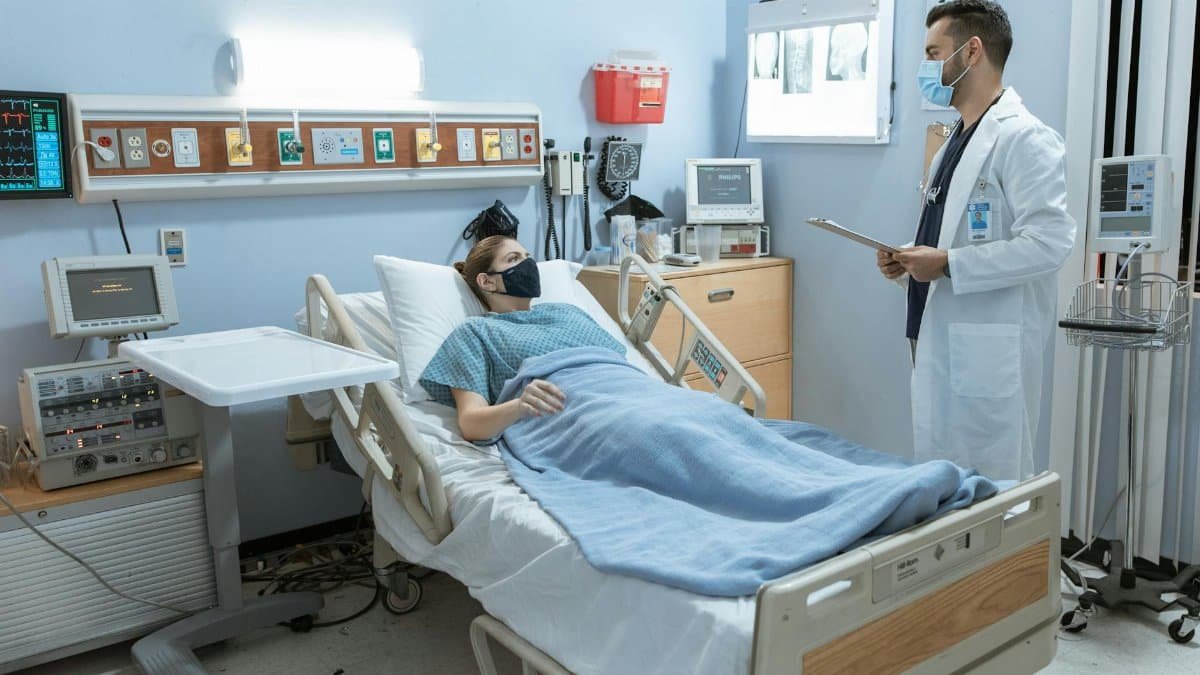
Hospitals present unique vulnerabilities. Their elderly patients frequently suffer from conditions that make them more susceptible to severe infection. Many have suppressed immune systems from chemotherapy transplants or chronic illnesses. Even brief exposure that might cause mild symptoms in a healthy person can prove life threatening here.
Medical centers also maintain elaborate water networks spanning miles of pipework including rarely used outlets in unused wings. These create perfect pockets for bacterial colonization. Add the frequent disruptions from construction or renovation projects and the challenge becomes clear.
Infectious disease experts note that standard hospital protocols focusing on hand hygiene and surface cleaning do not address this airborne waterborne threat. Different strategies and specialized monitoring become necessary.
Tracing the Source in Bay Area Facilities

Health investigators have identified multiple hospitals in the East Bay and San Francisco where water samples tested positive for Legionella. In at least two facilities the same strain appeared in both patient specimens and water outlets suggesting a direct connection.
Officials have not released the names of all affected institutions citing patient privacy though sources confirm two major medical systems are involved. Hospitals have begun hyper chlorination of their water systems along with installing specialized filters at point of use locations.
The timing coincides with regional drought patterns that have forced facilities to modify their water management practices. Lower flow rates in certain buildings may have contributed to stagnation allowing bacteria to multiply.
Voices from the Front Lines of Infectious Disease
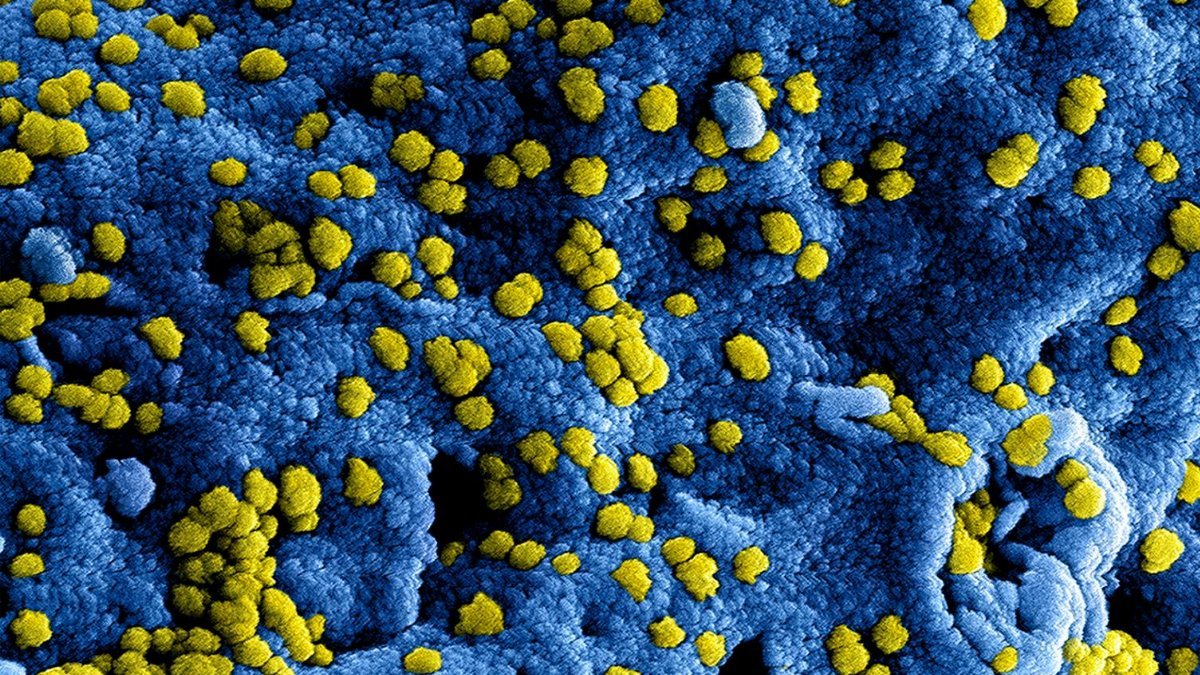
Dr. Elena Ramirez an infectious disease specialist at a Bay Area university hospital describes the situation as deeply troubling. She has treated several of the affected patients and notes their rapid deterioration despite prompt treatment.
“We expect our hospitals to be safe havens” she said during a recent interview. “When the very systems designed to sustain life instead introduce new dangers it forces us to reconsider fundamental assumptions about infrastructure reliability.”
Her colleagues across the region echo similar sentiments. Many express frustration that preventable environmental hazards continue to threaten patients despite decades of knowledge about Legionella control.
The Impact on Vulnerable Patient Populations
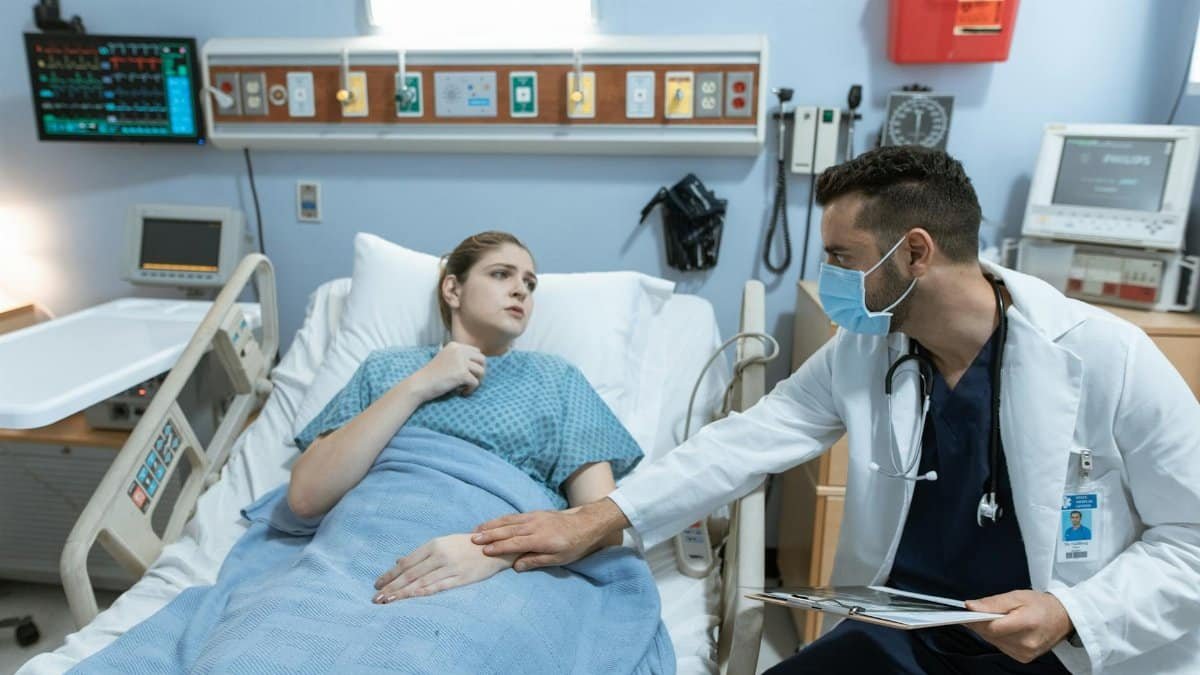
The patients affected so far range in age from 52 to 89. Several were recovering from surgery or being treated for cancer when they developed pneumonia symptoms. One woman in her seventies spent weeks in intensive care after contracting the infection during what should have been a routine hospital stay.
These cases highlight how a bacteria outbreak can transform an already difficult health journey into something far more perilous. Families report feeling betrayed by institutions they trusted completely. The emotional toll compounds the physical suffering in ways that extend far beyond the individual patients.
Strategies for Containment and Prevention
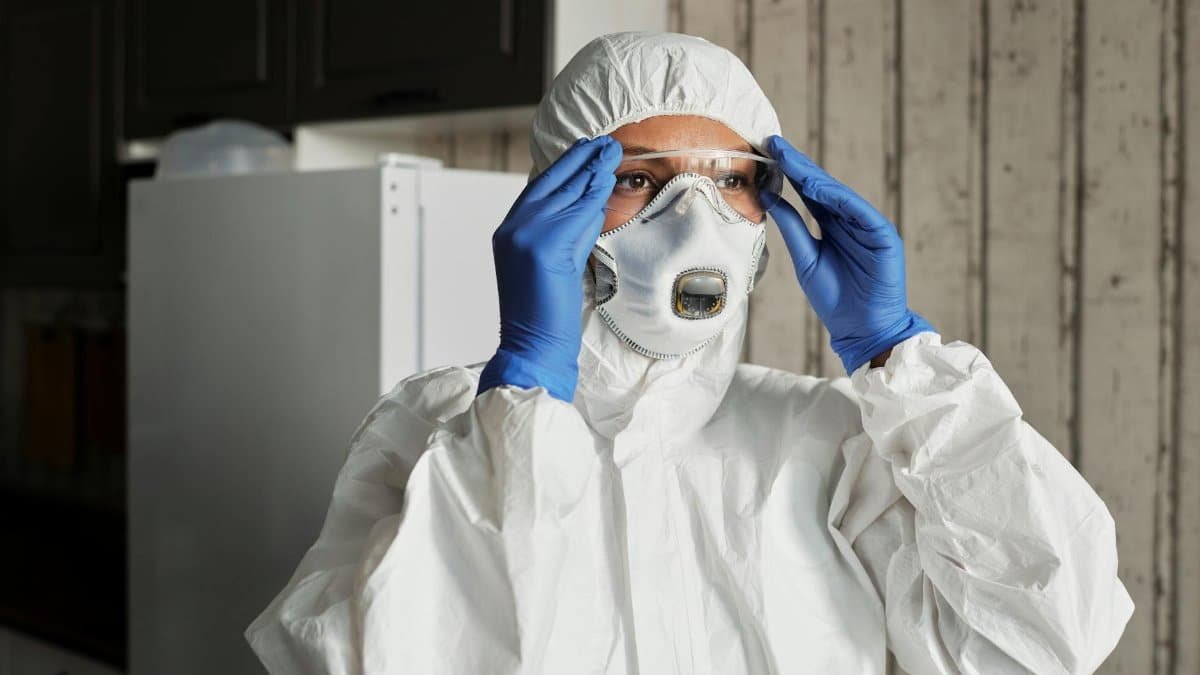
Hospital engineers have deployed a range of immediate measures including raising hot water temperatures installing copper silver ionization systems and regularly flushing rarely used outlets. Some facilities have distributed sterile water for drinking and oral care while remediation continues.
Longer term solutions require substantial investment. Regular testing protocols enhanced maintenance schedules and redesigned plumbing systems all demand resources. Smaller hospitals may struggle to implement these changes without external support.
Public health departments are now considering whether current regulations sufficiently protect patients or if new mandates should be introduced. California legislators have requested briefings on the Bay Area cases as they evaluate potential statewide requirements.
Examining the Role of Infrastructure

Many hospital buildings in the region date back to the 1960s and 1970s. Their original plumbing designs never anticipated current understanding of bacterial biofilms or the complex demands of modern medical care. Retrofitting these aging systems proves both expensive and disruptive.
Water quality experts point out that municipal supplies entering these buildings often meet all regulatory standards yet still allow Legionella growth once inside complex building infrastructure. The problem lies not with incoming water but with conditions that develop within the facilities themselves.
Environmental Factors at Play
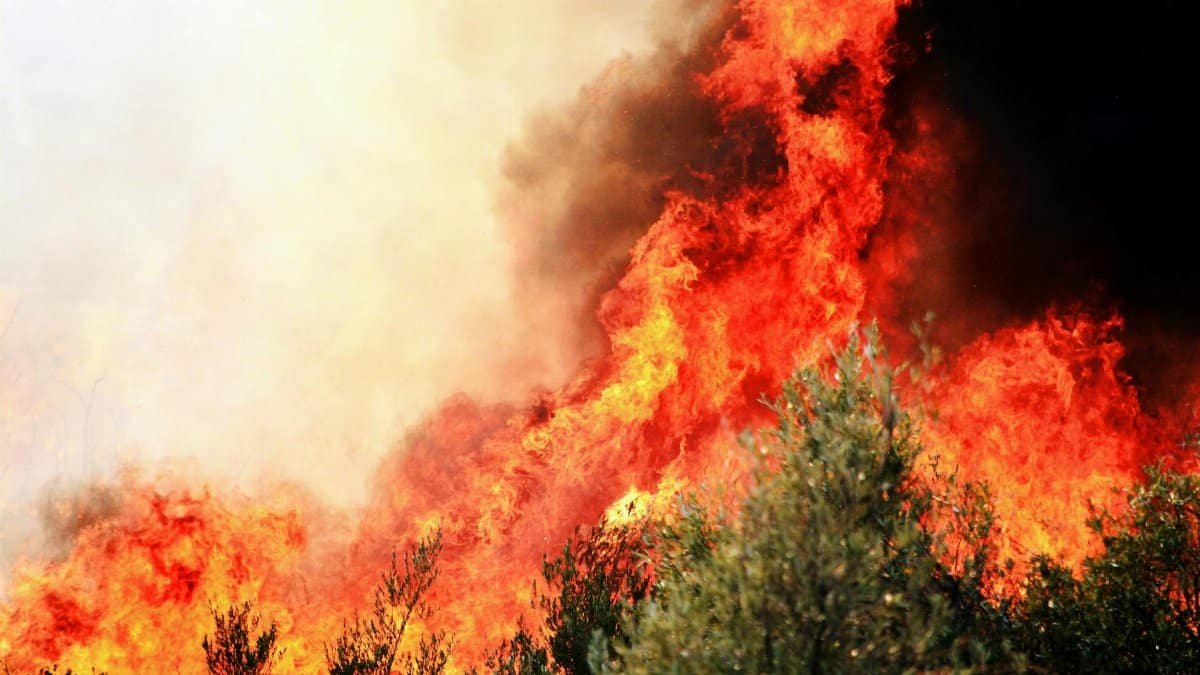
Climate scientists have observed connections between warming temperatures and increased frequency of waterborne bacterial incidents. Higher ambient temperatures reduce the energy needed for Legionella to proliferate in building systems.
California drought conditions have also forced facilities to implement water conservation measures that sometimes inadvertently create ideal conditions for bacterial growth through reduced flow and warmer storage tanks.
These overlapping pressures suggest the Bay Area cases may represent not an isolated failure but part of a larger pattern emerging across regions facing similar environmental challenges.
Community and Faith Based Responses
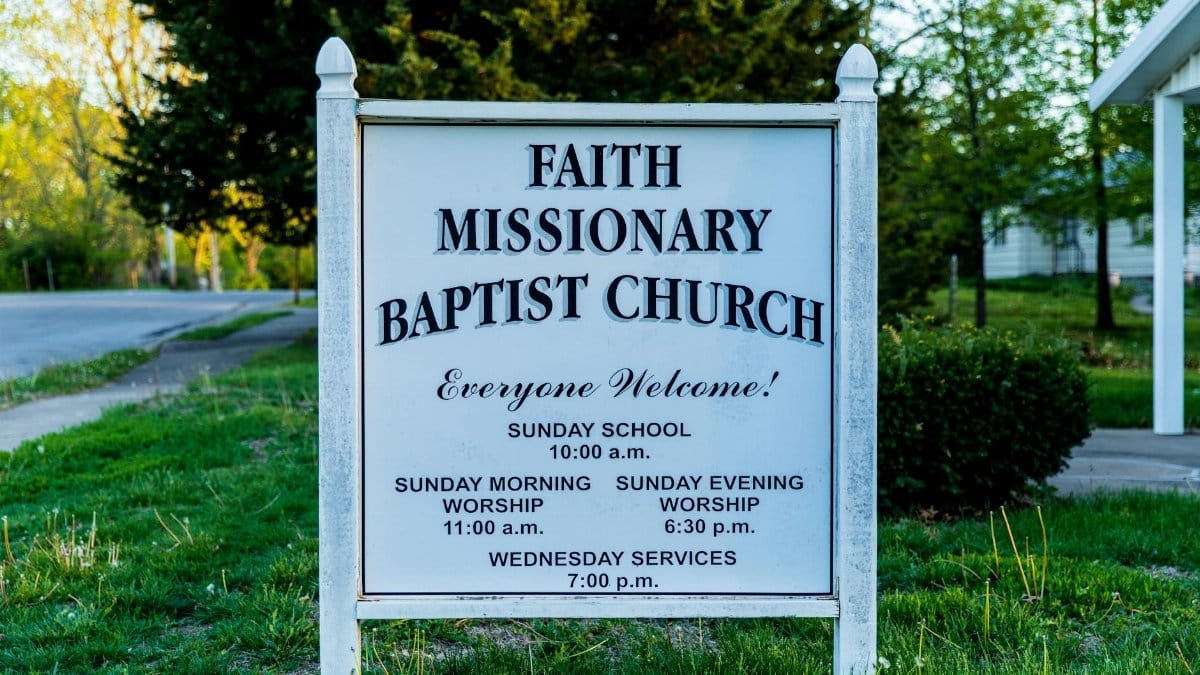
As news of the bacteria outbreak spread local faith communities began organizing support networks for affected families. Prayer circles formed at churches synagogues and temples across the Bay Area with participants seeking comfort and strength during uncertain times.
Spiritual leaders have used the moment to reflect on human vulnerability and the interconnectedness of physical and spiritual health. Some sermons have explored themes of stewardship asking whether society has neglected its responsibility to maintain safe environments for the sick and elderly.
Support groups blending medical information with spiritual counseling have emerged to help families process both the practical challenges and deeper questions about mortality and meaning that surface during health crises.
What This Means for Public Health Policy

The incidents have renewed debate about accountability when hospital acquired infections occur. Patient advocacy organizations argue that current reporting requirements fail to capture the full scope of waterborne threats while hospital associations emphasize the financial burden of comprehensive prevention programs.
State health officials are reviewing whether existing building codes adequately address modern understanding of microbial risks in large facilities. Early indications suggest new guidelines may emerge focusing on proactive monitoring rather than reactive response.
Reflecting on Human Fragility and Resilience

Beyond the technical and policy questions this bacteria outbreak invites deeper contemplation about our relationship with the invisible world that surrounds us. Despite remarkable medical advances humanity remains susceptible to microscopic organisms that thrive in the very systems we create.
Middle aged Americans who often serve as caregivers for both aging parents and growing children may find particular resonance in these events. They remind us that health exists within a delicate balance easily disrupted by factors beyond individual control.
Yet the response from both medical professionals and affected communities also demonstrates remarkable resilience. The determination to protect patients and learn from these incidents reflects a fundamentally hopeful commitment to improvement.
Looking Ahead to Safer Healthcare Environments
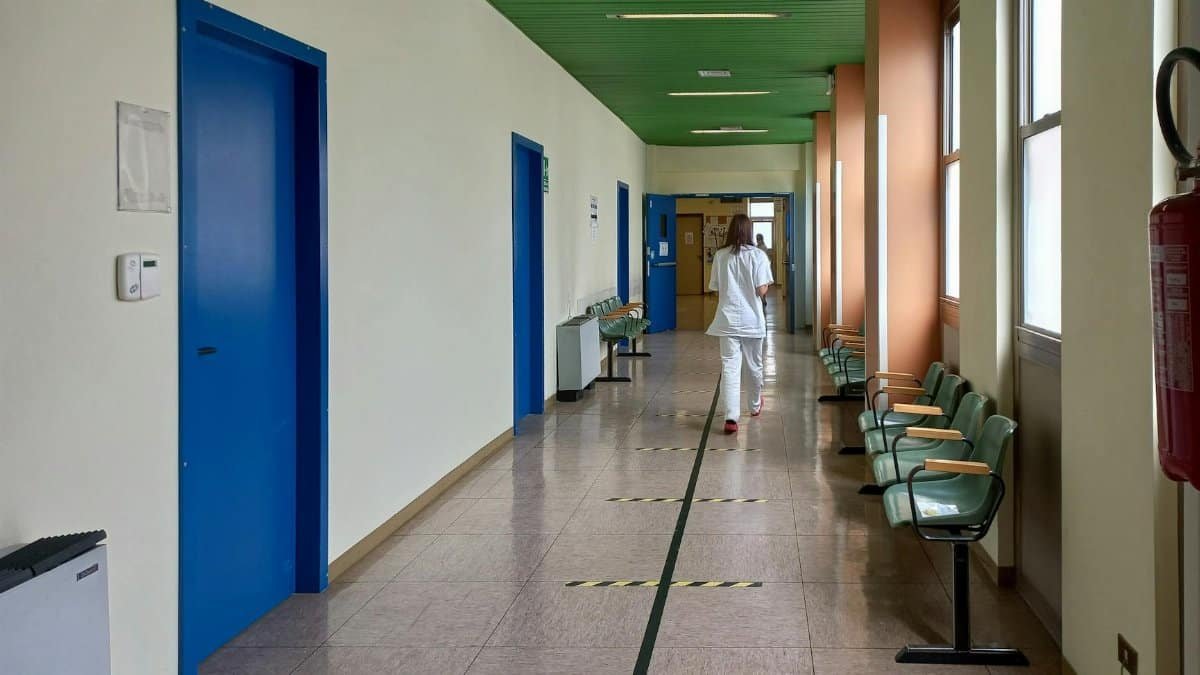
The path forward requires sustained attention and investment. Hospitals must view water safety as equally important as other infection control measures. Technology exists to minimize risks but only if implemented consistently and monitored rigorously.
For the broader public this situation offers an opportunity to appreciate the complex systems supporting modern healthcare while recognizing their limitations. Regular maintenance transparency in reporting and adequate funding for infrastructure upgrades represent essential steps toward preventing future outbreaks.
As Bay Area hospitals work to restore full confidence among patients and staff the experience serves as a powerful reminder that true healing environments must account for both the seen and unseen threats to human health. The lessons learned here may ultimately strengthen protections not just locally but across the country as similar challenges emerge elsewhere.
(Word count: 1,287)