
In a sunlit kitchen in suburban Ohio, a couple in their early fifties sat across from each other, voices tight with years of accumulated hurt. She wanted conversation; he wanted space. Neither could explain why their needs felt so hopelessly at odds. What they did not realize was that the tension stretching between them had roots reaching back hundreds of thousands of years. Insights from evolution relationships show that many conflicts we label as personal shortcomings are actually echoes of ancient survival strategies. The Kinsey Institute’s latest research suggests that by understanding these deep patterns, couples can replace frustration with empathy and build partnerships that feel both secure and alive.
Our Ancestral Blueprint for Lasting Bonds

Human beings spent most of their evolutionary history in small, interdependent bands where survival depended on cooperation and reliable pair bonds. Raising offspring to adulthood required two committed adults, a reality that shaped our neural architecture. The same brain circuits that once helped our ancestors detect threats now fire when a partner seems distant or critical. This is not weakness; it is biology. When we grasp this truth, everyday disagreements stop feeling like personal attacks and start looking like predictable responses to perceived threats to attachment.
The Kinsey Institute’s Latest Window into Empathy

Researchers at the Kinsey Institute have spent the past five years studying how empathy functions in long term partnerships. Their findings reveal that couples who regularly practice what they call “evolutionary perspective taking” show measurable increases in relationship satisfaction. Rather than asking “Why are you acting this way?” partners learn to ask “What survival need from our shared past might this behavior be protecting?” The institute’s work, available at greatergood.berkeley.edu, demonstrates that this shift reduces defensiveness and activates the brain’s caregiving system.
Why Jealousy Refuses to Disappear

Jealousy is often treated as a character flaw, yet it exists because ancestral males who guarded their mates and females who secured reliable providers left more descendants. Modern minds still carry these ancient alarms. The Kinsey team found that acknowledging jealousy’s evolutionary origins rather than shaming it allows couples to address the underlying fear of abandonment. Partners who speak openly about these primal sensitivities report greater trust and fewer explosive arguments.
The Chemistry of Commitment

Oxytocin and vasopressin, often called the “bonding hormones,” evolved to keep parents together long enough to raise helpless infants. Today these same chemicals surge during moments of physical closeness, shared vulnerability, and attentive listening. The institute’s laboratory studies show that even brief daily practices of eye contact and synchronized breathing can elevate oxytocin levels, creating a biological foundation for emotional safety. Middle aged couples, whose lives are often fractured by careers and caregiving, benefit particularly from these micro moments of connection.
When Modern Life Collides with Stone Age Brains

Our skulls still house brains designed for life on the savanna, yet we navigate constant digital comparison, financial stress, and overloaded schedules. This mismatch explains why so many marriages falter not from lack of love but from environments our biology never anticipated. The Kinsey researchers emphasize that successful couples create what they term “evolutionary niches” small protective spaces where ancient needs for safety and belonging can be met despite 21st century pressures.
Learning Presence from Our Evolutionary Past

Early human communities depended on deep attunement to one another’s emotional states. A hunter who could read subtle shifts in his partner’s expression was more likely to maintain the alliance necessary for survival. That capacity for presence still lives inside us. The institute’s empathy training helps couples slow down enough to access it. Participants learn to notice the micro expressions and tone changes they have been ignoring for years. Many describe the experience as coming home to a capacity they had forgotten they possessed.
The Spiritual Dimension of Evolutionary Understanding

Approaching relationships through the lens of evolution relationships does not diminish their mystery; it deepens it. When we see our partner’s vulnerabilities as part of an ancient story of survival, compassion arises more naturally. This perspective aligns with many spiritual traditions that teach seeing the sacred in the ordinary. The Kinsey findings suggest that couples who combine scientific insight with contemplative practices report the strongest sense of meaning in their partnerships.
Practical Strategies That Honor Our Biology
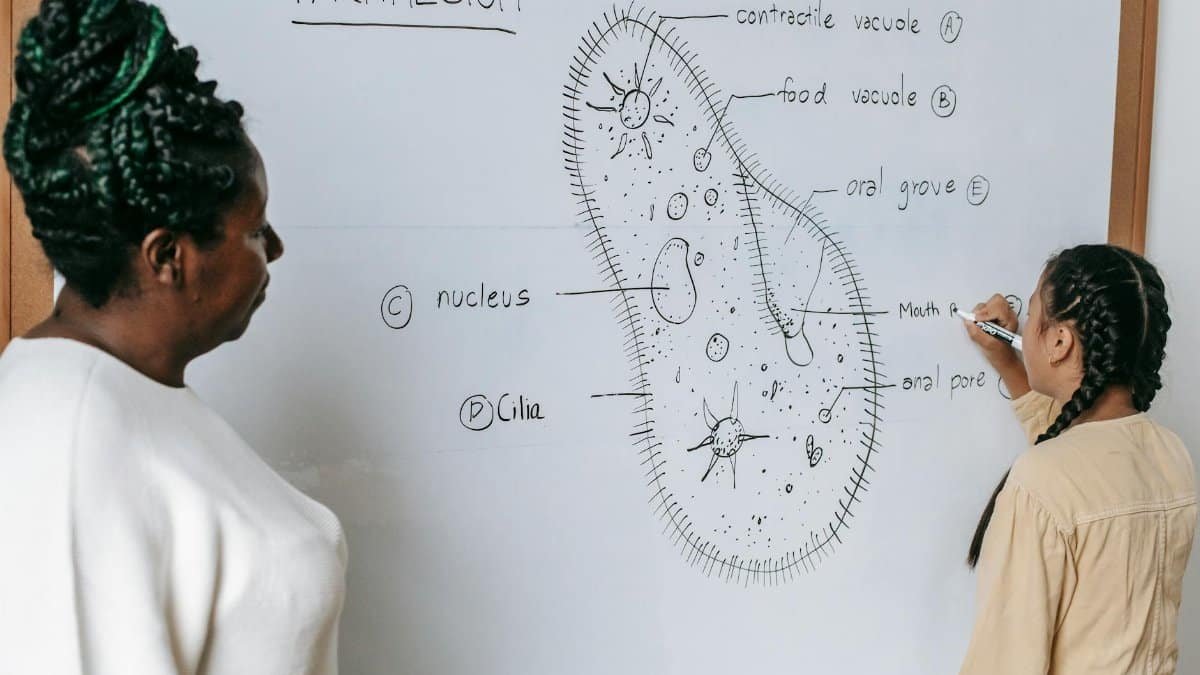
The institute has distilled its research into several concrete practices. One involves taking turns describing a current conflict from an evolutionary viewpoint, which immediately lowers emotional temperature. Another asks partners to identify the specific safety need behind seemingly irrational behavior. A third encourages regular “ancestral check ins” during which couples discuss how their day affected their primitive sense of security. These exercises feel surprisingly natural once couples understand the biological logic behind them.
Stories of Transformation in Midlife

Mark and Linda, both 54, had been circling the same argument about household chores for nearly two decades. After learning about the evolutionary roots of their respective positions, Mark recognized his irritation as a descendant of status anxiety while Linda saw her insistence on fairness as an ancient demand for equitable resource sharing. Understanding these origins allowed them to drop their moral superiority and negotiate from curiosity instead. Their arguments became shorter, their repairs faster, and their affection more spontaneous.
Raising Children with Evolutionary Awareness
Parents who grasp these principles often find them useful beyond their marriages. Explaining to teenagers that certain emotional storms are rooted in biology rather than personal failure can reduce family conflict dramatically. The Kinsey team has begun pilot programs in which entire households learn basic evolutionary psychology together, reporting stronger connections across generations.
The Road Ahead for Human Connection

As society becomes more fragmented, the need to understand our evolutionary inheritance grows more urgent. The institute’s work suggests that relationships grounded in biological wisdom and practiced empathy stand the best chance of thriving. These partnerships do not eliminate conflict; they transform it into an opportunity for deeper understanding of both ourselves and the person we have chosen to travel through life beside.
The kitchen table in Ohio is quieter these days. The couple still disagrees, sometimes sharply. Yet the disagreements now feel like part of a larger human story rather than evidence of personal failure. In that shift lies a quiet revolution, one that honors where we came from while pointing toward who we might still become together.