
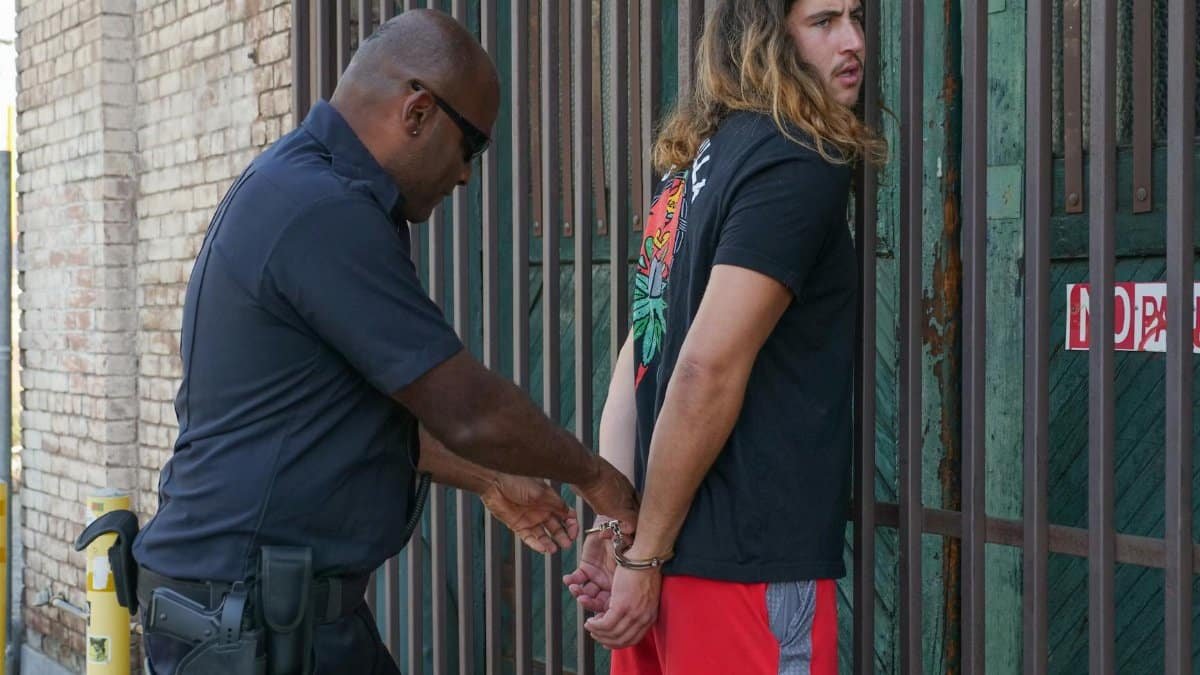
When the El Gamal family first tasted freedom after months inside the Dilley detention center they imagined their long nightmare had ended. Church members in Colorado Springs prepared warm meals and prayed over them with genuine emotion. The parents told their young children they could finally sleep without the constant hum of institutional lights. Yet within days federal agents appeared again at their door. This ICE re-arrest has unsettled not only the family but also faith communities that had rallied behind them. The episode reveals deep contradictions in how the United States balances border security with basic human compassion. Observers across religious traditions now ask whether current policies honor the values of dignity and mercy that many Americans claim to hold sacred.
The El Gamal Family’s Flight From Persecution

The family traces its roots to Egypt where they lived as Coptic Christians facing increasing threats. After targeted violence against their community and repeated harassment they made the painful decision to seek asylum in the United States. Like thousands before them they arrived at the southern border carrying little more than documents and hope. Their story mirrors countless others in which families exchange one form of insecurity for another. Religious leaders familiar with Middle Eastern Christian communities note that many such migrants arrive with deep spiritual wounds that require both legal and pastoral care. The El Gamals spoke quietly about their desire to raise their children in a place where faith did not invite danger.
Life Inside the Dilley Detention Center
Dilley stands as one of the largest family detention facilities in the nation. Families there describe crowded living quarters limited outdoor time and constant uncertainty about their cases. The El Gamals spent several months in this environment where daily routines revolved around scheduled meals legal hearings and occasional visits from advocates. Conditions at the center have drawn criticism from human rights observers who point to documented cases of inadequate medical care and emotional strain on children. Despite these challenges many detainees form informal prayer groups that meet in common areas. The El Gamal parents later recounted how these gatherings became spiritual lifelines that helped them endure the indefinite wait.
Faith as Anchor During Uncertain Months
Throughout their detention the family drew strength from daily scripture reading and prayer. Friends from their Colorado church sent handwritten notes and recorded sermons that were shared during visiting hours. One volunteer coordinator described how such spiritual support often proves more sustaining than material aid alone. Religious communities have increasingly stepped into gaps left by strained government resources offering everything from trauma informed counseling to letter writing campaigns. This pattern reflects a broader trend in which congregations view immigration advocacy as an extension of their core mission to welcome the stranger. The El Gamals credit their faith with preventing despair during the darkest stretches inside Dilley.
A Brief Window of Hope After Release
When officials informed the family they would be released pending further proceedings the news spread quickly through prayer chains across multiple denominations. Supporters in Colorado prepared a modest home stocked with groceries and children’s books. Local pastors organized a welcome gathering that emphasized gratitude and restoration. For a short period the family experienced ordinary pleasures again: cooking familiar meals attending worship services and watching their children play freely. These moments offered a glimpse of the stable life they had risked everything to find. Yet the relief proved fragile as federal authorities reconsidered elements of the case almost immediately after the family returned to Colorado.
The Sudden Reality of ICE Re-arrest

The ICE re-arrest came without significant warning sending ripples of concern through immigrant advocacy networks and houses of worship. Agents arrived at the family’s temporary residence and took them back into custody citing new procedural concerns. The move highlighted how quickly circumstances can shift even after initial release from facilities like Dilley. Family friends described the children’s confusion and the parents’ quiet determination to maintain composure. This development has prompted fresh examination of enforcement priorities at a time when many religious groups have called for greater transparency in decision making. The case now sits at the intersection of policy implementation and human consequences that extend far beyond any single family.
Legal Labyrinths in Asylum Proceedings

Immigration courts face enormous backlogs that can stretch cases across many years. The El Gamals like others must navigate complex asylum rules that require detailed evidence of persecution based on religion or other protected grounds. Attorneys working on such matters often describe the process as both exhausting and unpredictable. Recent policy adjustments have added new layers of review that sometimes result in rearrests even after initial releases. Legal experts note that these shifts reflect changing administrative priorities rather than alterations in underlying law. For families of faith the courtroom battles carry spiritual weight as they weigh questions of justice and providence in real time.
Churches Mobilize in Response
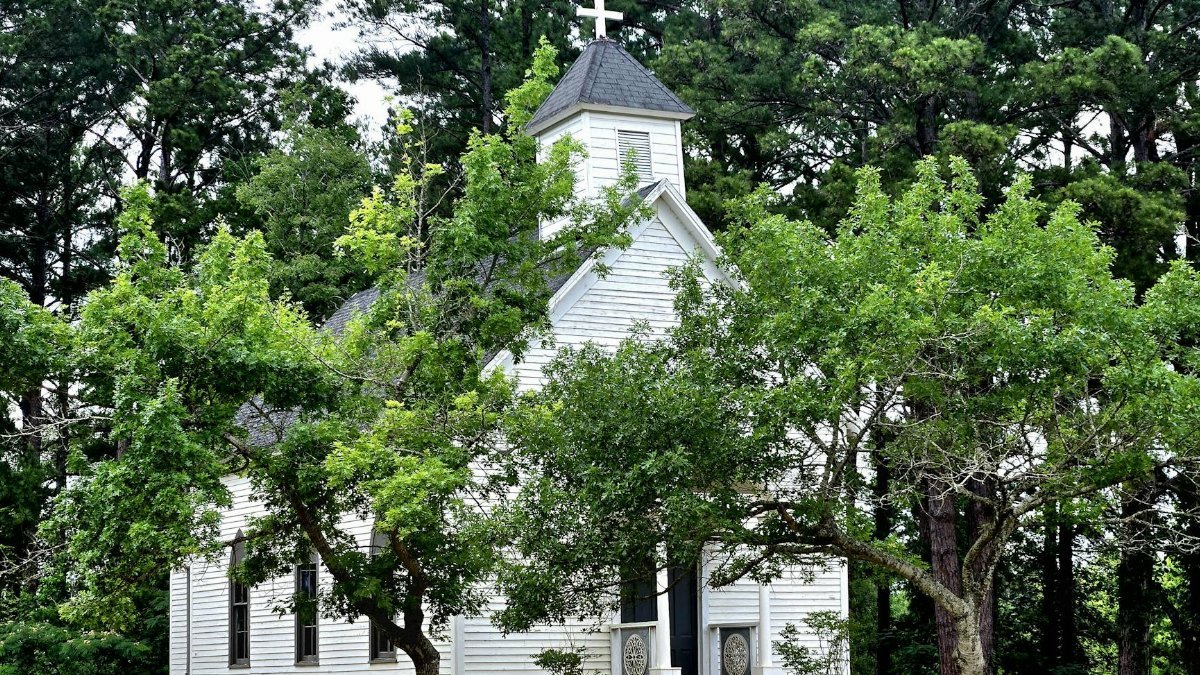
News of the ICE re-arrest prompted swift action from congregations in Colorado and beyond. Prayer vigils formed across several cities while advocacy teams contacted elected officials to request review of the case. Some pastors framed the situation as a test of national character asking what obligations people of faith have toward those fleeing religious persecution. Interfaith coalitions have emerged to provide practical assistance including legal referrals housing support and emotional care for affected children. These efforts echo historical moments when American religious communities responded to earlier waves of refugees. The scale of involvement suggests the El Gamal situation has touched a nerve among believers who see parallels to biblical calls for hospitality.
Spiritual Leaders Speak on Policy and Mercy
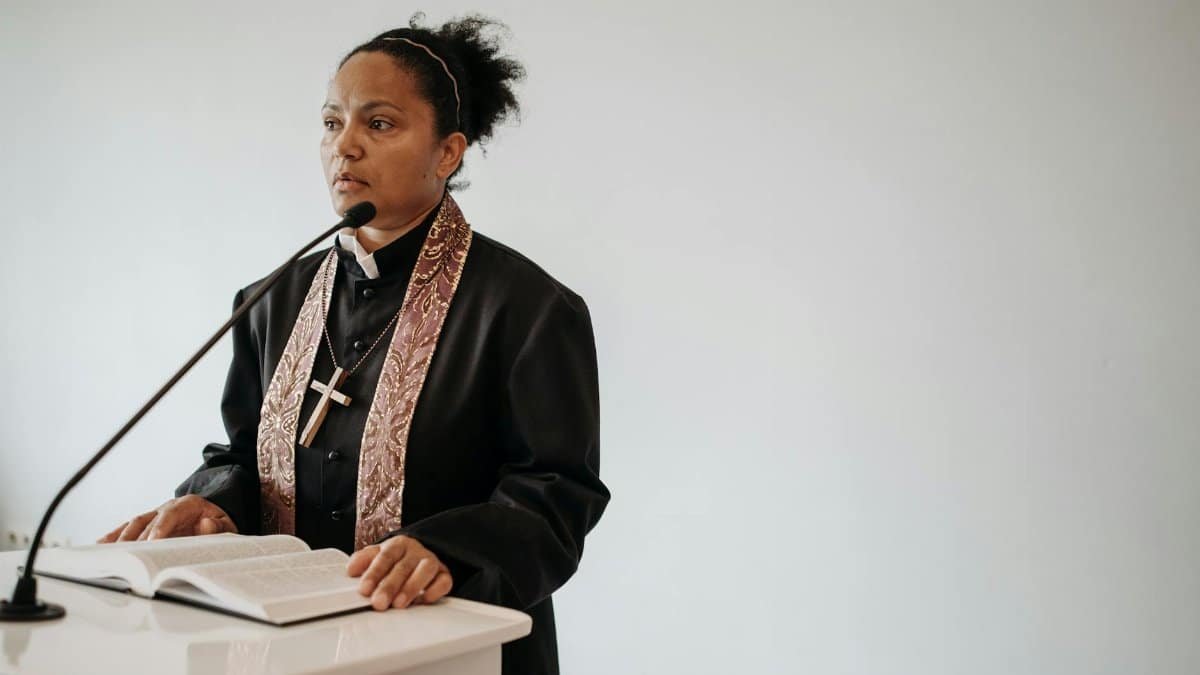
Prominent voices from evangelical Catholic and mainline Protestant traditions have addressed the moral dimensions of cases like this one. Many emphasize the scriptural mandate to protect the vulnerable while acknowledging legitimate concerns about border security. One Denver area minister who knows the family described the situation as a chance to examine whether policies truly reflect American ideals of justice and compassion. denominational statements have urged careful consideration of family unity in enforcement decisions. These perspectives add depth to public debate that often focuses solely on legal or political angles. The spiritual dimension brings questions of human dignity to the forefront.
Patterns in Federal Enforcement Actions
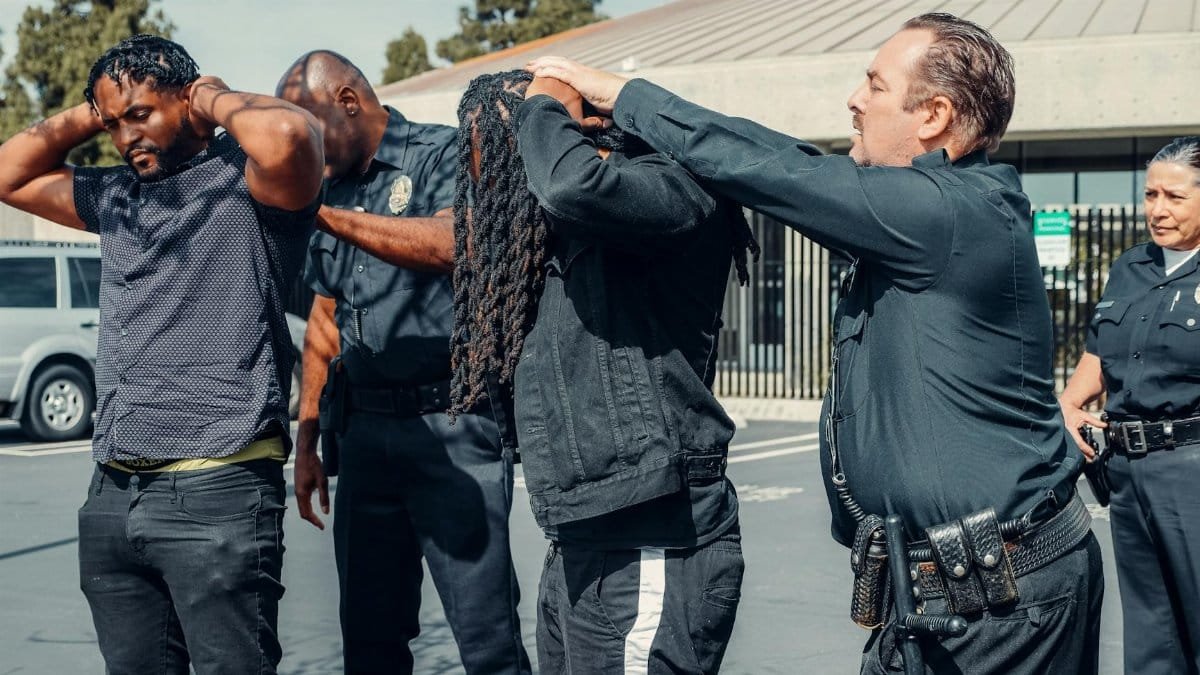
Enforcement practices have varied considerably across different administrations. The re-arrest of previously released families represents one tactic within a broader set of tools used to manage immigration flows. Government data shows fluctuations in detention numbers and removal priorities over time. Observers from various think tanks track these changes noting how they affect real people caught in the system. The El Gamal case has become a visible example that advocates use to illustrate larger trends. Understanding these patterns requires looking past individual stories to examine systemic incentives and constraints that shape decision making at every level.
The Human and Emotional Toll

Beyond statistics lie the lived experiences of children who struggle to understand repeated upheaval. Parents report heightened anxiety sleep disruption and fear of sudden separation. Medical professionals who work with immigrant populations document measurable impacts on mental health that can linger for years. The El Gamals represent one instance within a much larger picture of families navigating fear while trying to maintain hope. Faith communities often become primary sources of stability during these periods offering both practical help and theological frameworks for processing trauma. The spiritual costs may prove as significant as the material ones.
Looking Forward With Cautious Faith
As the El Gamal family continues their legal journey supporters remain engaged through sustained prayer and advocacy. Their experience has sparked conversations in Sunday school classes and community forums about the meaning of welcome in contemporary America. While the immediate outcome remains uncertain the case has already prompted greater awareness of how immigration policies touch the lives of people seeking safety on religious grounds. Many involved express hope that greater understanding might lead to more humane approaches that respect both rule of law and human dignity. The family itself continues to lean on the same faith that carried them through Dilley and the shock of their ICE re-arrest. Their resilience stands as quiet testimony to the power of belief amid circumstances few would choose.
The situation invites reflection on what kind of nation Americans wish to become. Religious communities across the spectrum have shown willingness to engage with complexity rather than retreat into slogans. As this particular case moves through remaining stages it will test whether compassion and order can find meaningful balance. For now the El Gamals and those walking alongside them hold steady in the belief that persistent hope and faithful witness still matter even when systems appear indifferent. Their story adds one more chapter to the ongoing American conversation about identity values and the meaning of home.