

For many middle aged Americans the dream of homeownership has become increasingly elusive. Yet on the North Fork of Long Island a different narrative is unfolding. Residents are discovering the joys of living in compact spaces that foster mindfulness and a closer bond with the natural world. This movement reflects a deeper yearning for simplicity that resonates with spiritual traditions from around the globe. Now the North Fork law could accelerate this trend by providing a regulatory framework that encourages tiny homes. The measure seeks to balance community needs with sustainable innovation in Suffolk County and the wider New York metro region. It arrives as many people search for lifestyles that nourish the spirit as much as they provide shelter.
The Origins of This Forward Thinking Legislation

The North Fork has long attracted those drawn to its open landscapes and slower pace. In recent years however local leaders noticed a surge in interest toward smaller more efficient housing. This interest grew alongside rising awareness of climate impacts and the emotional toll of maintaining large properties. The resulting North Fork law emerged from months of public meetings and collaboration between town officials environmental advocates and residents seeking change.
Planners studied similar efforts in other states where relaxed zoning spurred creative building without disrupting rural character. They aimed to create pathways for accessory structures that could house family members or provide affordable entry points for younger buyers. What sets this effort apart is its quiet acknowledgment of something deeper: the idea that how we shelter ourselves shapes how we relate to the earth and to one another.
Breaking Down the Key Elements of the North Fork Law

At its heart the North Fork law reduces minimum size requirements for certain dwellings and clarifies permitting for homes under five hundred square feet. It includes provisions for eco friendly materials and off grid capabilities that align with conservation goals. Builders must still meet safety standards but gain flexibility in placement on existing lots.
Supporters point out that these changes could ease pressure on the regional housing market while preserving the agricultural heritage that defines the area. Early estimates suggest dozens of new small residences could appear over the next five years if the framework takes hold. The law also encourages designs that incorporate natural light and outdoor living spaces elements long valued in spiritual practices that emphasize presence and gratitude.
Finding Spiritual Freedom in Limited Square Footage

Tiny homes invite a form of voluntary simplicity that many middle aged seekers find liberating. Without room for excess possessions residents often report clearer thinking and stronger connections to daily rhythms. This echoes teachings found across faith traditions that warn against attachment to things.
One practitioner of Zen meditation who settled in a compact cabin near Mattituck described how the pared down environment sharpened her focus during morning practice. The absence of hallways and extra rooms eliminated distractions that once fragmented her attention. For growing numbers of people approaching midlife such spaces become sanctuaries where inner work can flourish away from consumer culture pressures.
The Environmental Dividend of Compact Living
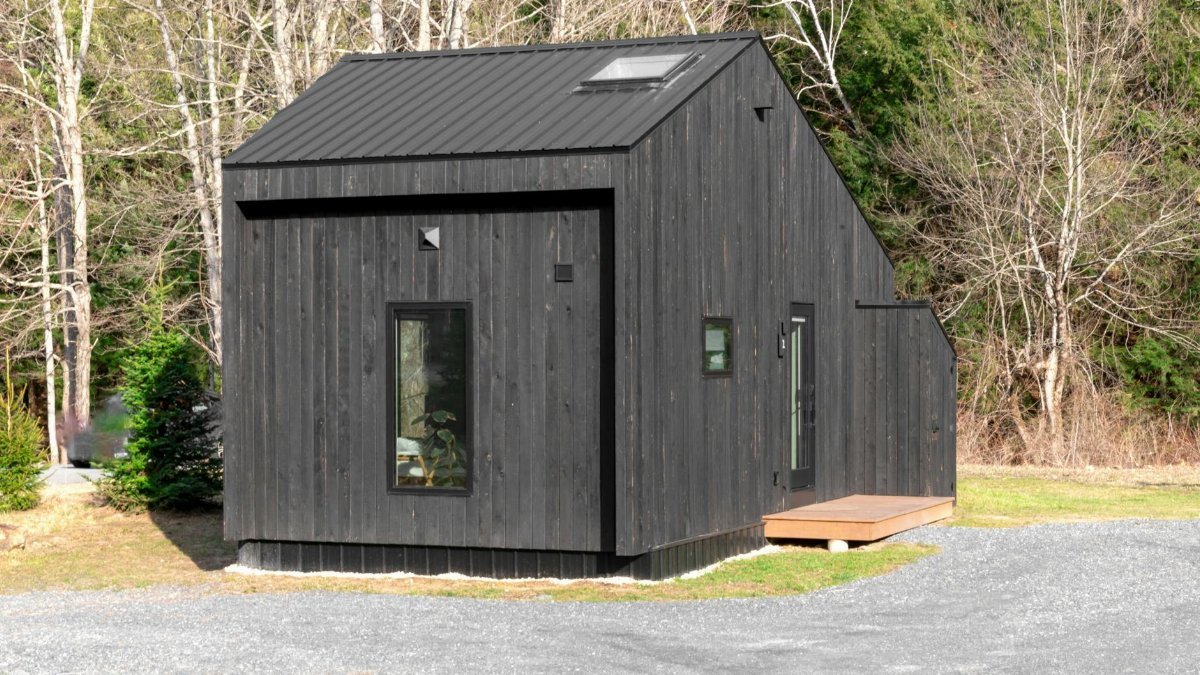
Smaller homes require fewer resources to build and maintain. According to research from Cornell University available at https://sustainablecampus.cornell.edu/tinyhomesstudy those living in dwellings under six hundred square feet typically cut their energy use by nearly half. The North Fork law builds on this reality by favoring solar ready designs and rainwater systems.
These choices carry spiritual weight for many. Caring for creation through reduced consumption mirrors stewardship values held by countless traditions. On the North Fork where farmland and wetlands face development threats every smaller footprint counts. Residents speak of sleeping better knowing their housing choices lighten rather than burden the local ecosystem.
Tackling Affordability Challenges Head On

Housing costs in Suffolk County have climbed steadily making it difficult for working families and retirees to remain in the communities they love. The North Fork law offers one practical response by opening avenues for lower cost construction and multigenerational setups. A retired teacher recently used the new guidelines to create a small residence for her adult daughter on family land avoiding the need for a separate mortgage.
Such arrangements can strengthen family bonds and provide mutual support during life transitions. From a spiritual perspective they restore older patterns of communal living that predate isolated suburban homes. From a practical standpoint they help stabilize neighborhoods by keeping people rooted in place.
Personal Accounts of Renewed Purpose

Those who have already embraced smaller living on the North Fork often describe profound shifts. A former corporate executive who downsized after burnout now spends mornings tending a garden that supplies most of his food. He credits the North Fork law with giving him the legal confidence to pursue this path without endless zoning battles.
Others tell of rediscovered hobbies creative projects and deeper relationships that emerged only after they stopped managing so much square footage. These stories carry a common thread: when physical surroundings grow simpler mental and spiritual space tends to expand. The law appears poised to help more people access this kind of renewal.
Overcoming Resistance From Skeptical Neighbors
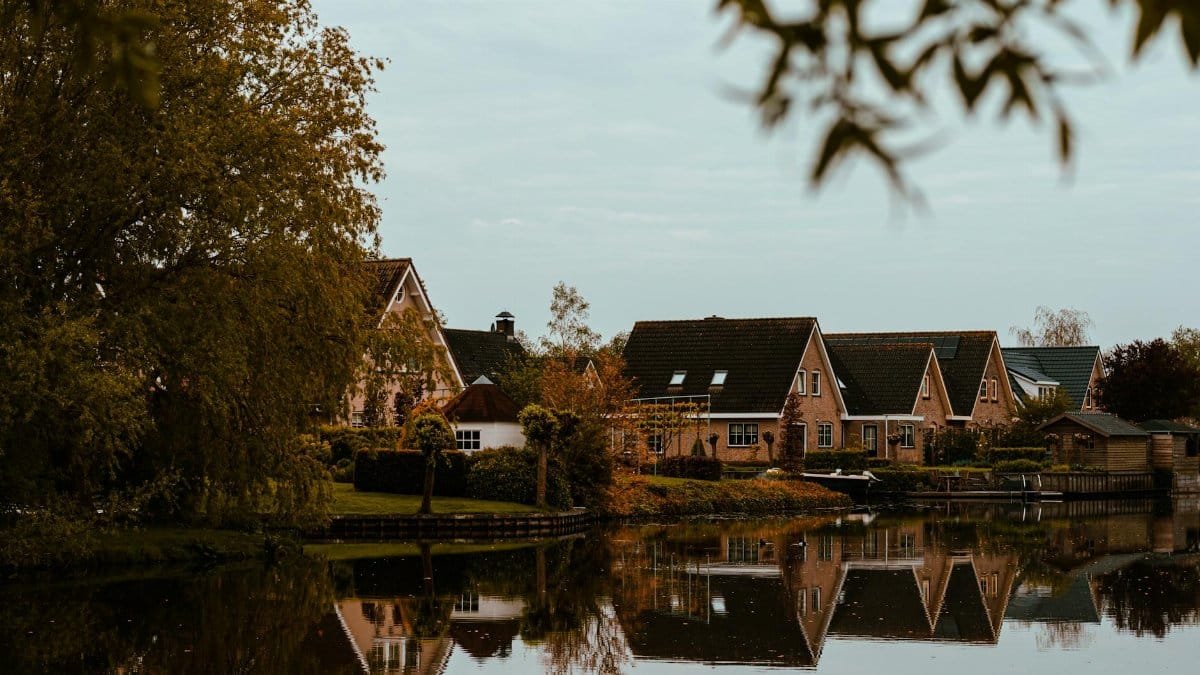
Not everyone welcomes the changes. Some longtime residents worry that increased density could alter the rural feel they cherish or strain local services. Town meetings have featured passionate debates where concerns about property values and aesthetics receive careful attention.
Advocates respond with data and design standards meant to ensure new structures blend harmoniously with existing architecture. They emphasize that well planned tiny home communities can actually enhance rather than detract from neighborhood character. Bridging these perspectives remains an ongoing process yet the dialogue itself holds value as communities wrestle with questions of progress and preservation.
Lessons for Other Communities in the Metro Area

Though crafted for the North Fork the law is drawing attention from planners across the New York metro region. Towns facing similar pressures around housing affordability and sustainable growth see potential in its measured approach. If it succeeds here it could inspire adaptations tailored to more suburban or even urban settings.
The spiritual dimension travels well too. People everywhere are questioning endless accumulation and seeking ways to live with greater intention. This legislation offers a concrete example of how policy can support that inner search by making conscious housing choices more accessible.
Connecting Minimalism With Timeless Spiritual Practices

The current interest in tiny homes connects with ancient wisdom that celebrates restraint. Monastic traditions from Christianity Buddhism and other paths have long demonstrated the clarity that arises from living with less. Modern interpreters simply update these principles for contemporary families.
By reducing the resources required for shelter the North Fork law creates conditions where more people might explore these time tested approaches. Whether through daily gratitude rituals simplified schedules or increased time in nature the benefits extend beyond individual households into stronger more resilient communities.
The Road Ahead for Sustainable Housing Solutions

Implementation of the North Fork law will require careful monitoring and possible adjustments based on early results. Local officials plan to track environmental impacts community feedback and housing outcomes over the coming years. Success could encourage bolder steps toward regenerative building practices that heal rather than consume the land.
For middle aged readers contemplating their own next chapter these developments arrive at an opportune moment. Many find themselves reevaluating priorities after decades of striving and accumulating. The possibility of comfortable modest housing aligned with deeper values may resonate strongly. As the law takes effect it stands as more than a zoning change. It represents an invitation to reconsider what truly constitutes a rich and meaningful life.