
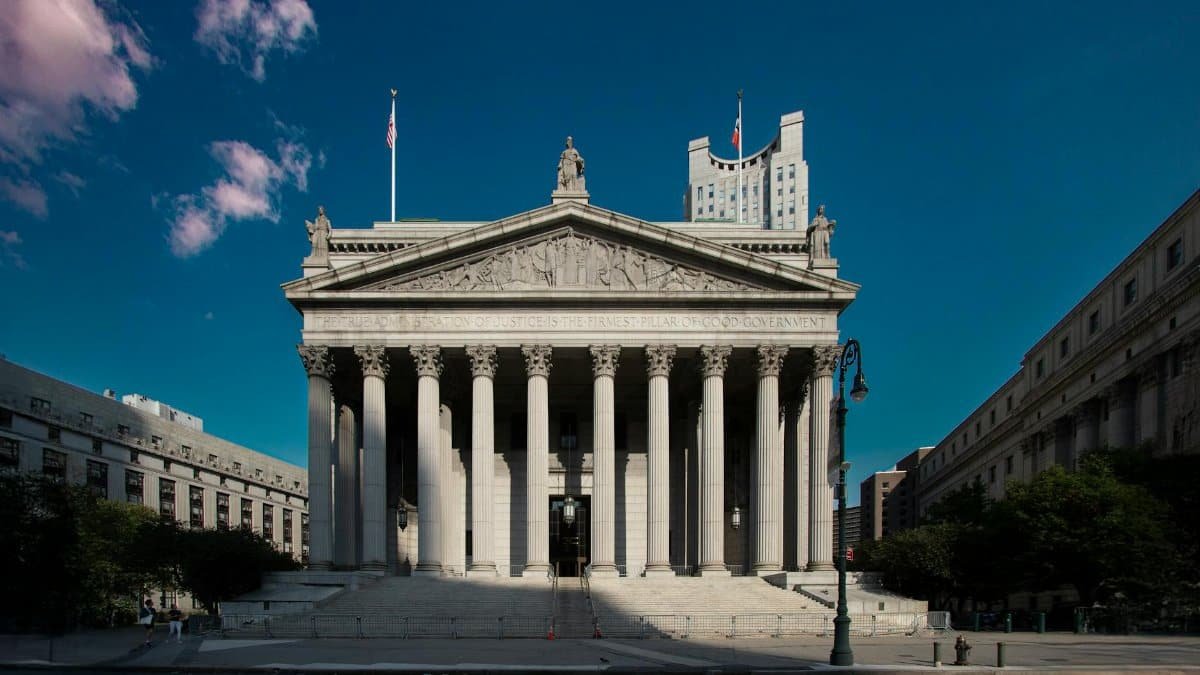
The Supreme Court stands at the center of a dispute that reaches from American farm fields into questions of corporate responsibility and public trust. For years, millions of homeowners and agricultural workers relied on Roundup as a dependable way to control weeds. Now that same product sits at the heart of the Roundup weedkiller case, a legal fight that has grown to encompass more than 160000 claims linking the herbicide to non Hodgkin lymphoma. The justices will hear arguments over whether federal approval of the product shields Bayer from state law lawsuits that demand clearer warnings about potential cancer risks. The decision could reshape how courts balance government regulation against the rights of individuals who believe they were harmed.
The Making of an Everyday Herbicide

Roundup entered the market in 1974 and quickly became a fixture in both commercial farming and suburban lawns. Its active ingredient glyphosate allowed users to kill unwanted plants without tilling the soil. Farmers praised the efficiency it brought to their operations. For decades regulators considered it relatively safe when used as directed. That consensus began to fracture in 2015 when the International Agency for Research on Cancer classified glyphosate as probably carcinogenic to humans. The finding drew immediate attention from scientists and lawyers alike.
Many researchers pushed back arguing that the agency focused on high exposure levels not typical of normal use. Others saw the classification as a long overdue warning about a chemical that had become almost invisible in daily life. The disagreement set the stage for years of courtroom battles that would test the strength of both the science and the legal system.
From Fields to Federal Court
Edwin Hardeman sprayed Roundup on his Sonoma County property for more than two decades. In 2016 he received a diagnosis of non Hodgkin lymphoma. His lawsuit against Monsanto became one of the first to reach trial. A California jury awarded him millions though the amount was later reduced. Similar stories multiplied across the country. Plaintiffs described years of mixing and spraying the product often without protective equipment because labels did not mention cancer risk.
These personal accounts collided with laboratory data and regulatory history. Bayer which purchased Monsanto for 63 billion dollars in 2018 inherited the litigation. The German company has paid more than 10 billion dollars to settle roughly 100000 claims while maintaining that the product is safe. Still more than 50000 cases continue to move through the courts creating pressure that now reaches the Supreme Court.
The Scientific Divide

At the center of every argument lies a molecule that disrupts a biological pathway found in plants but not in humans. Monsanto built its case around that distinction. Yet some studies have suggested possible indirect effects on human cells or interactions with other chemicals. The Environmental Protection Agency has repeatedly concluded that glyphosate is not likely to cause cancer when used according to label directions. The agency approved the current label which contains no mention of cancer.
Plaintiffs point to the International Agency for Research on Cancer finding and several epidemiological studies that observed higher rates of non Hodgkin lymphoma among heavy users. Defense experts counter that those studies contain statistical weaknesses and fail to prove causation. The Supreme Court will not settle the scientific debate. Instead the justices must decide whether that debate belongs in front of juries or whether federal regulators have already spoken with final authority.
A Flood of Lawsuits Tests the System

The sheer volume of claims created unusual procedural challenges. Federal courts consolidated thousands of cases in multidistrict litigation in San Francisco. Early bellwether trials produced mixed results with some juries siding with plaintiffs and others with Bayer. Those outcomes encouraged both sides to negotiate large settlements. Yet many plaintiffs rejected the offers believing their cases deserved individual attention.
Bayer has argued that the continuing litigation creates uncertainty that harms its ability to invest in new agricultural tools. Critics respond that corporations cannot be allowed to settle their way out of accountability when serious health questions remain. The Roundup weedkiller case now before the Supreme Court asks whether federal law preempts the state failure to warn claims that form the backbone of most lawsuits.
What the Justices Will Actually Decide
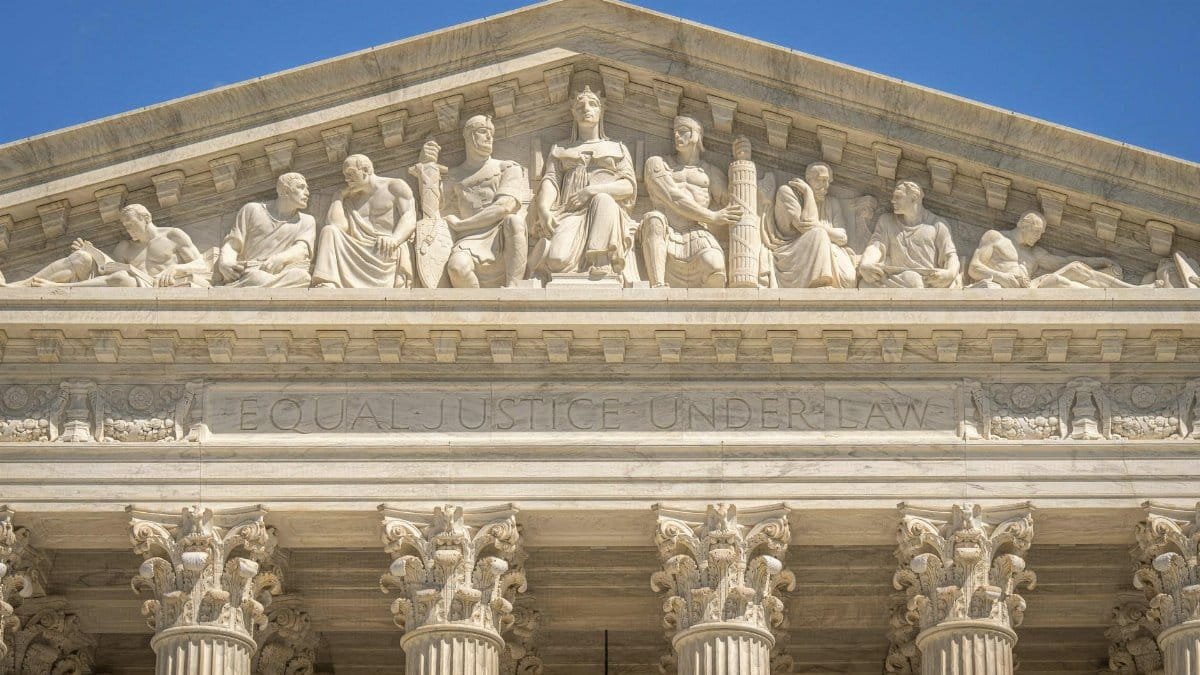
The legal question appears technical but carries enormous practical weight. Bayer contends that because the Environmental Protection Agency approved the label under federal law California and other states cannot require additional cancer warnings. Such warnings they argue would create confusion and expose the company to conflicting obligations. Lawyers for the plaintiffs insist that federal law sets a floor not a ceiling and that states retain power to protect their citizens through tort litigation.
The case carries implications far beyond one herbicide. A ruling for Bayer could limit lawsuits against other products that receive federal approval. A ruling for plaintiffs could open new avenues for individuals to seek remedies when they believe regulators moved too slowly or overlooked emerging evidence. Court watchers expect the arguments to focus on the precise language of federal pesticide law and previous Supreme Court precedents on preemption.
Stories Behind the Statistics

Behind the legal briefs are people whose lives changed after receiving cancer diagnoses. Many describe the physical toll of chemotherapy the emotional strain on families and the financial pressure of mounting medical bills. Some worked as professional landscapers or farm laborers who mixed concentrated Roundup in large quantities day after day. Others simply used the product on weekend gardening projects never imagining serious risk.
These accounts humanize a case that can otherwise seem abstract. They also raise uncomfortable questions about how society evaluates safety when millions of people have already been exposed. For middle aged Americans who grew up trusting familiar household brands the litigation prompts reflection about invisible hazards that may have lingered in garages and sheds for years.
Bayer’s Strategy and the Cost of Resolution
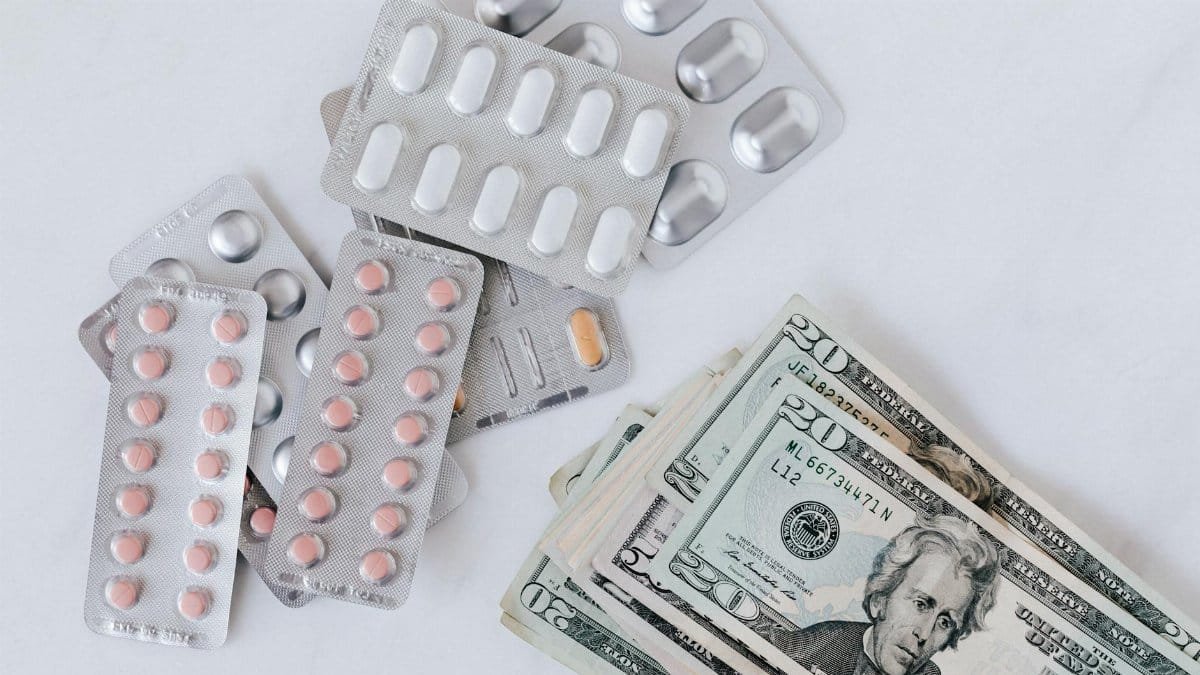
Company officials have described the settlements as a business decision rather than an admission of harm. They point to continuing sales of Roundup in more than 160 countries and note that many respected regulators still approve its use. At the same time Bayer has altered the formula sold to residential customers removing glyphosate in an apparent effort to reduce future liability.
The financial burden has been significant. The company set aside billions specifically for litigation reserves. Investors watch closely because any Supreme Court decision could either cap remaining exposure or expand it dramatically. The chosen legal strategy reflects a calculation that the highest court might provide the clarity that lower courts have not delivered.
Regulatory Tension Between Agencies and Courts
The Environmental Protection Agency maintains that its scientific reviews remain sound. Agency scientists have reviewed more than 2000 studies and consistently found no clear link to cancer at realistic exposure levels. Yet courts have allowed juries to hear different interpretations of the same data. This tension between expert agencies and lay juries sits at the heart of the current appeal.
Observers from both industry and public health groups worry that a poorly crafted ruling could undermine either consumer protection or regulatory certainty. The case therefore carries symbolic importance about who should hold final say when science contains genuine uncertainty.
Ethical Dimensions and Questions of Stewardship

Beyond statutes and scientific studies the Roundup weedkiller case invites reflection on larger responsibilities. Many Americans across spiritual traditions share a sense that human beings should act as careful stewards of creation. When a product used to feed the nation potentially harms those who produce that food difficult moral questions arise. Should profit motives outweigh caution when lives may be at stake? How do communities balance the need for abundant food against possible health costs borne by individual workers?
These concerns do not belong exclusively to any single faith yet they echo teachings about justice care for neighbors and honesty in all dealings. The legal outcome will not answer such questions fully but it will influence the practical framework within which those ethical conversations continue.
Possible Futures for Farmers and Consumers
A decision favoring Bayer could accelerate efforts to find alternative weed control methods. Some farmers already experiment with cover crops mechanical tools and precision spraying to reduce chemical dependence. Others worry that removing Roundup would increase costs and environmental impacts from more intensive tillage.
Consumers meanwhile have grown more attentive to labels and sourcing. Sales of organic products continue to rise partly because of concerns about synthetic herbicides. Whatever the Supreme Court decides the conversation about chemical use in agriculture appears likely to intensify rather than fade.
Why This Case Matters for Everyday Americans
The Roundup weedkiller case ultimately tests confidence in institutions. It asks whether regulatory agencies equipped with vast scientific resources can be trusted to protect public health or whether courts must remain available as a backstop. For millions of middle aged readers who remember when Roundup represented modern farming efficiency the litigation marks a shift in how society evaluates technological promises.
The arguments before the Supreme Court will likely last only a few hours yet their effects could echo for decades. As the justices weigh technical points of law they will also shape the boundary between corporate protection and individual recourse. That boundary in turn helps define the kind of society Americans choose to build one that balances innovation with accountability and progress with protection for the vulnerable.