
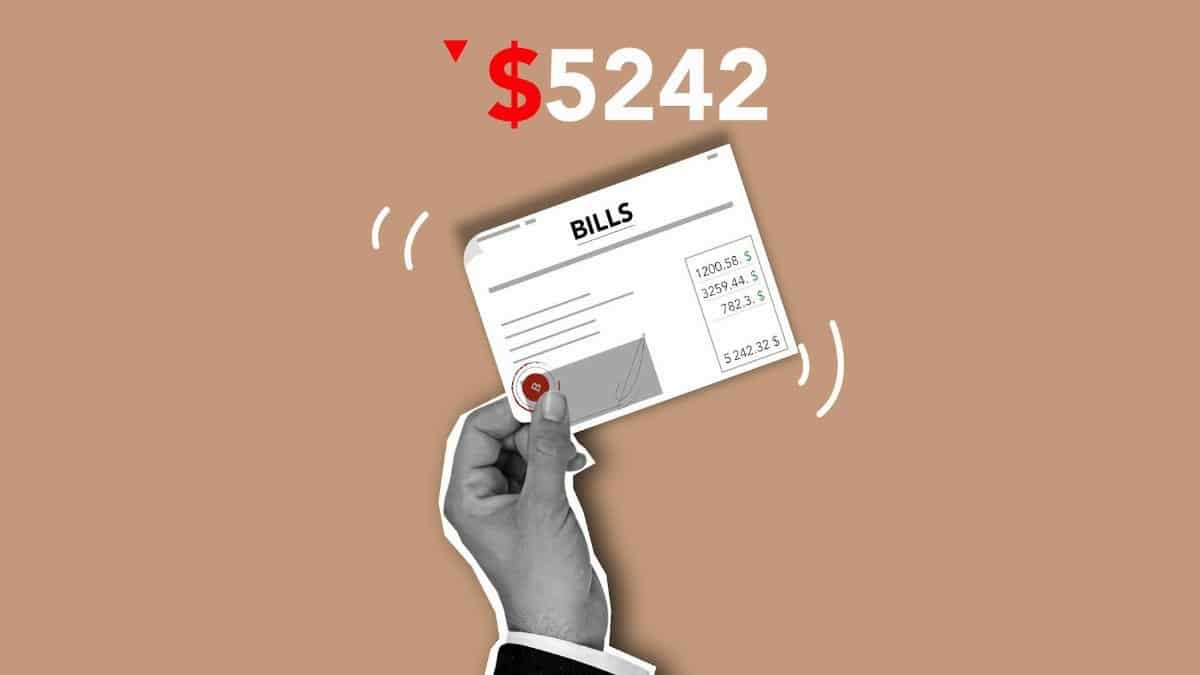
Many households in the Bay Area open their utility bills with a sense of apprehension these days. After years of fluctuating energy prices and various forms of state assistance a new reality is setting in. The amount of money allocated for rebates on gas and electric bills has been reduced substantially. This means PG&E customers will see less credit applied to their accounts this year. According to reports the total decrease amounts to 93 million dollars compared to previous years. This shift is the result of modifications to state energy cost relief programs. For middle aged families already juggling multiple financial pressures the news adds another layer of concern. It prompts questions about how such changes will affect daily life and longterm budgeting strategies. While the state aims to balance its budget the immediate impact lands squarely on residents who depend on these supports to keep their homes comfortable and their families secure.
A Closer Look At The Numbers

The scale of the reduction reveals its reach. Distributed among the more than five million PG&E customers in Northern and Central California the average credit drop ranges between 30 and 60 dollars annually for those enrolled in assistance programs. Certain monthly credits have been trimmed by up to 20 percent while others appear less frequently on statements. The California Public Utilities Commission approved these adjustments after reviewing available funds from cap and trade revenues and general budget allocations.
One program seeing notable change is the climate credit intended to return pollution fighting fees to ratepayers. Its value has declined amid higher overall energy generation costs and infrastructure investments. Consumer advocates point out that even small monthly reductions accumulate into meaningful shortfalls for families operating with tight margins. Data from the state energy commission shows that electricity rates have climbed nearly 15 percent over the past two years making the timing of these cuts particularly challenging.
Tracing The Policy Changes

Officials explain the rebate shrinkage as part of larger recalibrations within California energy policy. Pandemic era emergency funds have ended and lawmakers have redirected some revenue toward wildfire prevention and grid modernization projects. The original source of this reporting from SFGate details how the combined gas and electric credits pool contracted as lawmakers addressed a statewide budget deficit. These decisions emerge from complex negotiations where no single priority can be fully satisfied.
Supporters of the changes argue that focusing on longterm infrastructure will eventually lower costs for everyone. Critics counter that the immediate burden falls disproportionately on those least able to absorb it. This tension reflects ongoing debates about how best to transition the state toward cleaner energy sources without leaving vulnerable residents behind.
Impact On Low Income Families
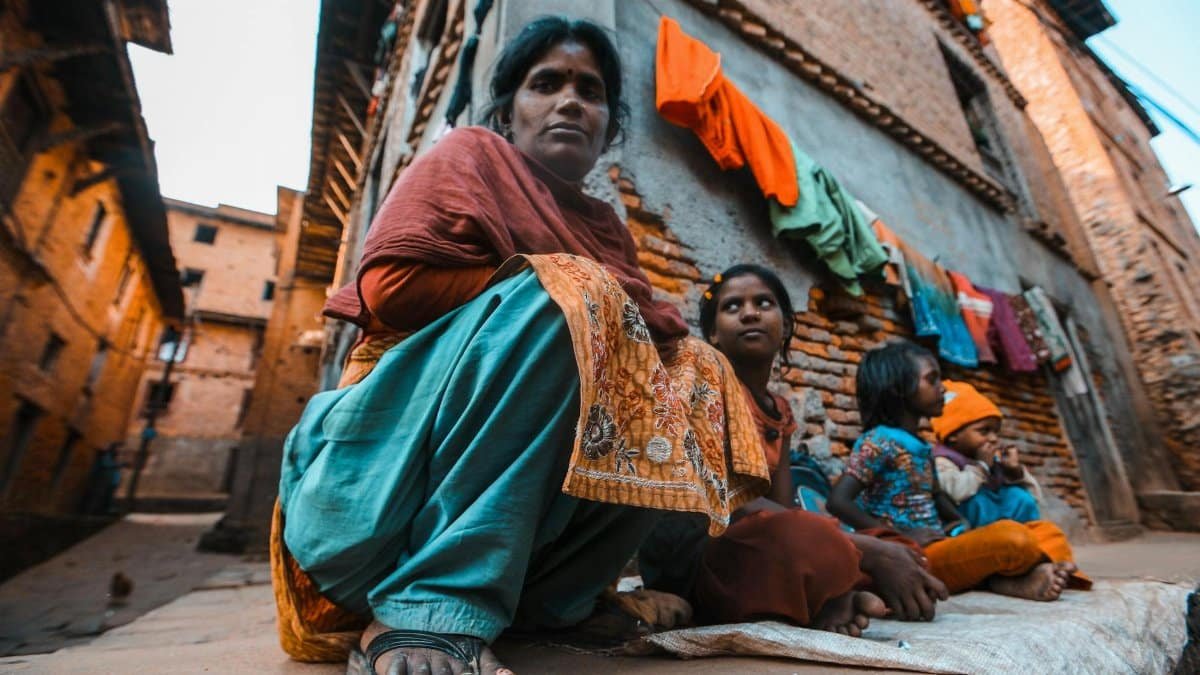
Low income households face the sharpest effects. Many already allocate a disproportionate share of their earnings toward utilities. A retired teacher in Oakland described reviewing her bill and realizing the credit covered 40 dollars less than the previous year forcing her to reconsider other essentials. Similar accounts surface across suburbs and rural communities served by the utility.
Advocacy groups report increased calls to helplines as customers seek ways to avoid service shutoffs. Fixed income seniors and young families with children appear most at risk. When basic needs like heating in winter or cooling during heat waves become harder to afford the consequences extend beyond finances into health and wellbeing.
Stories From PG&E Customers

PG&E customers across the region express a mixture of resignation and resolve. In Fresno a single mother of two noted that her monthly credit had helped stabilize her budget after her hours at a local clinic were reduced. Now she finds herself choosing between groceries and keeping the lights on longer in the evening. Further north in the Bay Area a small business owner watched his restaurant utility costs rise while the rebate portion shrank leaving him to absorb several hundred dollars in additional expenses each quarter.
These personal experiences illustrate a broader pattern. Community meetings have drawn record attendance as residents press utility representatives for explanations and possible remedies. The conversations often turn to feelings of powerlessness in the face of decisions made far from the neighborhoods bearing the costs.
State Officials Respond To Concerns

Representatives from the governors office and regulatory agencies emphasize that the reductions do not reflect indifference. They point to expanded outreach for energy efficiency upgrades and new funding for weatherization programs as offsetting measures. A spokesperson for the utilities commission stated that the goal remains protecting affordability while meeting aggressive climate targets. Links to detailed policy documents can be found at cpuc.ca.gov.
Yet trust remains fragile. Past controversies involving the utility have left many PG&E customers skeptical that their concerns receive adequate weight. Officials have scheduled additional public comment sessions in coming months hoping to gather input that might shape future adjustments.
Practical Steps For Energy Savings

Conservation offers one path forward. Simple actions such as sealing drafts upgrading to LED lighting and adjusting thermostats by a few degrees can produce noticeable savings. The utility provides free home energy audits though wait times have lengthened as demand grows. Rebates for efficient appliances remain available even as the monthly bill credits diminish.
Behavioral changes matter too. Running full loads in dishwashers and washing machines shifting usage away from peak evening hours and unplugging electronics when not in use all contribute. Local libraries and community centers now host workshops on these topics drawing participants seeking both financial relief and a sense of control.
The Spiritual Dimension Of Resource Conservation
Beyond dollars and cents some residents approach these challenges through a spiritual lens. Across faith communities and mindfulness circles energy conservation is increasingly framed as an act of stewardship and gratitude for the natural world. Trends in simple living have gained renewed interest as families reassess what truly matters. For many the act of reducing consumption becomes a form of prayer or meditation a daily practice that aligns personal values with planetary needs.
Ministers and spiritual leaders in the Bay Area report growing attendance at discussions linking ecological responsibility with inner peace. One pastor described utility bills as modern teachers reminding us of interdependence. This perspective does not erase financial hardship but it offers a framework for finding meaning and community amid constraint. Yoga studios and meditation centers have begun incorporating workshops on sustainable living as extensions of their teachings on mindfulness.
Community Efforts To Provide Support

Local organizations have stepped in where state programs fall short. Food banks now distribute information on utility assistance alongside groceries. Churches and temples run modest funds to help members avoid shutoffs. In some neighborhoods informal support networks have formed allowing neighbors to share resources and advice.
These efforts reflect a deeply American tradition of mutual aid. They also highlight gaps in the larger system. While welcome they cannot fully replace structured rebates and credits designed to reach every eligible household systematically.
What Lies Ahead For Energy Policy
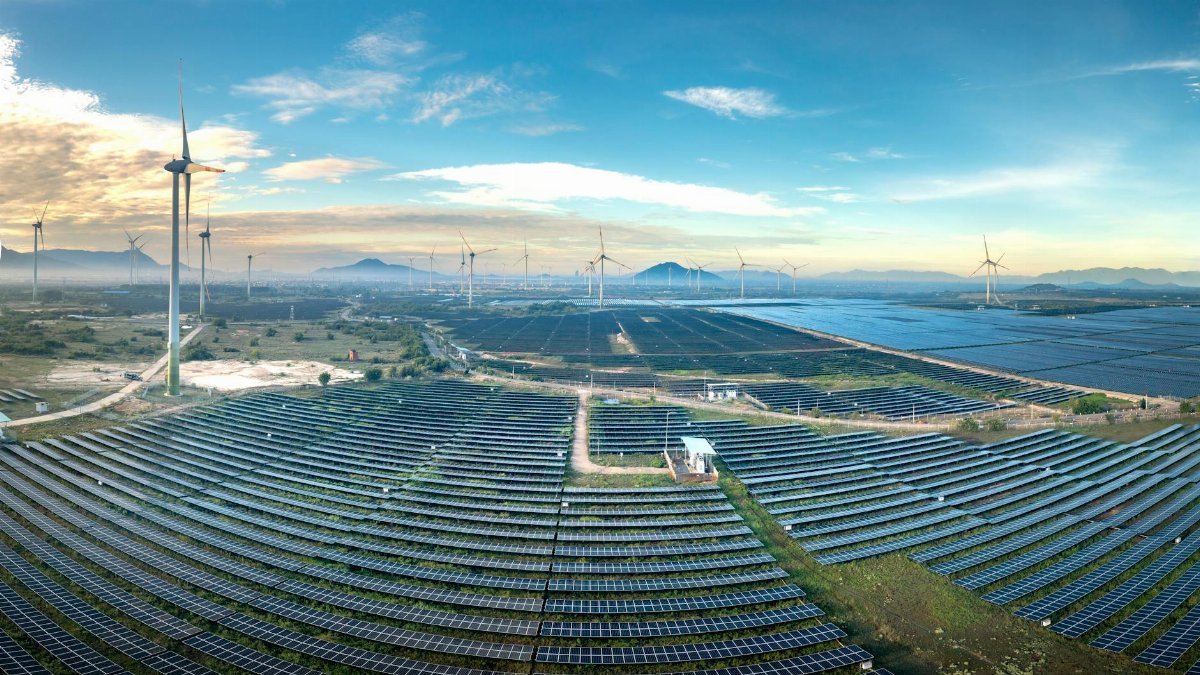
The coming year may bring further adjustments as California continues its ambitious transition to renewable sources. Technological advances in battery storage and solar adoption could eventually ease pressure on the grid and lower costs. Yet the path forward requires careful attention to equity.
Advocates urge lawmakers to explore more progressive funding mechanisms that shield the most vulnerable while maintaining momentum toward clean energy goals. For PG&E customers the hope is that future policies will balance fiscal realities with compassion. In the meantime families continue adapting finding creativity and resilience in unexpected places. The situation invites all of us to consider the true cost of energy and the values we choose to prioritize in its distribution.