
In communities from coast to coast Americans are engaging in quiet reflection about the role of natural substances in their search for peace and understanding. The White House is pushing for an imminent easing of controls on marijuana a development that promises to influence both legal frameworks and personal spiritual journeys. This potential shift arrives as many in middle age reconsider the strict prohibitions of their youth. It raises important questions about freedom personal responsibility and the pursuit of higher states of awareness. While some celebrate the news as a step toward greater acceptance of diverse paths to enlightenment others urge a cautious and deliberate progress to protect those who might be vulnerable. The discussion brings together voices from the worlds of medicine religion science and public policy creating a rich tapestry that reflects the complexity of life in contemporary America. These conversations often take place in living rooms and community centers where personal experience meets broader societal trends.
The Spiritual Significance Of The Plant

Cannabis has held a sacred place in numerous spiritual traditions for millennia. Ancient texts from India describe it as a sacred herb capable of bringing users closer to the divine. In Rastafarian practice it is known as the wisdom weed and is used to facilitate deep meditation and connection with the creator. Similarly in parts of Africa and the Caribbean the plant features prominently in religious ceremonies designed to induce visions and foster community bonds. As federal authorities consider relaxing their stance many spiritual seekers hope for an environment where they can explore these uses without fear of legal repercussions. This connection to the sacred is not merely historical. Contemporary practitioners from various backgrounds report profound experiences of unity and insight during guided sessions with the plant. These accounts suggest that when used with clear intention and respect cannabis can serve as a valuable catalyst for spiritual growth and self discovery rather than a mere form of recreation or escape from daily pressures. Such perspectives invite middle aged readers to consider how ancient wisdom might inform modern quests for meaning amid the stresses of work family and aging.
Policy Developments In The Capital

The current administration has taken concrete steps toward an easing of controls on marijuana by proposing a reclassification that acknowledges its therapeutic potential. This move if finalized would mark a departure from decades of strict prohibition at the federal level. It aligns with trends in public opinion which has grown increasingly supportive of reform in recent years. Supporters argue that the change would allow for more comprehensive research and better systems of regulation that prioritize safety. At the same time it could ease the burden on the criminal justice system which has disproportionately affected communities of color for many years. For middle aged readers who remember the antidrug campaigns of the past this evolution represents a remarkable turn in societal attitudes toward a substance once demonized in popular culture. The implications extend into the spiritual realm where legal barriers have long hindered open practice and honest conversation within faith communities. Observers note that the proposal reflects a broader cultural reckoning with how we define healing consciousness and acceptable paths to transcendence.
Research Exploring Cannabis And Consciousness
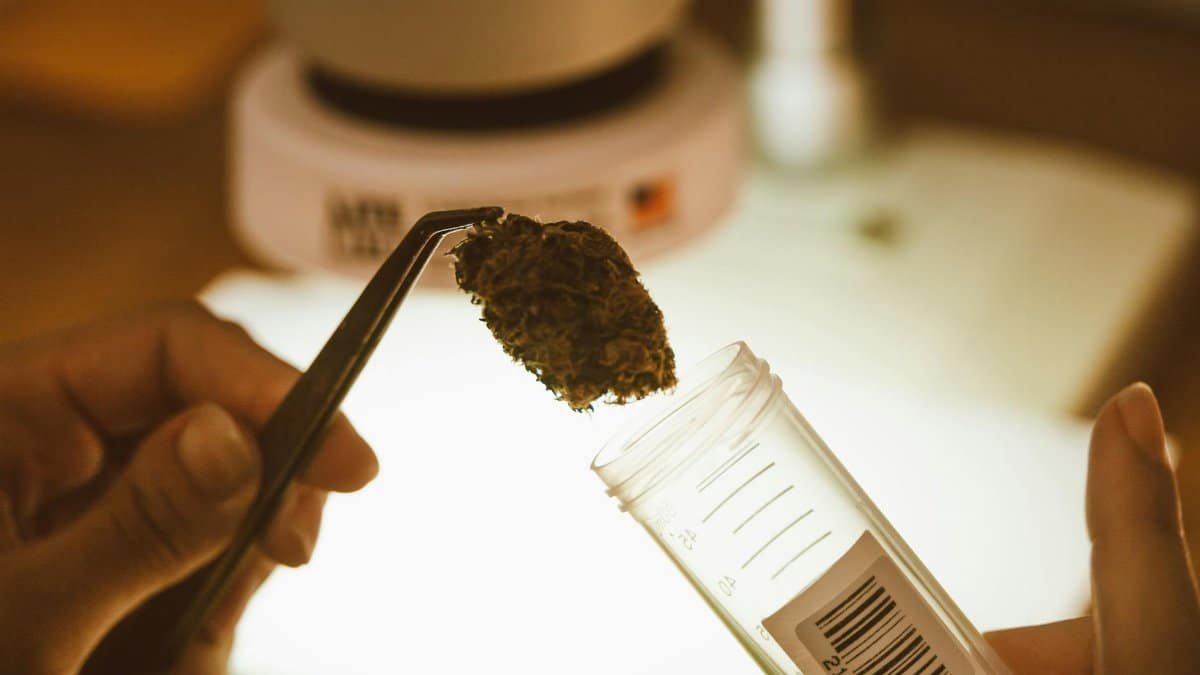
Modern science is beginning to catch up with ancient wisdom regarding the plants effects on the human mind. Studies indicate that certain compounds in cannabis can alter perception in ways that mirror deep meditative states achieved through traditional means. A 2021 study published by researchers at Johns Hopkins University suggests important overlaps between experiences induced by various substances and those reported in mindfulness and contemplative practices. More information can be found in studies indexed at https://pubmed.ncbi.nlm.nih.gov/34757725/. Participants in these studies often describe feelings of interconnectedness time distortion and ego dissolution experiences that align closely with descriptions of spiritual awakening found in religious literature across cultures. This growing body of work provides a foundation for integrating the plant into holistic approaches to mental emotional and spiritual health. It calls for continued investigation with rigorous methods to fully understand both the benefits and the risks involved. For an audience navigating midlife questions of purpose these findings offer a bridge between empirical evidence and the inner experiences many have kept private for years.
Voices From Religious Leaders
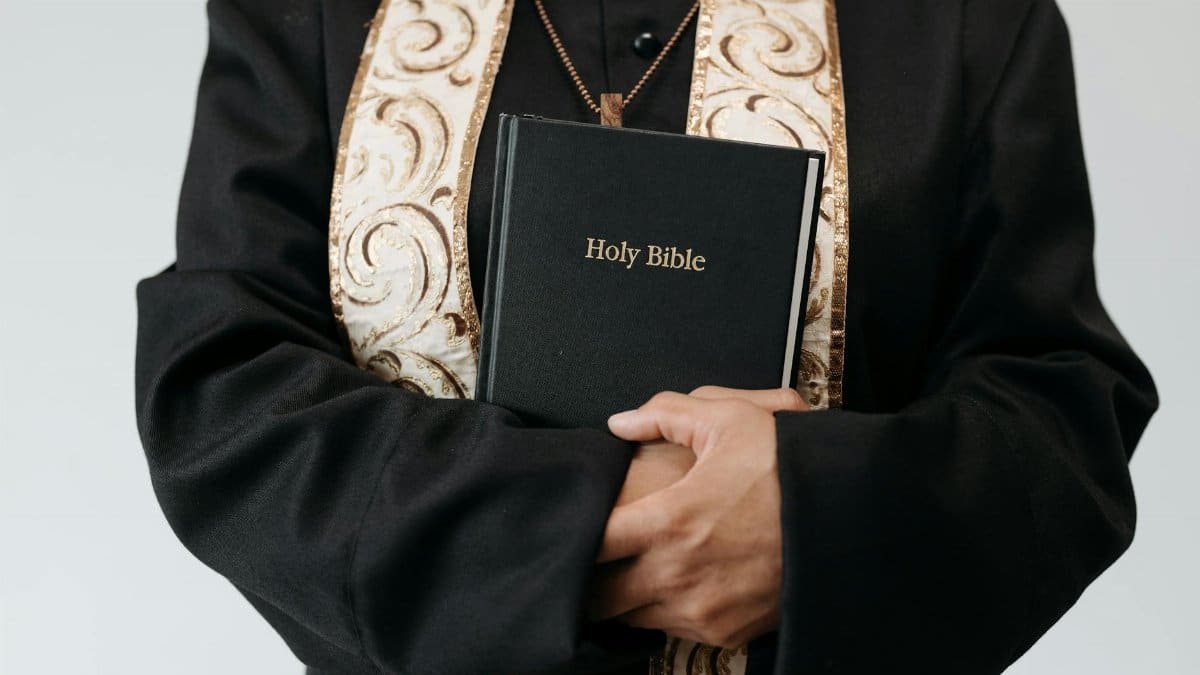
Opinions among faith leaders vary widely. Some Christian denominations remain wary viewing any mind altering substance as contrary to scripture. Others particularly those in more progressive circles see potential for cannabis to aid in pastoral care and personal devotion. Buddhist and Hindu influenced groups have been more welcoming drawing on their own historical precedents. As controls on marijuana loosen these voices will play a crucial role in shaping responsible use within their congregations. Interfaith dialogues on the topic are increasing offering a space for nuanced exchange rather than polarized debate. Many spiritual directors emphasize preparation respect and community support as essential elements for anyone choosing to incorporate the plant into their practice. These conversations reflect a maturing American spirituality that seeks to integrate rather than reject the physical body and its capacities for expanded awareness.
Personal Accounts Of Healing And Insight

Many individuals in their forties and fifties recount how cannabis helped them navigate life transitions such as career changes or loss of loved ones. These stories often emphasize the plants capacity to quiet the mind and open the heart to deeper truths. One California resident described a profound sense of peace during a period of grief attributing it to mindful cannabis use within a supportive spiritual group. Another teacher from Oregon spoke of renewed creativity and compassion after years of emotional numbness. Such testimonies though anecdotal add human depth to the policy discussions. They remind us that behind the statistics are real people seeking comfort and meaning in ways that resonate with their individual beliefs. These narratives frequently highlight themes of forgiveness presence and connection themes that resonate strongly with readers who have witnessed the limitations of conventional approaches to mental health.
Potential Pitfalls And Concerns

Despite the promise there are valid reasons for caution. Increased availability could lead to misuse particularly among those predisposed to dependency. Mental health professionals emphasize the importance of set and setting when using any psychoactive substance. For spiritual practitioners the risk of attachment or using the plant as a crutch rather than a tool is a frequent topic of discussion. Education will be essential to ensure that easing federal restrictions does not inadvertently create new societal problems. A balanced approach that respects both liberty and wisdom seems the most prudent path forward. Community leaders stress the need for age appropriate guidance and ongoing research into long term effects. Middle aged Americans who have seen fashions in substance use come and go bring valuable perspective to these cautions urging neither blind enthusiasm nor reflexive fear.
Economic Opportunities In The Spiritual Sector

The cannabis industry has already given rise to businesses that blend commerce with spirituality. From wellness retreats that incorporate the plant to artisanal products designed for ceremonial use the market is expanding. Should federal controls ease further this sector could experience significant growth. Entrepreneurs are positioning themselves at the intersection of profit and purpose creating spaces where consumers can explore cannabis in a respectful mindful manner. This development mirrors broader trends toward holistic health and conscious living that appeal to many middle aged consumers disillusioned with conventional medicine and relentless materialism. Yet success in this realm will depend on maintaining integrity and avoiding the pitfalls of hype or exploitation. Thoughtful operators understand that spiritual credibility cannot be manufactured it must be earned through transparency and genuine care for those they serve.
Lessons From States That Have Led The Way

Several states have operated their own cannabis programs for years providing valuable data on outcomes. In places like Colorado and Oregon legalization has brought tax revenue and reduced black market activity though challenges with youth access persist. From a spiritual perspective these experiments have allowed churches and retreat centers to operate more openly. Observations from these locales suggest that cultural norms adapt over time with responsible use becoming more common as stigma fades. Policymakers in Washington would do well to study these examples before implementing nationwide changes. The data reveals both encouraging patterns of integration and areas where more support for education and mental health services is needed. These real world laboratories offer practical insights that can inform a federal approach grounded in evidence rather than ideology.
Global Views On Similar Reforms

Around the world countries are adopting diverse approaches to cannabis regulation. Canada has fully legalized it while nations in Europe are experimenting with decriminalization. In traditional societies from Jamaica to India cultural acceptance of the plants spiritual uses influences policy. These international examples offer a broader perspective for American leaders. They illustrate that societal integration of cannabis is possible without widespread chaos when paired with thoughtful regulation and public education. The United States can learn from both successes and missteps abroad as it charts its own course. This global context enriches the domestic conversation reminding us that the quest for spiritual understanding transcends national borders and political parties.
Envisioning A More Enlightened Approach
Looking ahead the easing of controls on marijuana could pave the way for a society that treats spiritual exploration with greater respect and less judgment. This does not mean unrestricted access but rather a framework that encourages informed conscious engagement. For many readers this news prompts introspection about their own views on altered states and the boundaries of acceptable experience. As the policy conversation unfolds it will be important to keep the focus on human flourishing in all its dimensions physical emotional and spiritual. The coming years will test our collective ability to balance innovation with tradition in the service of a wiser more compassionate nation. Ultimately the value of this shift will be measured not in economic statistics or political victories but in the quality of lives transformed and the depth of understanding achieved by those who walk the path with care and reverence.