
In the lively neighborhoods of South Florida a noticeable change is underway. Where once cocktails reigned at social gatherings now many choose options without alcohol. From Miami to Palm Beach residents are drinking less alcohol for a variety of reasons. Some cite the desire for better sleep and sharper focus while others point to rising prices at bars and stores. This shift aligns with national patterns but feels particularly pronounced in a region known for its vibrant party scene and sunny beaches. Health enthusiasts and spiritual seekers alike are embracing clearer minds and more authentic connections. Local yoga studios report increased attendance at evening classes that used to compete with happy hour. As more individuals seek balance in their lives this trend toward moderation opens new doors for personal reflection and community building.
Wellness Culture Gains Ground In The Sunshine State

South Florida has become a hub for those pursuing holistic approaches to living. With its sunshine all year and abundance of outdoor activities the region attracts people eager to optimize their physical and mental states. Drinking less alcohol fits neatly into this pursuit. Many residents now prioritize early morning runs along the beach or sunset meditation sessions over indulgences that run late. This focus on wellness often includes attention to nutrition sleep and stress reduction all of which can be hindered by regular alcohol use.
Experts suggest that the rise of fitness trackers has made people more aware of how alcohol affects their recovery scores and overall vitality. One study from a prominent university found that participants who reduced their intake reported significant improvements in energy levels within just a few weeks. For more on this research visit this link to JAMA Network research on alcohol consumption.
In places like Boca Raton and Fort Lauderdale wellness retreats have begun incorporating discussions about mindful consumption as part of their programs. Participants share stories of how stepping away from alcohol allowed them to engage more fully with spiritual practices such as guided visualization and gratitude exercises.
The Spiritual Awakening Behind Moderation
For many in South Florida the decision to drink less alcohol carries a spiritual dimension. In a region home to diverse faith communities and new age thought leaders sobriety is increasingly viewed as a path to higher consciousness. Without the fog of even moderate drinking individuals report deeper meditation experiences and a stronger sense of connection to something greater than themselves.
Churches and synagogues in the area have noticed more conversations around addiction and recovery framed in terms of spiritual liberation. Programs centered on mindfulness that originated in Buddhist traditions have gained popularity among those looking to quiet their minds. One prominent local teacher notes that alcohol can dull intuition making it harder to hear that inner voice so many seek to cultivate.
This spiritual news reflects a broader trend where personal transformation takes center stage. People are trading bar stools for meditation cushions and finding fulfillment in sobriety circles that blend support with enlightenment practices.
Economic Pressures Prompt A Rethink

The high cost of living in South Florida cannot be overlooked as a factor in changing habits. With inflation affecting everything from rent to restaurant tabs many residents find that premium cocktails simply do not fit within tightened budgets. A single margarita can cost fourteen dollars or more in trendy Miami spots prompting some to question whether the expense matches the value.
This economic reality has led to more nights spent at home with creative recipes free of alcohol or simply a good book. Grocery stores report strong sales in sparkling juices and fancy tonic waters as shoppers seek affordable alternatives for entertaining. Financial advisors in the region even recommend tracking alcohol expenses as a way to find extra savings each month.
For families and young professionals these monetary considerations often combine with health goals to accelerate the move toward drinking less alcohol.
Restaurants And Bars Adapt To New Demands
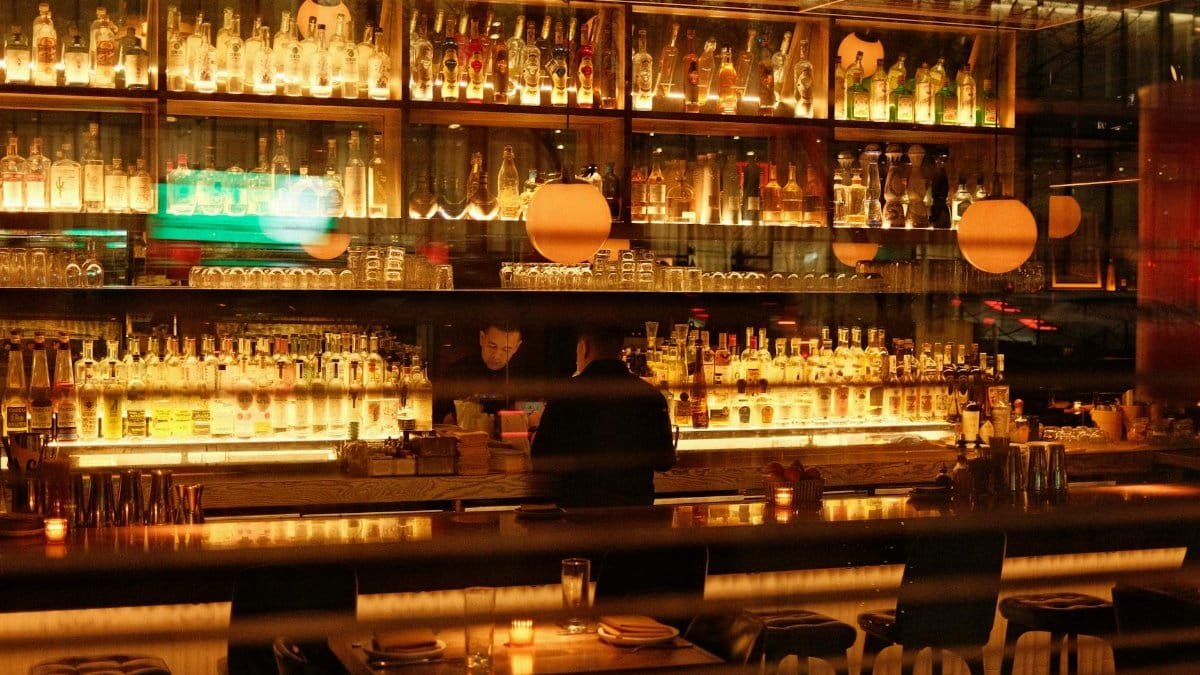
The hospitality industry in South Florida has taken notice of these shifts. Establishments that once relied heavily on alcohol sales are now expanding their selections of beverages without alcohol. Mixologists trained in crafting complex flavors now compete to create the most intriguing concoctions using ingredients like fresh herbs smoked teas and exotic fruits.
Some restaurants have introduced entire sections of their menus dedicated to sophisticated options for those avoiding spirits. This change not only accommodates customers but also attracts new ones who previously might have skipped nights out. In Miami Beach several popular venues report that those not drinking now make up a larger portion of their clientele during peak hours.
This adaptation speaks to the resilience of local businesses in responding to cultural changes. Owners say that by embracing the trend they build loyalty among a growing demographic that values inclusivity and innovation.
Younger Residents Set The Pace

Millennials and members of generation Z in South Florida appear to be driving much of this movement. Having grown up with greater access to information about health risks they approach alcohol with more caution than previous generations. Social media platforms overflow with influencers promoting lifestyles curious about sobriety complete with testimonials about improved productivity and emotional balance.
College campuses in the area host events centered on wellness rather than traditional partying. Young professionals in tech and creative fields often cite the need for mental clarity in competitive job markets as a reason for cutting back. Their choices influence older family members creating a ripple effect throughout communities.
This generational dynamic adds momentum to the overall decline in consumption and suggests the trend may continue to strengthen over time.
Clear Benefits For Physical And Mental Health
The advantages of drinking less alcohol extend to nearly every aspect of wellbeing. Medical professionals in South Florida note fewer cases of high blood pressure and better managed weight among patients who have made this change. Sleep quality improves dramatically for many allowing them to wake refreshed rather than groggy.
On the mental side reduced intake often leads to lower anxiety levels and more stable moods. Therapists report that clients who limit alcohol find it easier to process emotions and maintain healthy relationships. These improvements contribute to a greater sense of life satisfaction and purpose.
Local health clinics have begun offering workshops on the science behind these benefits encouraging participants to experiment with moderation or abstinence for a set period. The results frequently surprise even the most skeptical attendees.
Community Bonds Strengthen Without Alcohol
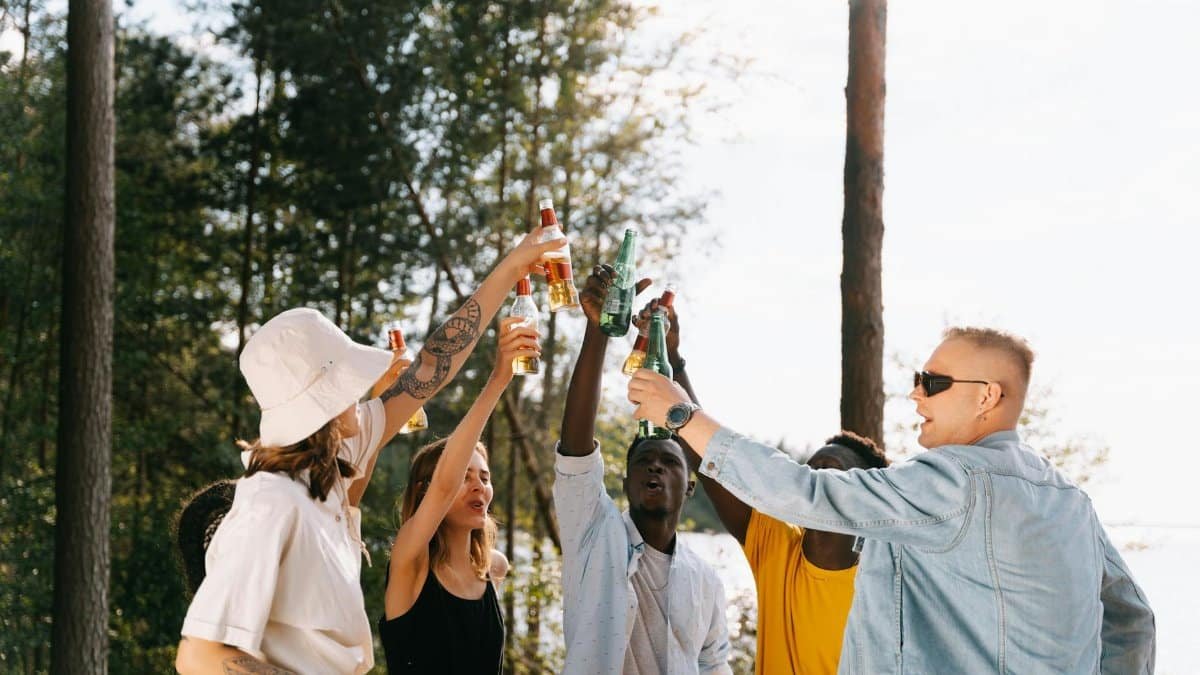
Social life in South Florida is evolving as well. Book clubs hiking groups and art workshops provide venues for connection that do not center on drinking. Residents discover that shared activities can build friendships just as effectively and often more meaningfully than traditional happy hours.
Neighborhood associations organize events free of alcohol such as sunrise yoga on the beach or evening concerts in the park. These gatherings draw diverse crowds united by a desire for genuine interaction. Many participants express relief at not having to navigate the pressures of declining drinks or explaining their choices.
This shift fosters communities rooted in mutual support and common interests rather than shared intoxication. It represents a return to simpler more intentional ways of relating to one another. Here we see drinking less alcohol fostering deeper bonds.
What The Data Tells Us
Recent surveys confirm what locals have observed anecdotally. According to research shared by the Miami Herald consumption rates in the region have dropped noticeably over the past five years. The article highlights how both occasional and regular drinkers are participating in this collective move toward moderation. For the full story see this Miami Herald report.
National organizations like the World Health Organization have also documented similar patterns worldwide attributing them to increased health awareness and changing social norms. In South Florida these global trends intersect with local factors such as the booming wellness industry and transient population seeking reinvention.
Obstacles On The Path To Change
Despite the positive momentum challenges persist. Social stigma around not drinking can make some feel excluded from certain circles. Peer pressure remains strong in a state famous for its nightlife and an economy driven by tourism.
Additionally those with established habits sometimes struggle with finding satisfying alternatives or dealing with underlying issues that alcohol may have masked. Support systems including counseling and peer groups play a vital role in helping individuals navigate these difficulties successfully.
Awareness campaigns aim to normalize choosing beverages without alcohol making it easier for everyone to participate fully in social life regardless of their preferences.
Looking Ahead To A More Mindful Future

As South Floridians continue this pattern of moderation the region stands at the forefront of a cultural transformation. This movement blends health consciousness economic practicality and spiritual growth into a compelling new lifestyle.
The coming years will likely see further innovation in offerings without alcohol expanded sober events and deeper integration of mindfulness into daily routines. For those in their middle years who form a significant part of the population this trend offers an opportunity to model balanced living for younger generations.
Ultimately the question of why people are drinking less alcohol reveals a collective yearning for clarity connection and vitality. In the bright light of South Florida this pursuit feels both natural and inspiring.