

In the waning years of the nineteenth century a peculiar enthusiasm took hold across the fields and meadows of Minnesota. Scottish immigrants and local businessmen alike began swinging primitive clubs at small balls with an intensity that seemed out of proportion to the simplicity of the activity. Before long the game spread from improvised pastures outside Saint Paul to carefully planned landscapes in Minneapolis and beyond. This was the start of something larger than recreation. Golf fever history in Minnesota shows how a foreign pastime became deeply woven into the fabric of state life shaping how people spent their leisure hours built social bonds and even found moments of quiet reflection in nature since 1890. The rapid growth of courses mirrored the states own expansion while revealing a collective hunger for both competition and calm.
The Arrival Of The Game From Across The Atlantic
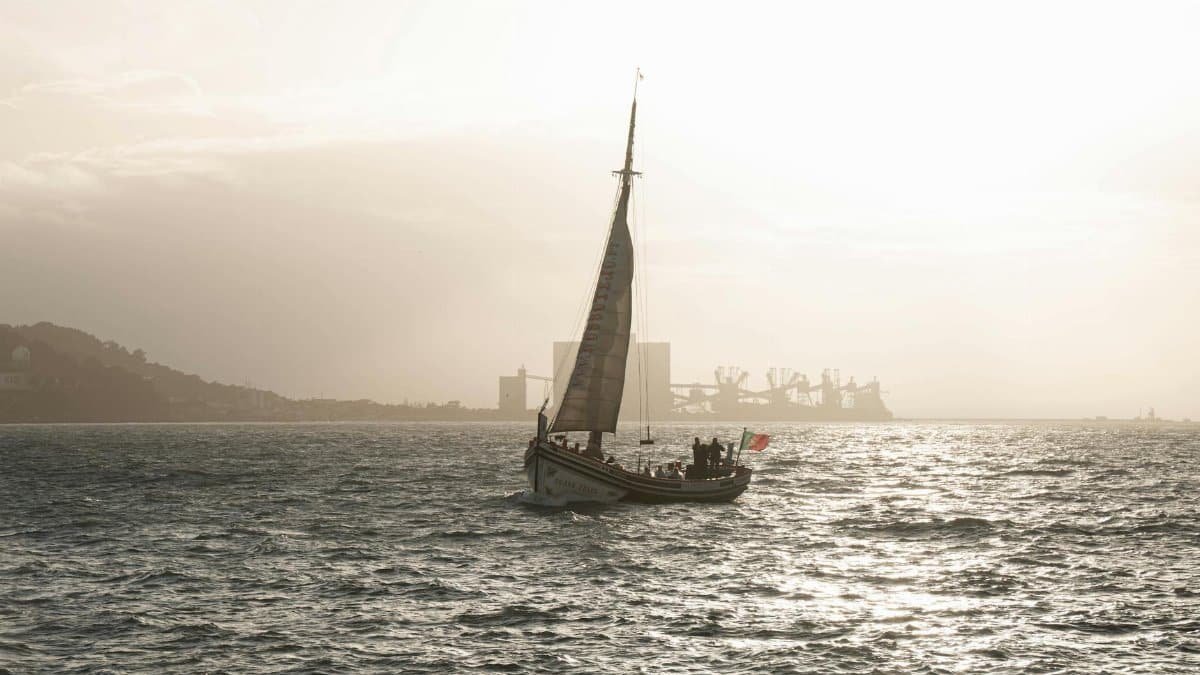
Scottish settlers carried more than just their belongings when they crossed the ocean. They brought a sport that demanded open land patience and a certain stubborn optimism. By the middle 1890s informal matches were already taking place on the outskirts of Saint Paul. These early players often used equipment shipped from Britain and followed rules that felt both foreign and instantly familiar. Local newspapers began noting the odd sight of grown men chasing tiny balls across cow pastures. What seemed like a passing fancy instead ignited a lasting passion. Within a few years organized clubs formed and the foundation for a genuine movement took shape. The game offered an escape from the demands of farm work and growing city life while promising a rare combination of physical challenge and mental focus.
First Courses Emerged On Modest Landscapes
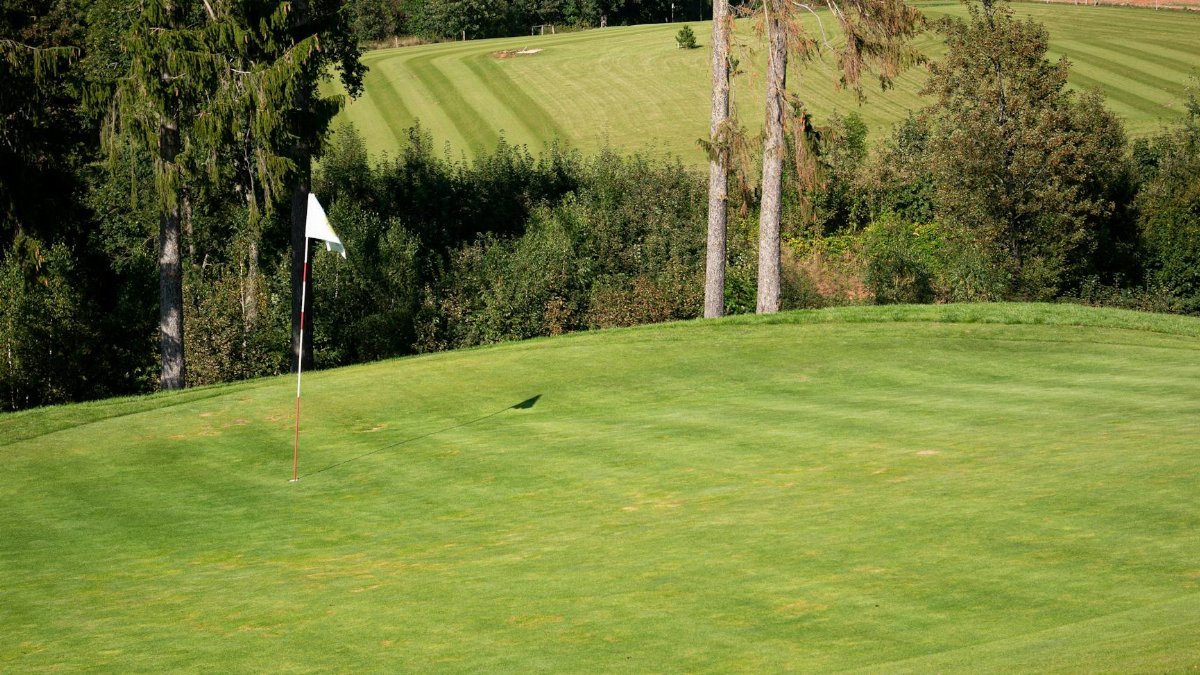
The initial golf courses in Minnesota bore little resemblance to todays manicured venues. Many were carved from existing farmland or undeveloped woodland where natural hazards such as streams and thickets served as obstacles. The Town and Country Club in Saint Paul established in 1890 ranks among the earliest. Players navigated uneven ground and learned to adjust their swings to the prairie winds. These rudimentary layouts required creativity and resilience. Groundskeepers often doubled as players and equipment was scarce. Yet the very simplicity of these spaces seemed to fuel the growing excitement. Each new course represented not only a recreational addition but also a declaration that Minnesota had embraced this imported tradition with full commitment. The modest beginnings belie the profound influence these sites would eventually exert on regional development.
Private Clubs Fostered A Sense Of Community
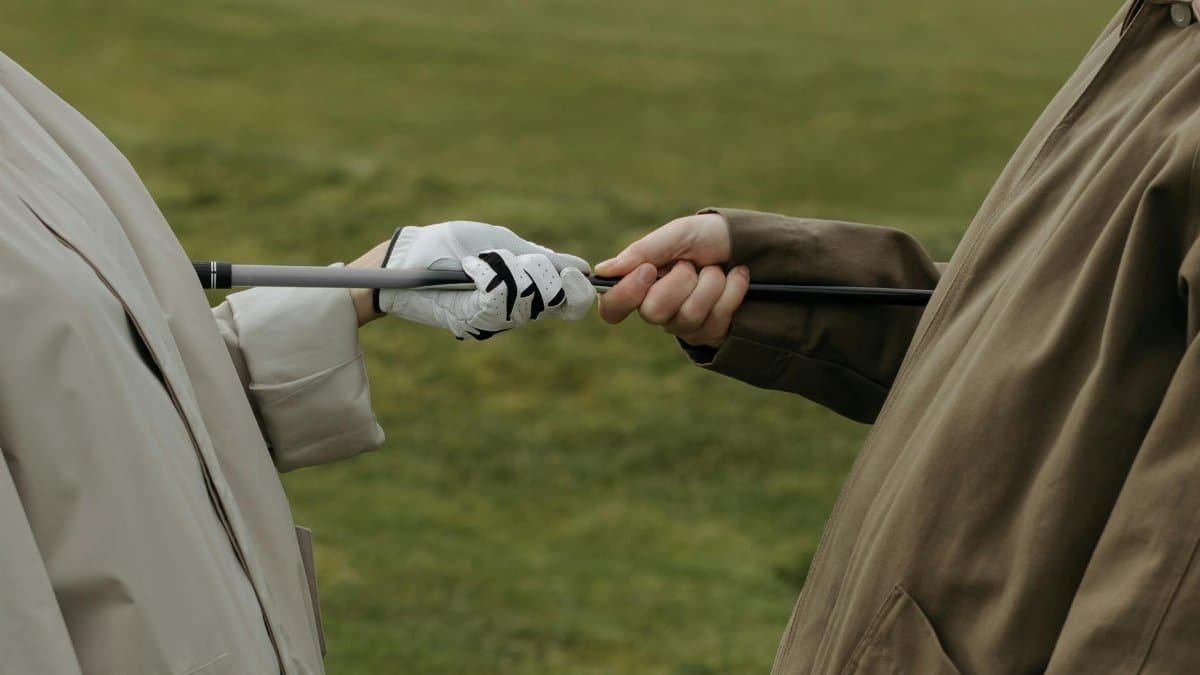
As the sport gained traction private clubs became important social anchors. Organizations such as the Minneapolis Golf Club created spaces where business leaders professionals and their families could gather regularly. These clubs functioned as more than playing fields. They hosted events fostered business relationships and reinforced social networks. Membership often signaled status yet the shared experience of the game created bonds that crossed some traditional lines. Conversations on the walking paths between holes mixed strategy with personal reflection. For many the club offered a weekly ritual that provided structure and belonging. The enthusiasm extended beyond the elite as word of the games pleasures traveled through churches and civic groups further embedding golf into the cultural landscape.
Women Found Liberation On The Links
From the earliest days Minnesota women claimed their place in the game. While societal norms restricted many activities the golf course offered surprising freedom. Female players formed their own leagues and competitions often adapting long skirts and sturdy boots to the demands of the sport. By the early twentieth century women organized tournaments that drew crowds and respect. Their participation challenged expectations about physical capability and leisure. Many described the game as a source of empowerment and mental clarity. The fairways became spaces where conversation flowed freely and friendships deepened. This inclusive spirit helped sustain the broader fever by expanding the community of enthusiasts and ensuring the sport remained vibrant across generations.
Public Access Expanded The Reach Of The Sport
The true measure of golf fever history appeared when public courses opened to all residents regardless of income or background. Facilities like the Hiawatha Golf Course in Minneapolis welcomed working families and immigrants eager to try the game. These municipal links democratized what had begun as an elite pursuit. Players from diverse neighborhoods mingled sharing advice and celebrating good shots. The availability of affordable access transformed weekends and holidays. City planners recognized the value of green spaces for public health and began incorporating golf facilities into park designs. This shift reflected larger trends toward recreational equity and helped cement the sports role in Minnesota life. The move toward public play ensured the fever would not remain confined to private enclaves.
Economic Hardships Tested But Did Not Break The Fever

The Great Depression and subsequent challenges placed obvious strains on recreational spending. Many clubs faced declining membership and difficult maintenance decisions. Yet the passion for golf proved remarkably resilient. Players repaired old clubs shared equipment and continued gathering on whatever courses remained open. Some courses survived by offering lower fees or hosting community events. The game provided a much needed outlet during uncertain times offering both distraction and a sense of continuity. Historical records show that participation dipped but never disappeared. Instead the shared struggle seemed to deepen appreciation for the sport. This endurance through hardship became a defining chapter demonstrating that the appeal extended far beyond mere entertainment.
Notable Figures Who Elevated Minnesota Golf
Certain individuals left permanent marks on the states golf tradition. Professionals and amateurs alike inspired others through skill and character. Figures such as Patty Berg who grew up in Minneapolis became national champions and helped popularize the game for future generations. Local architects designed courses that blended naturally with the rolling terrain creating memorable tests of ability. These personalities brought visibility and pride to Minnesota golf. Their stories circulated through newspapers and clubhouses reinforcing the idea that the state could compete on any level. Young players studied their techniques while older enthusiasts recalled their matches with reverence. The influence of these pioneers continues to shape how the game is taught and celebrated throughout the region.
The Spiritual Dimensions Of The Game Through Time

Beyond competition and social connection many Minnesotans have long described golf as a source of spiritual renewal. The rhythmic walk across fairways the focus required for each shot and the immersion in natural surroundings create space for contemplation. Early players spoke of the game in almost reverent terms noting how time on the course restored their sense of perspective. The quiet moments between swings allowed worries to recede while the beauty of lakeside holes or tree lined paths evoked gratitude. This spiritual undercurrent runs through the entire golf fever history in Minnesota. Churches occasionally organized outings that combined fellowship with play. The sport offered a nonreligious yet deeply meaningful path to mindfulness long before such concepts gained modern popularity. In an increasingly hurried world these qualities help explain the games enduring hold.
Golf Courses As Catalysts For Local Development

The spread of golf courses influenced broader patterns of growth and land use. Developers recognized that well placed links could increase property values and attract residents to new neighborhoods. Suburban expansion in the middle twentieth century often included golf communities that blended housing with recreation. These developments provided jobs for maintenance crews and hospitality staff while creating gathering places for entire towns. The economic impact extended to tourism as visitors sought out renowned Minnesota courses. Cities invested in public facilities understanding their value for community wellness. This practical dimension complemented the recreational and spiritual benefits ensuring the sport remained relevant as the state evolved. The landscape itself bears the imprint of this long enthusiasm.
Legacy That Continues To Inspire Today

More than a century after those first swings on makeshift fields the passion first kindled in the 1890s still resonates. Modern courses blend historical respect with contemporary design while junior programs introduce new generations to the game. Community initiatives use golf to teach focus resilience and respect for nature. The spiritual and social elements that sustained early players remain central to its appeal. As Minnesota faces new challenges the sport offers proven tools for connection and renewal. The Curious Minnesota series reminds us that seemingly simple traditions can carry profound meaning. What began as golf fever history has matured into a lasting cultural inheritance that continues to shape how residents relate to land leisure and one another.