
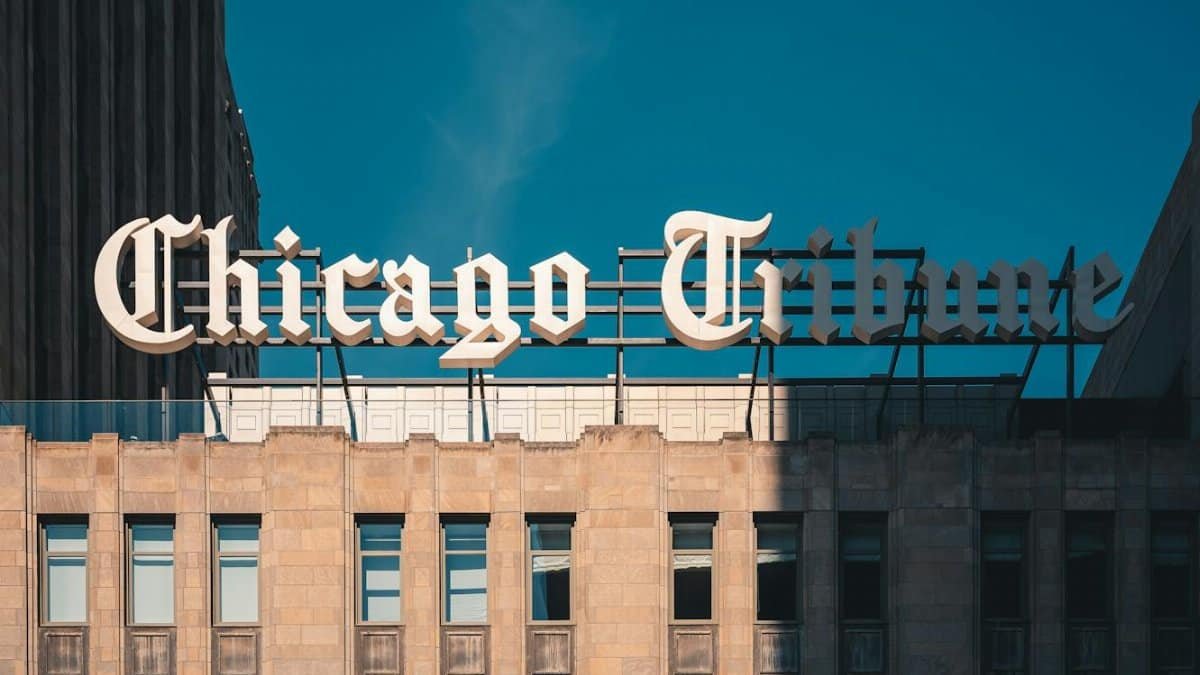
In the realm of professional football few franchises command the kind of devotion the Chicago Bears have enjoyed for more than a century. That loyalty faces a test as team leaders debate where to plant new roots. A fresh survey offers clear direction from the people who care most. The Suffolk University poll conducted with the Chicago Tribune reveals that Chicago area residents overwhelmingly prefer a new stadium in the northwest suburbs over any move to Indiana. Many expressed a desire to see the franchise become the Arlington Heights Bears and remain within easy reach for generations of faithful supporters.
Deciphering What Chicago Fans Really Want
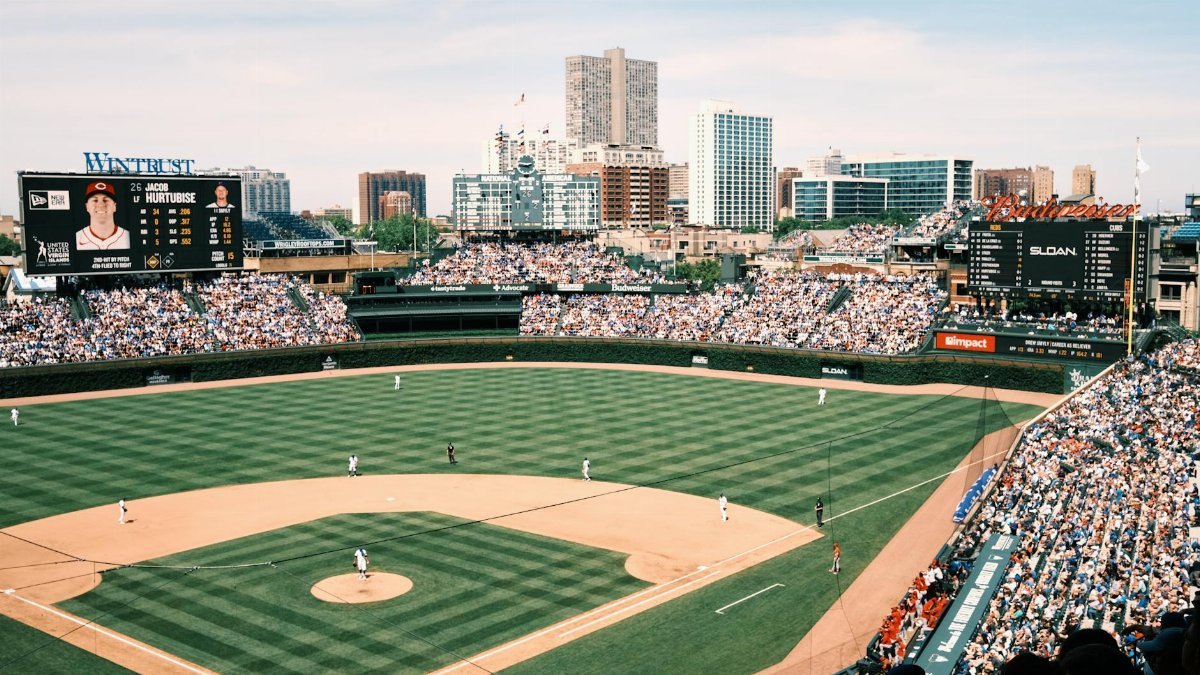
The numbers speak with unusual clarity. Nearly seven in ten respondents said they would support a new stadium project in Arlington Heights while just two in ten favored an Indiana location. The remainder expressed no strong preference. Conducted in late March this Suffolk Tribune survey reached more than one thousand registered voters across Cook and surrounding counties. Its margin of error sits at roughly three percent.
What stands out is the intensity of feeling. More than half of those who chose Arlington Heights called the matter extremely important to them. By contrast support for an out of state move felt lukewarm at best. These results arrive at a pivotal moment when Bears leadership continues to explore all options after years of stalled talks about renovating Soldier Field.
The Deep Roots of Loyalty in Illinois

Chicago sports culture runs deeper than statistics or win loss records. For many middle aged fans the Bears represent continuity in a city that has changed dramatically over decades. Sunday afternoons at the stadium or tailgates in the parking lot form part of the social calendar alongside family birthdays and neighborhood festivals. Moving the team across a state line would sever that easy connection for hundreds of thousands of working families.
Local identity matters in ways that transcend game day excitement. The Bears have played in the Chicago area since 1921. Their history intertwines with the story of the city itself from the glory years of the 1980s to the patient rebuilding periods that tested fan resolve. Keeping that story alive in Illinois feels essential to many who responded to the poll.
Why Crossing State Lines Feels Like a Betrayal
Indiana may sit just across the border yet the psychological distance appears vast to many Chicagoans. Respondents repeatedly cited concerns about lost tax revenue lost community events and the erosion of regional pride. One question in the survey asked whether relocating the team would diminish the Chicago area sense of identity. More than sixty percent answered yes.
Traffic patterns also shape opinion. Fans living in the western and northern suburbs already endure long drives to Soldier Field. A stadium in northwest Indiana would push those travel times even further for most Illinois residents while offering little benefit to the core fan base. The poll captured this practical frustration with striking consistency across age groups and income levels.
Suburban Dreams and Stadium Realities
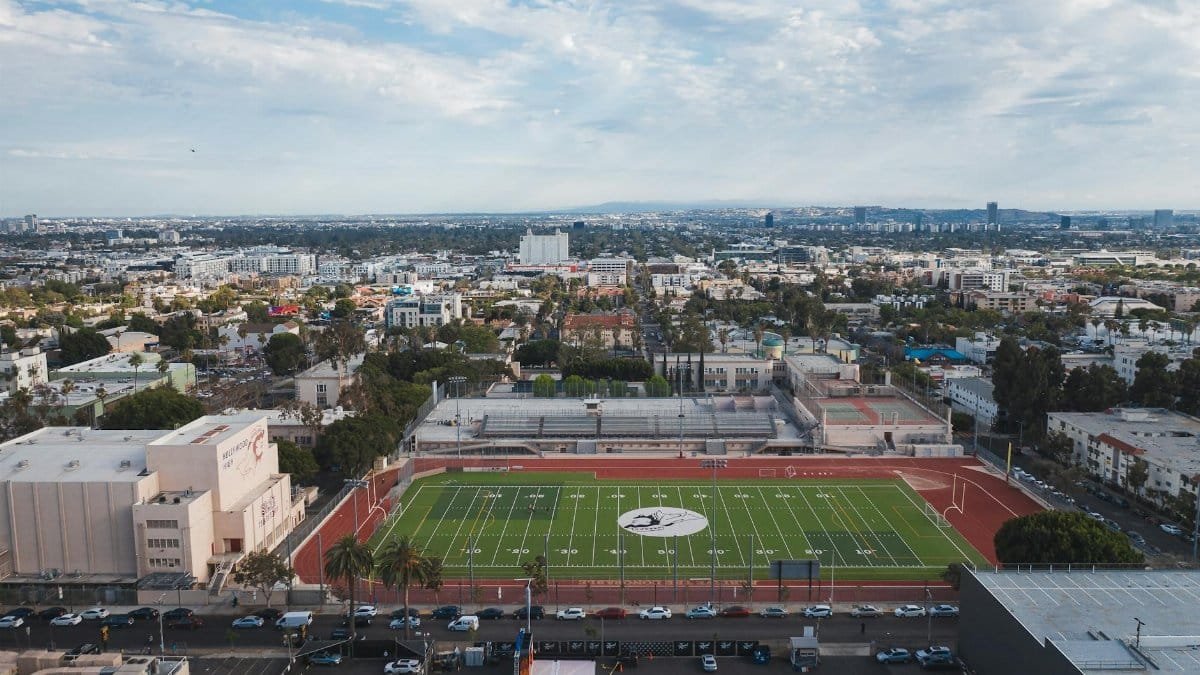
Arlington Heights has emerged as more than a convenient location. Village leaders have spent years preparing plans that integrate a new stadium with mixed use development including housing retail and public green space. Supporters argue this approach could transform a single use entertainment venue into a year round community asset.
The concept resonates with older residents who remember when suburban stadium projects revitalized other regions. They envision restaurants filling on weekdays local youth football clinics on practice fields and a gathering place that strengthens social bonds. For a generation that values community connection these possibilities carry significant weight.
Economic Prospects for the Northwest Suburbs
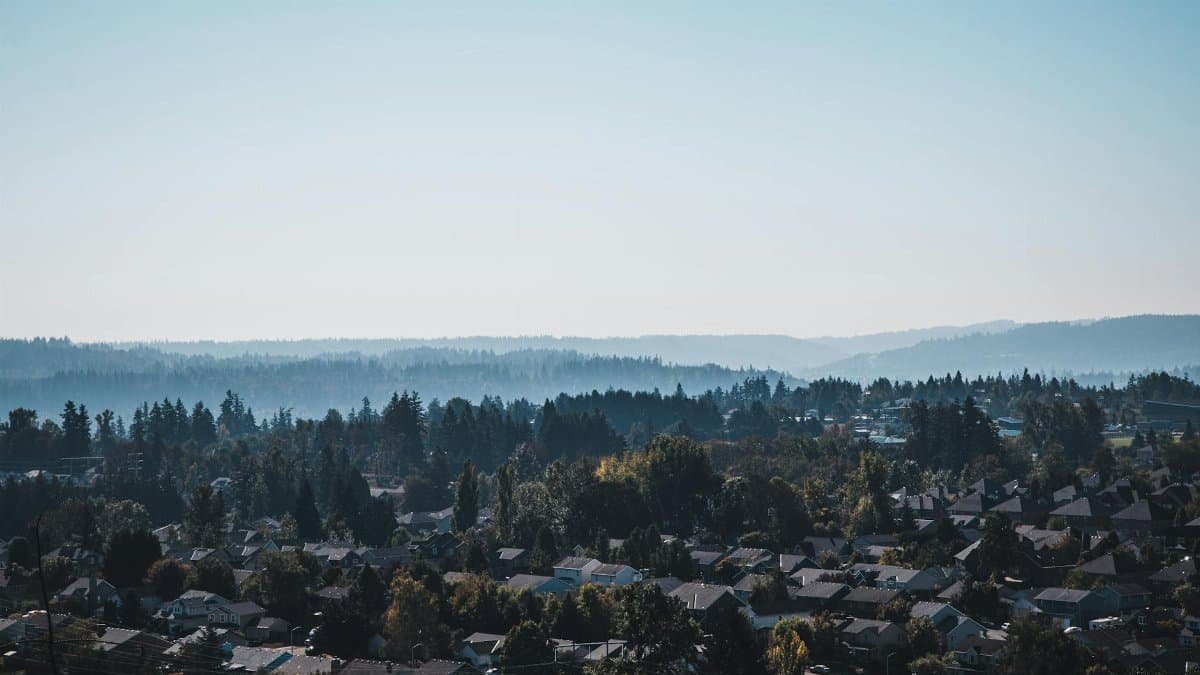
Beyond sentiment the poll reflects clear economic calculations. A majority of respondents believe an Arlington Heights stadium would generate substantial revenue for local businesses and tax coffers without requiring massive public subsidies. Independent analyses shared with pollsters support this view though experts caution that projections often depend on careful planning.
By contrast an Indiana move would likely send most economic benefits across the border. Illinois residents would still provide the majority of ticket buyers and television viewers yet much of the associated spending would occur outside their state. This imbalance troubled many who took part in the Suffolk Tribune research.
The Spiritual Connection Between Team and Town
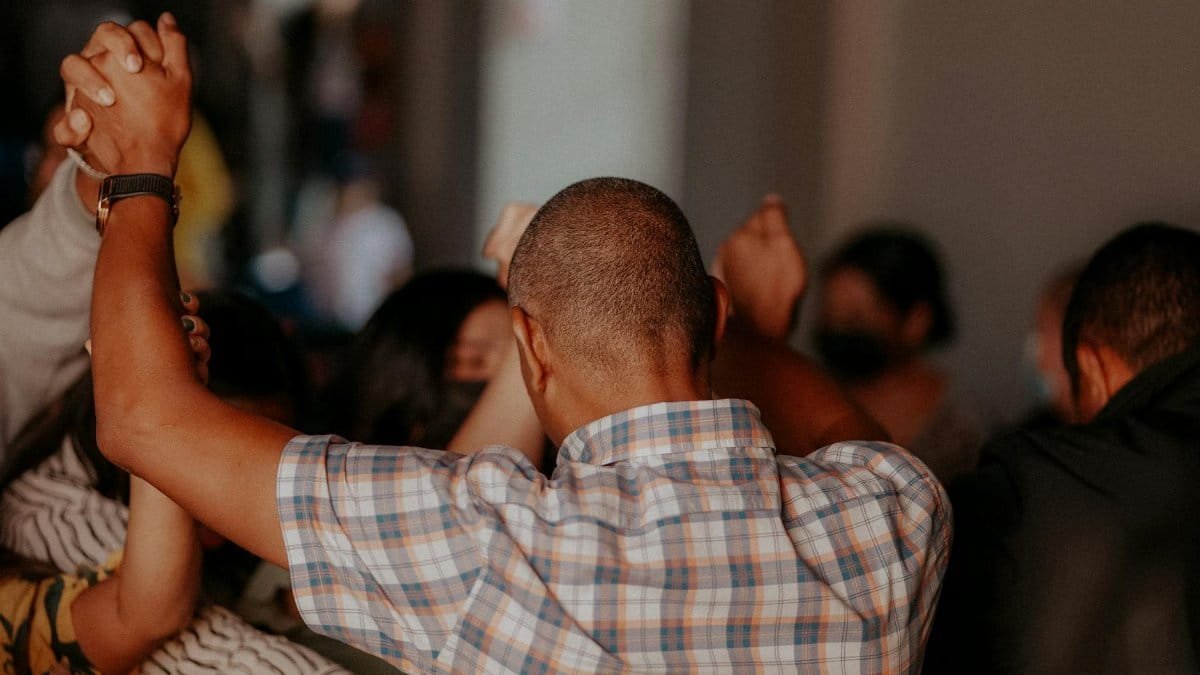
Sports teams occupy a unique place in American civic life that touches something deeper than entertainment. They create shared rituals that bind strangers together and offer a sense of belonging in an increasingly fragmented society. For many Chicagoans the Bears embody resilience endurance and collective hope qualities that mirror the values residents cherish in their own communities.
Keeping the franchise in Illinois preserves that spiritual anchor. Fans described in follow up interviews a feeling of continuity that reaches beyond any single season or coaching staff. The team has become part of the cultural liturgy of the region much like summer festivals or holiday parades. Losing that presence would leave a noticeable void according to poll participants who described their attachment in almost reverent terms.
Voices from the Heart of Bears Country

The survey captured more than numbers. Open ended responses revealed genuine emotion. A sixty two year old teacher from Des Plaines wrote that the Bears had been a constant through her divorce her childrens childhoods and her parents final years. Another respondent a retired union worker from Schaumburg emphasized that loyalty should run both ways.
These personal stories illustrate why the Arlington Heights option generates such strong support. The location feels accessible familiar and respectful of the long standing relationship between team and region. It represents a continuation rather than a rupture.
Potential Roadblocks on the Horizon

Despite clear public preference significant obstacles remain. Funding represents the largest hurdle. Any new stadium would require billions of dollars and negotiations between the team the village state lawmakers and potentially the NFL. Previous attempts at similar projects have collapsed amid political disagreements and shifting economic conditions.
Environmental concerns also surface regularly. Arlington Heights residents want assurances that increased traffic and construction will not harm local wetlands or overload existing infrastructure. Team officials have pledged to work with community leaders yet details remain scarce. The poll results may strengthen the village negotiating position but they cannot resolve every technical challenge.
Lessons from Other NFL Relocations
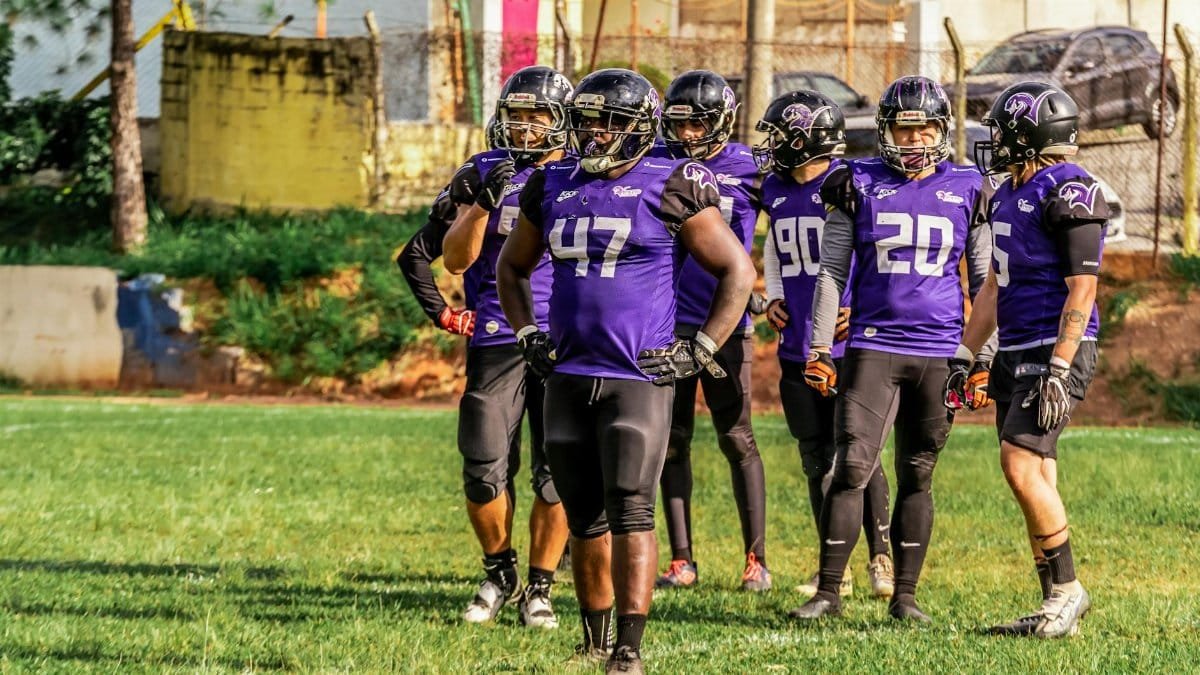
History offers cautionary tales. When the Rams and Chargers left St. Louis and San Diego respectively local resentment lingered for years. Teams that depart often discover that fan support does not travel well. Television ratings dip in the original market and merchandise sales soften. The Bears organization understands these risks which may explain their continued interest in staying within the Chicago media market.
Successful stays such as the Packers commitment to Green Bay demonstrate that communities will rally around franchises that honor their geographic roots. The Suffolk Tribune poll suggests Chicago stands ready to offer similar support if leaders choose the Arlington Heights path.
A Future Built on Community Values
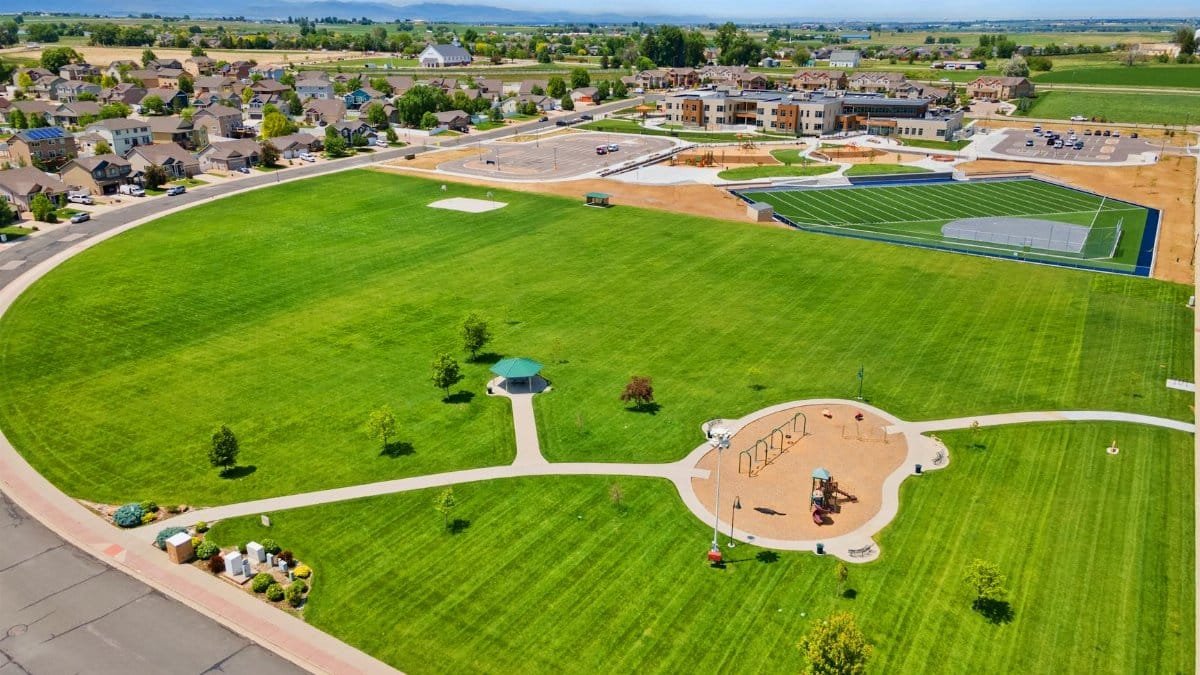
Public opinion alone will not determine the Bears next chapter. Yet this survey sends a powerful message about what matters to the people who have sustained the franchise through every era. The desire to create the Arlington Heights Bears reflects more than convenience. It speaks to the value of proximity shared identity and the belief that certain relationships deserve protection.
As negotiations continue leaders would do well to remember the clear directive delivered by Chicago area residents. The path that best honors both history and hope leads northwest not east. In an age when so many institutions feel transient the Bears retain an opportunity to model something different by choosing roots over reinvention.
The coming months will test whether team ownership hears this message. If recent history offers any guide public sentiment this strong rarely fades quickly. For now the people have spoken with remarkable unity. They want their Bears close to home where they have always belonged.