
The skies above Houston have always held a certain mystery but now that mystery has deepened with the arrival of what experts are calling la nada weather houston. As the Pacific waters enter a neutral state devoid of the familiar El Nino warmth or La Nina cooling the region finds itself in a meteorological limbo. This shift brings with it a wave of uncertainty that could reshape everything from daily forecasts to emergency planning. For a city no stranger to floods and heat waves this new phase raises fresh questions about preparedness and resilience. Middle aged Houstonians who have witnessed decades of changing weather patterns may find themselves reflecting on what this means for their families and communities in the months ahead. With little precedent to rely upon both scientists and ordinary citizens are bracing for a period of massive unpredictability.
Understanding The Neutral Phase
At its core the La Nada phase represents a period when the equatorial Pacific Ocean exhibits neither significant warming nor cooling. This neutrality disrupts the usual teleconnections that link Pacific temperatures to North American weather. In typical El Nino years the southern United States including Texas might experience wetter winters. La Nina often correlates with drier conditions and heightened wildfire risk. Yet in neutral times these relationships weaken substantially. For la nada weather houston this translates into forecasts that carry wider margins of error than usual. Researchers at the National Oceanic and Atmospheric Administration have noted that neutral conditions can persist for several months making it difficult to anticipate seasonal trends with confidence. A recent analysis from climate experts underscores how the absence of a strong signal leaves meteorologists without their most reliable guideposts. This lack of a dominant driver opens the door to a broader range of possibilities that demand greater flexibility from everyone involved in weather preparedness.
Why Houston Feels The Impact So Strongly
Houston sits in a part of the country particularly sensitive to changes in Pacific patterns because of its location along the Gulf Coast. The city sprawling urban landscape combined with its low lying terrain makes it vulnerable to both flooding and drought. When weather models lack a clear signal emergency managers must prepare for multiple possibilities simultaneously. This uncertainty weighs heavily on a population that has endured major storms and other disruptive events in recent memory. For many longtime residents the current phase feels like navigating without a map. The absence of a dominant climate driver means that local factors such as Gulf of Mexico warmth play a larger role yet even those influences can prove changeable from one week to the next. Neighborhoods that once counted on seasonal consistency now face the prospect of abrupt transitions that test infrastructure and patience alike.
Shifting Patterns In Rainfall And Temperature
One of the most noticeable effects involves the variability in precipitation. Some months may bring deluges while others remain parched without clear reason. Temperature swings could also intensify as the stabilizing influence of a strong La Nina or El Nino is missing. Data from past neutral phases suggest that Houston might see above average rainfall in certain periods followed by abrupt shifts to drier weather. Such fluctuations challenge water management systems and require constant vigilance from utility providers across the metropolitan area. Residents have reported a sense of unease as the usual seasonal rhythms appear less dependable than in years past. Gardeners notice erratic blooming cycles while construction projects face delays from unexpected downpours. These subtle changes accumulate into a larger narrative of instability that touches nearly every aspect of daily life in the region.
What It Means For The Upcoming Hurricane Season
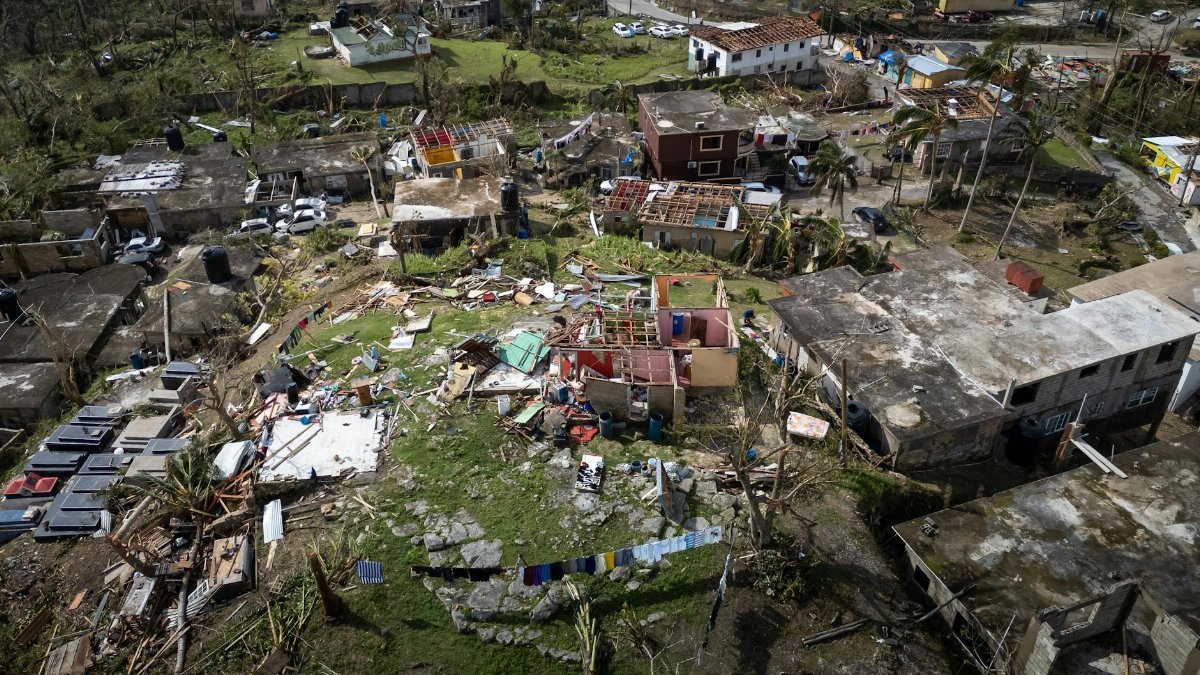
Hurricane forecasters face particular challenges during this neutral stretch. Without a clear El Nino to suppress storm activity or a La Nina to potentially enhance it the season outlook grows cloudy. The Atlantic basin could produce an average number of storms but their paths and intensities remain hard to predict far in advance. For the Houston area this means heightened awareness throughout the summer and fall months. Community leaders urge residents to update emergency kits and review evacuation routes even as the precise threats stay uncertain. The interplay between Pacific neutrality and Atlantic temperatures adds another layer of complexity to seasonal outlooks. Local officials have begun holding town hall meetings to address public questions and emphasize the value of individual readiness regardless of what eventual forecasts suggest.
Challenges For Local Farmers And The Economy
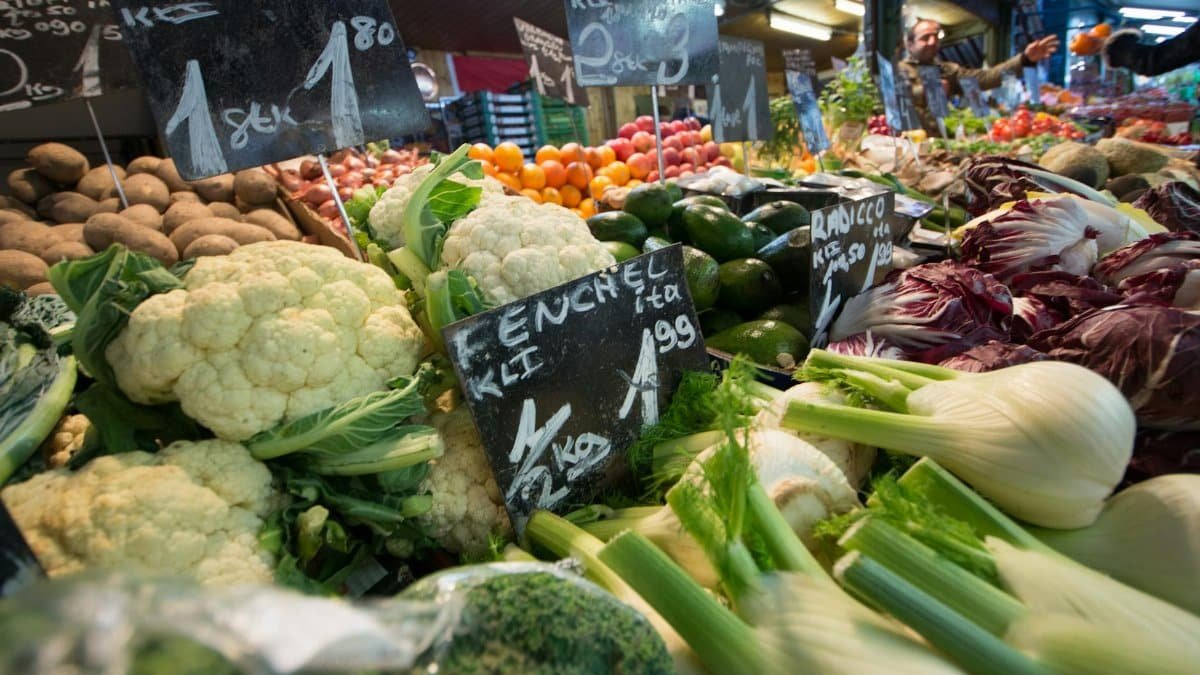
Agriculture around Houston and in surrounding counties depends on consistent weather for crop yields. Neutral conditions can bring untimely rains that damage fields or dry periods that stress livestock and plants. Economic analysts predict potential volatility in food prices and supply chains if la nada weather houston persists. Small farmers in particular may struggle without the ability to anticipate conditions months ahead. This uncertainty ripples through the local economy affecting everything from employment in rural areas to costs at grocery stores in the city. Business owners who rely on outdoor events or tourism related to seasonal festivals also express concern about planning without reliable seasonal cues. Adaptation strategies become essential though many producers voice frustration at the lack of clear guidance from traditional forecasting methods.
Public Health In An Era Of Unpredictable Weather

Variable weather patterns influence air quality mold growth and the spread of certain diseases. During wet periods the risk of waterborne illnesses increases while dry spells can worsen respiratory conditions through dust and pollen. Houston hospitals are monitoring these trends closely preparing for potential surges in weather related health issues. Mental health professionals also note that prolonged uncertainty about the environment can contribute to anxiety among residents of all ages. For middle aged individuals with preexisting conditions the stakes feel especially high as they balance daily life with these evolving risks. Public health campaigns now stress the importance of staying hydrated during heat spikes and avoiding flooded areas after heavy rains. These messages reflect a growing recognition that physical wellbeing and environmental variability are closely intertwined.
How Families Are Adapting To The Uncertainty

Across Houston neighborhoods families are finding ways to build flexibility into their routines. Some are installing rainwater collection systems while others focus on emergency supply stockpiles that can sustain them through several days of disruption. Conversations at backyard gatherings often turn to sharing tips for staying safe no matter what the skies deliver. Parents talk about teaching children to respect the power of nature and the importance of community support during difficult times. These grassroots efforts reflect a pragmatic spirit that has long defined the region in the face of adversity. Schools have begun incorporating lessons on weather awareness into their curricula helping younger generations develop respect for environmental forces beyond human control.
Voices From The Scientific Community

Experts emphasize that La Nada does not imply benign weather only that it is harder to foresee. Climate scientists at universities in Texas have published papers highlighting the need for improved modeling techniques that account for neutral conditions more effectively. One report from a leading atmospheric research center stresses that global warming may interact with these neutral phases in unexpected ways creating compound effects. The link to NOAA climate resources offers detailed explanations for those seeking deeper understanding. According to these specialists the current phase could last well into next year adding to the need for robust adaptation plans at every level of government and society. Their collective message urges caution without alarm and preparation without paralysis.
Learning From Previous Neutral Periods

History provides some clues though each La Nada event differs in important respects. In the early years of the new millennium a prolonged neutral phase brought a mix of severe droughts and sudden flooding to parts of Texas. Houston learned valuable lessons about infrastructure during those years lessons that are being revisited with renewed urgency. By examining records from past decades meteorologists hope to identify subtle signals that might improve future predictions even if only modestly. Yet the consensus remains that neutrality equals greater variability overall. This reality prompts a reevaluation of how the city approaches planning for everything from drainage systems to energy demands. Older residents often share stories from those earlier times offering perspective that complements the data driven approach favored by younger generations of researchers.
Practical Steps For Houston Residents
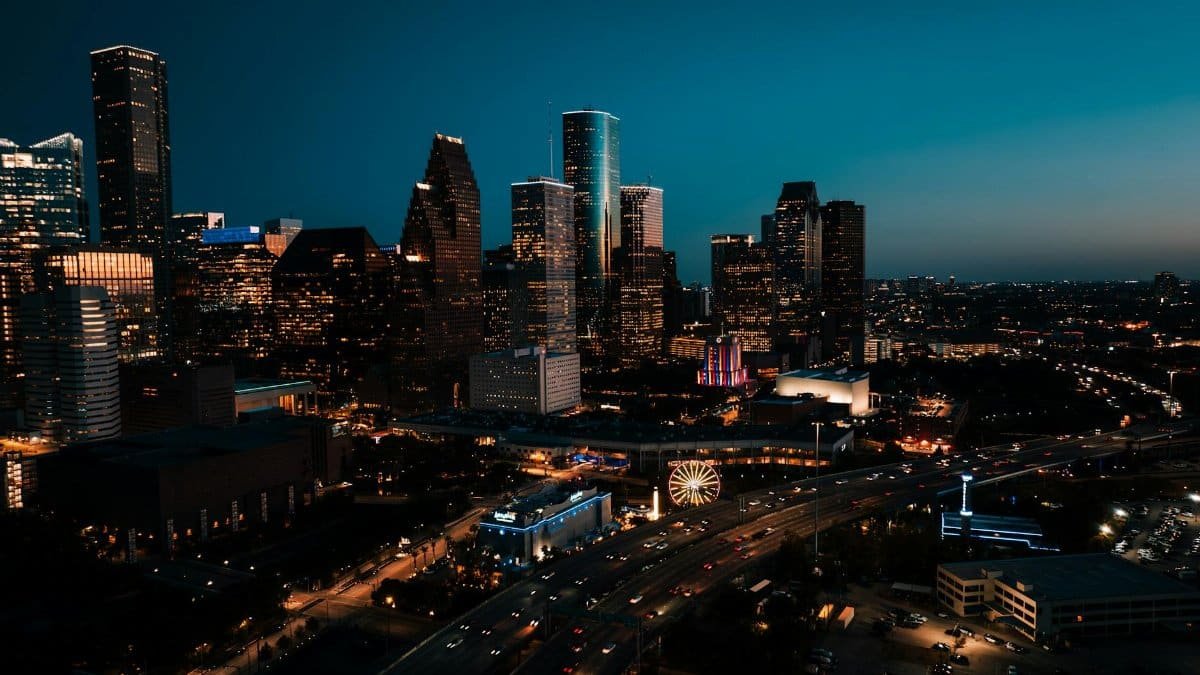
Preparation does not require panic but it does call for informed action. Experts recommend reviewing insurance policies securing loose outdoor items and creating family communication plans that function even when power or internet service fails. Local government websites provide resources tailored to the region including checklists that can be completed over a single weekend. Staying informed through reliable sources rather than rumor mills helps reduce unnecessary stress during periods of heightened alert. Many Houstonians have embraced a mindset of readiness that honors both the beauty and the power of the natural world around them. Simple measures such as trimming trees near power lines or elevating valuables in flood prone garages can make a meaningful difference when storms arrive without much warning.
The Spiritual Dimensions Of Living With Uncertainty
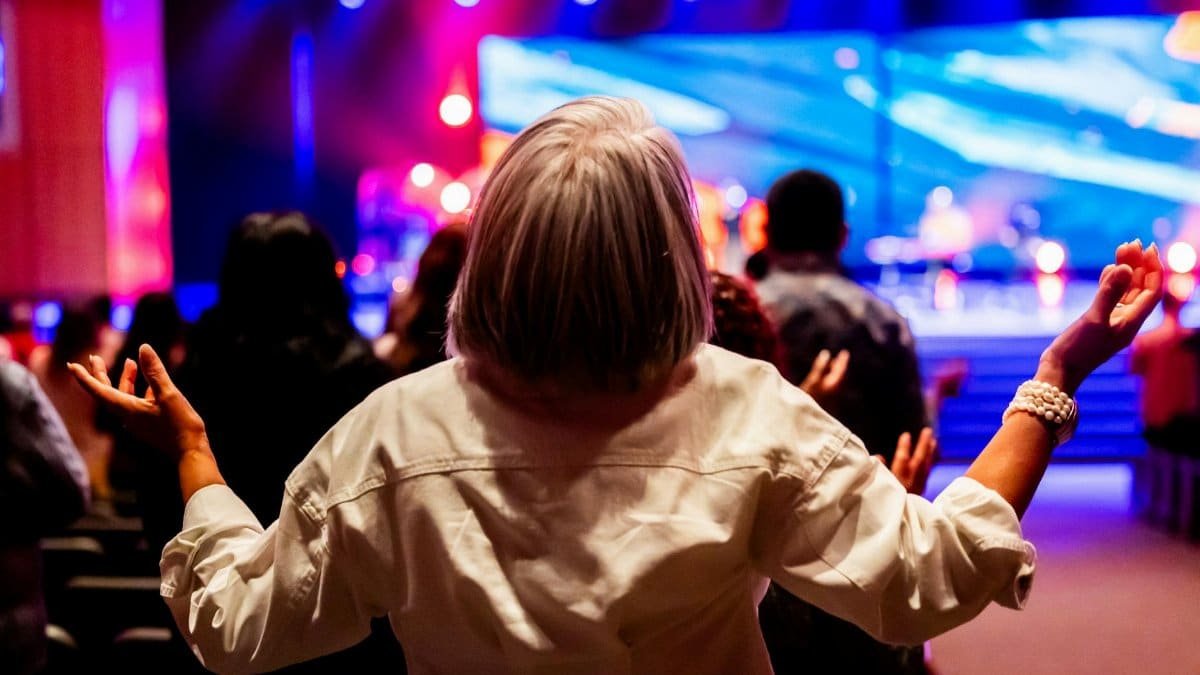
In times of meteorological ambiguity some Houston residents are turning toward spiritual practices for solace and perspective. Churches across denominations have reported increased attendance at services that address themes of humility before nature and the strength found in community bonds. Spiritual leaders encourage mindfulness and gratitude even when forecasts remain unclear encouraging congregants to view the unpredictability as an invitation to deeper reflection. This trend aligns with a broader movement in which individuals seek meaning beyond the material world when faced with forces beyond human control. For many the la nada weather houston serves as a reminder of humanitys place within a larger and often mysterious universe fostering connections to faith traditions and to one another. Reflection groups and nature based meditation sessions have gained popularity as people process the implications of living with such weather variability. These gatherings provide space for sharing personal stories of resilience and hope that transcend the latest forecast models.
Looking Toward An Unwritten Future
As the La Nada phase continues its hold the people of Houston demonstrate remarkable adaptability woven from generations of experience with Gulf Coast weather. While the uncertainty poses real challenges it also offers an opportunity to build stronger systems and bonds that will serve the community long after this neutral period ends. The coming years will reveal how effectively the region navigates this territory marked by greater variability than many residents have known. In the meantime a spirit of cautious optimism prevails among those who call this dynamic city home. By combining scientific insight with communal resolve and a measure of spiritual grounding Houston stands ready to face whatever weather may arrive next. The experience may ultimately leave the city wiser and more united in its respect for the complex systems that shape daily existence.