
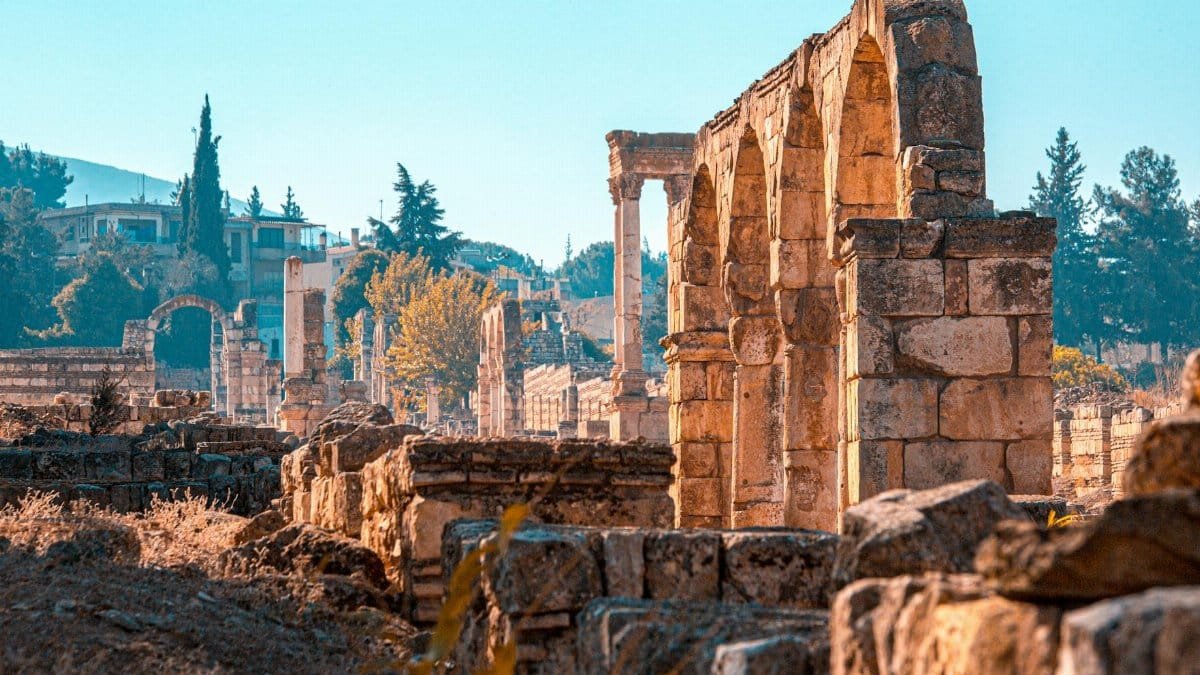
**The soft light of dawn filters through the dust that still hangs over the hills of southern Lebanon.** Families who fled months of violence are beginning to make their way back to villages around Tyre. They move with careful steps among the remnants of houses reduced to piles of concrete and twisted metal. The lebanon ceasefire latest updates bring a measure of relief after months of fear. Yet the scale of destruction is overwhelming. Roofs have collapsed. Walls bear the marks of impacts. Personal belongings lie scattered and ruined. For many middle aged residents these scenes carry the weight of memories spanning generations. They speak not only of physical loss but of an interruption to the rhythms of daily existence that defined their identities. In this moment of tentative calm a deeper question emerges about what endures when everything familiar has been broken.
**A Cautious Return To Ruined Villages**
Residents approach their former homes with a mixture of anticipation and dread. Some have not seen their properties since October of last year. They find olive trees splintered. Water systems shattered. Schools transformed into empty shells with windows blown out. One woman sorting through debris in her kitchen paused to touch a cracked ceramic plate that survived. It had belonged to her grandmother. These small discoveries become anchors in a landscape that feels unrecognizable.
The roads leading into the area remain littered with debris. Humanitarian teams work alongside locals to clear paths and check for unexploded ordnance. The pace is deliberately slow. No one wants to rush and risk further tragedy. Many families arrive with little more than the clothes they carried when they fled. They pitch tents beside damaged houses while they determine whether rebuilding is even possible. The ten day window feels both too short and impossibly long given the extent of what must be done.
**Understanding The Terms Of The Agreement**
The current pause resulted from intense diplomatic efforts involving the United States and France along with regional mediators. It requires both Israel and Hezbollah to halt all offensive operations for ten days while humanitarian aid flows into affected areas. Monitoring teams have been deployed to observe compliance from both sides. Early assessments suggest the agreement is holding although tensions remain high.
This lebanon ceasefire latest development represents the first sustained break in fighting since the escalation began. Analysts note that the structured timeline creates space for negotiations on a more permanent arrangement. Yet the document contains no clear mechanism for addressing underlying grievances that have fueled conflict for decades. Its fragility is widely acknowledged even by those charged with enforcing it.
**Stories Of Loss And Resilience**
Every returning family carries its own narrative of survival. A farmer near Bint Jbeil described hiding in a basement with his wife and three children as strikes shook the ground above them. They emerged to find their entire crop destroyed. Another resident a schoolteacher recounted walking for two days to reach safety with her elderly mother. These accounts reveal patterns of both trauma and remarkable adaptability.
What stands out across many conversations is the refusal to surrender to despair. People speak of continuing traditions even in makeshift conditions. Neighbors share meals from limited supplies. Young people organize games for children amid the rubble. These acts though small represent deliberate choices to preserve dignity and connection. Middle aged parents in particular express determination to shield their children from the full psychological weight of what has occurred while still being honest about the reality they face.
**Faith Communities Offer Support And Solace**
In a nation as religiously diverse as Lebanon spiritual leaders have stepped forward as vital sources of comfort and practical assistance. Mosques and churches in less damaged areas have opened their doors to provide food shelter and medical care. Imams and priests alike have emphasized messages of patience and unity during Friday prayers and Sunday services.
Many residents describe turning to prayer as an essential daily practice since their return. One Christian woman living near Tyre said the familiar words of the rosary helped steady her nerves as she confronted the ruins of her family home. Muslim neighbors spoke of finding strength in the rhythm of five daily prayers that structure their time and focus their intentions. These practices do not erase grief but they appear to create space for it to be carried with some measure of grace.
Interfaith cooperation has increased noticeably. Clergy from different traditions have coordinated distribution of aid and joint statements calling for restraint from all parties. Their visibility provides a counter narrative to the images of destruction that have dominated international coverage. In the spiritual news emerging from this crisis one sees evidence that shared suffering can sometimes bridge divides that politics alone cannot.
**The Economic Impact On Local Families**
The destruction extends far beyond individual homes. Entire local economies have been paralyzed. Farmers have lost not only this season’s harvest but the trees and irrigation systems that would have sustained future seasons. Small businesses that depended on seasonal tourism or cross border trade have no clear path to recovery. Many middle aged workers who once supported extended families now face uncertainty about how they will provide.
International pledges of reconstruction assistance have been made but delivery remains slow. Families report receiving emergency cash assistance that covers immediate needs yet offers no long term solution. The ten day ceasefire provides a window for assessment yet many worry that attention will fade before meaningful economic support materializes. The psychological burden of financial instability compounds the emotional toll of displacement and loss.
**International Diplomats Work To Extend Peace**
As the initial ten day period progresses diplomats continue urgent discussions in multiple capitals. The United States has signaled willingness to remain engaged while European nations emphasize the humanitarian dimensions of any extended agreement. Regional actors including Egypt and Qatar have offered to facilitate talks between the parties.
Success is far from guaranteed. Each side accuses the other of violations both real and perceived. Trust has eroded over many years of conflict. Yet the current lebanon ceasefire latest phase has created rare momentum that seasoned observers hesitate to dismiss entirely. The presence of international monitoring teams adds a layer of accountability that did not exist during previous escalations.
**Challenges That Could Undermine Stability**
Despite the apparent calm significant obstacles remain. Armed groups on both sides of the border retain capacity to resume operations quickly. Political factions within Lebanon remain divided about the best path forward. Economic desperation could fuel recruitment into militant activities if reconstruction stalls.
The return of displaced residents introduces additional complexities. Some homes are uninhabitable creating competition for temporary shelter. Disputes over property boundaries blurred by physical destruction could spark local conflicts unrelated to the larger geopolitical struggle. These ground level tensions require attention equal to high level diplomatic efforts if the pause is to evolve into something more lasting.
**Voices From Those Who Have Suffered Most**
Women and children have borne disproportionate burdens throughout this conflict. Many mothers describe the terror of trying to keep young ones calm during strikes. Elderly residents who lacked mobility faced particular hardship during evacuation. Their perspectives rarely make headlines yet they offer some of the clearest insights into both the cost of war and the requirements for genuine peace.
One grandmother who returned to find only the foundation of her house remaining spoke with quiet authority. She had lived through multiple conflicts in her lifetime. Her message was simple. Lasting change would require addressing not only physical reconstruction but the deeper wounds carried in collective memory. Her words echoed sentiments heard across many conversations in the affected communities.
**The Enduring Power Of Hope In Lebanon**
As the ten day ceasefire continues to hold a subtle shift in atmosphere becomes noticeable. People begin speaking of plans beyond immediate survival. Students ask about when schools might reopen. Farmers discuss which crops could still be planted before winter. These tentative conversations represent something precious in a region long accustomed to cycles of violence.
The spiritual dimension of this moment deserves recognition. Across faiths residents describe experiencing a renewed appreciation for ordinary blessings that were once taken for granted. The sight of children playing again. The sharing of bread with neighbors. The ability to sleep without fear of sudden attack. These simple realities acquire sacred weight in the aftermath of crisis.
**A Moment For Reflection And Hope**
The lebanon ceasefire latest developments have created space for something beyond mere survival. In the ruins surrounding Tyre one witnesses both the terrible cost of conflict and the persistent human capacity for renewal. Religious traditions represented across Lebanon offer resources for this work of rebuilding that extend beyond material assistance. They provide language for grief frameworks for forgiveness and practices that sustain hope when circumstances provide little reason for optimism.
Whether this pause expands into a more permanent peace remains uncertain. What is clear is that the people returning to these damaged communities carry within them resources of resilience that have been tested many times before. Their careful steps among the rubble represent more than individual journeys home. They embody a collective determination to preserve what matters most even when so much has been lost. In their quiet persistence one finds reason to watch coming days with careful attention and measured hope.
The coming weeks will test whether diplomatic efforts can match the steadfastness already shown by those most directly affected. Their stories remind us that peace is built not only through agreements on paper but through the daily choices of people who refuse to let destruction have the final word.