
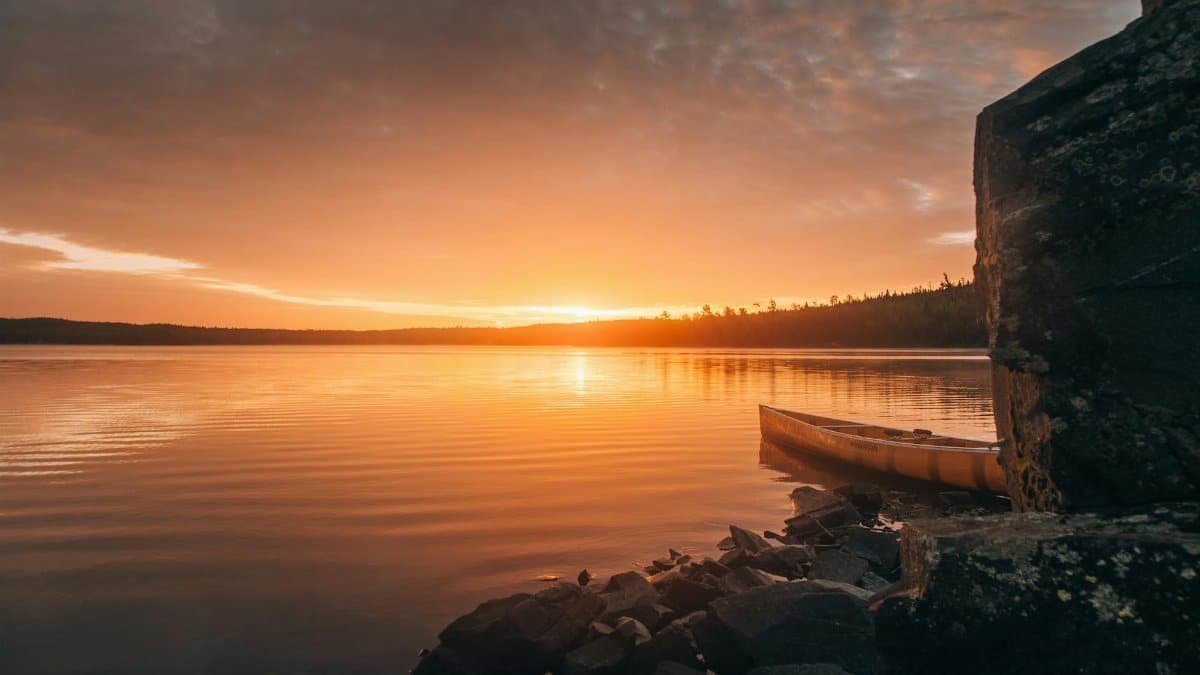
In the vast silence of the Boundary Waters Canoe Area Wilderness ancient pines stand sentinel over waters so clear they mirror the soul. It is here that countless visitors have long sought not only adventure but a profound sense of renewal and connection to something greater than daily life. This landscape holds a unique power to restore perspective especially for those in the middle years of life who come seeking clarity amid personal and professional transitions. Yet this pristine expanse now stands at the center of intense division following passage of the minnesota senate mining ban. The measure seeks to shield these waters and forests from proposed copper and nickel mining operations nearby. Supporters view the action as essential stewardship while opponents warn of economic consequences for northern communities. The debate reveals deep tensions between preservation and development in a state blessed with extraordinary natural heritage.
A Turning Point for Wilderness Protection

The Minnesota Senate vote represented years of advocacy research and emotional testimony. Lawmakers ultimately chose to prioritize ecological integrity over potential mineral wealth in an area many consider irreplaceable. Observers noted the decision reflected growing public awareness about the fragility of wild places. Those who have paddled these lakes understand the decision goes beyond policy. It touches on what kind of legacy we wish to leave. The ban creates a permanent buffer zone that prevents new mining projects from operating too close to the wilderness boundary. This action sets Minnesota apart from many other states still pursuing aggressive resource extraction near protected lands.
The Spiritual Pull of These Northern Waters
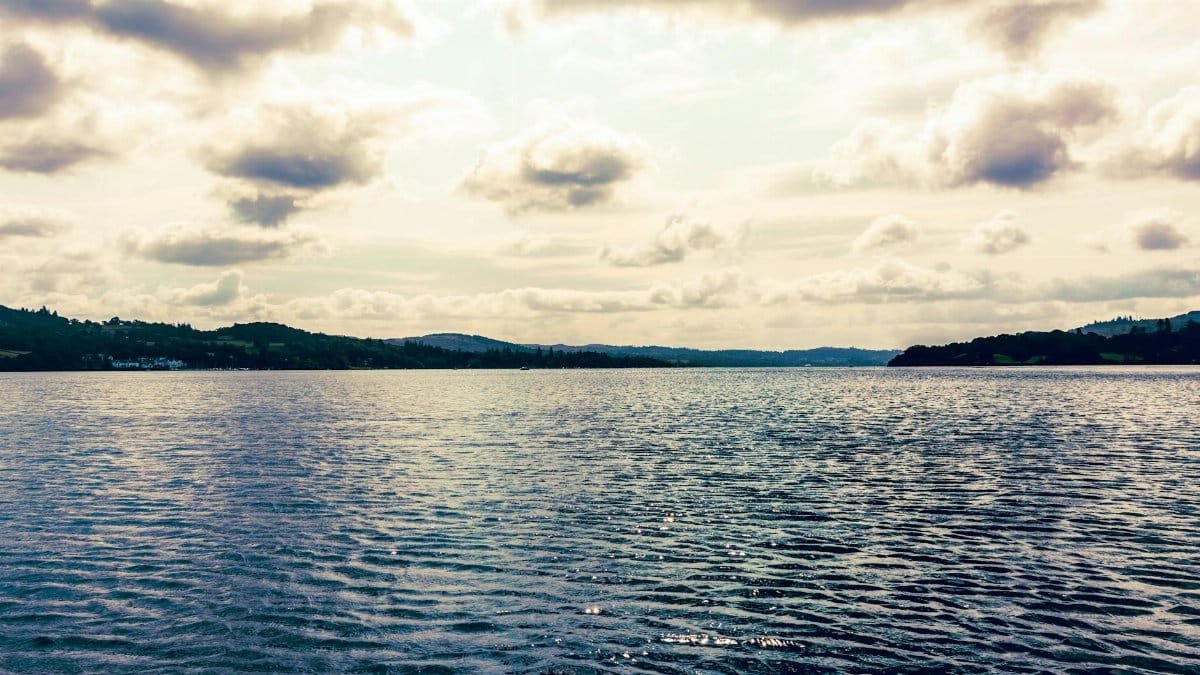
For many middle aged Americans the Boundary Waters offers more than recreation. It provides a rare space for spiritual reflection and reconnection with the natural world. In an era of constant digital demands these quiet lakes and forests allow people to experience awe and humility. Campers often describe moments of unexpected clarity while watching the night sky or listening to loons at dawn. This spiritual dimension has gained renewed attention as psychologists document the mental health benefits of time spent in old growth forests and pristine watersheds. The minnesota senate mining ban acknowledges that some places possess value beyond economic calculations. They feed the human spirit in ways statistics cannot capture. Indigenous traditions and contemporary seekers alike recognize these waters as sacred ground where generations find meaning and peace.
Economic Tradeoffs in Northern Minnesota

Critics of the legislation argue that blocking mining removes hundreds of potential jobs from a region that has struggled with economic transitions. Mining companies had promised significant investment and employment opportunities in an area where young people often leave for opportunities elsewhere. Local business owners expressed concern that the decision could limit future prosperity. Yet studies of similar regions show that protected wilderness areas can generate substantial revenue through tourism and outdoor recreation. Visitors spend money on gear lodging and guiding services creating a different kind of economy rooted in preservation rather than extraction. The question remains whether these benefits can fully replace what mining might have brought. Many communities now face the challenge of building sustainable economic models that honor both people and place.
Environmental Risks That Could Not Be Ignored
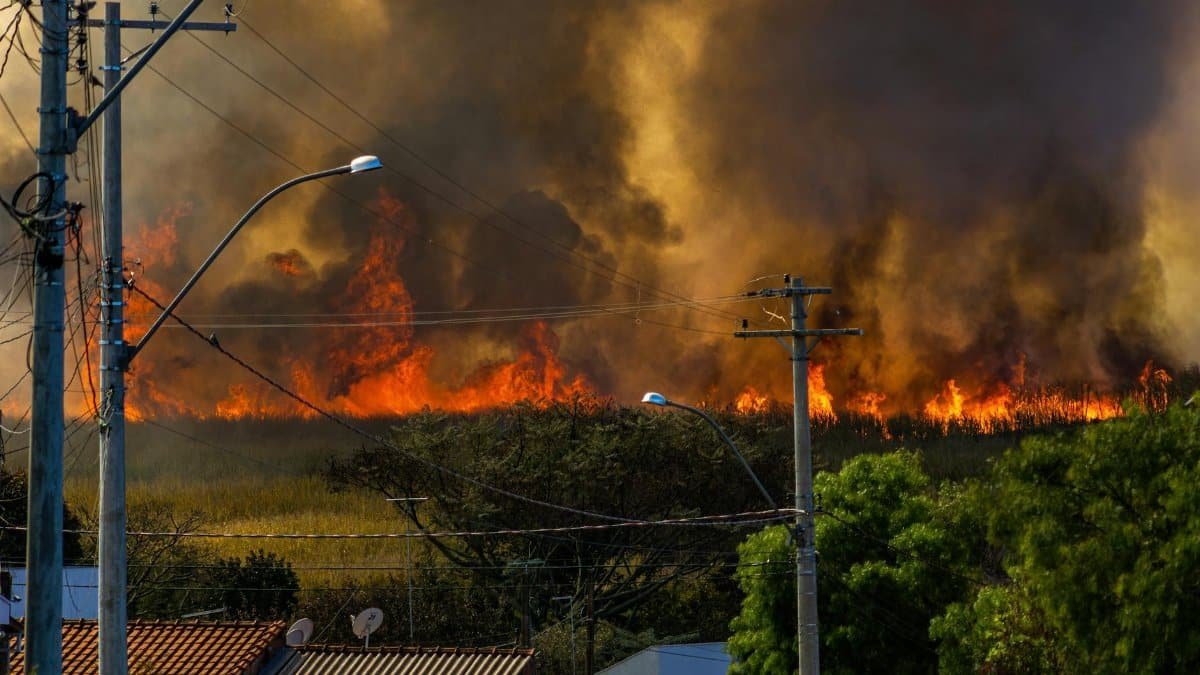
Proposed mines would have required massive infrastructure and created tailings ponds containing sulfide minerals. When exposed to air and water these materials can generate acid drainage that poisons streams for decades. Scientists documented how such pollution could flow directly into the wilderness watershed. The Boundary Waters represents one of the largest unspoiled freshwater systems in the lower forty eight states. Its protection matters not only for Minnesota but for the entire Mississippi River watershed downstream. The minnesota senate mining ban emerged after extensive scientific review revealed risks that conventional mitigation techniques could not sufficiently address. Environmental advocates presented evidence showing that once contamination begins cleanup becomes nearly impossible in such remote terrain.
Indigenous Voices Shape the Conversation

Tribal nations particularly the Ojibwe have maintained deep connections to this land for centuries. Their traditional knowledge and spiritual relationship with these waters informed much of the public debate. Tribal leaders emphasized that decisions about the land must consider seven generations ahead according to ancient teachings. The spiritual significance of these places cannot be separated from cultural survival. When lawmakers heard from elders about the stories songs and medicines tied to these forests the conversation gained moral weight. The resulting ban represents a rare instance where indigenous wisdom helped guide state policy. This collaboration offers hope for more inclusive approaches to land management across the nation.
Political Divisions Exposed by the Debate

The vote split along familiar lines yet revealed unexpected alliances. Some rural lawmakers broke with party leadership to support the ban citing personal experiences in the Boundary Waters. Urban representatives heard from constituents who vacation in the north and value its wilderness character. The discussion transcended typical political categories touching on identity values and visions for Minnesota future. Observers described the debate as unusually passionate with testimony running late into multiple nights. The final margin showed that public pressure and scientific evidence ultimately swayed enough votes to secure passage. This outcome may signal shifting attitudes about environmental protection even in politically moderate states.
Details of What the Ban Actually Does

The legislation prohibits state agencies from issuing permits for mining activities within a specified distance of the Boundary Waters boundary. It also prevents state owned minerals from being leased for extraction in sensitive zones. These measures close loopholes that previously allowed exploration to proceed. Legal experts describe the language as carefully crafted to withstand expected court challenges. The minnesota senate mining ban includes provisions for continued forest management and existing uses that do not involve sulfide ore mining. Supporters worked with scientists and attorneys to create language that protects the wilderness while respecting legitimate economic activities outside the restricted area.
Reactions Pour In From All Sides
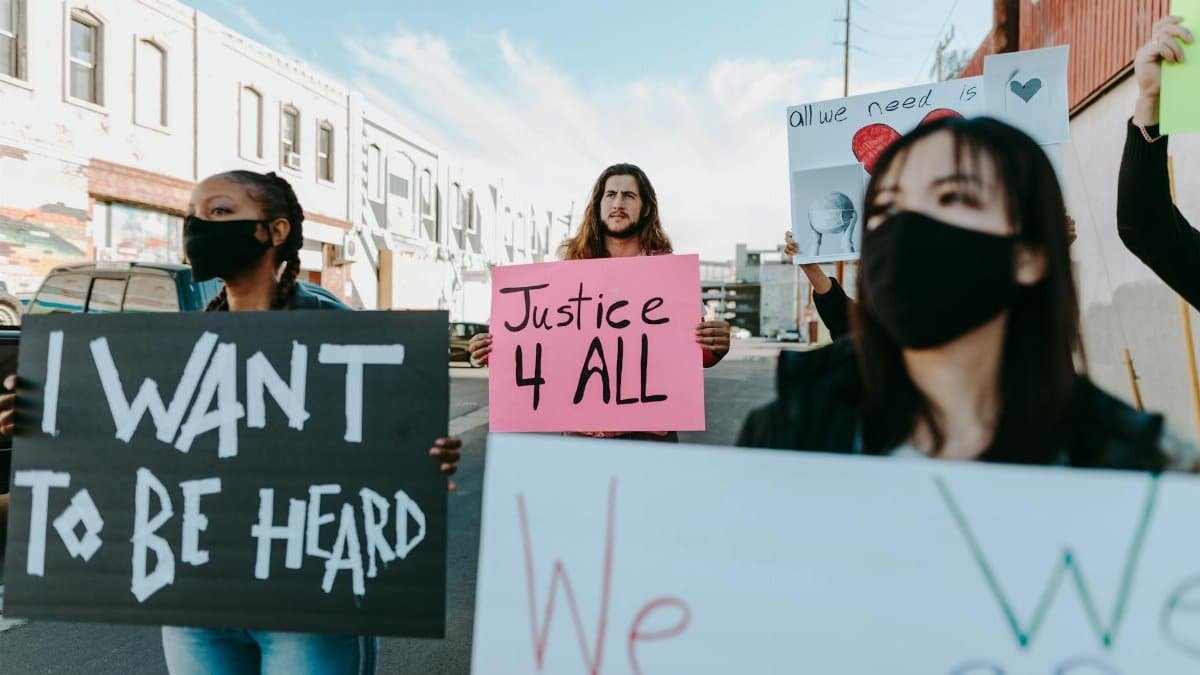
Mining industry representatives expressed deep disappointment calling the decision shortsighted and politically motivated. Union leaders worried about lost opportunities for skilled tradespeople. Meanwhile environmental organizations and outdoor recreation businesses celebrated what they termed a historic victory. Letters to editors reflected the full spectrum of opinion from anger to gratitude. National conservation groups took notice suggesting the Minnesota action could influence similar debates in other states with wilderness areas near mineral deposits. The intensity of responses demonstrates how powerfully this landscape captures public imagination.
Tourism Gains New Momentum
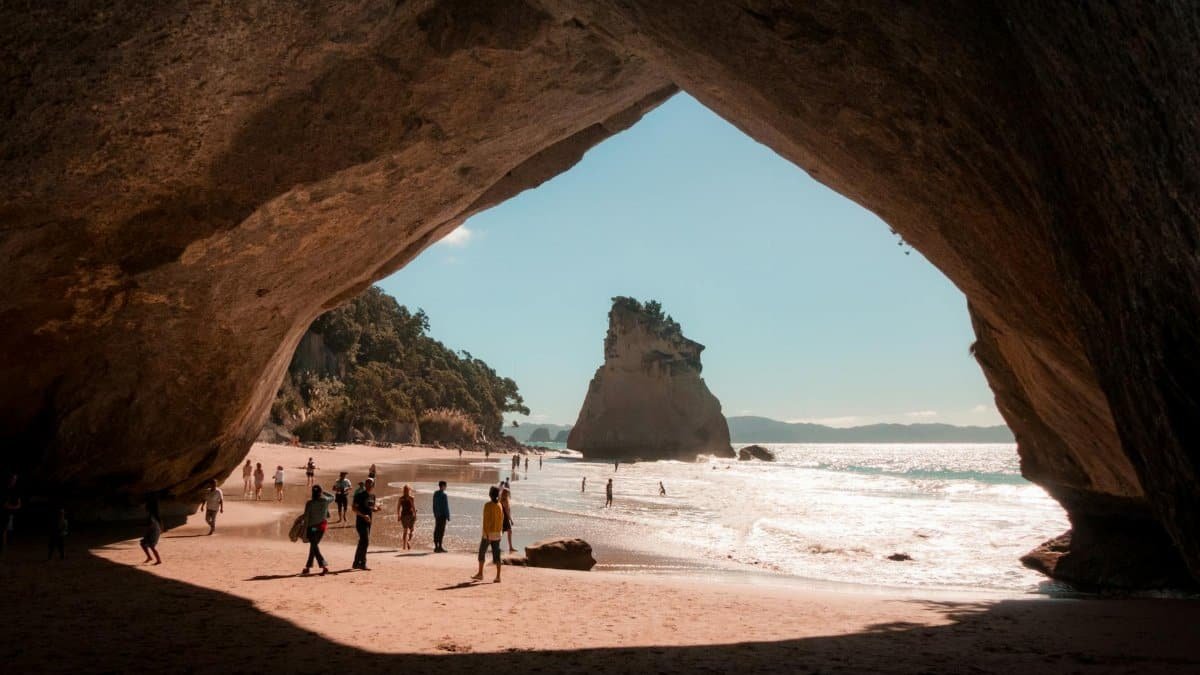
Outfitters and lodge owners report increased interest following the announcement. People seem drawn to places that have been deliberately protected for future enjoyment. The decision reinforces Minnesota reputation as a state that values its natural treasures. For middle aged visitors in particular the Boundary Waters offers something increasingly rare: true solitude and unspoiled beauty. Many describe returning year after year finding in these trips a form of spiritual pilgrimage that sustains them through ordinary days. Local economies may benefit as visitors seek authentic experiences rather than developed attractions. The challenge lies in managing increased interest without loving the wilderness to death.
Looking Ahead to Implementation and Challenges

Passing the ban represents only the beginning. State agencies must now create clear enforcement mechanisms and monitoring systems. Legal challenges from industry groups appear likely. Supporters will need to remain vigilant to ensure the protections endure. The decision also opens conversations about how Minnesota can support northern communities through this transition. Investment in sustainable development renewable energy and expanded tourism infrastructure could help ease economic concerns. The minnesota senate mining ban ultimately asks residents to imagine prosperity defined by healthy ecosystems rather than extracted resources. This vision requires creativity and long term commitment from leaders across sectors.
Finding Common Ground in Shared Love of Place

Beneath the political arguments lies something fundamental. Whether they support mining or preservation most Minnesotans share genuine affection for the northern forests and lakes. This common ground offers foundation for future dialogue. The ban does not solve every tension but it establishes a clear boundary around one of the states most treasured assets. For those who have experienced the Boundary Waters at dawn with mist rising from glass calm water the decision feels like an affirmation of something sacred. In protecting this place we protect something essential in ourselves. The coming years will test whether Minnesota can honor both its people and its wild heritage with wisdom and care.