
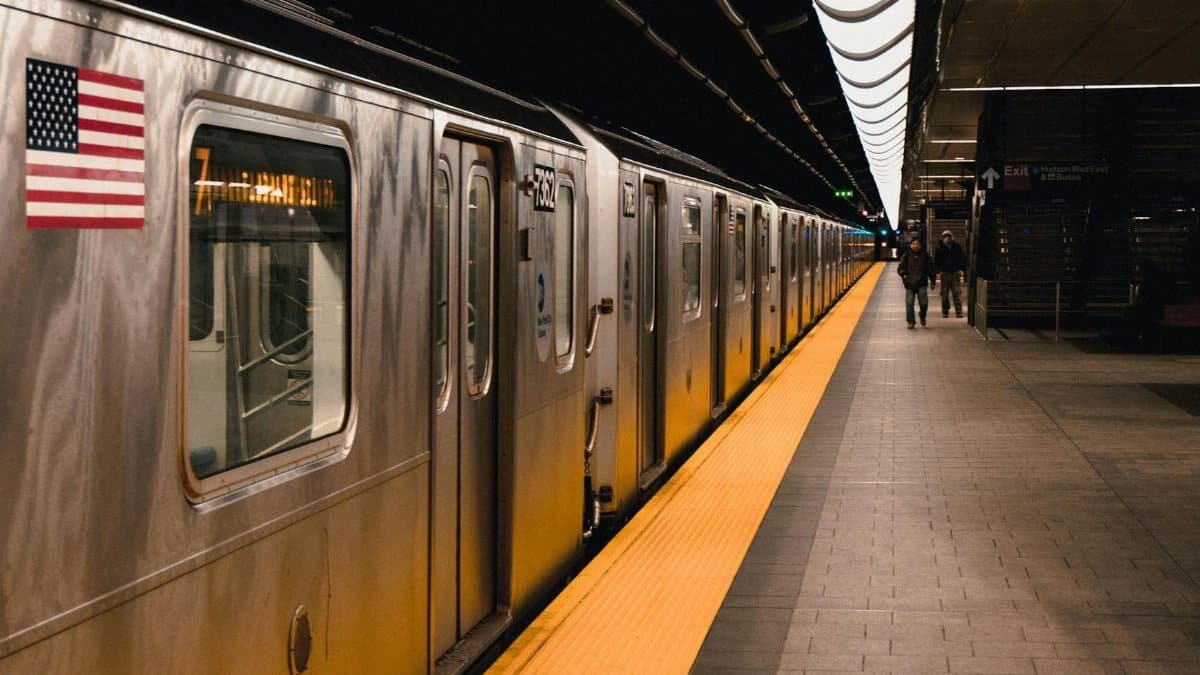
As Long Island faces the possibility of major transit disruption this spring, the Newsday editorial board has delivered a clear and urgent message. Both the unions representing Long Island Rail Road workers and the Metropolitan Transportation Authority must reach an agreement to prevent the lirr mta strike. For countless residents the daily train ride represents far more than a simple journey to the office. It serves as a pocket of quiet time for reflection, a buffer between the demands of work and the responsibilities of home. Many middle aged commuters describe these trips as essential to their sense of balance and even their inner peace. A sudden halt to service would ripple outward, touching family schedules, small business operations, hospital staffing and the broader sense of stability that holds communities together. The editorial board argues that neither side can afford to let talks collapse. With May approaching, the stakes extend beyond contracts and wages into the daily lives and emotional wellbeing of hundreds of thousands of people who simply want to move forward with their routines.
Newsday Editorial Board Takes a Stand
The editorial published by Newsday cuts through the usual diplomatic language of labor relations. It places responsibility squarely on both the unions and the MTA to prioritize the public good over leverage. Rather than waiting for a crisis, the board insists that leaders from each side should return to the table with fresh willingness to compromise. This position reflects a growing sentiment across Long Island that everyone loses if trains stop running. The piece avoids taking sides in the specific demands. Instead it focuses on the shared duty to keep the region functioning. Such direct language from a major local voice carries weight, particularly among readers who remember previous service interruptions and the frustration they caused.
Roots of the Current Impasse

At the heart of the disagreement lie familiar issues of compensation, work rules and long term benefits. Union representatives have emphasized the rising cost of living and the physical demands placed on crews who keep trains running safely through all weather and at all hours. The MTA in turn points to budget limitations and the need to maintain fiscal responsibility for the entire transit network. These positions have hardened over months of bargaining. Each side believes it has offered reasonable concessions while the other has not reciprocated sufficiently. The editorial board suggests that both parties are viewing the situation too narrowly. When transportation systems falter the effects spread quickly through schools, healthcare facilities and countless workplaces that depend on reliable arrivals.
Commuter Stories from the Trenches

Regular riders tell consistent stories of anxiety as the deadline nears. One accountant from Huntington who has taken the same train for eighteen years describes the train car as his mobile office where he prepares for the day ahead. Without that time his workload spills into family hours. A nurse from Babylon worries about reaching her shift at a Manhattan hospital if bus bridges replace rail service. These accounts reveal how the lirr mta strike would force difficult choices on people who already juggle multiple roles. Parents wonder about childcare adjustments. Adult children caring for aging parents question how they will manage medical appointments. The human stories behind the headlines remind everyone that transportation policy shapes real lives in profound ways.
Economic Fallout and Recovery Challenges

Analysts estimate that a prolonged service interruption could cost the regional economy hundreds of millions of dollars within the first week alone. Small businesses near stations would see immediate drops in foot traffic. Restaurants that depend on evening commuters would face empty tables. The broader supply chain that moves goods into and out of New York City could face delays that compound over time. Even after an agreement is reached the recovery period might stretch for weeks as confidence in the system rebuilds. These financial pressures add another dimension to the moral weight of the negotiations. Decision makers must weigh not only the interests of their immediate constituents but the economic health of the entire Island.
Spiritual Leaders Weigh In on the Dispute

Within this tense atmosphere faith communities have begun to speak about the deeper values at stake. Clergy from various traditions describe work as a calling that deserves respect and fair treatment. Several local ministers have organized quiet prayer gatherings focused on wisdom for negotiators. They emphasize the spiritual cost of division and the healing power of genuine listening. One rabbi from a synagogue near the Hicksville station noted that the Hebrew concept of shalom involves not merely the absence of conflict but the presence of wholeness and right relationship. Similar themes emerge from Christian and Muslim leaders who serve commuting congregations. Their collective message aligns with the Newsday call for renewed dialogue grounded in mutual dignity rather than pure power dynamics.
Historical Parallels in Transportation Labor

Long Island has seen rail labor tensions before. Previous rounds of tough bargaining produced agreements that averted strikes but often left lingering resentments on both sides. Looking further back the region recalls the broader transit strikes that paralyzed New York City in decades past. Those events taught valuable if painful lessons about the interconnected nature of urban and suburban economies. The current situation contains echoes of those earlier disputes yet also reflects new realities around remote work patterns that emerged after the pandemic. Understanding this history may help current participants avoid repeating old mistakes while adapting to present circumstances.
The Daily Commute as Quiet Reflection
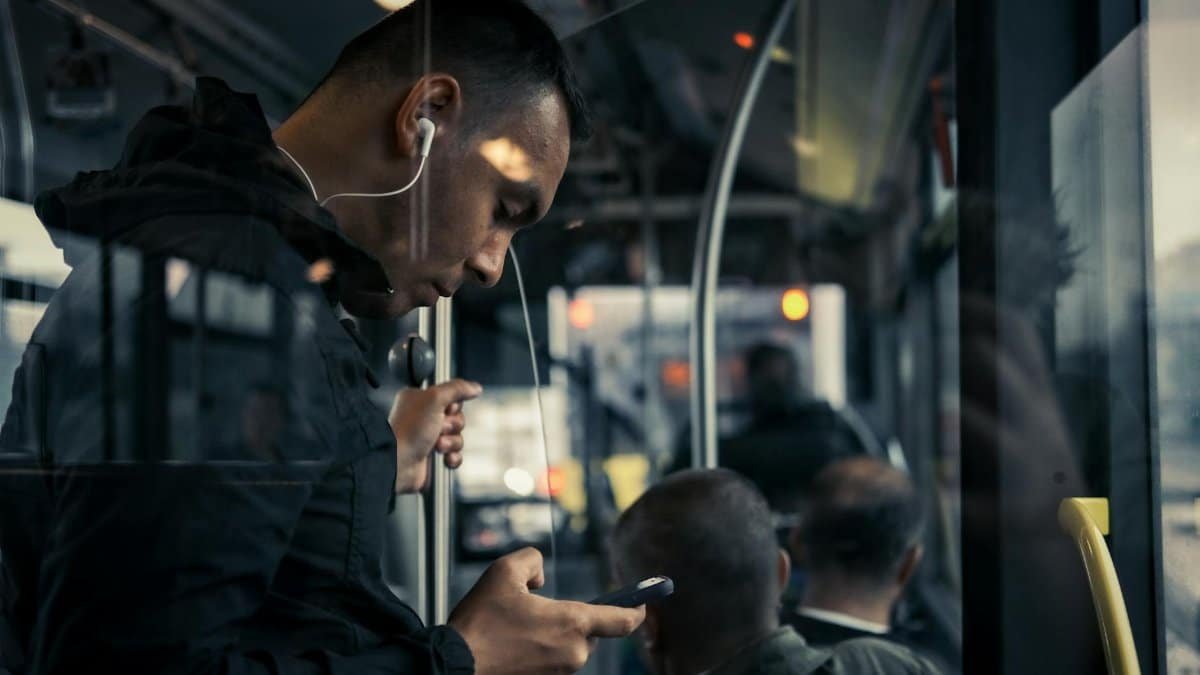
For many middle aged riders the train itself has become a moving sanctuary. Away from the distractions of home and office they read, meditate or simply stare out the window as the landscape passes. This unintentional spiritual practice helps them process the events of their lives and arrive at their destinations with greater focus. A sudden lirr mta strike would eliminate this space for many thousands of people. The loss might seem small when compared with larger economic statistics yet its cumulative effect on emotional health and family dynamics could prove significant. Some commuters have already begun exploring alternative routines such as walking segments of their journey or using the extra time for intentional prayer and contemplation.
Negotiating with Integrity and Purpose

True progress will require both sides to move beyond rehearsed talking points. The editorial board suggests that leaders should consider bringing in neutral facilitators who understand the unique operational demands of rail service. They also recommend greater transparency with the public about the core issues still separating the parties. When negotiations occur behind closed doors for too long suspicion grows. By contrast openness paired with serious intent can rebuild trust. The goal remains straightforward even if the path is complex. Both labor and management must find solutions that honor the contributions of workers while preserving the financial sustainability of the transit system that serves millions.
Impact on Family Life and Community Bonds

Families across Long Island are already adjusting expectations. Weekend sports schedules, evening classes and volunteer commitments all depend on predictable train times. When those times vanish the stress multiplies. Grandparents who watch grandchildren after school wonder about new pickup arrangements. Couples who coordinate single car households recalculate their options. These domestic pressures reveal how a transportation dispute quickly becomes a family matter. Communities that once drew strength from shared routines may experience isolation and frustration instead. The spiritual dimension appears here as well since many traditions teach that caring for family and neighbor forms the foundation of a meaningful life.
Finding Inspiration for Resolution

The coming weeks will test the character of everyone involved in these talks. The Newsday editorial board has provided a public service by refusing to treat the potential disruption as inevitable. Their call to action invites all parties including elected officials to engage more creatively and compassionately. History shows that difficult labor disputes can resolve when leaders remember the human faces behind their decisions. Whether through renewed bargaining sessions, public forums or quiet back channel conversations the opportunity for resolution still exists. The people of Long Island deserve leaders who will seize that opportunity before May arrives and the trains fall silent.
The lirr mta strike remains avoidable. With focused effort and a willingness to see beyond immediate interests both sides can still reach common ground. The editorial board has sounded a necessary alarm. Now the real work of listening and compromise must follow. In doing so the region might not only prevent a costly work stoppage but also model a more humane approach to labor relations that honors the dignity of all involved.