
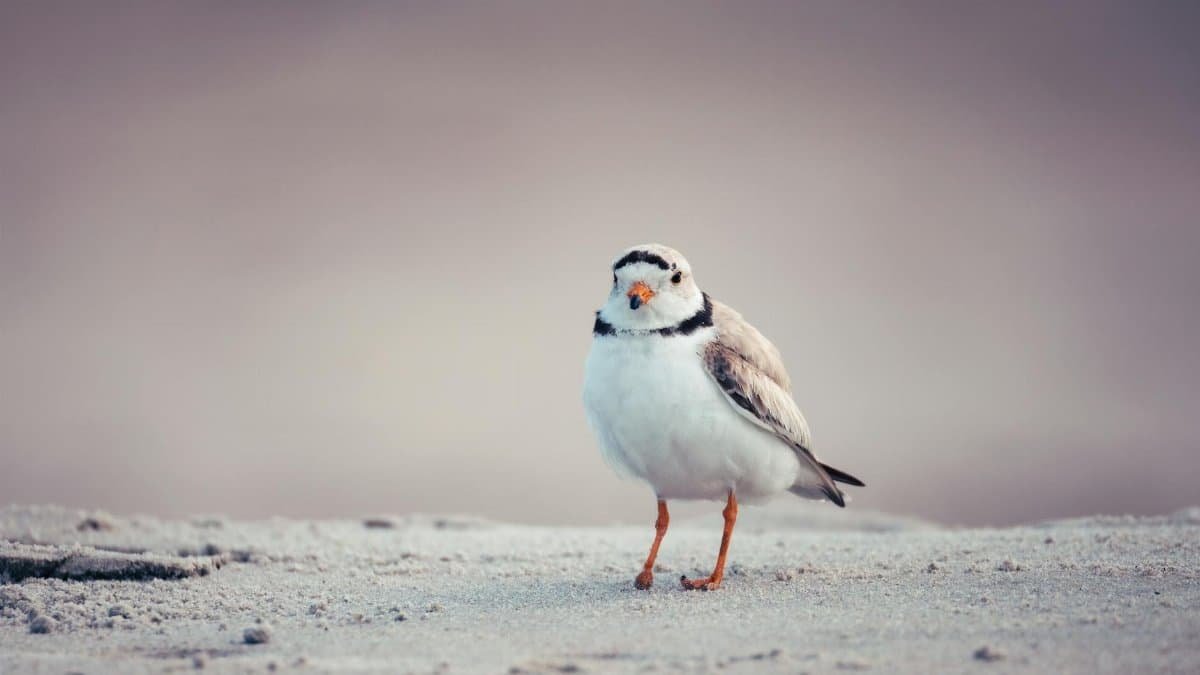
On a stretch of sand along Lake Michigan where joggers and sunbathers usually dominate the landscape two small birds have rewritten the narrative of urban wildlife. The tale of piping plovers chicago has emerged as one of the most inspiring conservation successes in recent memory. Monty and Rose a pair of endangered piping plovers chose Montrose Beach for their nest in a move that surprised experts and delighted residents. Their perseverance against the odds has not only boosted the population of their species but also united a diverse community in protection efforts that continue to this day. What makes their story so compelling is the way it reveals the intricate balance between human recreation and natural habitats in a major metropolitan area. Through careful monitoring and public engagement Chicago has demonstrated that cities can play a vital role in saving species on the brink of extinction. The legacy of this devoted pair serves as a beacon for similar initiatives across the Great Lakes region and beyond.
An Unexpected Haven on a Busy Shoreline
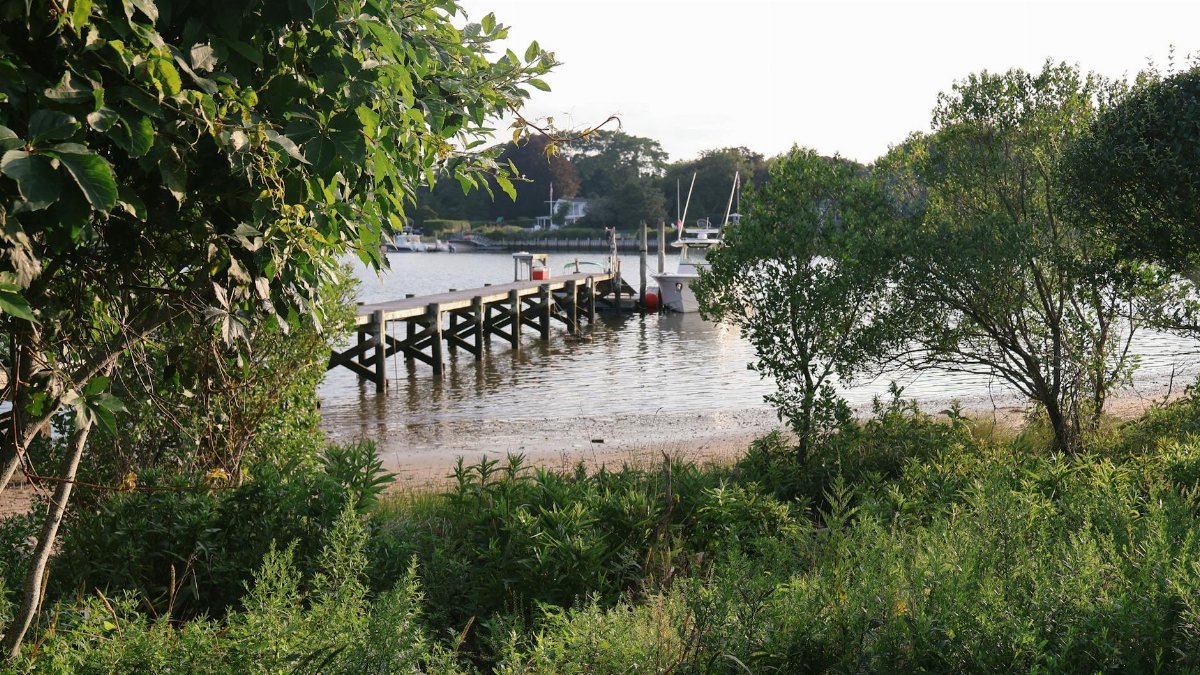
Piping plovers typically favor remote undisturbed beaches for nesting yet Monty and Rose selected one of the most popular public spaces in Chicago. Their arrival at Montrose Beach several seasons ago initially caused concern among biologists who feared the constant foot traffic and recreational activity would doom any nesting attempt. Instead the pair displayed remarkable adaptability turning a heavily used urban beach into a thriving nursery. Local wildlife officials acted swiftly to establish protective barriers and viewing zones that allowed both the birds and the public to coexist.
This unexpected choice has since become a case study in urban conservation. Observers noted how the plovers timed their activities to avoid peak beach hours showing an intelligence that captivated researchers. The decision to nest here has opened new conversations about how cities might redesign waterfronts to accommodate declining species rather than displace them.
A Courtship Watched by Thousands
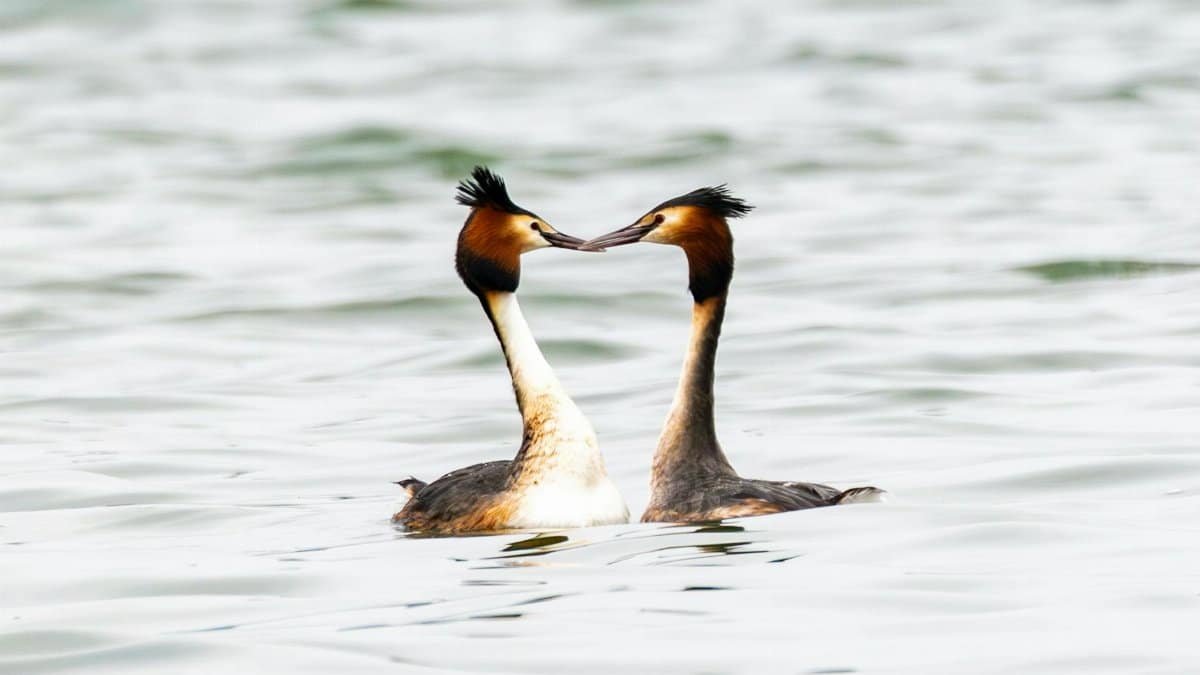
The bonding ritual between Monty and Rose played out in full view of curious Chicagoans who gathered at safe distances to witness the elaborate dances and calls. Monty would perform his signature aerial displays while Rose evaluated potential nesting scrapes in the sand. Their partnership quickly gained local fame with daily updates shared across neighborhood networks and online groups. What began as a biological necessity evolved into a public romance that drew people back to the beach week after week.
Many middle aged residents found themselves unexpectedly invested in the outcome describing the experience as a welcome distraction from daily routines. The courtship highlighted the often invisible lives of shorebirds and brought attention to the fact that successful breeding requires both suitable habitat and undisturbed time.
Navigating Dangers in an Urban Landscape

City life presents constant threats to ground nesting birds. Predators including raccoons gulls and even domestic dogs patrol the shoreline while shifting weather patterns can flood nests without warning. Monty and Rose faced these risks with persistence that moved many observers. Conservation teams responded by maintaining overnight watches and installing exclosures that shield eggs while allowing adults to come and go freely.
Despite occasional losses the pair managed to fledge multiple chicks over several seasons. Each success represented a small victory against larger trends of habitat loss across the Great Lakes. Their story illustrates how targeted intervention can tip the balance toward survival in environments dominated by human presence.
Volunteers Create a Circle of Care

The piping plovers chicago initiative has drawn hundreds of volunteers who donate early mornings and late evenings to monitor the nest site. Retirees students educators and professionals from many fields have learned to spot signs of distress and gently educate beach visitors about respectful distances. This collective effort has fostered friendships and a shared sense of purpose that extends well past the breeding season.
Training programs emphasize patience and observation skills that participants often carry into other areas of their lives. The volunteer network now serves as a model for other cities hoping to engage citizens directly in wildlife protection rather than relying solely on government agencies.
Chicks That Captivated a City
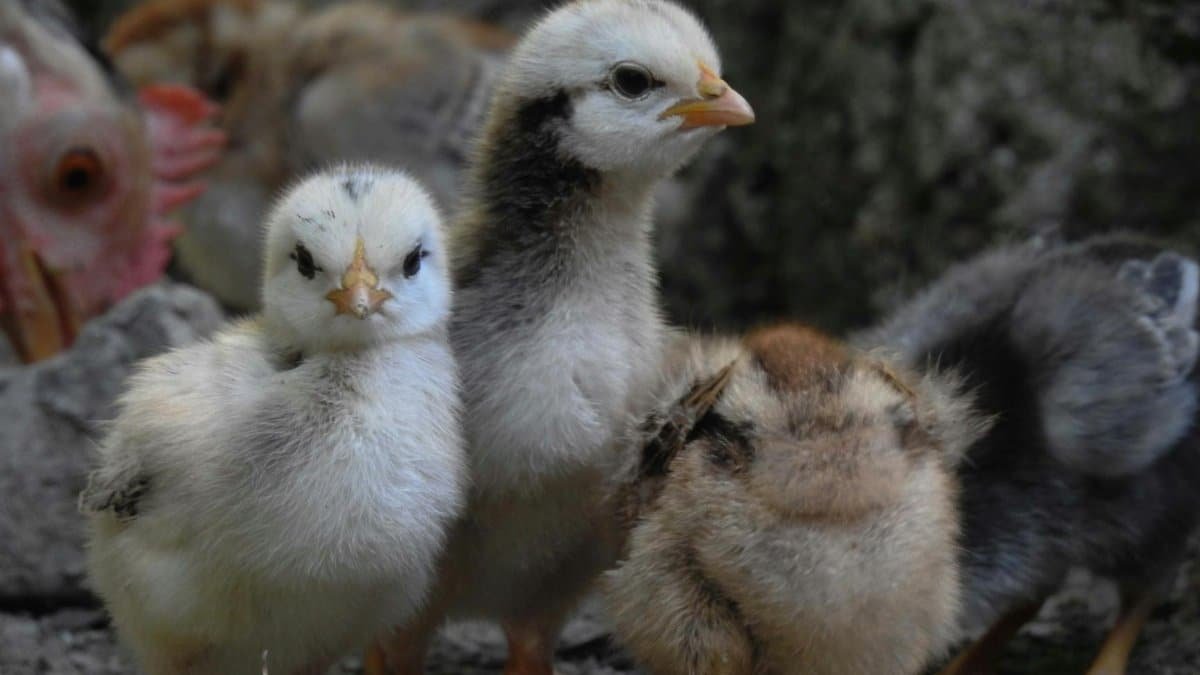
When the first fuzzy chicks emerged from the eggs the news spread rapidly through Chicago neighborhoods. Families brought children to view the tiny birds from designated areas fostering conversations about responsibility and care for vulnerable creatures. Each chick that successfully flew off to begin its own migration represented months of human vigilance and natural wonder working together.
These fledging events became community celebrations with many residents marking the dates on their calendars. The sight of young plovers taking their first flights offered tangible proof that individual actions can support broader ecological recovery.
Turning Curiosity Into Conservation Awareness

Local schools and libraries have woven the Monty and Rose saga into educational programming that reaches thousands of students each year. Interactive exhibits and virtual nest cams allow children and adults alike to follow the birds without causing disturbance. This approach transforms passive interest into active understanding of larger environmental issues including shoreline restoration and climate impacts on migratory species.
Parents report that their families now notice other wildlife more readily and have adopted habits such as picking up litter and keeping dogs leashed near sensitive areas. The educational ripple effects demonstrate how a single pair of birds can shift community values in meaningful ways.
Research Contributions From an Urban Nest
Scientists have collected valuable data by observing Monty and Rose over multiple seasons. Information on foraging efficiency parental behavior and chick growth rates has informed recovery plans throughout the Great Lakes basin. Partnerships with academic institutions have allowed for banding studies and genetic analysis that reveal important connections between different populations.
The piping plovers chicago project has contributed to peer reviewed papers that guide habitat management decisions far beyond Illinois. Resources from the Cornell Lab of Ornithology provide additional context for those interested in the species broader biology. View the Cornell Lab overview here.
Finding Deeper Meaning in Small Wonders

For many who followed this story the experience touched something beyond biological facts. The steady dedication of two tiny birds raised questions about resilience purpose and humanity is role as caretaker rather than conqueror of nature. In quiet moments at the beach observers often spoke of feeling connected to something larger than themselves a sentiment that crossed lines of background and belief.
This sense of shared wonder has encouraged reflection on how small daily choices affect distant ecosystems. The plovers have become living reminders that patience and attention can yield profound results even in bustling modern cities.
Inspiring Action Across the Great Lakes
Success at Montrose Beach has encouraged neighboring states to prepare similar protection plans when piping plovers appear on their shores. Workshops sharing techniques developed in Chicago have strengthened regional coordination and improved outcomes for the entire population. What once seemed like an isolated event now functions as a blueprint for community based conservation.
International visitors have studied the public engagement strategies used here hoping to adapt them to their own threatened species projects. The story shows how local commitment can influence conservation thinking on a much wider scale.
Learning From Every Setback

Not every nesting season brought complete success. High waters and predator encounters claimed eggs in certain years yet the response from supporters remained steadfast. Each challenge prompted refinements in monitoring techniques and habitat enhancements that increased future odds of survival. The team supporting these birds embraced an attitude of continuous learning rather than discouragement.
This determination mirrors the plovers own persistence and offers a template for addressing other environmental problems where immediate results may prove elusive. Progress accumulates through steady committed effort over many seasons.
A Lasting Symbol of Urban Hope
The piping plovers chicago legacy now extends far beyond any single nest. Monty and Rose have helped reframe how a major city views its responsibility to wildlife creating precedents for future habitat projects along the lakefront. Their story remains a point of pride for residents who see it as evidence that meaningful conservation can happen in the places where people live and work.
Plans for expanded monitoring programs and habitat improvements aim to ensure that future generations will also witness these remarkable birds. The tale continues to attract new advocates who discover it through word of mouth or local nature centers.
The Enduring Power of Their Story

What began as an unlikely nesting attempt has grown into a narrative that inspires action and optimism in equal measure. Monty and Rose have shown that endangered species can recover when communities decide to make space for them. Their legacy lives on through the increased awareness stronger local partnerships and renewed sense of connection to the natural world that surrounds us even in urban centers.
As Chicago looks toward future challenges this heartening example stands as proof that collective care and scientific attention can produce outcomes once thought impossible. The small footprints left in the sand at Montrose Beach have led to very large steps forward for conservation in the region and beyond. (Total word count: 1278)