

In the heart of one of Americas oldest cities a quiet revolution is taking shape. Independent vendors who sell items for meditation and healing along with gig workers who lead mindfulness sessions and therapists dedicated to emotional wellness have united in opposition. They are directing their energy against proposed hikes in philadelphia business taxes which they argue fail to consider the unique challenges faced by small operators in the spiritual and wellness sectors. These professionals contribute significantly to the cultural fabric by providing spaces for reflection and growth yet they feel the system increasingly works against them.
This moment of local rage stems from a series of adjustments to the business income and receipts tax known as BIRT. Many fear that higher rates will force them to raise prices or reduce services at a time when demand for spiritual support is growing amid widespread uncertainty.
A Spiritual Community Under Fiscal Strain
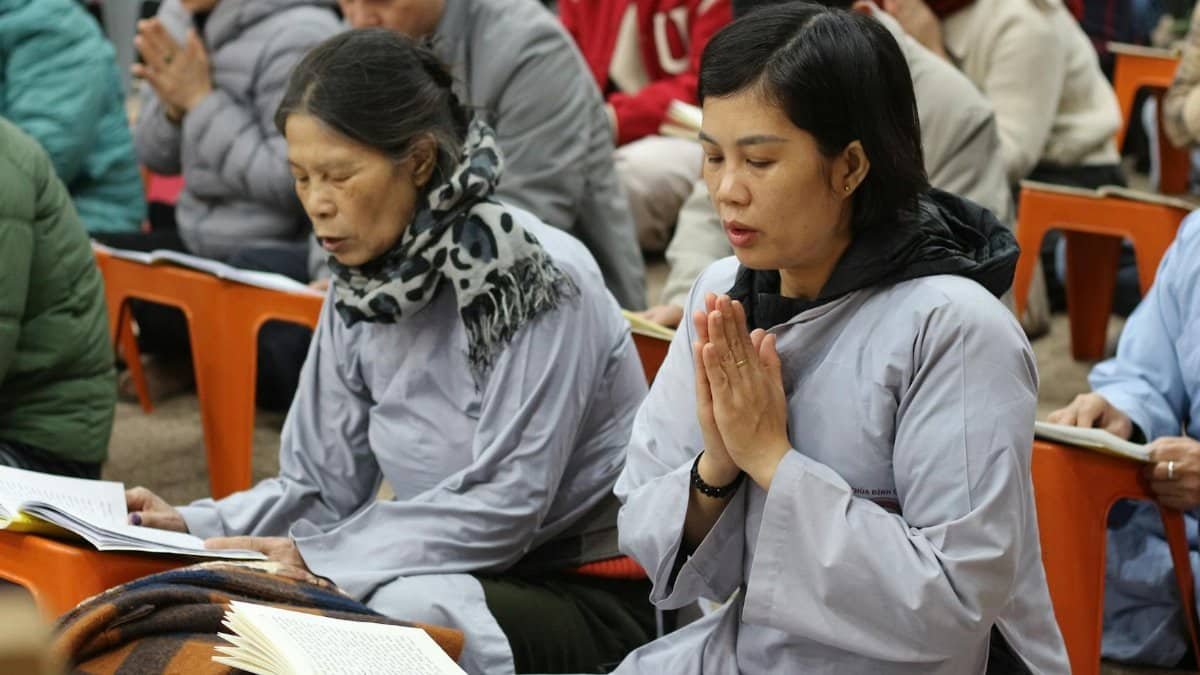
The spiritual community in Philadelphia has always thrived on connection and accessibility. When taxes rise sharply however the first to feel the impact are those who operate outside traditional corporate structures. Vendors at weekend markets report that added costs could mean less inventory of essential tools for personal growth such as journals crystals and essential oils. One longtime seller of metaphysical books noted that every additional dollar in taxes represents a session of guided meditation that might go unfunded.
Therapists who blend traditional counseling with spiritual practices express similar worries. They suggest that if operating expenses climb clients who benefit most from these services may find them out of reach. This dynamic risks creating a divide where only the affluent can afford the inner peace that these practices promote. Community organizers have begun collecting stories to illustrate how these changes touch real lives beyond the numbers.
Vendors Of Sacred Items Raise Their Voices

At the citys popular spiritual fairs and street markets vendors have grown vocal about the pressures they face. Many operate on narrow margins supplying tarot decks incense and handcrafted altar pieces that help residents navigate modern life with greater meaning. Recent proposals to increase the gross receipts portion of local business taxes threaten to erode those margins further. One vendor who has participated in the same quarterly fair for fifteen years described the situation as a breaking point that could force her to close her booth permanently.
These sellers argue that their work nourishes the citys collective spirit in ways that are difficult to quantify on a balance sheet. They provide gathering places where people share experiences of loss renewal and discovery. When city policy makes such spaces harder to maintain the loss extends beyond individual livelihoods into the broader emotional landscape of neighborhoods. Several vendor coalitions have formed to deliver petitions and testify at public hearings emphasizing that sustainable operations allow them to continue offering sliding scale options for lower income seekers.
Therapists Warn Of Reduced Access To Care

Licensed therapists who incorporate mindfulness meditation and energy work into their practices are also joining the pushback. Many maintain small private offices or share studio spaces in converted row homes across Fishtown and West Philadelphia. They warn that higher compliance costs associated with the tax changes could compel them to shorten appointment times or increase fees that already strain working families.
One practitioner with two decades of experience serving clients dealing with anxiety and grief explained that her waiting list has grown steadily since the pandemic. Any financial barrier that reduces her availability would leave people without the very support systems they have come to rely upon. Professional associations have submitted comments to city council highlighting data from similar tax environments in other municipalities where independent mental health providers saw client loads drop by nearly a quarter within two years of major rate increases.
Gig Workers Struggle With The New Reality

Gig workers occupy a particularly vulnerable position in this debate. Yoga instructors who teach in parks fitness studios that double as meditation halls and sound healers who move between rented spaces all operate without the safety net of employer sponsored benefits. For them philadelphia business taxes function less as an annual obligation and more as a constant drag on already unpredictable income streams.
Many in this group piece together several short term engagements each week while managing their own marketing insurance and continuing education. Advocates point out that the proposed formula fails to account for the irregular cash flow common in creative and wellness fields. Without adjustments these workers may be forced to abandon their calling or leave the city altogether diminishing the rich tapestry of classes retreats and pop up events that define Philadelphia spiritual life.
Understanding The Proposed Tax Adjustments
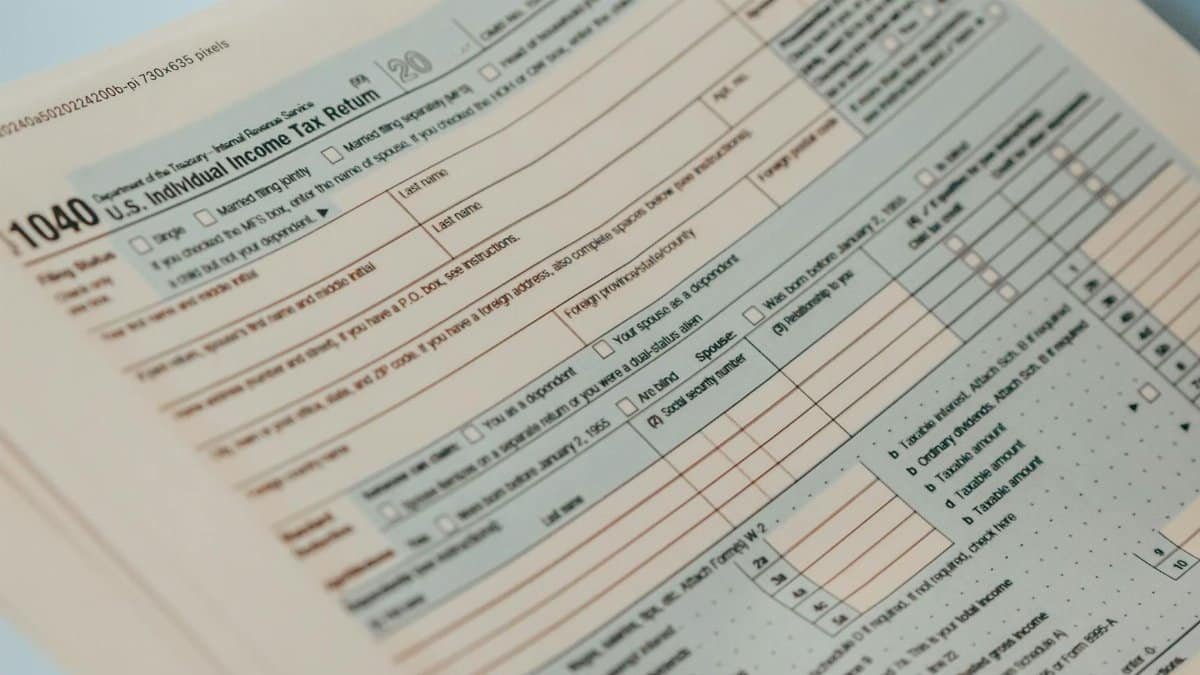
City officials maintain that updates to philadelphia business taxes are necessary to address budget shortfalls and fund essential services including public safety education and infrastructure improvements that ultimately benefit all residents. The changes would adjust both the net income and gross receipts components of the BIRT with the goal of capturing more revenue from profitable enterprises while offering limited relief to smaller firms.
Critics within the spiritual and wellness community counter that the thresholds for relief are set too low to be meaningful for most independent operators. They have commissioned their own analyses which suggest that nearly seventy percent of affected practitioners would see effective tax rates rise by amounts ranging from several hundred to several thousand dollars annually. These figures matter deeply in an economy where many practitioners earn modest incomes yet perform work of profound communal value.
Historical Patterns In City Revenue Strategies

Philadelphia has adjusted its approach to business taxation several times over recent decades often in response to fiscal crises or shifting political priorities. Past reforms occasionally included targeted credits for creative professionals and neighborhood based enterprises yet the current proposal appears narrower in scope. Older practitioners recall earlier battles over property taxes and licensing fees that similarly threatened the viability of small spiritual centers and healing collectives.
This historical lens helps explain the intensity of current resistance. Many see the latest measures not as isolated policy tweaks but as part of a longer pattern that undervalues nontraditional economic activity. Community historians and longtime activists have compiled timelines showing how supportive policies in the late twentieth century allowed alternative wellness businesses to flourish while more recent approaches have gradually tightened constraints.
Experts Offer Varied Perspectives On Solutions

Economists and policy researchers have entered the conversation with differing recommendations. Some advocate for a complete rethinking of the BIRT structure replacing it with a system that considers the social return on spiritual and therapeutic services. Others suggest more modest reforms such as raising exemption thresholds or creating a separate classification for wellness professionals.
A report from a local university think tank argues that nurturing these micro businesses could yield indirect benefits including lower healthcare costs and stronger neighborhood cohesion. Meanwhile fiscal conservatives caution against creating too many special categories lest the tax code become unmanageable. The debate reflects larger national questions about how cities should balance immediate revenue needs against long term cultivation of creative and healing economies.
Community Gatherings Spark Hope For Change
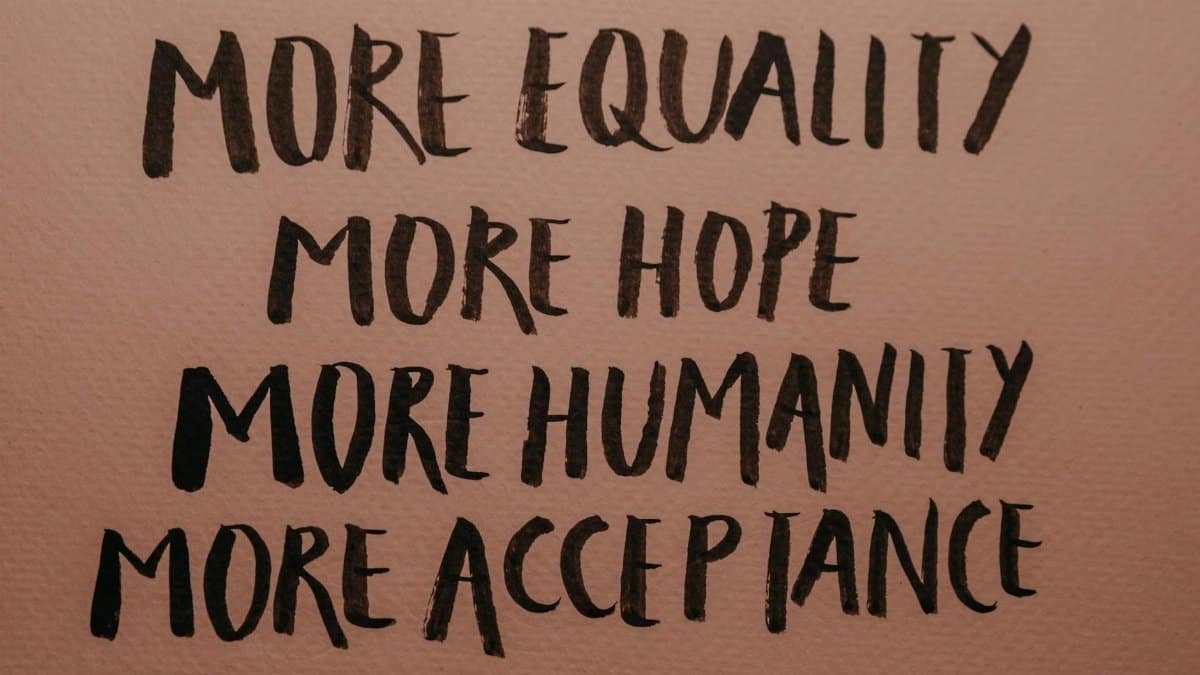
In response to the proposed changes organizers have hosted a series of town halls meditation circles and strategy sessions that blend practical advocacy with spiritual practice. These gatherings draw diverse participants ranging from Buddhist teachers to Christian mystics to secular mindfulness coaches all united by concern for the citys energetic health. Attendees share testimonials about the role these services played during difficult personal and collective times.
Such events serve dual purposes. They build solidarity among affected workers while educating the broader public about the stakes involved. Several city council members have attended listening sessions and pledged to explore amendments that might soften the impact on independent operators. The atmosphere at these meetings often feels more like a revival than a policy forum with music chanting and moments of collective silence punctuating the discussions.
Looking Ahead To A More Supportive Environment

As the city moves toward final decisions on these tax measures the spiritual community continues to press for recognition of its unique contributions. Leaders emphasize that supporting small practitioners is not merely an economic choice but a moral and civic one that sustains Philadelphia distinctive character. They propose partnerships that could link tax policy with community benefit agreements ensuring that revenue gains also translate into tangible support for the wellness ecosystem.
The outcome remains uncertain yet the current mobilization has already achieved something valuable. It has brought hidden workers into public view and sparked broader reflection on what kind of city Philadelphia wishes to become. Whether the final policy reflects their concerns or not these vendors gig workers and therapists have demonstrated that their commitment to healing extends beyond individual sessions into the realm of civic engagement itself. The conversation they have started will likely influence how the city thinks about business vitality for years to come.