
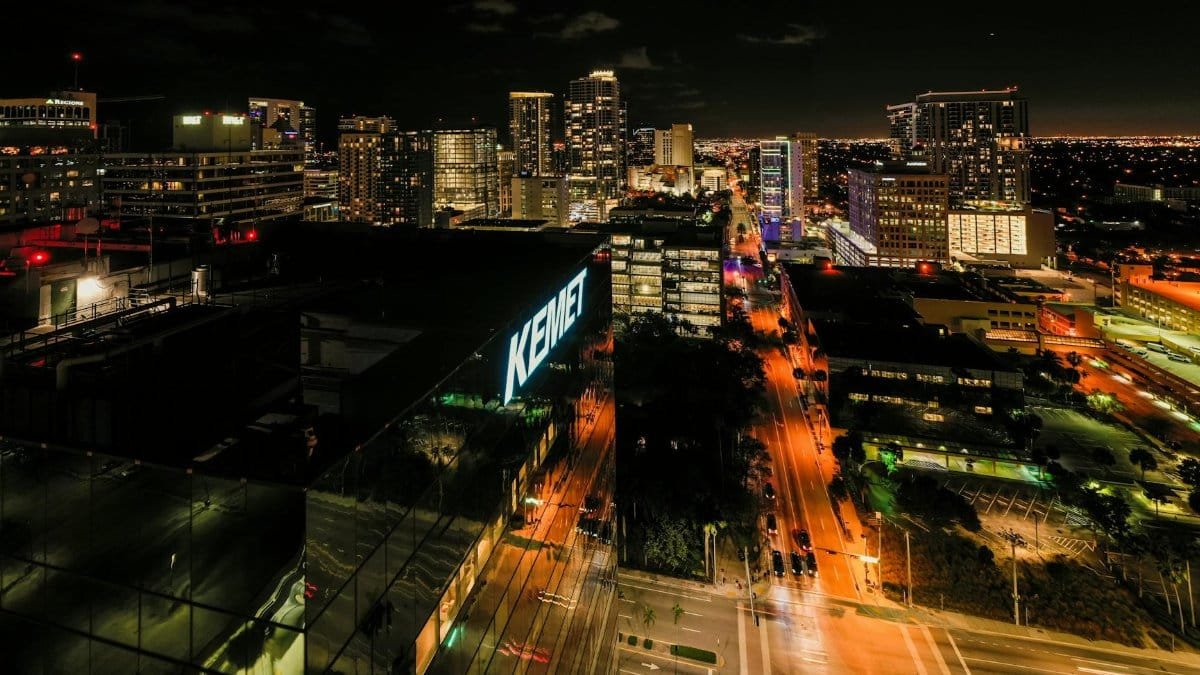
In the lights of the commission chamber one recent evening tensions boiled over as elected officials traded sharp words about the future of their citys most visible symbol of authority. At issue is a proposal to replace the aging structure with a gleaming new complex that would cost 268 million dollars. This battle over fort lauderdale city hall transcends mere construction details. It touches on fundamental questions of leadership responsibility to future generations and the very spirit that defines this vibrant South Florida community. For many residents who have followed the proceedings the debate has become a mirror reflecting larger anxieties about growth sustainability and what kind of legacy current leaders will leave behind. The exchanges have grown personal at times revealing not just policy differences but contrasting philosophies about governance in an era of rapid change and environmental uncertainty.
Deep Divisions Surface Among Commissioners

Commissioners once known for finding common ground found themselves fractured during the lengthy hearing. One faction pushed for an ambitious redesign that would consolidate services and create an inviting public plaza while another group insisted the price tag represented an irresponsible burden on taxpayers already facing soaring costs for flood insurance and housing. The tone grew heated when accusations of grandstanding met counter charges of shortsighted thinking. These splits reflect broader tensions within local politics where visions for economic development collide with demands for fiscal caution. Observers noted that the debate seemed to crystallize years of simmering disagreements over how the city should allocate its resources in a region vulnerable to climate shifts.
Ambitious Vision For The New Complex
Proponents describe a forward looking facility that would house multiple departments under one roof while incorporating flexible meeting spaces and technology designed for transparent governance. The plan includes ground floor areas open to the public intended to encourage civic engagement rather than intimidate visitors. Architects involved in early concepts spoke of creating a structure that feels approachable yet dignified one that could serve the community for the next century. Supporters argue that investing now prevents more expensive patchwork repairs later and positions Fort Lauderdale as a model for progressive municipal design in South Florida. They see the project as more than bricks and mortar but as a statement about confidence in the citys future.
Questions Of Fiscal Responsibility Arise

Critics have focused intensely on the bottom line questioning whether 268 million dollars could be better directed toward affordable housing initiatives or infrastructure improvements that combat repetitive flooding. Several commissioners highlighted the need for rigorous independent audits and detailed cost projections before any final commitment. They reminded colleagues that every dollar spent represents funds taken from residents who expect careful stewardship. This perspective resonates with many middle income families in Broward County who feel squeezed by economic pressures. The discussion has prompted renewed calls for alternative financing models including public private partnerships that might reduce the direct burden on city budgets.
Preparing For Environmental Threats

Any conversation about major construction in Fort Lauderdale must address the reality of rising sea levels and increasingly severe rain events. Commissioners debated elevation requirements flood barriers and sustainable building practices that could withstand future climate stresses. Some experts consulted during the process emphasized that ignoring these factors would render the investment obsolete within decades. The dialogue highlighted a growing awareness that civic projects must incorporate resilience as a core principle rather than an afterthought. This practical concern carries deeper implications about the duty current leaders have to protect not only physical structures but the continuity of democratic functions when faced with environmental disruption.
Architecture That Inspires Civic Pride
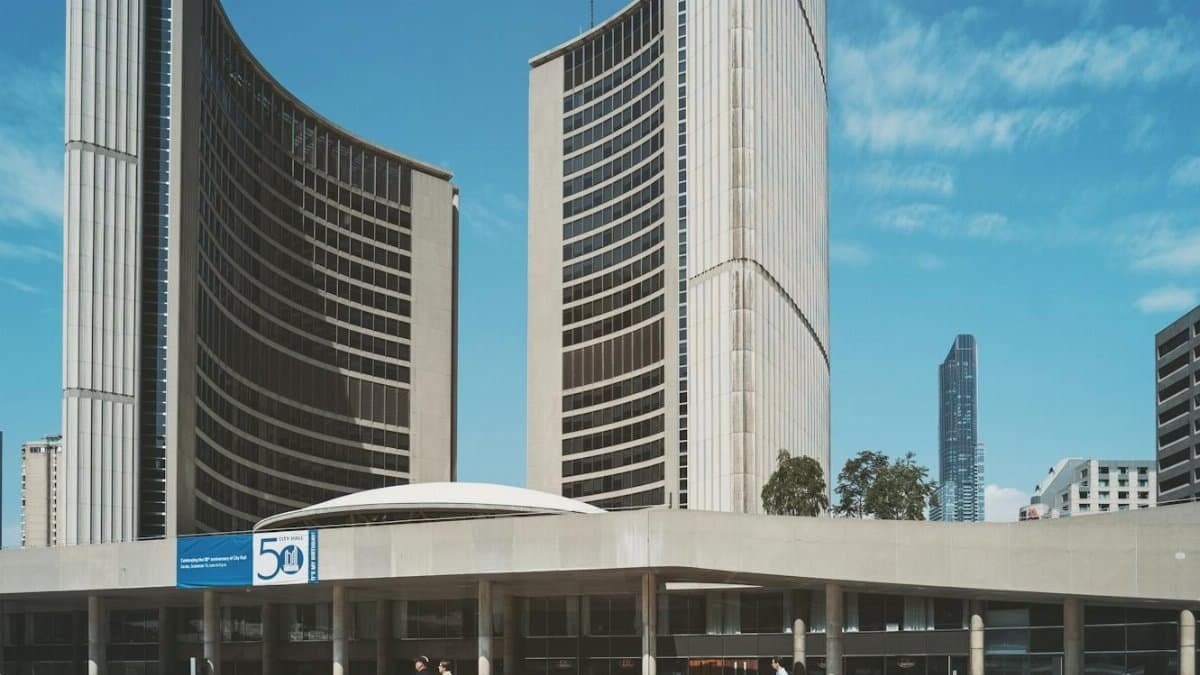
Beyond functionality the proposal has sparked conversation about the power of design to shape how residents feel about their government. A well conceived city hall can communicate values of openness accessibility and respect for the public it serves. Throughout history great civic buildings have served as gathering points that reinforce collective identity. In this case designers aim to replace a structure many consider outdated with one that reflects contemporary South Florida aesthetics while honoring the subtropical landscape. The hope is that the finished project would generate pride among residents and even become a subtle tourist draw demonstrating that local government can lead with imagination and competence.
The Spiritual Importance Of Shared Spaces

At its core the debate over fort lauderdale city hall touches something deeper than budgets or blueprints. Public architecture has always held a spiritual dimension by creating spaces where citizens encounter one another as equals and experience connection to something larger than individual concerns. A thoughtfully designed civic center can function almost like a secular temple fostering a sense of belonging purpose and shared stewardship of the common good. Several speakers during public comment periods described their longing for a building that elevates rather than alienates reminding officials that government structures inevitably influence the spirit of the community they represent. This perspective added emotional weight to otherwise technical discussions about square footage and parking ratios.
Residents Make Their Voices Heard
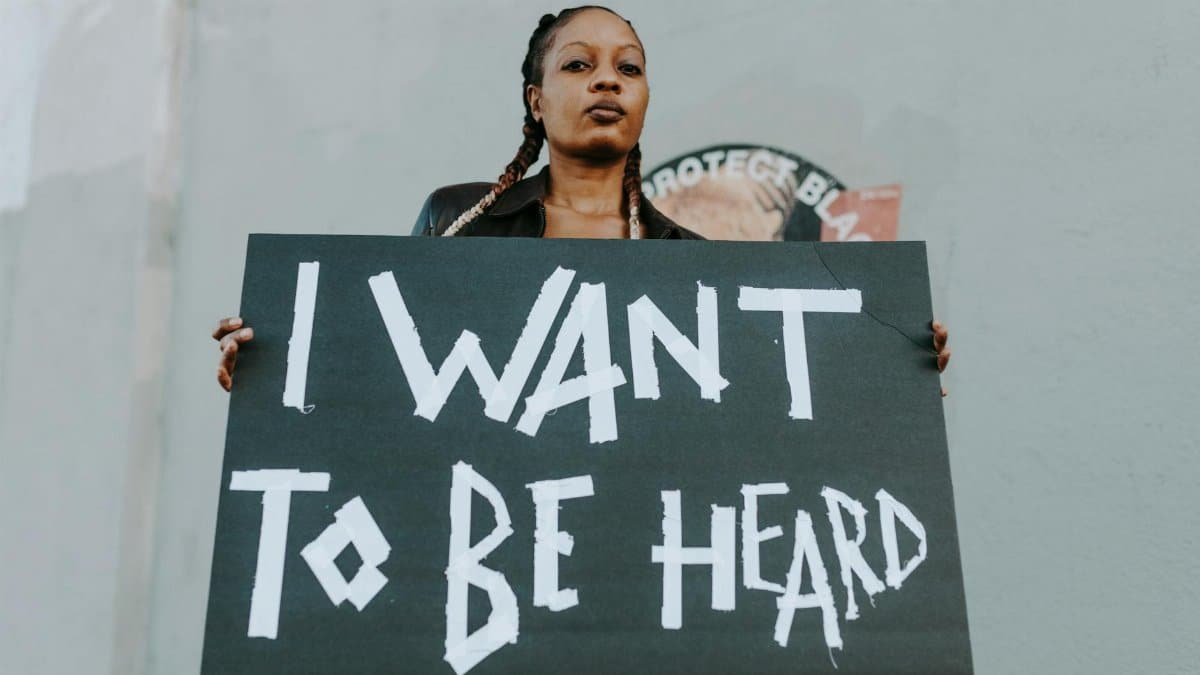
Public participation has been robust with dozens of residents signing up to speak during multiple hearings. Some expressed enthusiasm for a modern facility that could host cultural events and educational programs strengthening neighborhood bonds. Others worried about disruption during construction and potential tax increases that might force longtime residents to leave. The input revealed a community passionate about its future yet wary of decisions made without sufficient transparency. Town hall style meetings held in recent months have shown that when given the opportunity Fort Lauderdale residents care deeply about the symbolic importance of their government buildings and want to ensure the final choice reflects collective values rather than narrow interests.
Learning From The Past

Fort Lauderdales governmental history offers useful context for the current debate. Previous generations made bold choices about where and how to locate centers of authority often with mixed results. The existing building itself represents the priorities of an earlier era focused on efficiency over public interaction. By studying both successes and failures from other municipalities commissioners have an opportunity to avoid repeating costly mistakes. Historical examples from cities that invested wisely in civic infrastructure demonstrate how such projects can pay dividends in community cohesion and economic vitality for generations. This longer view has helped some participants step back from immediate political pressures to consider lasting impacts.
Political Dynamics At Play

The controversy has exposed shifting alliances among commissioners with some traditional allies finding themselves on opposite sides. Election cycles appear to influence certain positions as candidates position themselves either as prudent financial guardians or visionary leaders. Outside groups including business associations and environmental organizations have weighed in attempting to shape the narrative. As reported by the Miami Herald the intensity of the exchanges surprised even longtime political watchers. These dynamics illustrate how a single major project can become a proxy for larger ideological battles about the proper size and role of local government in addressing contemporary challenges.
Exploring Other Possible Paths

Not everyone believes new construction represents the only responsible choice. Some commissioners have advocated for substantial renovation and expansion of the current facility arguing it could achieve many goals at considerably lower cost. Others have suggested phased approaches that spread expenses over more years or explored relocation to less flood prone areas. These alternatives deserve thorough analysis before any irreversible decisions. Creative thinking might yield hybrid solutions that balance ambition with practicality. The existence of multiple options has complicated the debate but also enriched it by forcing participants to articulate exactly what outcomes matter most to the communitys well being.
Implications For Democratic Engagement

Beyond the specific project this episode offers a window into the health of local democracy. The willingness of commissioners to disagree publicly even sharply demonstrates that debate remains alive in Fort Lauderdale. At the same time the occasional descent into personal attacks raises questions about whether the tone serves the public interest. Citizens watching these proceedings receive powerful signals about how their leaders handle disagreement and exercise power. The process itself whether it leads to wise decisions or not will influence trust in local institutions for years to come. In this sense the conversation about fort lauderdale city hall has become a test of the communitys ability to deliberate thoughtfully about its shared future.
Path Forward Remains Uncertain
As the commission prepares for additional votes and further public input the ultimate outcome stays difficult to predict. What has become clear is that residents are paying close attention and expect a process grounded in transparency and genuine consideration of diverse viewpoints. The spiritual and practical stakes could not be higher. A successful resolution would produce more than just a functional building it would demonstrate that democratic institutions can still rise above short term thinking to create structures that nourish both the body politic and the deeper human need for connection and meaning. Whatever choice emerges will speak volumes about the values Fort Lauderdale chooses to embody in the twenty first century.