
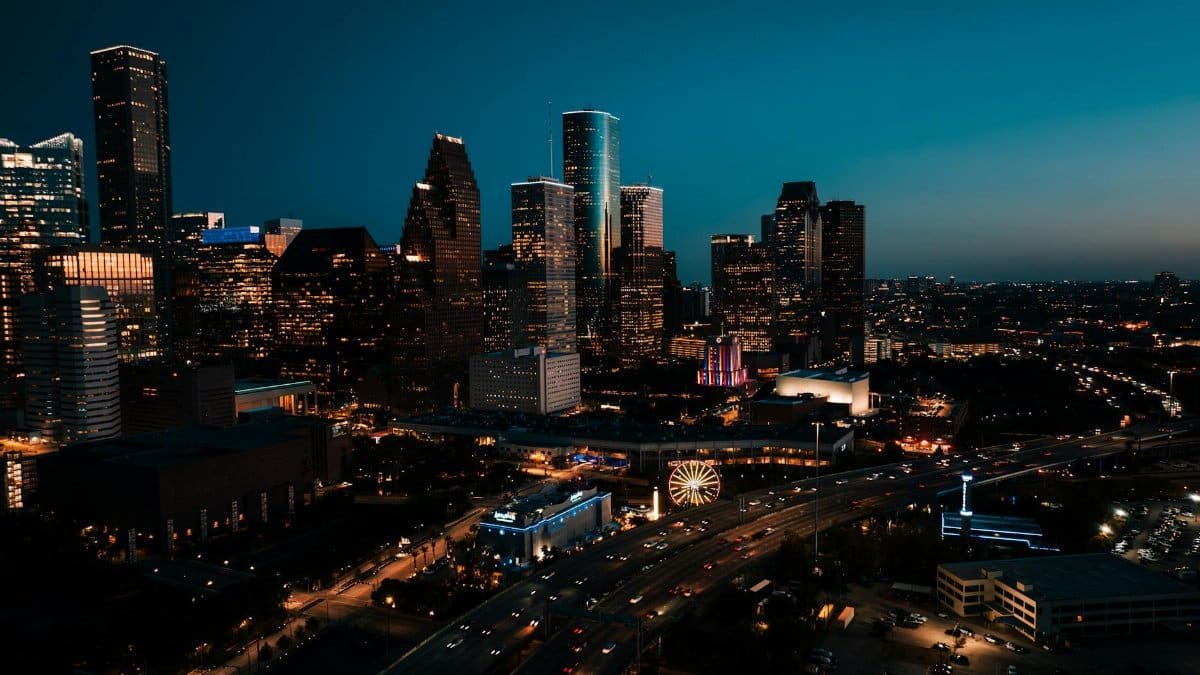
As Houstonians step outside into the thick humidity of another Texas morning they may sense that something in the global climate system has shifted. The Pacific Ocean has moved into a neutral state meteorologists call La Nada. This transition creates the la nada weather houston pattern now drawing attention from scientists and residents alike. For a metropolitan area that has endured hurricanes floods and prolonged heat the arrival of this neutral phase introduces a special kind of unpredictability. Patterns that once offered some reliability now seem veiled in doubt. Communities that have learned to read the skies suddenly find the forecast less clear. This moment invites deeper consideration of how we live with forces larger than ourselves and how those forces touch not only our calendars but our sense of place and purpose.
What Exactly Is La Nada
La Nada represents the absence of both El Nino and La Nina influences. Sea surface temperatures in the equatorial Pacific remain close to average rather than showing the warming or cooling that defines the other phases. Without those strong signals atmospheric circulation patterns lose their usual guidance. The result is greater variability in weather across North America. Researchers at the National Oceanic and Atmospheric Administration have tracked these neutral periods for decades noting that they often produce outcomes that are harder to anticipate months in advance. In practical terms this means Houston could see an unusually wet spring followed by a dry summer or the reverse with little warning. The lack of a dominant pattern leaves room for many possibilities which is why the term nothing feels paradoxically heavy with potential outcomes.
How This Phase Influences Texas Weather Patterns
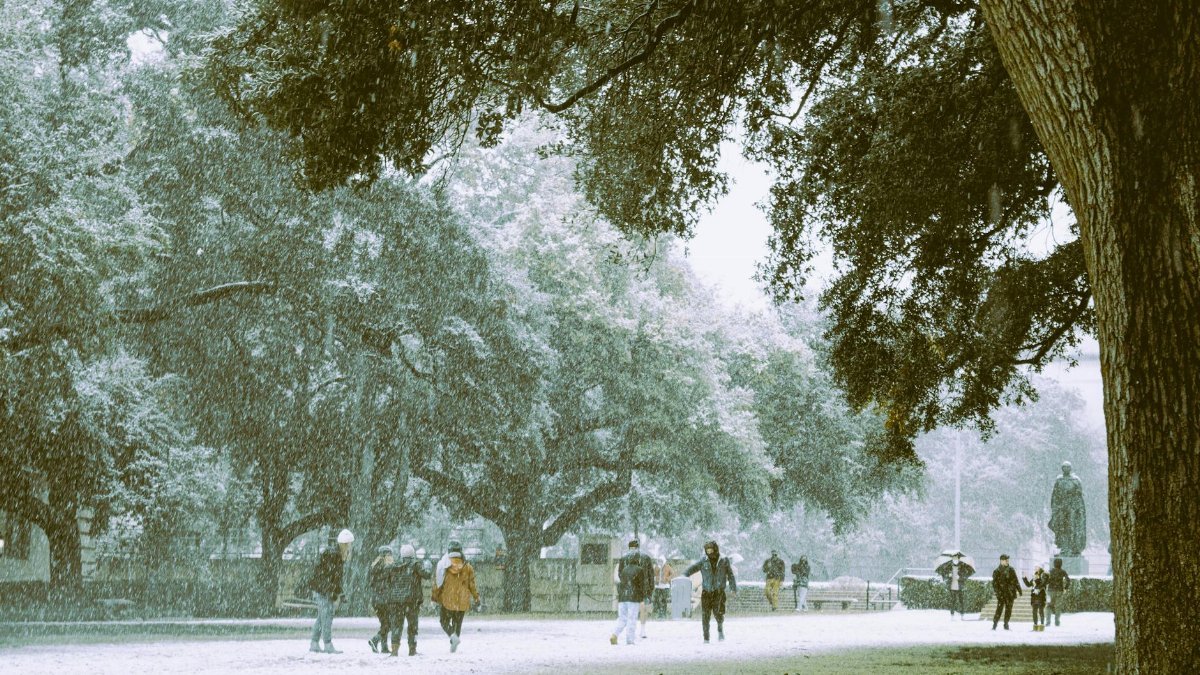
Texas sits at a crossroads of several major weather systems. When La Nada prevails the jet stream tends to meander more than usual allowing cold fronts arctic air or tropical moisture to arrive without clear seasonal rhythm. Houston with its proximity to the Gulf of Mexico becomes especially sensitive to these shifts. Rainfall totals might swing dramatically from one month to the next. Temperatures could spike early or linger in cooler ranges longer than expected. Climate specialists observing these trends point to data from previous neutral phases showing that regional impacts vary widely. One consistent observation however is the increased chance of both extremes arriving in the same year. This yo yo effect challenges everything from infrastructure planning to personal schedules.
Houston Experiences Through Past Neutral Phases
Looking back at earlier La Nada periods reveals a mixed picture for the Houston area. Some years brought beneficial rains that eased drought conditions. Others delivered flooding events that tested levees and drainage systems. The early 2000s offered several such intervals marked by rapid changes in precipitation. Local historians recall how neighborhoods that had never flooded before suddenly required emergency assistance. These memories remain fresh for many middle aged residents who remember navigating those seasons with families and aging parents. The lessons learned then continue to shape conversations today as another neutral phase takes shape. Each past event adds layers to collective understanding of what might lie ahead.
The Economic Implications for the Energy Sector
Houston serves as the energy capital of the nation and its economy responds quickly to weather variations. Neutral conditions can influence both demand for power and the ability to produce it. Unexpected heat waves increase air conditioning loads while heavy rains disrupt outdoor operations. Refineries and petrochemical plants must adjust schedules around forecasts that seem to change weekly. Business leaders have begun incorporating wider ranges of possibility into their planning models. This uncertainty affects employment patterns contractor work and long term investment decisions. The broader metropolitan economy feels these ripples in sectors ranging from construction to retail as families adjust spending based on how comfortable or challenging the weather becomes.
According to analysis from Rice University researchers the energy sector here has adapted better than many expected yet remains vulnerable to prolonged deviations from average conditions. Their report available at rice.edu emphasizes the need for flexible infrastructure that can respond to rapid swings.
Agricultural Challenges on the Horizon
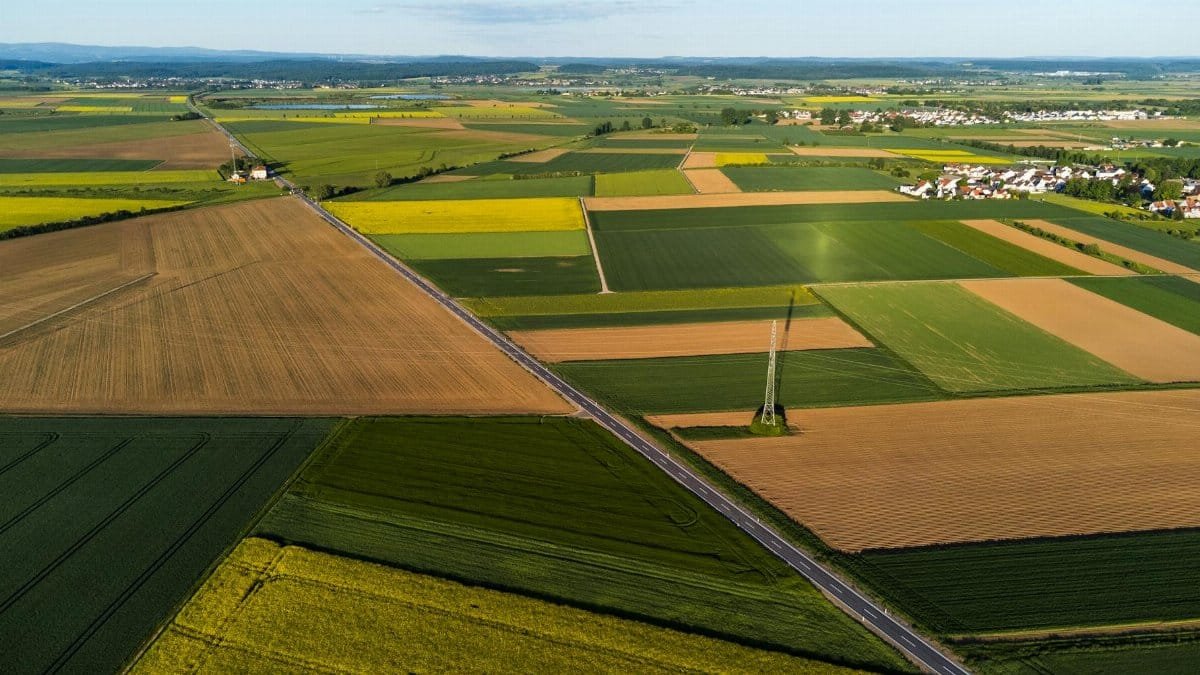
Farmers and ranchers surrounding Houston face particular difficulties when seasonal signals weaken. Planting decisions for rice cotton and other crops rely on expectations of rainfall and temperature. In La Nada years those expectations often prove unreliable. Livestock producers watch forage growth with extra attention since dry spells can appear suddenly. The region supplies much of the nations food distribution network so disruptions here carry consequences beyond local borders. Extension agents from Texas A&M have stepped up outreach efforts helping growers prepare for multiple scenarios rather than counting on one likely path. Their guidance stresses diversification and soil management practices that build resilience no matter which way the weather turns.
Water Resource Management in Uncertain Times
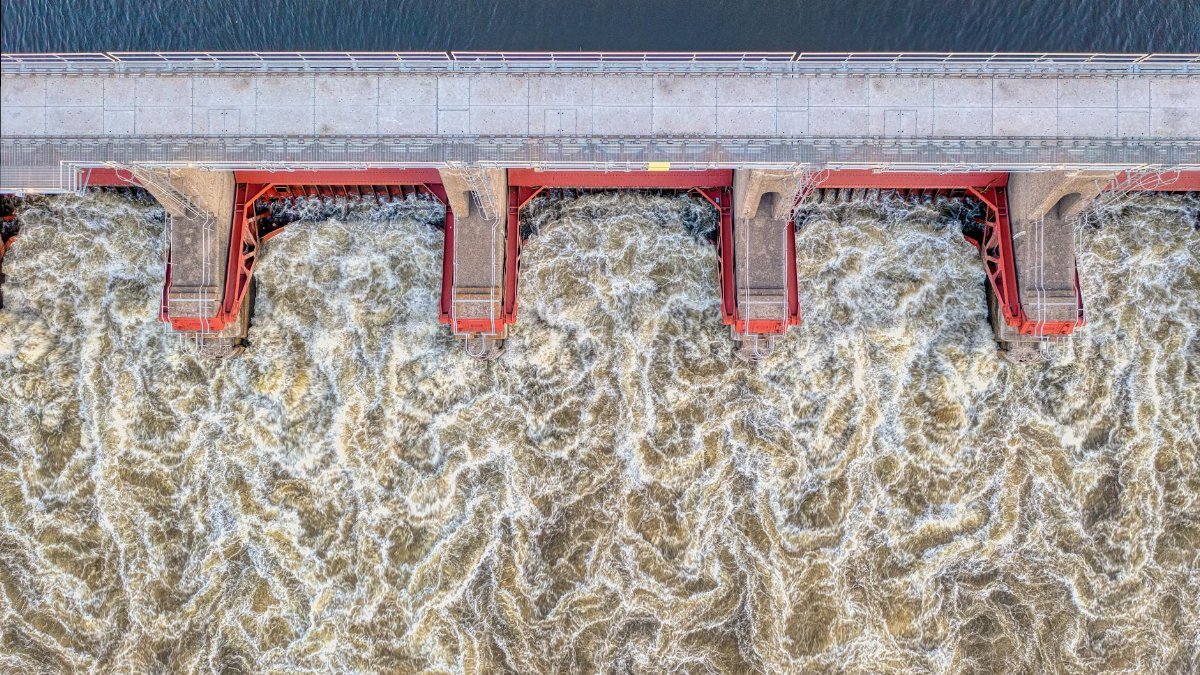
Water authorities in the Houston region already balance competing demands from urban growth industry and ecosystems. A neutral Pacific pattern complicates their calculations further. Some models suggest increased risk of both flooding and drought within the same twelve month period. Reservoirs must be managed with care to avoid either overflow or shortage. The Harris Galveston Coastal Subsidence District continues to monitor groundwater levels noting that erratic rainfall makes recharge less predictable. Engineers are exploring new strategies for capturing and storing water during wet intervals to prepare for dry ones. These efforts reflect a growing recognition that future water security depends on anticipating a wider range of conditions than previous generations faced.
Community Responses and Preparedness Efforts
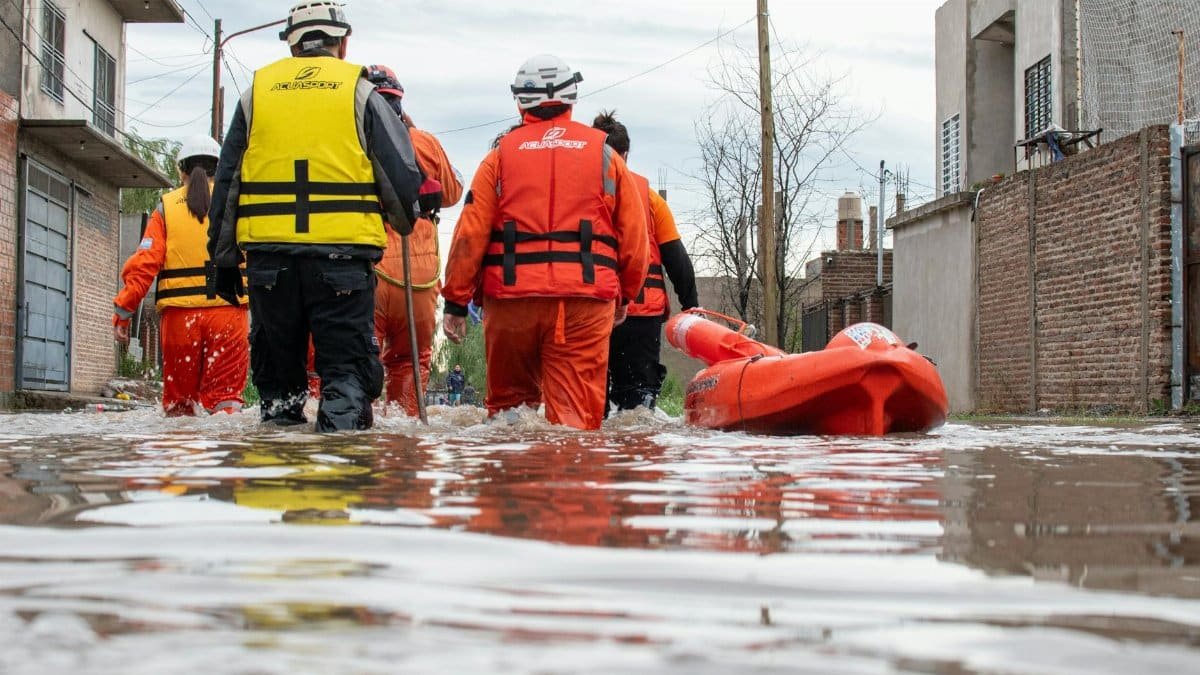
Local organizations have responded to the forecast uncertainty with practical measures. Neighborhood groups organize workshops on emergency planning while churches and civic associations distribute information about severe weather safety. Schools incorporate lessons about climate variability into science curricula giving younger residents tools for understanding their environment. Many middle aged Houstonians who balance careers and caregiving find themselves reviewing insurance policies updating emergency kits and discussing plans with extended family. These actions reveal a quiet determination to meet ambiguity with preparation rather than anxiety. The citys history of overcoming major storms provides a foundation of confidence even as the specific threats remain unclear.
Finding Spiritual Grounding amid Weather Volatility

In times of meteorological uncertainty many residents turn toward spiritual practices for stability. Clergy across denominations report increased attendance at services focused on stewardship of creation and finding peace amid change. Meditation groups meet in parks to reflect on the rhythms of nature even when those rhythms grow less familiar. This trend fits within larger spiritual news and developments where people seek meaning beyond material control. For some the phrase la nada weather houston carries an almost philosophical weight reminding them that not everything can be predicted or managed. Faith communities have begun hosting conversations that blend scientific information with teachings about humility and adaptability. These gatherings offer spaces where worry can transform into contemplation and where isolation gives way to shared experience.
Several local spiritual leaders have partnered with climate educators to create programs that address both environmental data and emotional responses. Their work suggests that technical solutions alone may not suffice. Inner resources matter just as much when facing forces beyond human authority.
Scientific Insights into Future Climate Behavior
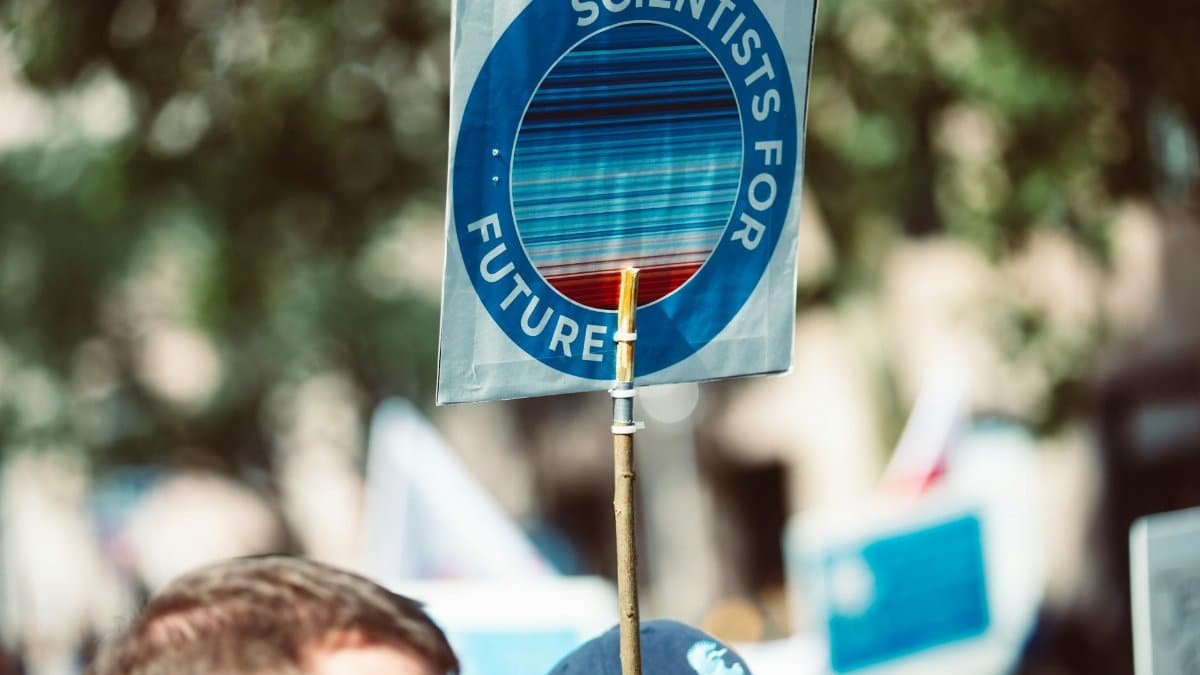
Atmospheric scientists continue to refine their understanding of how La Nada interacts with broader climate trends. While natural variability still plays a dominant role during neutral phases the overall warming of the planet appears to intensify certain extremes. Heavy rainfall events may deliver more water in shorter periods. Heat waves could reach higher peaks. The Climate Prediction Center maintains regular updates on these developments providing guidance that local forecasters translate for Houston audiences. Their data reminds observers that La Nada does not exist in isolation but within a larger context of atmospheric change. Ongoing research funded by federal agencies aims to improve seasonal forecasts even in neutral years though significant uncertainty remains part of the picture.
Readers interested in primary sources can review current outlooks at cpc.ncep.noaa.gov.
Building Personal and Collective Resilience
Resilience in this context means more than simply reacting to the next storm. It involves cultivating habits of mind and patterns of community that endure through many seasons of variability. Families are discovering the value of flexibility whether in work arrangements or garden choices. Municipal leaders invest in green infrastructure that absorbs heavy rains and reduces flooding. At the same time individuals explore practices that strengthen mental equilibrium when forecasts shift. The convergence of practical action and inner reflection creates a more complete response to the challenges of la nada weather houston. This dual approach honors both the measurable realities of meteorology and the human need for meaning.
What Houstonians Can Do to Adapt

Ordinary citizens possess more power than they sometimes realize. Simple steps such as conserving water during dry periods or ensuring proper drainage around homes contribute to collective wellbeing. Supporting local conservation initiatives helps protect wetlands that buffer against both flood and drought. Engaging in neighborhood networks builds social capital that proves invaluable when conditions turn difficult. On a deeper level maintaining curiosity about the natural world rather than fear of it opens pathways to appreciation even during uncertain times. The coming months will test these capacities yet they also provide opportunities to strengthen bonds with neighbors with the land and with whatever larger forces residents understand as guiding their lives.
The arrival of this neutral climate phase ultimately asks Houston to hold two truths at once. Weather will remain variable and at times intense. Human communities can still choose how they meet that variability with preparation wisdom and a measure of grace. As the city moves through this La Nada period its response will reveal not only its meteorological sophistication but its spiritual and social maturity as well.