
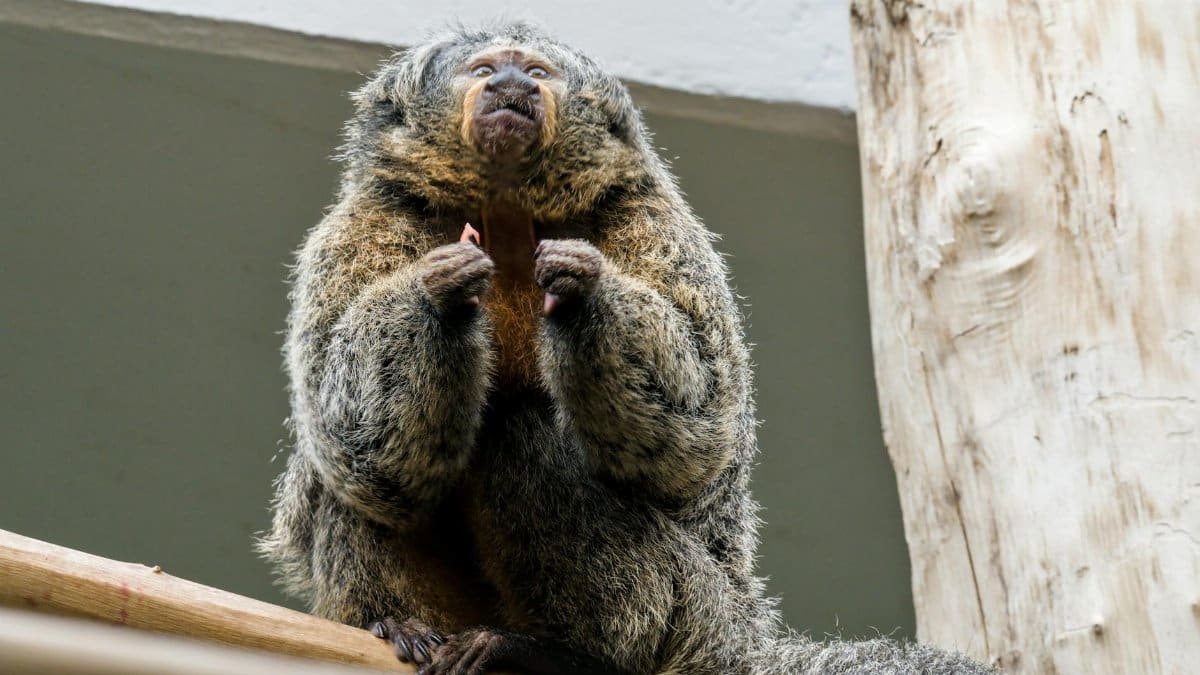
When university administrators at the University of Minnesota moved to suspend a veteran professor from his primate studies they brought to light a series of problems that had persisted for years. The action follows an extensive review of his work in u of m monkey research. Records show multiple breaches of animal care standards from inadequate pain management to improper housing conditions for the monkeys entrusted to his care.
This case opens a window into the complex world of biomedical research involving nonhuman primates. It raises important considerations about how institutions monitor compliance and respond when issues arise. For residents in Minnesota and readers across the country the story may spark conversations about the balance between potential medical breakthroughs and the welfare of animals used in experiments.
Years of Repeated Violations Surface

According to documents released by the university and reviewed in a Star Tribune investigation the professor accumulated citations for serious lapses over more than a decade. Federal inspectors noted repeated failures to provide timely veterinary intervention when monkeys showed signs of distress. In some cases animals suffered from untreated infections or self inflicted injuries because enrichment protocols were not followed.
One report described a surgical procedure in which pain relief was delayed beyond acceptable limits. Another inspection found that several monkeys were housed in spaces that did not meet size requirements outlined in federal guidelines. These issues were not isolated incidents but appeared in annual reviews stretching back to the early 2010s. The pattern eventually triggered a formal suspension from any further u of m monkey research activities. The full Star Tribune report offers additional details on the timeline of events.
Examining Conditions in the Primate Facility
Inside the university laboratories the monkeys participated in studies examining brain function related to addiction and cognitive disorders. Researchers fitted some with head implants to track neural activity during behavioral tasks. While such methods have produced data cited in peer reviewed journals the care surrounding these procedures drew consistent criticism.
Animal care logs obtained through public records requests revealed periods when temperature controls failed and lighting cycles were disrupted. Monkeys occasionally waited days for follow up examinations after exhibiting abnormal behaviors. University officials acknowledge that these conditions fell short of contemporary standards though they maintain that the core scientific objectives remained valid. The suspension now prevents this particular team from continuing its primate work while an internal review proceeds.
Challenges in Regulatory Enforcement

Federal agencies including the United States Department of Agriculture and the National Institutes of Health have authority to oversee such facilities. Yet enforcement often relies on self reporting and periodic site visits. In this instance inspectors flagged problems multiple times but the university submitted corrective action plans that appeared to satisfy requirements temporarily.
Critics argue that the system allows institutions to address symptoms without examining deeper cultural issues within laboratories. A 2022 federal audit of primate facilities nationwide found similar compliance gaps at several major universities. The Minnesota case illustrates how repeated violations can continue for years before decisive action occurs. Without stronger external pressure many observers believe meaningful change remains unlikely.
The Professor and His Body of Work

The suspended researcher has spent more than 25 years at the university building a publication record focused on neurobiology. Supporters point to studies that have contributed to understanding dopamine pathways and potential treatments for substance use disorders. Colleagues describe him as dedicated to advancing knowledge that could eventually reduce human suffering.
In statements released through his legal representative the professor maintains that many citations represented administrative oversights rather than intentional mistreatment. He notes that his team published findings in respected journals and that several protocols received approval from institutional review boards. Still the accumulating record proved difficult to defend once animal welfare organizations obtained internal documents through freedom of information requests. The university determined that the pattern of noncompliance left it no choice but to impose the suspension.
Animal Protection Groups Respond

Organizations that monitor laboratory animal use have followed this situation closely for years. They argue that the violations reveal systemic indifference rather than isolated errors. Activists have organized petitions calling for the university to end all primate research and redirect funds toward non animal research methods.
Public demonstrations outside university buildings drew modest crowds but generated considerable media coverage in the Twin Cities. These groups emphasize that monkeys share advanced cognitive abilities and emotional capacities that make their use in experiments particularly troubling. Their campaigns have amplified the official reports turning what might have remained an internal administrative matter into a broader public controversy.
Exploring the Moral Questions Involved

Beyond regulatory language this case touches on deeper ethical considerations that resonate across spiritual traditions. Many faith communities teach that humans hold a responsibility of stewardship toward other living beings. When laboratory animals endure prolonged distress it challenges notions of compassion and moral consistency that many people value in their personal and communal lives.
Some theologians and ethicists have begun examining how contemporary research practices align with ancient teachings about mercy and the interconnectedness of creation. The public reaction in Minnesota appears to reflect a growing discomfort with treating sentient creatures as mere instruments. This perspective does not reject science but calls for rigorous examination of whether current approaches honor the dignity of all life. The suspension may represent one small step toward aligning research practices with these wider moral intuitions.
Potential Impact on Medical Advancements

Defenders of the research emphasize that primate studies have contributed to vaccines and treatments for conditions ranging from Parkinson disease to HIV. They caution that abrupt restrictions could slow progress on devastating illnesses that affect millions of people. Replacing primate models with alternative technologies remains difficult in certain fields of neuroscience where living brain systems provide insights unavailable through computer simulation or cell cultures.
Yet innovation in research methods has accelerated in recent years. Advanced organoids and sophisticated computational models now replicate aspects of primate biology with increasing accuracy. Some scientists advocate for a gradual transition that maintains research momentum while reducing reliance on animal subjects. The current suspension at Minnesota adds urgency to these conversations about balancing human health priorities with ethical treatment of research animals.
University Commitment to Improved Standards

University leaders have pledged comprehensive reforms in response to the suspension. These include enhanced training for all personnel working with animals mandatory third party audits and revised protocols for pain assessment. Officials insist that the institution takes its oversight responsibilities seriously and that the action against the professor demonstrates accountability.
Whether these measures will prevent future problems remains to be seen. The university has also promised greater transparency by making summary reports of animal care inspections available to the public on an annual basis. In the context of u of m monkey research these changes could set a new precedent for how major research institutions respond to persistent compliance failures. Implementation will require sustained commitment beyond immediate public pressure.
Local Sentiment and Public Outcry

Within Minnesota the news has provoked strong reactions. Letters to local newspapers reflect a mixture of disappointment in the university and concern for the animals involved. Some residents express surprise that such violations could continue for years at a publicly funded institution. Others worry that the controversy could damage the reputation of the university system as a whole.
This local rage mirrors broader national trends in which citizens increasingly question the ethics of animal research. Community forums have hosted discussions featuring both scientists and animal advocates. The dialogue reveals genuine disagreement about acceptable tradeoffs between human benefit and animal welfare. University administrators now face the challenge of rebuilding public trust while continuing their educational and research missions.
National Context for Primate Studies
The Minnesota case fits within a larger pattern of scrutiny facing primate research across the United States. Federal data shows a gradual decline in the use of chimpanzees following decisions to retire most government owned animals. Monkeys remain more common in laboratories yet face increasing pressure from both regulators and the public.
European nations have imposed stricter limits on primate research prompting some American scientists to worry about maintaining competitive edges in biomedical fields. At the same time organizations funding research have begun requiring clearer justification for nonhuman primate use. The suspension of this professor may encourage other institutions to examine their own programs more rigorously before external forces compel them to act.
Considering Alternatives and Ethical Paths

Looking forward the scientific community faces important choices about research direction. Promising alternatives include advanced imaging techniques that reduce the need for invasive procedures and sophisticated artificial intelligence models capable of predicting drug responses. Investment in these methods could eventually decrease reliance on primate subjects while producing reliable results.
The spiritual dimension of this discussion deserves attention as well. Growing numbers of researchers and citizens alike seek approaches that reflect values of kindness and respect for conscious life. By integrating ethical reflection into scientific planning institutions may discover pathways that honor both the pursuit of knowledge and the imperative of compassion. The suspension at the University of Minnesota need not represent an end to important research but rather an opportunity to pursue it with greater wisdom and humanity. As this story continues to develop it invites all of us to consider what kind of science we wish to support and what values we want it to embody.