
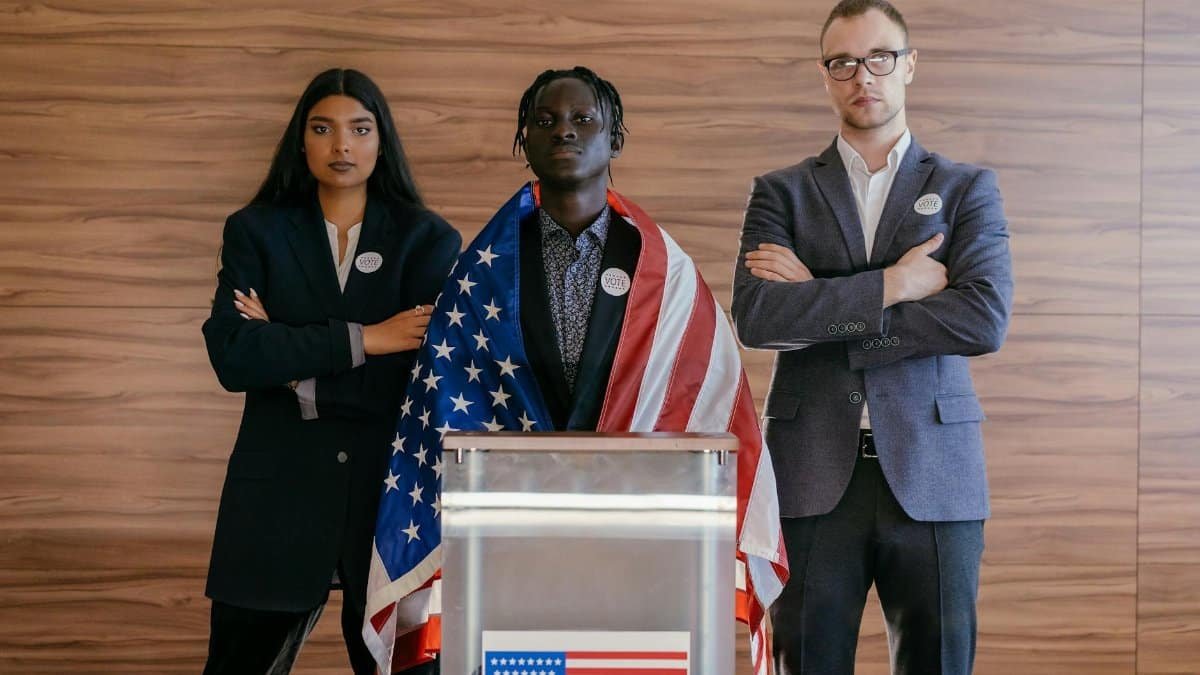
In a leafy corner of Massachusetts last week, a notable assembly took place that could shape the direction of American politics for years to come. Potential presidential hopefuls met for the 2028 democratic candidates gathering, an event that blended policy debates with subtle signals of ambition. From established names to fresh prospects, the participants engaged in candid conversations about the path forward for their party. The atmosphere was one of cautious optimism mixed with a clear recognition of the challenges that lie ahead. This convening served as an important early step in what promises to be a lengthy process of defining priorities and building coalitions. Those in attendance seemed acutely aware that the choices made now will influence the partys ability to connect with voters across diverse backgrounds and regions.
Setting The Stage For Future Contenders

The gathering featured several prominent Democrats who have been mentioned as possible candidates for 2028. Among them were governors known for their work in battleground states and members of Congress with national profiles. The event took place at a university campus known for its role in shaping political thought. Attendees participated in panel discussions and private meetings that allowed them to share ideas away from the public eye. This 2028 democratic candidates gathering marked one of the first times so many potential rivals appeared together in a collaborative rather than competitive setting.
Organizers emphasized that the goal was to foster dialogue on pressing issues rather than to launch campaigns. Nevertheless the body language and carefully chosen words revealed much about individual strategies. Some speakers focused on their executive experience while others highlighted their legislative achievements. The mix suggested that the primary contest could be crowded and ideologically varied.
Economic Priorities Take The Spotlight
A recurring topic throughout the sessions was the state of the American economy and how to address persistent inequalities. Candidates spoke of the need for policies that support the middle class and provide opportunities for those in rural and post industrial communities. There was broad agreement on increasing access to affordable education and job training programs. One speaker called for a renewed focus on manufacturing and domestic production to reduce reliance on global supply chains.
Discussions also touched on tax policy and the role of government in regulating large corporations. Several participants advocated for measures that would ensure wealthy individuals and businesses pay their fair share. These economic visions appeared designed to appeal to voters who have felt the impact of inflation and wage stagnation in recent years. The emphasis on practical kitchen table issues indicated a strategic shift toward populism within the party.
Climate Action Emerges As A Central Theme
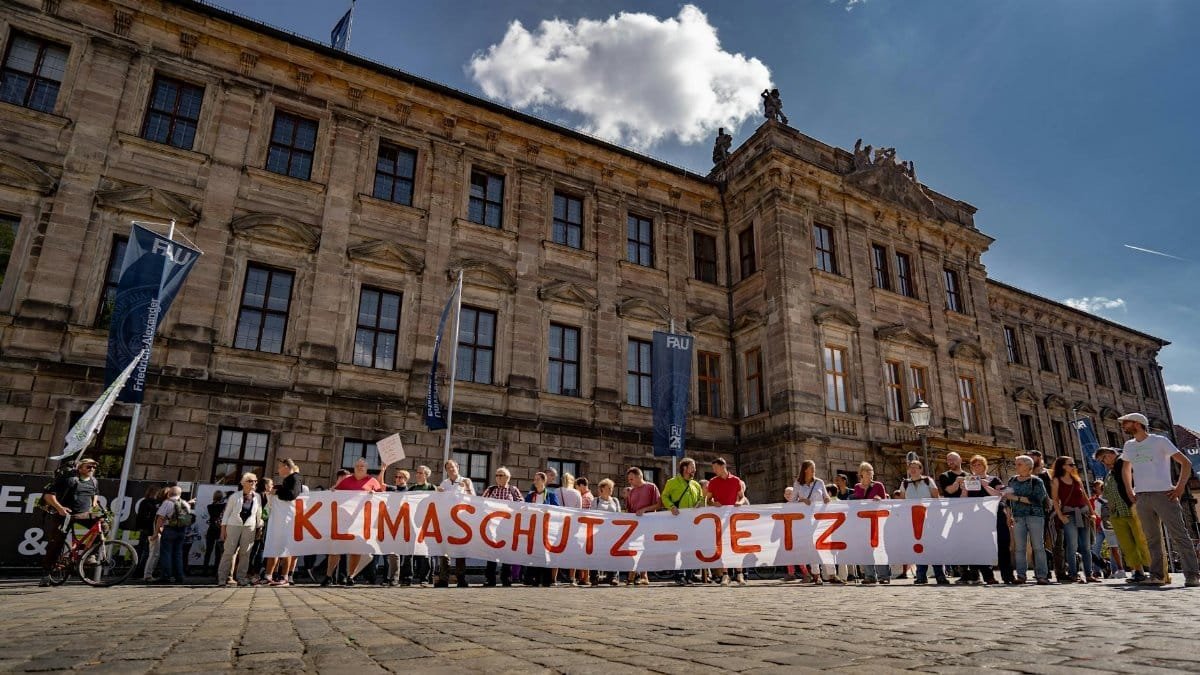
With extreme weather events becoming more frequent the candidates devoted considerable time to environmental policy. There was consensus on the need for aggressive action to transition to clean energy sources. Proposals included investments in renewable technologies and infrastructure that supports electric vehicles. Younger voices at the gathering pushed for even bolder steps to meet international climate goals.
Some speakers addressed the economic opportunities that could arise from green initiatives such as new jobs in solar and wind power sectors. They argued that climate policy need not conflict with economic growth but could drive it forward. This balance seemed crucial for winning over voters in energy producing regions who worry about the costs of transition.
The Enduring Importance Of Health Care

Health care remains a top concern for many Americans and the gathering reflected that reality. Participants revisited the successes and shortcomings of the Affordable Care Act while proposing ways to build upon it. Ideas for lowering prescription drug prices and expanding mental health services received strong support. The conversation also included strategies to address the high cost of insurance for both individuals and employers.
One notable contribution came from a candidate with a background in public health who stressed the importance of preventive care and community based clinics. By focusing on stories of families struggling with medical debt the speakers aimed to humanize the policy debate and connect with middle aged voters who often serve as caregivers for both children and aging parents.
Navigating International Relations And Conflicts
Given the unstable global landscape the candidates spent time discussing Americas role in the world. Topics ranged from support for allies in Europe to managing tensions in the Asia Pacific region. There was general agreement on the importance of diplomacy but differences emerged regarding military spending and intervention.
Several speakers warned against isolationism and urged the party to maintain strong alliances. They pointed to ongoing conflicts as evidence that retreat from the international stage could have dire consequences. These discussions revealed a party still grappling with how to project strength while avoiding the overreach of past decades.
The Rise Of Unexpected Participants
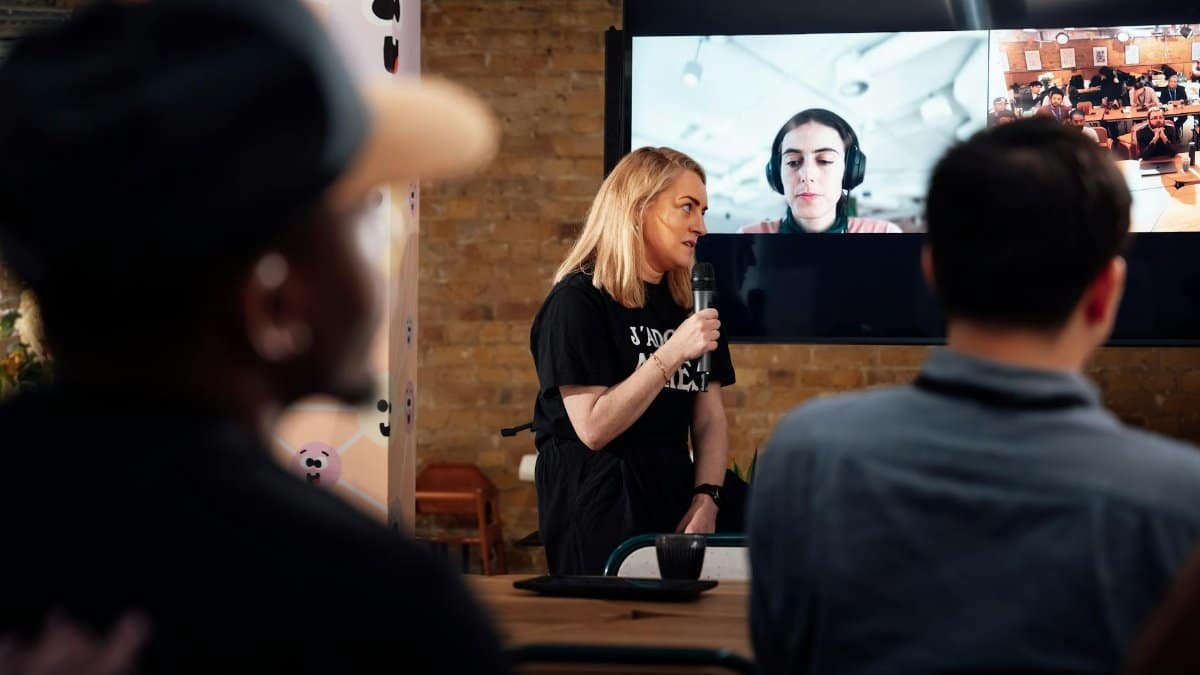
Perhaps the most intriguing aspect of the 2028 democratic candidates gathering was the presence of some less familiar names. A mayor from a major city and a business leader turned advocate drew attention with their fresh perspectives. These figures brought attention to issues like urban renewal and ethical technology use that have not always been at the forefront of presidential campaigns.
Their inclusion signaled an openness to new ideas and a desire to expand the partys appeal beyond traditional political circles. It remains to be seen whether these individuals will launch full campaigns but their contributions added depth to the conversations and challenged the established frontrunners to refine their own messages.
Efforts To Bridge Internal Party Divisions
Unity emerged as a key theme as participants acknowledged the fractures that have weakened Democratic performance in past elections. There were calls for greater tolerance of diverse viewpoints within the party on matters such as immigration and criminal justice reform. Moderates and progressives alike stressed the need to present a cohesive front against potential Republican opponents.
Experienced hands shared lessons from previous cycles about the dangers of internal strife during primaries. The gathering provided a forum for mending relationships and identifying common ground. This focus on collaboration could prove vital as the party prepares for what is likely to be a competitive nomination process.
Insights Into Voter Sentiment And Concerns

Throughout the event speakers referenced polling data and personal interactions with constituents to gauge the public mood. A common observation was that voters are seeking authenticity and concrete plans rather than lofty rhetoric. Many expressed frustration with Washington gridlock and a desire for leaders who can deliver results on issues affecting daily life.
According to a recent Pew Research Center survey available at https://www.pewresearch.org/politics/ voters across age groups are particularly worried about economic security and social cohesion. The candidates appeared to take these findings to heart as they crafted their remarks to address these core anxieties directly.
Moral And Ethical Dimensions In Politics

Beyond specific policies the gathering touched on deeper questions of values and leadership. In what might appeal to readers interested in spiritual news and trends several speakers invoked the need for a politics rooted in compassion integrity and a sense of shared humanity. They spoke of restoring faith in democratic institutions and fostering a national community that transcends division.
This emphasis on ethical governance and moral clarity reflects a broader hunger in the country for leadership that uplifts the human spirit. By addressing these themes the potential candidates signaled an understanding that voters are looking not only for competent management but also for inspiration and a guiding vision that resonates on a personal level.
What Comes Next For The Democratic Party
As the 2028 democratic candidates gathering concluded participants left with much to consider. The event provided a foundation for future discussions and likely set the tone for the years leading up to the primaries. While no clear favorite emerged the gathering highlighted the rich bench of talent within the party and the complexity of the challenges it faces.
Looking ahead Democrats will need to translate these conversations into a compelling platform that can unite various factions and attract independent voters. The true test will come in how these ideas evolve and whether the eventual nominee can carry them forward with conviction. For now the gathering stands as an early but significant chapter in the story of the next presidential election cycle.