

As the final horn echoed through the United Center, a quiet wave of acceptance settled over the crowd. What had begun with hopes for contention had dissolved into a campaign of painful lessons. The Chicago Bulls season finale delivered one last blow, a 47 point defeat to the Dallas Mavericks that sealed a 31 51 record and left everyone connected to the franchise reflecting on what this year truly revealed about perseverance and purpose.
The Final Night at the United Center
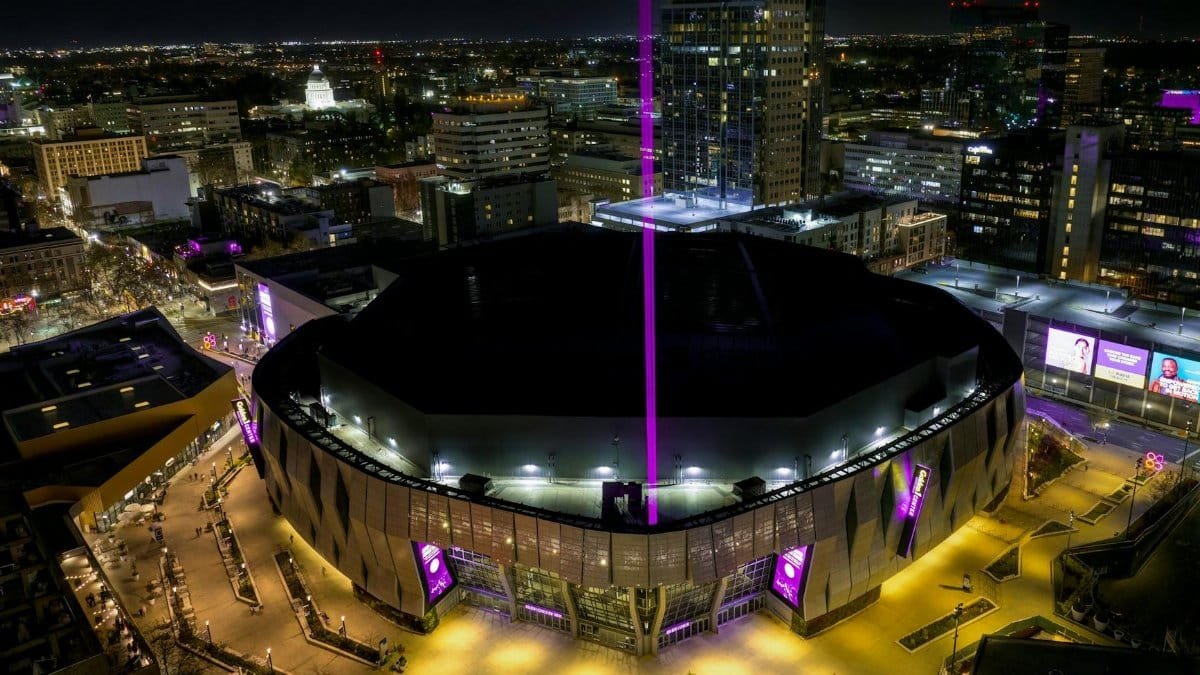
Friday evening carried the weight of both ritual and farewell. Fans filed in wearing jerseys from eras of glory and eras of rebuilding. On the court the Bulls moved with visible fatigue yet still showed flashes of the talent that once defined them. The Mavericks attacked relentlessly from the opening tip exploiting defensive lapses that had plagued Chicago all season. By halftime the deficit had ballooned to 28 points. What followed felt less like a competitive game and more like a somber procession toward the inevitable.
Players who had battled through injuries and inconsistency walked through their final assigned minutes with a quiet dignity. The crowd offered polite applause at moments of individual effort but the atmosphere remained subdued. This was not the frenzied playoff environment many had envisioned twelve months earlier. Instead it became a space for contemplation about the nature of commitment when results refuse to match desire.
Numbers That Reveal Deeper Truths

The final standings tell a stark story. Thirty one victories against 51 losses placed the Bulls near the bottom of the Eastern Conference. Their defensive rating ranked among the league worst while offensive possessions often stalled in isolation plays. Yet raw statistics rarely capture the full human experience of a season.
Close losses piled up throughout the winter. Several games decided by fewer than five points slipped away in the final minutes. These near misses tested the character of the roster in ways that blowout defeats could not. The pattern suggested a team capable of brilliance but lacking the sustained focus required to close out hard fought contests. In many respects the record reflected a spiritual test of endurance rather than a simple measure of talent.
Players Navigating Their Own Journeys

Zach LaVine appeared in 68 games and showed moments of his trademark athleticism but consistency remained elusive. His quiet demeanor after the final loss spoke volumes about the internal weight athletes carry when public expectations collide with private reality. Younger players like Coby White and Patrick Williams displayed growth that offered the organization its clearest reasons for optimism.
These athletes are more than performers. They represent stories of young men attempting to forge identity through discipline and adaptation. Their willingness to face criticism while continuing to show up carries echoes of larger life struggles where progress often occurs invisibly before it appears in results. The season asked them to confront failure repeatedly and still maintain belief in the process.
Coaching in the Face of Uncertainty

Billy Donovan maintained his characteristic poise throughout a trying campaign. His postgame comments after the finale avoided excuses and instead focused on the need for greater accountability across the organization. Donovan has long emphasized culture over shortcuts yet building that culture in a league built on superstar talent presents constant challenges.
The coaching staff faced difficult decisions about playing time and lineup combinations. Some veterans saw reduced roles while younger athletes received opportunities to develop. These choices carried both strategic and human dimensions. Every adjustment affected not only win probability but also the confidence and development of individuals who had invested their prime years in the Bulls uniform.
The Faithful Who Remain
Chicago sports fans have developed a particular resilience forged through decades of both triumph and heartbreak. Even during this difficult season the United Center rarely felt empty. Supporters continued to show up not because they expected victory but because the act of gathering had become its own form of communion.
This loyalty mirrors spiritual communities that persist through periods of doubt. The fans understand that attachment to a team involves far more than scoreboard outcomes. It represents connection to a city identity shared memories and the hope that renewal remains possible. Their presence throughout a losing season offered the players something tangible to play for even when standings provided little incentive.
Spiritual Lessons Hidden in Defeat
Sports have always functioned as modern parables. The Chicago Bulls difficult season invites reflection on how failure can serve as a profound teacher. In many faith traditions the path toward wisdom requires first walking through seasons of apparent barrenness. The same principle applies here.
When winning becomes impossible the focus necessarily shifts toward integrity effort and growth. Players spoke repeatedly about learning to value the daily work rather than external validation. That shift represents genuine spiritual maturation. It asks individuals to find meaning intrinsically rather than through applause or standings. The season may have ended in disappointment but it planted seeds for future transformation if those lessons are absorbed.
How Athletic Struggle Mirrors Life

Middle age often brings its own version of a rebuilding year. Careers hit plateaus relationships evolve and bodies refuse to perform as they once did. The Bulls journey this season resonates with anyone who has watched carefully laid plans refuse to materialize. The shared experience creates an unlikely bridge between elite athletes and everyday readers.
Both groups eventually confront the same core question. How does one maintain hope and direction when external circumstances refuse to cooperate? The answer appears to lie in commitment to values that transcend results. Discipline honesty resilience and connection remain worthwhile even when they do not produce immediate victories. The basketball court simply makes these truths visible under bright lights and in front of thousands of witnesses.
Chicago Identity and the Bulls Legacy

The Bulls occupy a unique place in the civic imagination. Michael Jordan era success established basketball as part of the city fabric in ways that still echo today. Current players understand they compete not only against opponents but also against the shadow of those golden years. That historical weight can inspire or paralyze depending on how it is carried.
Yet every franchise experiences cycles. The current chapter may feel dark but it fits within a longer narrative of rise fall and renewal. Chicago itself has faced economic shifts social challenges and moments of doubt. The ability of both city and team to persist through difficult periods reveals something essential about collective character.
Finding Light in the Next Chapter

The beauty of professional sports lies in the annual opportunity for rebirth. The draft lottery free agency and training camp each offer fresh starting points. While the just completed season brought pain it also clarified what the organization needs moving forward. Greater defensive commitment improved team chemistry and strategic roster additions all emerge as priorities.
Younger athletes who gained valuable experience this year will return better prepared. The front office faces important decisions about which veterans to retain and which directions to pursue. These choices will shape not only the next record but also the emotional tone surrounding the franchise. Hope remains a rational response for those willing to view this season as preparation rather than conclusion.
The Deeper Value of Devotion

In the end the Chicago Bulls season finale invites consideration of why any of us remain invested in sports at all. The financial stakes the physical toll and the emotional roller coaster suggest that something more than entertainment is at work. Teams become vessels for our own projected dreams and fears. Their struggles give us language to discuss resilience community and the search for meaning.
As another offseason begins in Chicago the lessons of this 31 51 campaign will linger. They remind us that character develops most clearly in adversity. They suggest that showing up with integrity matters even when the scoreboard disagrees. And they affirm that the human spirit possesses remarkable capacity to hope again despite repeated disappointment. That may be the most valuable takeaway from a season that otherwise offered little comfort.
The lights will eventually rise again on a new campaign. Until then the city and its team sit in the reflective space between endings and beginnings where the most important work often happens unseen.