

In the misty reaches of Washingtons ancient woodlands a quiet revolution in understanding has taken place for many years. Scientists have studied everything from soil health to wildfire behavior in facilities that have become cornerstones of environmental knowledge. Now that era faces an uncertain future. The prospect of washington research labs closing has ignited a firestorm of debate about what we value as a society and how we choose to safeguard our natural inheritance. This move by the Forest Service to shutter two prominent sites one in Olympia and another in Wenatchee strikes at the core of efforts to address climate change and forest resilience. Experts warn that without these centers critical data collection and analysis could grind to a halt. For middle aged Americans who recall a time when environmental protection was a bipartisan concern this development feels like a step backward. It prompts reflection on our responsibility to future generations and the legacy we leave behind.
The Announcement That Caught Many by Surprise

The U.S. Forest Service revealed plans to permanently close two key research facilities in Washington state as part of a larger budget restructuring. The decision outlined in agency documents targets the Pacific Northwest Research Station outposts that have operated for more than half a century. As reported in The Seattle Times the closures would affect dozens of scientists and support staff while ending projects that have directly shaped how public lands are managed across the country.
Many in the scientific community learned of the proposal through internal memos rather than public consultation. The timing feels especially jarring given the accelerating pace of environmental change visible in nearby forests. Officials cite the need to redirect limited funds toward frontline firefighting and basic maintenance yet the move has left researchers questioning whether prevention and understanding have lost their place in federal priorities.
Decades of Valuable Research at Stake
These laboratories have produced foundational studies on forest regeneration wildlife corridors and watershed protection. Their work helped establish guidelines still used by land managers throughout the Pacific Northwest. Data collected over generations has informed everything from timber harvest schedules to conservation strategies for endangered species.
One longtime project tracked how different tree species respond to drought stress providing early warnings about shifting forest composition. Another examined how fungi networks connect root systems allowing trees to share resources in times of scarcity. Losing access to ongoing monitoring stations would create gaps in the historical record that cannot easily be filled by new efforts started elsewhere.
How the Laboratories Advanced Forest Science
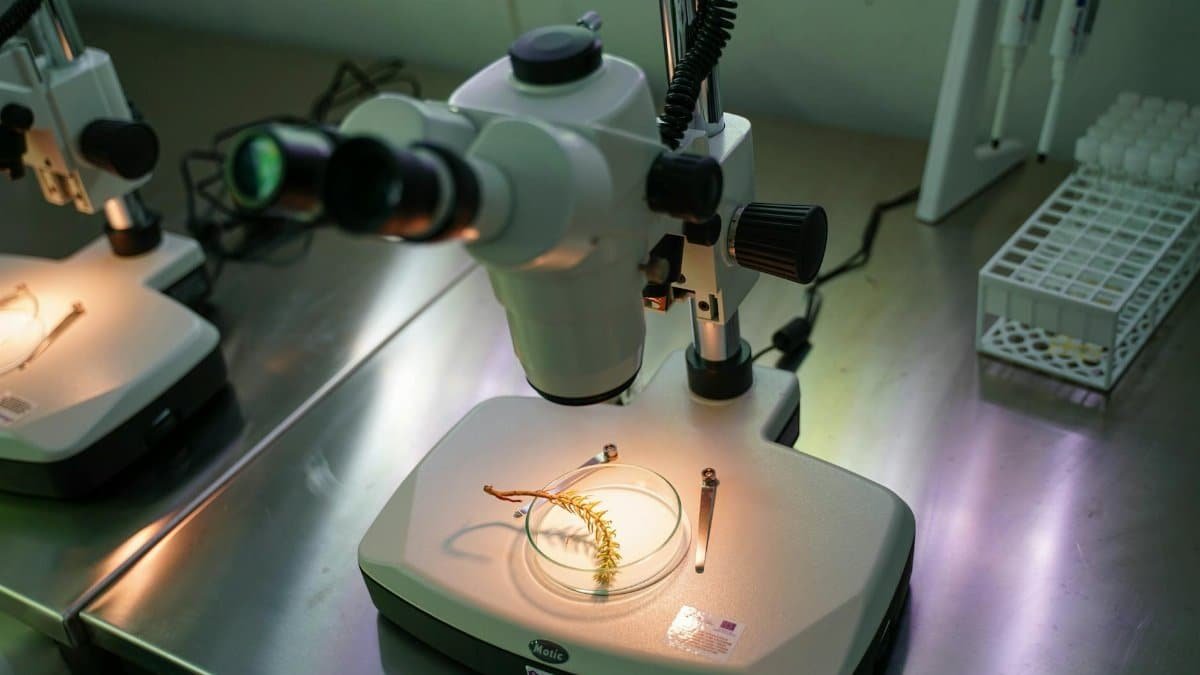
Scientists at the Washington facilities pioneered techniques for measuring carbon storage in old growth stands. Their findings contributed to national conversations about forests as natural climate solutions. Collaborative experiments with universities refined models predicting fire behavior under varying weather conditions giving firefighters better tools for protecting communities.
The labs also served as training grounds for early career researchers who went on to influence policy at state and federal levels. Equipment ranging from specialized soil probes to aerial mapping tools allowed for precise measurements that desktop analysis simply cannot replicate. This hands on tradition of inquiry has been central to the credibility of Forest Service science for generations.
The Potential Effects on Climate Understanding
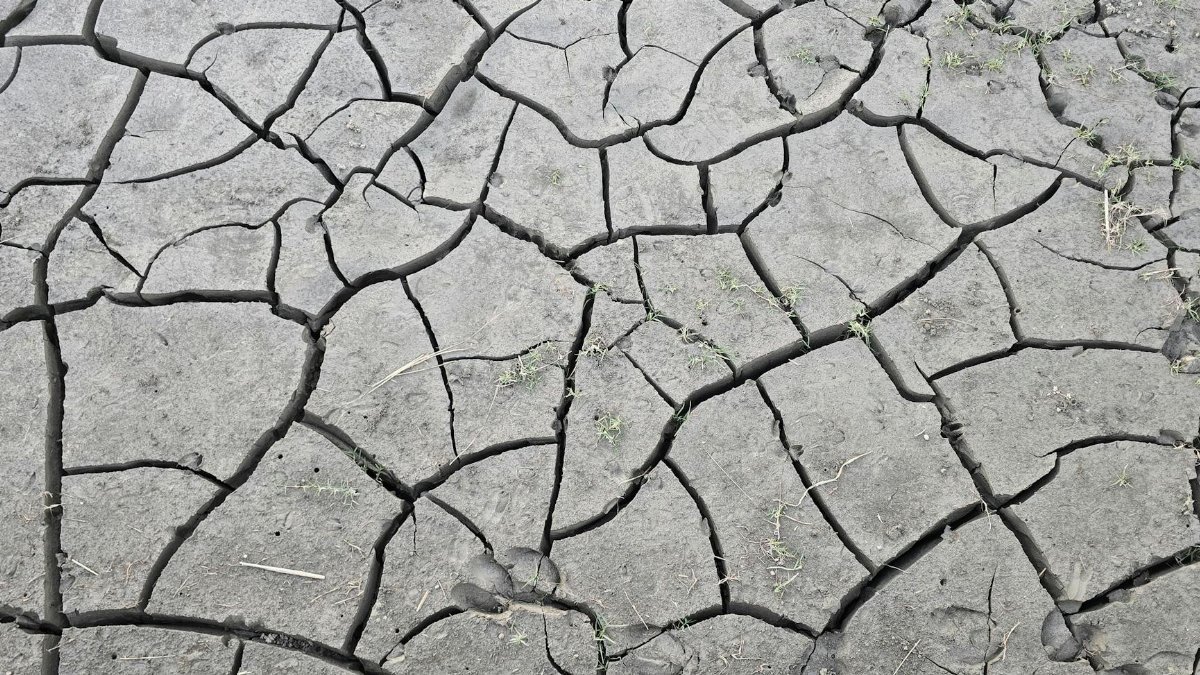
With forests playing a crucial role in absorbing atmospheric carbon the closure of these research sites could slow progress on measuring sequestration rates accurately. Ongoing studies of how warming temperatures alter growth patterns provide essential information for updating climate models. Without continued observation at these specific locations scientists may lose the ability to detect regional variations that affect national projections.
Recent extreme weather events have underscored the need for localized research. The laboratories had begun integrating traditional weather data with newer satellite observations creating comprehensive pictures of ecosystem health. Interrupting this work now risks leaving land managers with less reliable information precisely when adaptation planning has become most urgent.
Community and Scientific Outrage Grows
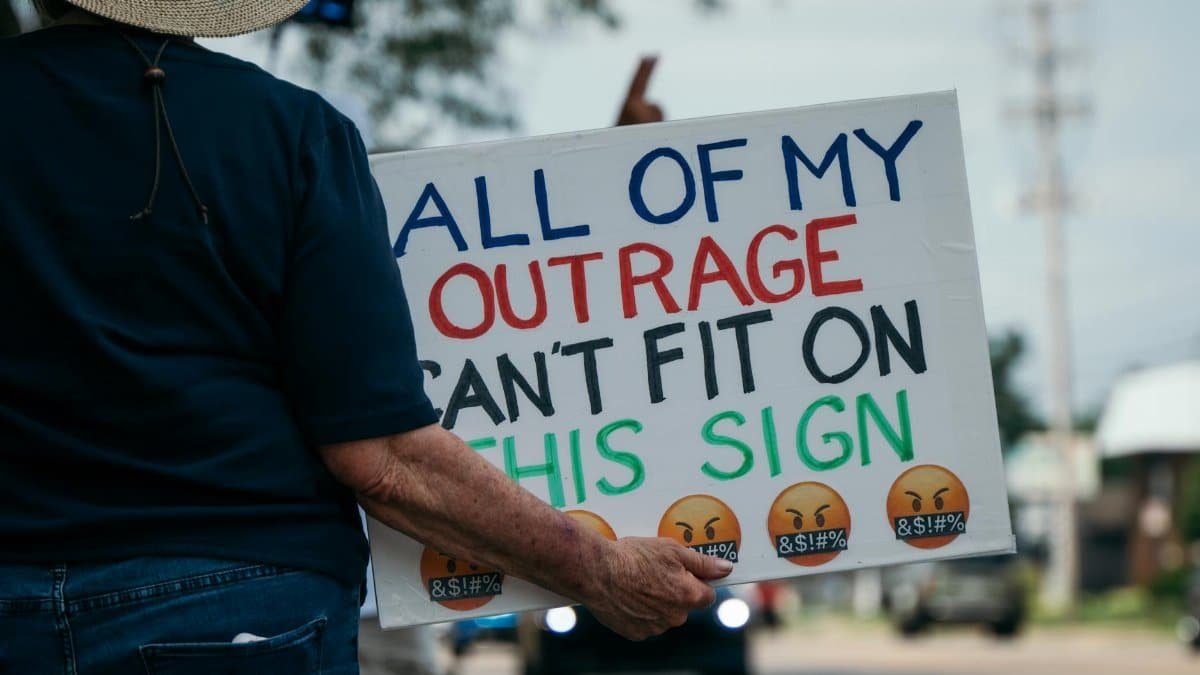
Environmental groups local elected officials and former Forest Service employees have united in opposition to the proposal. Petitions circulate among researchers who describe the decision as abandoning a commitment to evidence based stewardship. Public meetings in nearby towns have drawn capacity crowds with residents expressing fears that diminished science will lead to poorer forest management outcomes.
University partners worry about lost opportunities for student involvement in real world projects. Several professional societies have issued statements highlighting the unique value of these particular sites due to their proximity to diverse forest types. The breadth of opposition suggests the issue has touched a nerve beyond typical bureaucratic disagreements.
Economic Considerations in the Current Climate

Proponents of closure point to immediate budget savings estimated in the low millions annually. Yet economists note that the research generated by these labs has supported industries worth far more through improved timber practices reduced wildfire losses and enhanced recreation opportunities. A comprehensive accounting would likely show net benefits rather than net costs.
Small communities near the facilities could face job losses and reduced federal presence. Local businesses that supply equipment or provide housing for visiting researchers may see declining revenue. The decision appears to prioritize short term fiscal targets over the sustained economic value that comes from healthy resilient forests supported by sound science.
The Spiritual Significance of Forest Preservation

Forests have always held a sacred quality for those who walk among them. Many middle aged Americans remember childhood experiences in these woods that shaped their sense of wonder and connection to something larger than daily life. The laboratories helped reveal the intricate systems that make such places possible allowing us to appreciate the genius embedded in natural design.
When science deepens our understanding of ecosystems it can also nourish spiritual awareness. Learning how mycorrhizal networks mirror patterns found throughout creation invites contemplation about interdependence and humility. The potential loss of these research capabilities touches not only data sets but our collective ability to maintain reverence for the living world that sustains body and spirit alike.
Indigenous Wisdom and Scientific Collaboration

Tribal nations in Washington have partnered with these laboratories on projects that blend traditional ecological knowledge with western scientific methods. Such collaborations have produced insights about forest health that neither approach could achieve alone. Closing the facilities threatens to disrupt relationships built over decades of mutual respect and shared inquiry.
Indigenous leaders emphasize that forests are relatives rather than resources. Their perspectives have enriched studies on cultural burning practices and biodiversity maintenance. Preserving spaces where these knowledge systems can interact remains essential for developing holistic approaches to land care that honor both empirical data and ancestral wisdom.
Searching for Solutions Beyond Closure

Some observers suggest transferring certain projects to universities or nonprofit research organizations though funding streams remain uncertain. Others propose public private partnerships that could maintain core functions while reducing direct federal costs. Creative administrative rearrangements might allow at least partial continuation of the most critical monitoring programs.
Advocates urge members of Congress to review the proposal before it advances further. Letters to agency leadership highlight successful models from other scientific fields where core research capacity was protected despite budget pressures. The coming months will reveal whether sufficient political will exists to find alternatives that avoid complete termination of these programs.
Why This Matters for Future Generations

Decisions made today about environmental research will shape the forests that our children and grandchildren inherit. The knowledge accumulated at these Washington facilities represents an investment in foresight that pays dividends over decades. Sacrificing that accumulated wisdom for immediate savings risks leaving future land managers with fewer tools for navigating an increasingly unpredictable climate.
Young people entering environmental fields may see the closures as signals that society no longer prioritizes deep understanding of natural systems. This could discourage the next generation of scientists precisely when their contributions are most needed. Our choices now reflect what we believe about the importance of patience curiosity and responsibility toward the living systems that support all human endeavors including those of the spirit.
A Hope for Reversal or Reinvestment

The controversy surrounding the washington research labs closing has brought renewed attention to the question of how we fund environmental intelligence. While the immediate outlook appears challenging history shows that sustained public pressure can sometimes shift agency directions. Scientists and citizens alike continue gathering evidence about the value these facilities provide hoping decision makers will reconsider before irreversible steps are taken.
Regardless of the final outcome the conversation has highlighted the enduring importance of places where human intellect meets the mystery of the natural world. Whether through reversal or through new forms of support the underlying need remains: we must keep learning from forests if we hope to live wisely within them. In that learning lies not only better policy but also deeper appreciation for the intricate gift of life that surrounds us.