
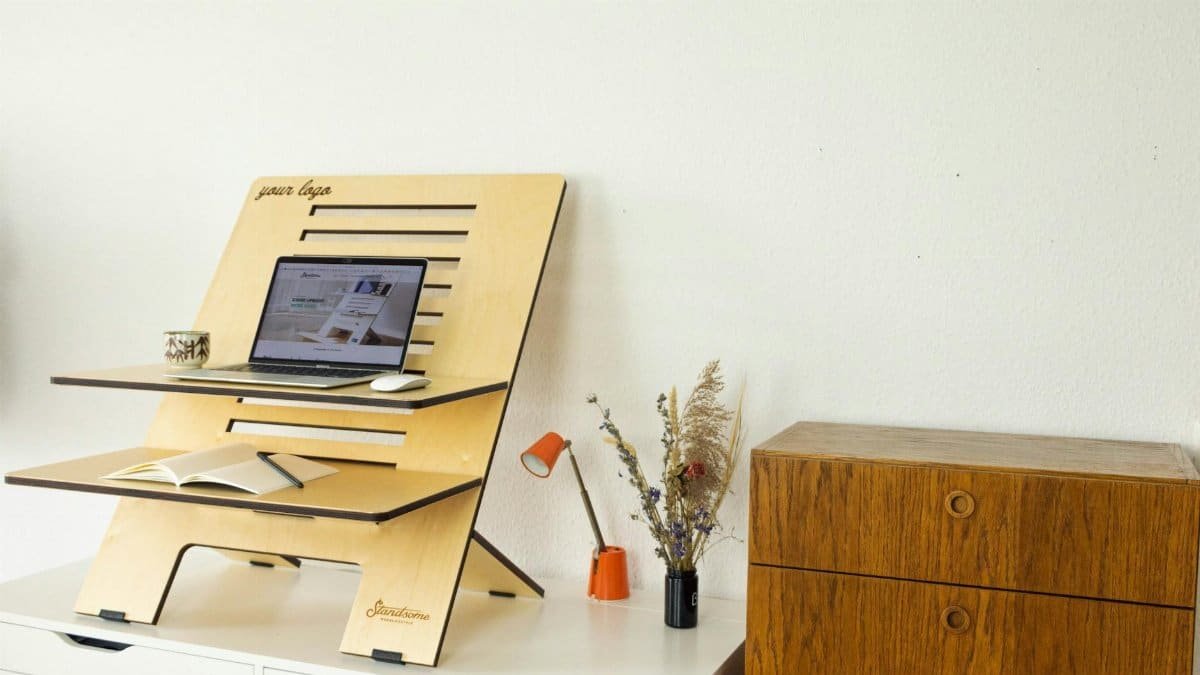
In the quiet hours of the morning when the house is still and the laptop screen flickers to life, a growing number of professionals have begun to rethink how they spend their working days. Sales of standing desks with treadmills have jumped 180 percent as remote workers search for ways to bring gentle movement into long hours at home. What was once a niche product for fitness enthusiasts has moved into mainstream home offices, promising not just physical activity but a deeper sense of balance between body, mind, and daily purpose. This shift arrives at a moment when many middle aged Americans report feeling tethered to their chairs, disconnected from the natural rhythms that once shaped human life.
A Quiet Revolution in How We Work
Across suburban homes and city apartments, furniture delivery trucks now frequently carry boxes marked with words like under desk treadmill and walking workstation. The phenomenon reflects more than a passing fitness fad. Industry analysts point to data from the original CNN report showing that purchases accelerated sharply in early 2025 as hybrid work schedules became permanent. Rather than scheduling separate exercise time that often gets canceled, people are choosing to integrate motion into the hours when they are already focused on tasks.
This approach echoes older wisdom found in many spiritual traditions that emphasize mindful movement. Monks have walked labyrinths for centuries as a form of prayer. Philosophers composed ideas while pacing. The modern standing desk paired with a treadmill brings a version of that practice into contemporary life, allowing thought and motion to flow together.
Physical Renewal Without the Gym Membership
Medical researchers have long warned about the dangers of prolonged sitting. A 2023 study from the Mayo Clinic linked excessive sedentary time to higher risks of metabolic disease, yet many found traditional exercise regimens difficult to maintain. Standing desks with treadmills offer a practical alternative by burning roughly 100 extra calories per hour at a slow walking speed of 1.5 to 2 miles per hour.
Users report fewer backaches, improved circulation, and steadier energy levels throughout the afternoon. Blood sugar regulation appears to benefit as well. One longitudinal survey conducted by the University of California tracked participants over six months and noted measurable improvements in fasting glucose levels among those who walked while working at least three hours daily. The link to that research can be found here: https://www.ucsf.edu/research/walking-workstations-2025.
The Mental Clarity That Comes With Each Step

Beyond the body, many describe an unexpected mental lift. The light rhythmic motion seems to quiet anxious thoughts and support sustained concentration. Neuroscientists have observed that gentle walking increases blood flow to the prefrontal cortex, the region responsible for planning and focus.
This experience aligns closely with spiritual teachings that view the body as a vessel for awareness. When movement becomes meditation, even ordinary work tasks can take on new meaning. Several users compared their morning walks at the desk to a walking meditation practice, noting that ideas for creative projects or difficult conversations often resolve more easily when feet are in motion.
Blending Ancient Wisdom With Modern Technology
The current popularity of these devices sits at the intersection of ancient understanding and twenty first century engineering. Spiritual leaders from various traditions have long taught that humans are meant to move. Indigenous cultures incorporated walking into storytelling and decision making. Buddhist teachers speak of kinhin, or walking meditation, as essential to balanced practice.
Standing desks with treadmills bring this principle into the secular workplace. The machines themselves remain unobtrusive, with speeds that allow typing and reading without jarring the screen. Many models now include heart rate monitors and posture reminders, creating a comprehensive wellness experience that addresses both physical alignment and inner state.
Designing Sacred Spaces at Home

Creating room for a standing desk with treadmill requires intention. Successful users often treat the setup as a kind of personal sanctuary rather than mere office equipment. They position the desk near natural light, add plants, and sometimes incorporate subtle spiritual elements such as a small altar or meaningful objects within view.
Interior designers specializing in wellness spaces recommend starting small. A corner of the living room can become a movement station with a compact unit that folds away when not in use. The key lies in removing barriers so that stepping onto the treadmill feels as natural as sitting down once did.
Real Stories From Those Who Walked the Path

Sarah Thompson, a 52 year old project manager in Colorado, hesitated before purchasing her first unit. Six months later she says the desk has changed her relationship with both her work and her body. She completes her most demanding tasks during morning walks, claiming the motion helps her stay present rather than spiraling into worry.
Michael Rivera, a teacher turned curriculum developer, uses his treadmill desk for virtual classes with students. He reports feeling more patient and engaged when moving. These accounts appear repeatedly in online communities where people share both successes and adjustments. The trend seems particularly strong among those in their forties and fifties who feel the cumulative effects of decades spent at desks.
Addressing the Practical Concerns
Not every experience proves seamless. Some users mention an adjustment period lasting several weeks as the body adapts to new posture and motion patterns. Noise from the treadmill can disturb others in the household if volume settings are not managed carefully. Cost remains another consideration, with quality models ranging from twelve hundred to twenty five hundred dollars.
Yet many find workarounds. Noise cancelling headphones solve audio issues while lower priced options with strong reviews continue to enter the market. Those who persist through the initial learning curve often describe the investment as life changing rather than merely transactional.
Spiritual Leaders Weigh In On the Trend

Progressive faith communities have begun discussing these devices in wellness ministries. A Methodist minister in Oregon recently incorporated a walking desk demonstration into a sermon about stewardship of the body. Buddhist centers in California have hosted workshops exploring the connection between kinhin practice and contemporary work life.
This convergence suggests the trend touches something deeper than convenience. In an age when many feel fragmented by technology and constant demands, the simple act of walking while working offers a return to wholeness. The body moves, the mind focuses, and the spirit finds space to breathe within ordinary hours.
Overcoming Resistance From Traditional Thinkers

Skeptics initially dismissed the devices as gimmicks or distractions. Corporate culture especially maintained doubts about whether employees could remain professional while walking during meetings. Early adopters countered these concerns with performance data showing equal or higher output alongside improved mood and reduced sick days.
Gradually attitudes have shifted. Several Fortune 500 companies now subsidize standing desks with treadmills for remote workers as part of comprehensive wellness programs. The conversation has moved from whether these tools belong in professional settings to how best to implement them thoughtfully.
Preparing for a More Mobile Future

As artificial intelligence handles routine tasks, human work may increasingly emphasize creativity, strategy, and presence. Standing desks with treadmills seem well positioned for this evolution by supporting the physical vitality necessary for sustained creative thinking.
Experts predict continued innovation including models with automatic height adjustment, integrated cooling systems, and artificial intelligence coaching that suggests optimal walking speeds based on heart rate and task complexity. The goal remains the same: helping people remain connected to their bodies while fully engaged in their work.
Finding Balance in Motion
The rapid adoption of standing desks with treadmills reveals a collective yearning for integration. Rather than separating exercise, work, and spiritual practice into different compartments of the day, growing numbers of people are weaving them together. Each step becomes both practical and meaningful.
This development arrives at a hopeful time. After years of pandemic isolation and digital overload, many seek practices that restore wholeness. The standing desk with treadmill, humble as it may appear, offers one such path. It asks only that we stand up, take a step, and discover what emerges when body and purpose move as one.
The evidence continues to build. Improved health markers, sharper mental focus, and reports of greater life satisfaction all point toward the value of this approach. As 2026 unfolds, these walking workstations may well become as common as laptops in home offices across the country. For many, they represent more than office furniture. They serve as daily reminders that movement matters, presence matters, and the most meaningful work often happens when we engage fully with both mind and body.