
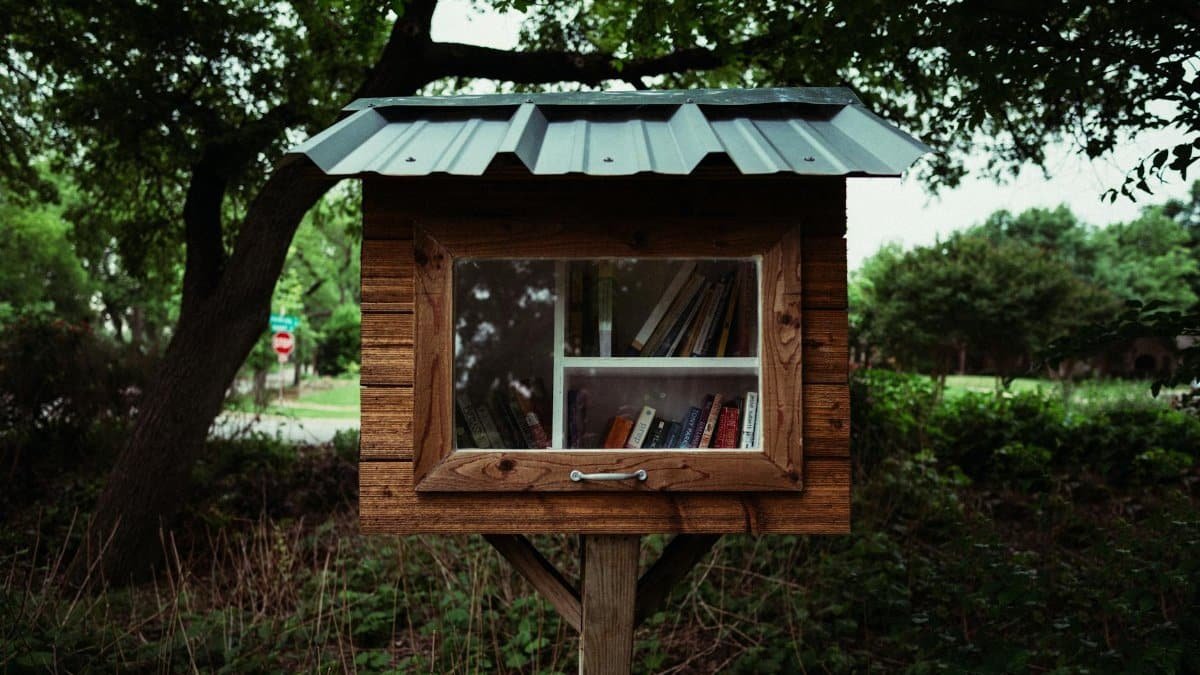
In the heart of Logan Square a wooden cabinet stands quietly outside a popular cafe. Inside are rows of seed packets waiting for anyone who wishes to start a garden. From vibrant marigolds to hearty kale these free offerings represent a larger trend taking hold across the city. Chicago seed libraries are emerging in various forms providing residents with the means to cultivate their own plants while building connections with neighbors and the environment.
For middle aged residents seeking ways to engage more deeply with their communities and the natural world this development offers both practical and profound opportunities. It is a movement that blends practicality with a quiet form of activism rooted in care for the future. As these libraries multiply they signal a shift toward greater self sufficiency and collective responsibility that resonates on multiple levels.
The Roots of a Growing Movement

The idea draws from age old practices of seed sharing that sustained farming communities for generations. In Chicago organizers have revived and reimagined this tradition to meet the realities of modern city life. Early efforts began in public library branches where patrons could check out seeds much like they would a book. Success there inspired independent efforts in community centers and even private businesses.
As reported in a recent local news segment organizers recognized that access to quality seeds could address several pressing urban issues at once. The programs gained traction through word of mouth and small scale events that demonstrated the joy of growing food in tight spaces. What began as a niche project has now spread into a recognizable feature of many neighborhoods.
Understanding How They Work

Chicago seed libraries operate on principles of reciprocity and education. Visitors select packets for free and are encouraged though not required to save seeds from their harvest and return them to the collection. This exchange keeps the stock renewed and genetically diverse over time. Most locations also provide simple instructions suited to Chicago growing conditions including details on planting schedules and common pests.
Many sites go further by hosting regular workshops. Volunteers teach everything from basic container gardening to advanced seed preservation methods. The emphasis remains on accessibility so that renters in apartments and homeowners alike can participate successfully. Through these chicago seed libraries knowledge spreads as steadily as the plants themselves.
Neighborhoods Taking the Lead
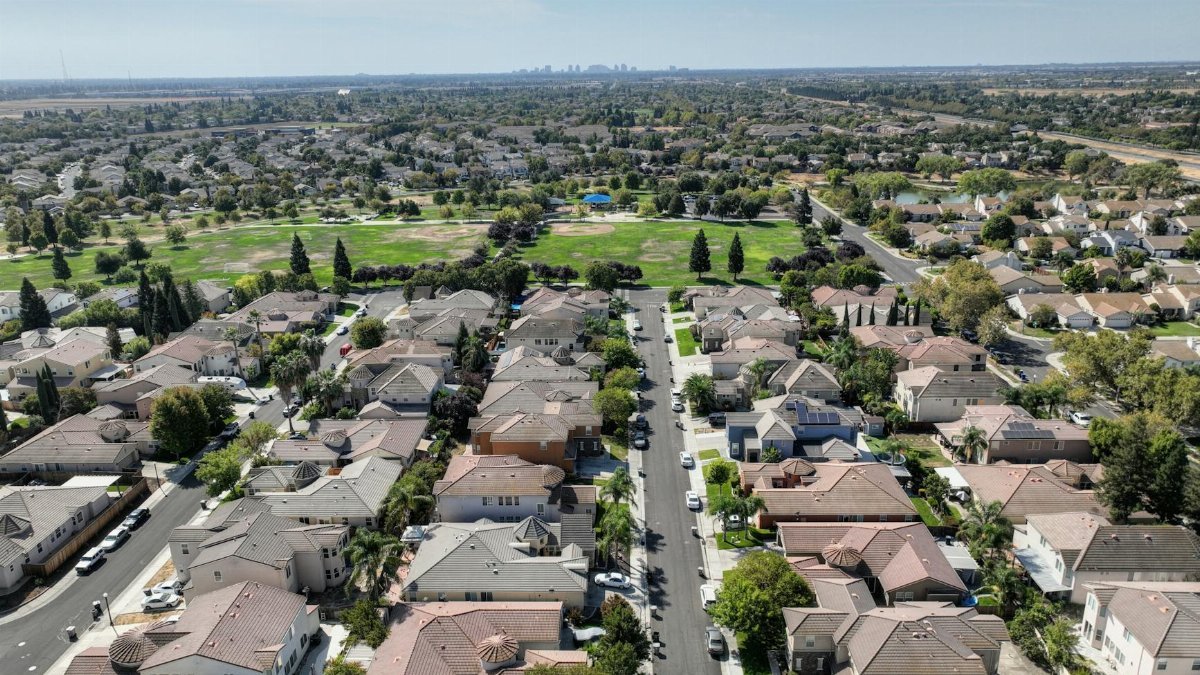
Diverse communities have embraced the concept with particular enthusiasm. In Humboldt Park a brightly painted kiosk near the community garden draws families throughout the growing season. On the South Side church basements now double as distribution points linking spiritual life with practical action. Pilsen has seen artists integrate seed libraries into gallery spaces creating beautiful displays that invite reflection on growth and creativity.
Each location reflects the character of its surroundings. In some places the focus is on culturally significant crops that connect immigrants to their heritage. In others the priority is native prairie plants that support declining insect populations. This tailored approach helps explain why chicago seed libraries have taken root so effectively across varied city landscapes.
Environmental Benefits for the City
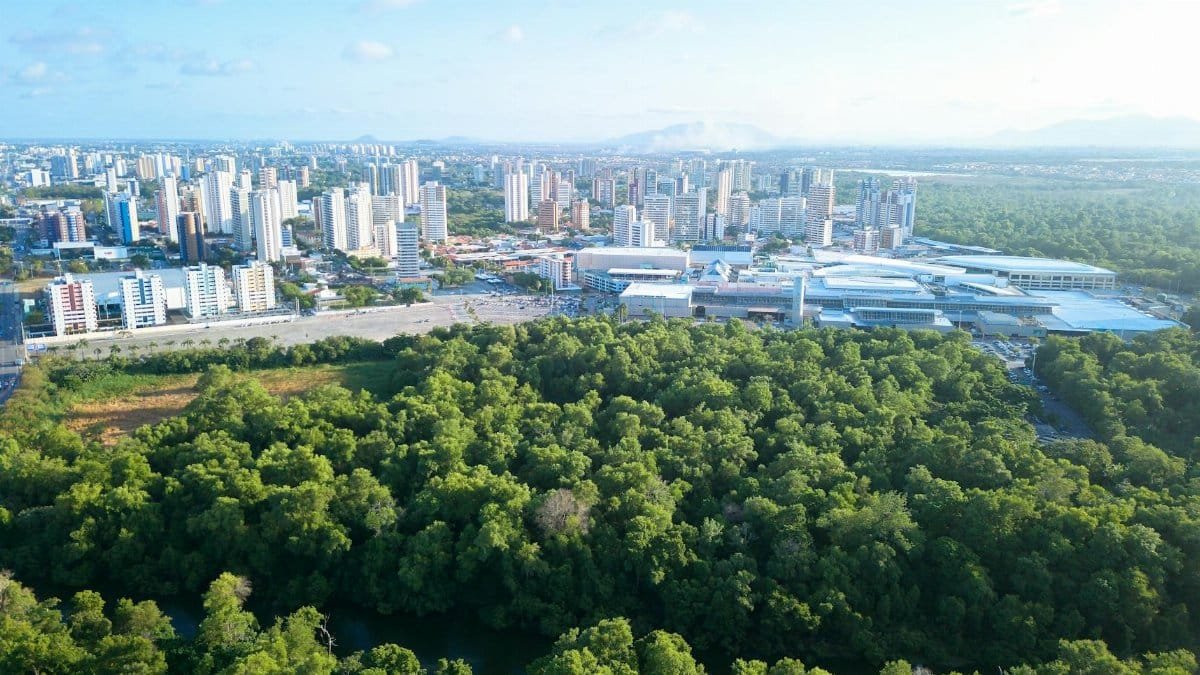
Every garden started through these programs contributes to broader ecological health. Plants help cool urban heat islands reduce stormwater runoff and improve air quality. When residents grow their own food the demand for trucked in produce decreases lowering carbon emissions associated with transportation.
Pollinator populations benefit as well. Many libraries prioritize flowers and herbs that provide nectar and habitat for bees and butterflies. Over several seasons participants have noticed increased bird activity and healthier backyard ecosystems. These small changes accumulated across thousands of gardens create measurable improvements in the urban environment.
Strengthening Community Connections

Beyond environmental gains the social impact may be even more significant. Seed libraries naturally become gathering places where conversations flow easily. Novice gardeners receive advice from seasoned ones while children learn responsibility by helping maintain shared plots. What begins as a transaction of seeds often grows into lasting relationships.
In an age of increasing isolation these initiatives offer low pressure ways to build trust across cultural and economic lines. Harvest celebrations and seed swap events further reinforce neighborhood bonds. Many participants describe a renewed sense of belonging that comes from contributing to something larger than themselves.
Finding Spiritual Meaning in the Soil
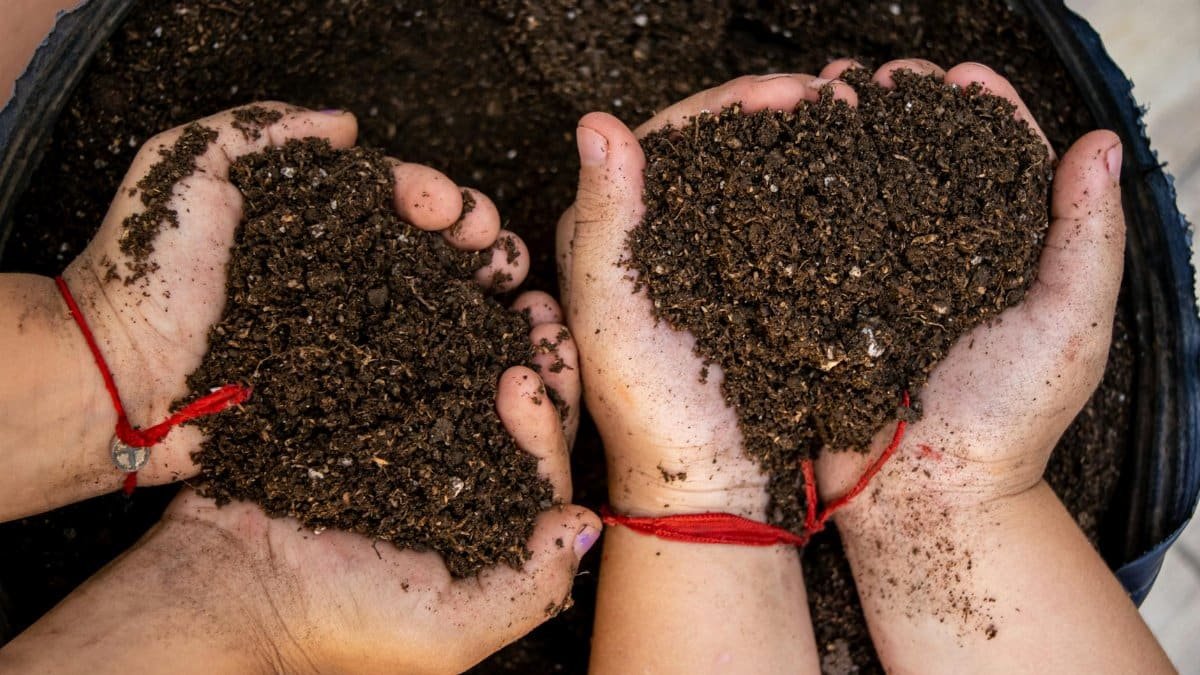
The spiritual dimension of this work has drawn increasing attention within faith communities and among those exploring nature based practices. Tending seeds invites contemplation of patience mystery and the unseen forces that transform tiny specks into nourishing plants. Many describe the experience as a form of active prayer or mindfulness that grounds them in the present moment.
Across various traditions seeds have long symbolized hope and resurrection. Chicago clergy from different denominations have begun incorporating seed libraries into their outreach describing the work as an expression of stewardship and care for creation. This convergence of practical gardening and spiritual seeking reflects broader cultural trends toward reconnecting with the earth in meaningful ways. For many middle aged participants the practice fills a need for transcendence that daily routines often fail to satisfy.
Hearing from Local Gardeners
Robert Chen retired early from teaching in Rogers Park and credits his local seed library with restoring his sense of purpose. What started with a single packet of basil seeds expanded into a backyard oasis that now supplies herbs and vegetables for his block. He speaks of watching seedlings emerge as a daily reminder of renewal that sustained him through difficult times.
Aisha Washington in Englewood tells a similar story. The single mother found that gardening with her children created both food security and powerful teaching moments about responsibility and wonder. The family now gathers regularly not just to tend plants but to discuss the deeper lessons they offer about life and interdependence. Stories like these illustrate how chicago seed libraries touch lives in ways that extend far beyond horticulture.
Addressing the Obstacles

Urban gardening presents real difficulties including contaminated soil limited sunlight and short growing seasons. Library organizers have responded by curating hardy varieties proven to thrive in Chicago conditions and offering guidance on container growing for those without yards. Soil testing kits and compost distribution programs help overcome some of the most common barriers.
Weather remains unpredictable yet participants learn to view failure as part of the educational process. The supportive network surrounding these libraries means that when challenges arise help is rarely far away. This culture of shared problem solving has proven essential to long term success.
The Power of Collaboration

Sustained growth depends on partnerships between libraries nonprofits neighborhood associations and local universities. Small grants help purchase supplies while volunteer networks manage day to day operations. Research from area agricultural programs informs which seeds perform best in city microclimates.
These alliances have allowed the movement to expand without losing its grassroots spirit. Businesses contribute materials and space while schools integrate gardening into science curricula. The collaborative model ensures that chicago seed libraries remain responsive to evolving community needs rather than following top down directives.
Envisioning a Greener Future

Looking ahead organizers imagine a city where seed libraries are as common as public libraries and where every neighborhood boasts thriving community gardens. Integration with composting programs farmers markets and schoolyards could create comprehensive local food systems that strengthen resilience against climate challenges.
The quiet presence of these small wooden boxes scattered across Chicago represents something larger than gardening. They embody hope for reconnection in multiple forms to the earth to each other and to cycles of growth that transcend individual lives. In tending these seeds residents are also cultivating a more sustainable and spiritually grounded way of living together in the city.