
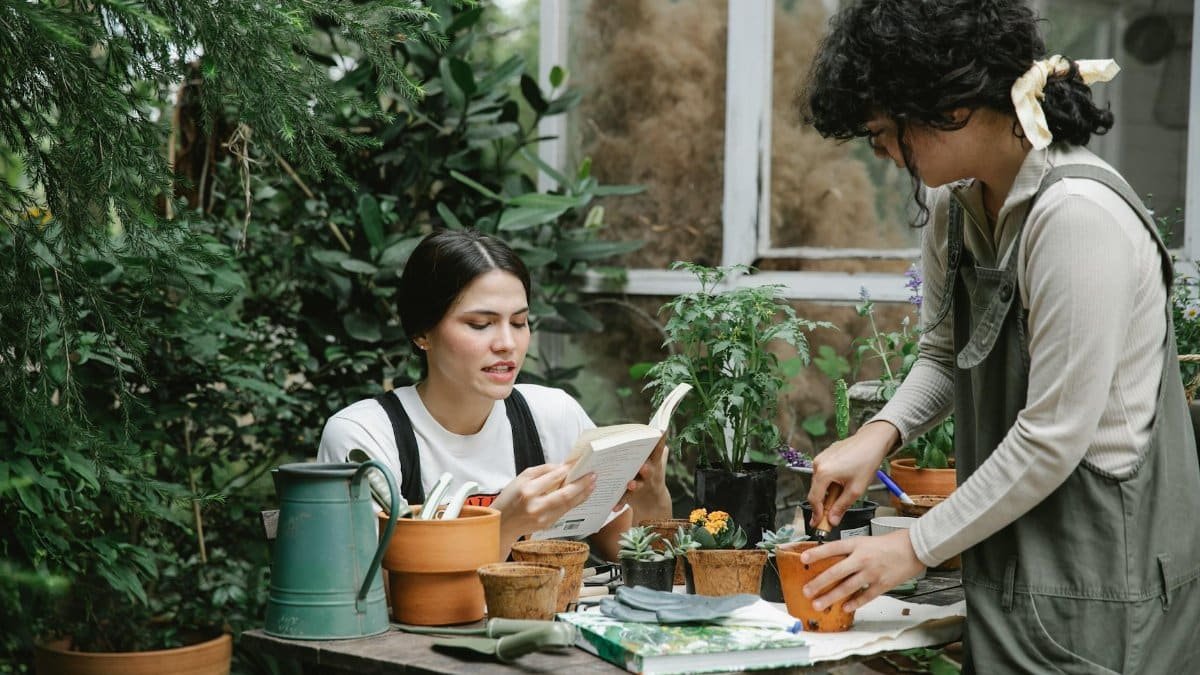
In the soft morning light of a suburban garden Margaret Thompson tends to her roses with a care born of years of practice. Now in her late sixties she notices not only the beauty of the blooms but also a certain clarity in her thoughts that she attributes to her daily time outdoors. It turns out she may be onto something significant. A new study from 2026 confirms that gardening sharpens brain function and could play a key role in reducing dementia risk for older adults. Conducted by a team of neuroscientists and published to widespread attention the research tracked participants over several years and found consistent improvements in cognitive tests among those who gardened regularly compared to those who did not. This discovery arrives as millions of baby boomers look for accessible ways to stay mentally sharp. The implications stretch beyond individual health potentially influencing how communities design green spaces and how doctors advise patients on lifestyle choices for long term wellness.
The Research That Caught Everyone By Surprise

The 2026 study led by experts at a prominent university followed more than one thousand participants aged fifty five to eighty. Half engaged in regular gardening activities while the other half pursued different hobbies. Those in the gardening group showed markedly better results in memory assessments and problem solving tasks after just twelve months. Lead researcher Doctor Elena Vargas noted that the combination of physical movement sensory stimulation and planning involved in gardening appears to create an ideal workout for the brain.
Published in a leading neurology journal the findings have drawn attention from both medical professionals and everyday readers seeking natural approaches to cognitive health. The CNN report offers an in depth look at the methodology and participant experiences. Read the full CNN coverage here.
What Happens In The Brain During A Gardening Session

When hands press into cool soil and eyes track the progress of new seedlings multiple regions of the brain activate at once. Planning what to plant where engages the prefrontal cortex while the tactile experience of working with earth heightens sensory awareness. Memory comes into play as gardeners recall proper techniques for different species and seasonal timing.
Neuroimaging conducted during the study revealed increased connectivity between areas responsible for executive function and spatial reasoning. These changes mirror some of the benefits seen in more structured brain training programs yet they arrive through an activity that feels closer to leisure than work. Gardening sharpens brain pathways through consistent gentle use rather than forced repetition.
Physical Activity Meets Mental Stimulation
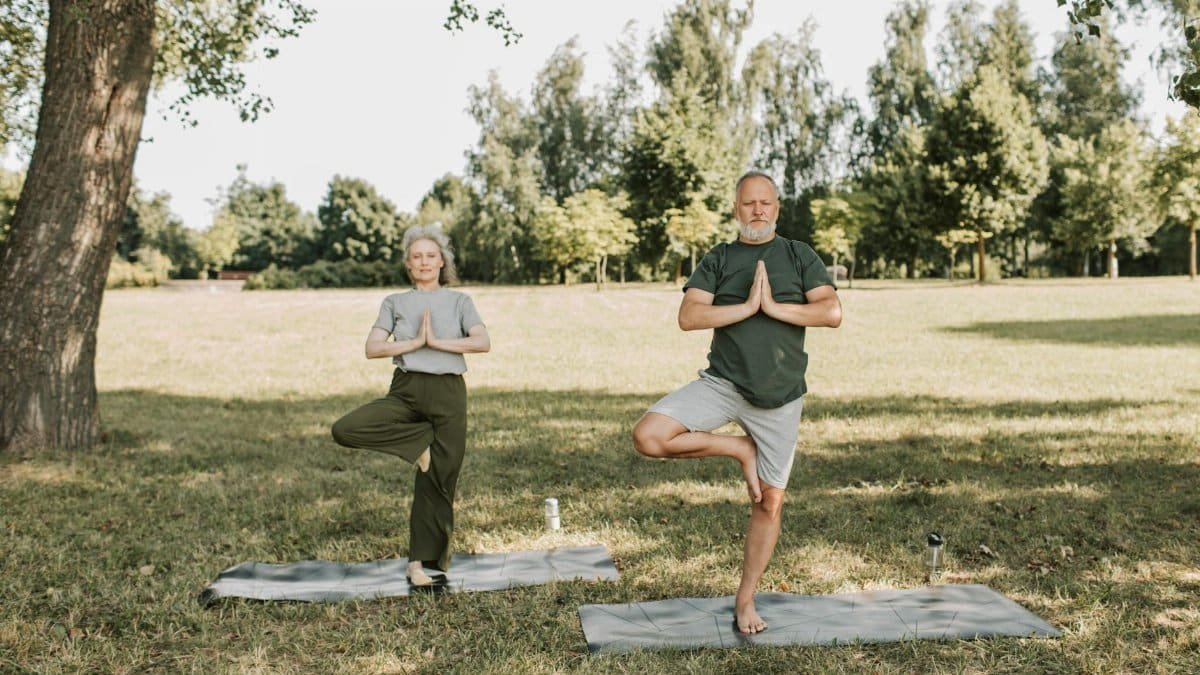
Unlike many forms of exercise gardening combines moderate physical effort with constant decision making. Bending to pull weeds strengthens core muscles while choosing which plants need water sharpens focus. The activity naturally varies throughout the seasons preventing the mental stagnation that can accompany repetitive gym routines.
Participants in the research group recorded lower stress hormone levels after gardening sessions. This reduction in cortisol appears to protect the hippocampus a brain region crucial for memory formation. For middle aged adults balancing career family and personal health such an integrated approach offers efficiency that few other hobbies can match.
The Spiritual Side Of Working With The Earth
Gardening has long served as a quiet spiritual practice for many. The rhythm of planting waiting and harvesting mirrors larger life cycles fostering patience and acceptance. In an age of constant digital distraction time spent in the garden encourages a mindful presence that many describe as meditative.
Trends in wellness increasingly highlight this dimension. Gardeners often speak of feeling connected to something larger than themselves whether through the miracle of growth or the cycles of nature. This sense of wonder and gratitude correlates with improved emotional regulation and resilience two factors that support long term brain health. The spiritual news emerging alongside the cognitive data suggests gardening nourishes both mind and spirit in ways traditional medicine is only beginning to measure.
Evidence For Reduced Dementia Risk

Perhaps most compelling were the differences in dementia markers between groups. The gardening cohort showed slower cognitive decline over the five year follow up period with some participants maintaining baseline function well into their late seventies. Researchers attribute part of this protection to the anti inflammatory effects of regular exposure to soil microbes.
These microscopic organisms appear to modulate immune response in ways that benefit brain tissue. When combined with the social and purposeful aspects of gardening the overall effect creates multiple layers of defense against cognitive impairment. While no single activity can guarantee protection the evidence continues to build that gardening sharpens brain resilience against age related decline.
How Gardening Compares To Other Brain Healthy Habits
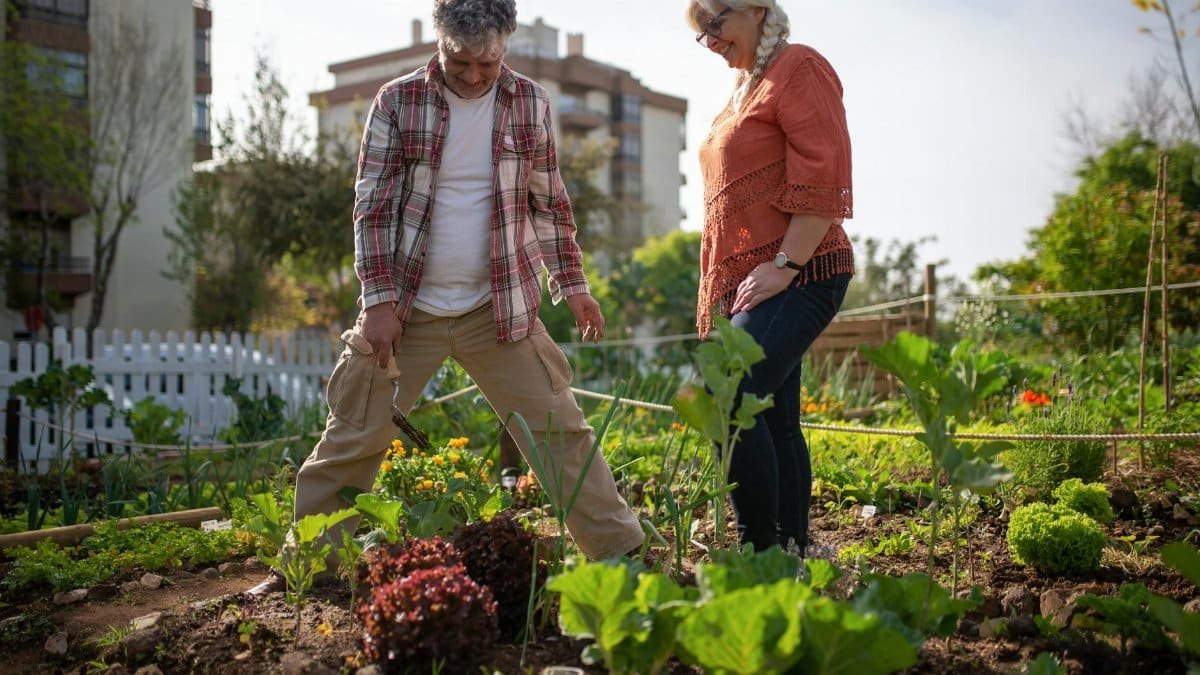
Reading learning a language and solving puzzles all support cognitive health yet gardening offers a unique package. It incorporates physicality purpose sensory variety and often social connection if gardeners share their harvest or join community plots. The study found that participants who gardened reported higher satisfaction than those doing crossword puzzles alone.
This holistic quality may explain why the benefits appear more sustained. Rather than adding one more item to a to do list gardening replaces passive screen time with active meaningful engagement. For those in their middle years seeking sustainable habits the garden presents an appealing alternative to apps and worksheets.
Voices From The Garden Stories Of Real Change
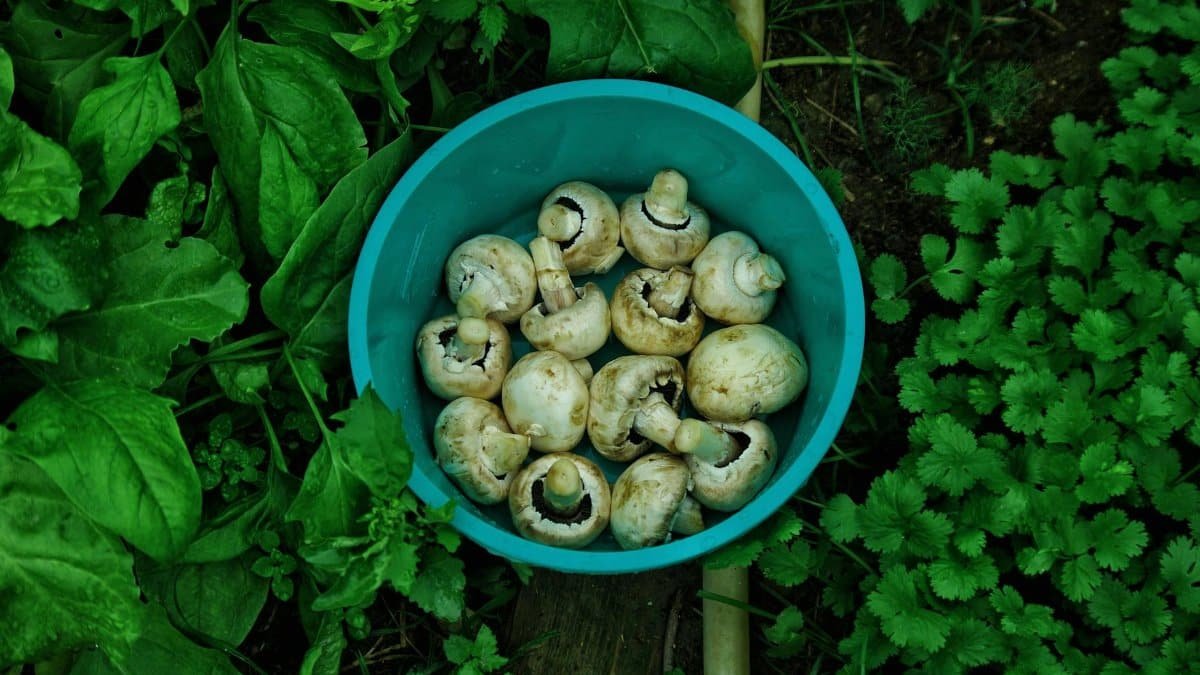
Robert Chen a retired teacher began gardening after his father developed early stage dementia. What started as a way to honor family tradition became a personal lifeline. Within two years he noticed improved concentration and a lifting of the mild depression that had settled in during retirement.
Similar accounts appear throughout the research. A sixty two year old woman credited her vegetable plot with helping her navigate grief after losing her husband. The daily responsibility to living things gave her purpose while the physical work provided healthy exhaustion that improved her sleep. These personal narratives bring warmth and humanity to the scientific data reminding readers that behind every statistic stands a life being quietly transformed.
Practical Ways To Incorporate Gardening Into Daily Life
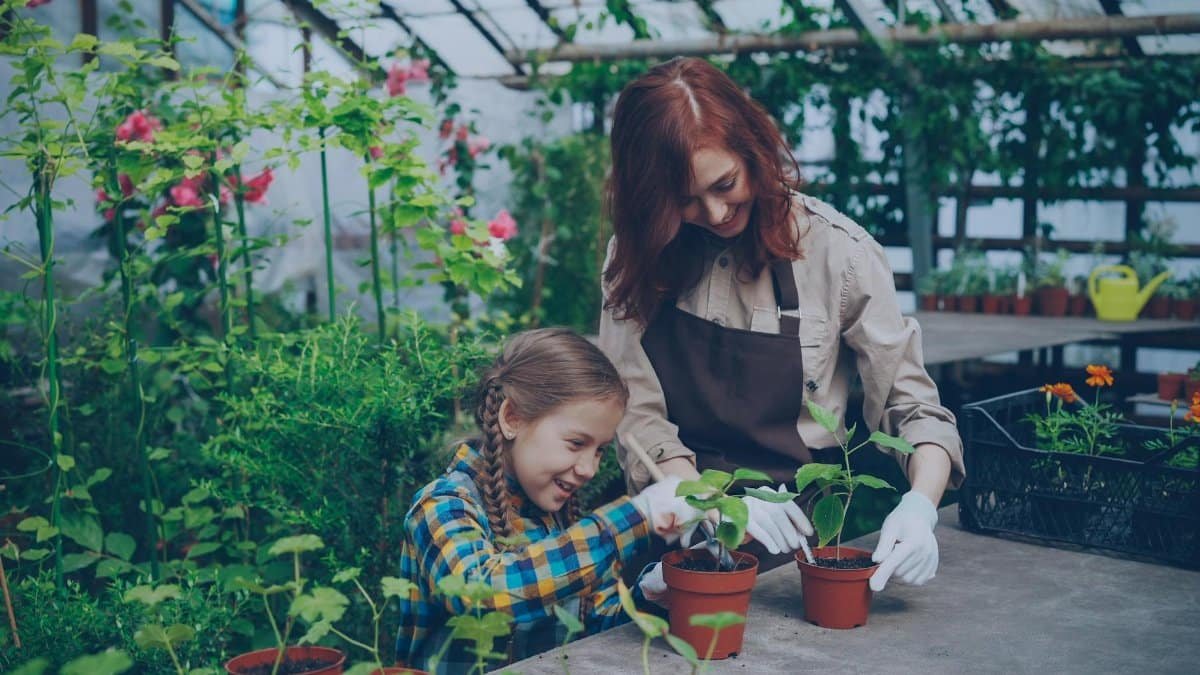
Starting a garden need not require vast space or prior expertise. Apartment dwellers can begin with container herbs on a windowsill while those with yards might choose easy perennials that return each season. The key lies in consistency rather than scale. Even fifteen minutes daily spent observing watering or pruning delivers measurable benefits according to the study data.
Local extension offices and community gardens provide free or low cost guidance. Many libraries now lend tools alongside books creating accessible entry points for newcomers. The goal remains gentle engagement that fits naturally into existing routines rather than creating additional pressure.
Overcoming Common Barriers For Beginners

Time constraints and physical limitations often discourage potential gardeners. Yet the research shows that even small scale efforts yield results. Raised beds can reduce bending while vertical gardens maximize limited space. Those with joint issues may focus on lighter tasks such as seeding and monitoring growth.
Knowledge gaps shrink quickly with experience. Online resources local classes and neighborhood mentors help newcomers avoid common mistakes. The study participants who persisted through early challenges reported the highest satisfaction and cognitive gains suggesting that the learning process itself strengthens neural pathways.
Looking Ahead To A Greener Future For Brain Health

As the population ages these findings could reshape public health recommendations. Doctors may soon prescribe gardening alongside traditional interventions. Urban planners might prioritize community green spaces knowing their potential to support cognitive wellness across generations.
The convergence of scientific validation and spiritual resonance positions gardening as more than a hobby. It emerges as a accessible evidence based practice with power to enhance quality of life well into later decades. For those who have long suspected that time spent among plants feeds the soul the new data offers welcome confirmation. In an increasingly complex world the simple act of planting a seed may hold surprising power to protect what matters most: a clear and present mind.