

**In a bustling city like Chicago Mark Thompson spent most of his days hunched over spreadsheets. At 52 he had accepted a certain level of anxiety as normal along with the occasional stomach discomfort that came with it. Then a casual conversation with his physician led him to experiment with fermented foods. What happened next surprised him. Within a matter of days he felt a noticeable lift in his energy and a calming of his nerves. Stories like Thompsons are multiplying as the medical community pays closer attention to the intricate ties between digestion and emotional health. At the core of this discussion lies the idea of fermented foods gut mood. A massive review links daily consumption of fermented foods to better microbiome diversity and reduced anxiety. This connection offers a promising avenue for those hoping to improve their quality of life without relying solely on medication.**
The Emerging Science Of The Gut Brain Connection
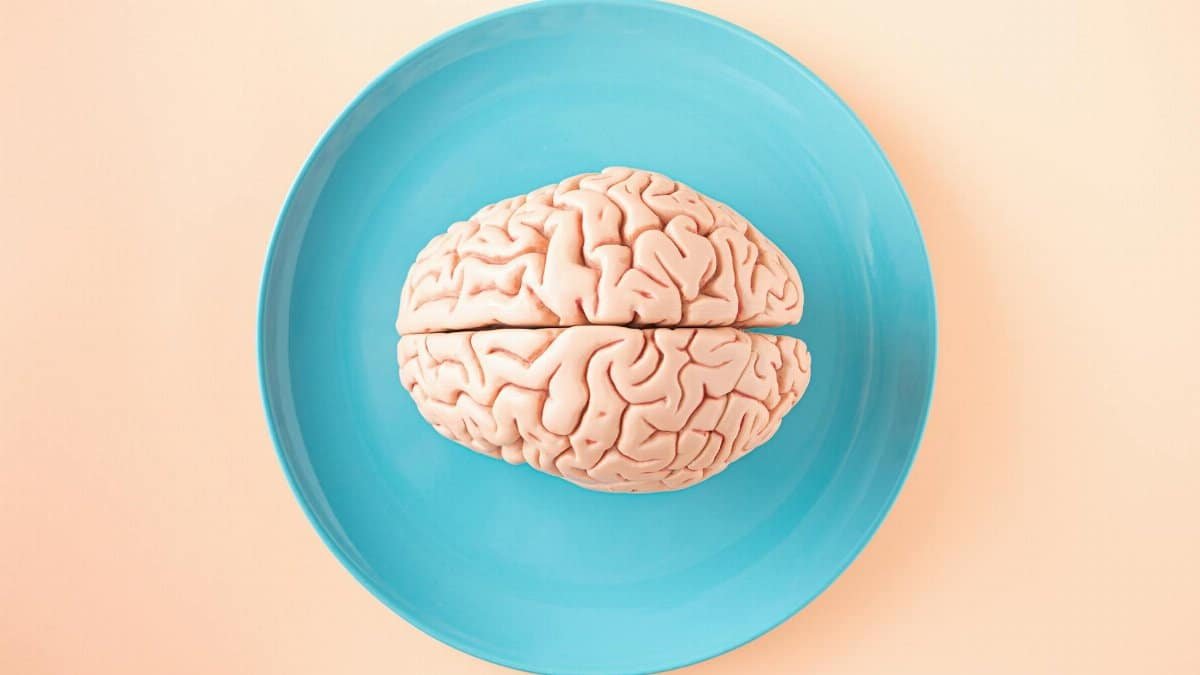
Scientists have long understood that the human body operates as a series of interconnected systems. Yet the full extent of the relationship between the digestive tract and the brain has only recently come into focus. This gut brain axis involves constant signaling through nerves hormones and chemical messengers produced by microbes. The vagus nerve serves as a primary highway for this dialogue. Disruptions in gut bacteria can send signals that influence mood regulation and cognitive function. Research published in the journal Nature has highlighted how microbial imbalances may contribute to conditions such as depression. These findings have prompted a closer look at dietary interventions capable of restoring balance.
One key mechanism involves the production of short chain fatty acids by beneficial bacteria. These compounds support gut lining integrity and cross into the bloodstream where they can influence brain chemistry. Such biological processes underscore the potential for food choices to serve as powerful tools for mental and physical well being. The implications extend beyond individual health to broader questions about how modern diets have altered our internal ecosystems.
What Exactly Are Fermented Foods

Fermented foods result from a natural process in which microorganisms such as bacteria and yeast break down sugars and starches. Common examples include yogurt kefir sauerkraut kimchi miso and kombucha. This ancient preservation method not only extends shelf life but also generates probiotics live beneficial bacteria that can colonize the gut. During fermentation new nutrients and bioactive compounds emerge that the body might not obtain from unfermented sources.
For middle aged adults whose microbial diversity often declines with age and medication use these foods offer a gentle way to replenish helpful organisms. The transformation occurs through lactic acid bacteria that create an acidic environment hostile to pathogens while fostering diversity. Unlike probiotic supplements which deliver a narrow range of strains fermented foods provide a complex community of microbes and the fibers that feed them.
A Landmark Review Of Existing Studies

The most compelling evidence to date appears in a comprehensive review covered by CNN Health that analyzed dozens of human trials. Researchers concluded that consistent daily intake of fermented foods rapidly increases microbiome diversity while lowering markers of inflammation. Participants reported measurable reductions in anxiety scores within two to four weeks a timeline far shorter than many had expected.
What distinguishes this body of work is its focus on real foods rather than isolated supplements. The review found consistent benefits across different populations suggesting the effect is robust. Authors emphasized that diversity of fermented items produced better outcomes than reliance on a single product. This aligns with the emerging understanding that a varied microbial garden supports more stable mental health.
How These Foods Enhance Microbiome Diversity

Modern lifestyles have narrowed the range of bacteria living inside us. Antibiotics processed foods and limited dietary variety have all contributed to what some scientists term microbial extinction. Fermented foods reintroduce strains that may have been lost while creating conditions for other beneficial organisms to thrive. The live cultures interact with existing microbes in ways that promote cooperation rather than competition.
Studies using advanced genetic sequencing show increases in species known to produce mood regulating compounds. Butyrate producing bacteria for instance become more abundant. These organisms strengthen the intestinal barrier reducing the leakage of inflammatory molecules that can reach the brain. The resulting decrease in systemic inflammation correlates strongly with improved emotional regulation and cognitive clarity.
The Rapid Impact On Mood And Anxiety Levels

One of the most striking aspects of the research is the speed of change. Many participants experienced reduced anxiety within the first month. Functional magnetic resonance imaging has revealed shifts in brain activity patterns particularly in regions involved in emotional processing. These neurological changes coincide with measurable alterations in metabolite profiles linked to serotonin and dopamine pathways.
The connection operates through multiple routes. Improved gut barrier function limits inflammatory signaling. Microbial production of neurotransmitters reaches the brain via circulation. Even the act of preparing and sharing these traditional foods can provide social and sensory benefits that further support emotional health. For adults navigating career pressures family responsibilities and aging parents such accessible tools carry special appeal.
Popular Fermented Options Worth Exploring

Plain yogurt with live active cultures offers an easy starting point and pairs well with fruit or granola. Kefir a drinkable yogurt contains a broader array of bacterial strains and can replace milk in smoothies. Sauerkraut and kimchi deliver crunchy texture and bold flavor while supplying both probiotics and prebiotic fibers. Miso paste dissolved in warm broth creates a soothing soup that supports digestion. Those avoiding dairy can choose water kefir kombucha or fermented vegetables.
Quality matters. Look for products that list live cultures on the label and avoid versions loaded with added sugars. Homemade options allow control over ingredients though beginners should follow reliable recipes to ensure safety. Starting with small servings prevents temporary bloating while the gut adjusts to its new microbial neighbors.
Practical Ways To Incorporate Them Daily

Simple habits yield the strongest results. Adding a spoonful of sauerkraut to lunch salads or sandwiches requires almost no extra effort. A morning smoothie with kefir instead of milk delivers consistent probiotics. Evening miso soup can become a relaxing ritual that signals the body to wind down. Even incorporating yogurt based dressings or fermented pickles on snack plates contributes to cumulative benefits.
Consistency appears more important than large occasional servings. The microbiome responds best to regular exposure much like a garden that flourishes with steady care rather than sporadic downpours. Many people find that keeping a variety of these foods visible in the refrigerator increases the likelihood of regular consumption. Over time these small choices compound into noticeable differences in both physical comfort and emotional resilience.
Addressing Common Concerns And Misconceptions

Some worry that fermented foods contain too much salt or histamine. While certain items are higher in sodium most people can enjoy them in moderation as part of a balanced diet. Those with histamine intolerance may tolerate fresh fermented foods better than aged varieties and can work with practitioners to identify suitable options. The notion that all bacteria are harmful has given way to appreciation for the essential roles most play in human health.
Concerns about safety are valid yet properly prepared fermented foods have an excellent track record. The acidic environment inhibits dangerous pathogens. Individuals with compromised immune systems should consult physicians before making major dietary changes. For the vast majority however these foods represent a low risk high reward strategy for supporting both digestion and mood.
Insights From Leading Nutrition Experts

Dr. Erica Sonnenburg of Stanford University has conducted pioneering work in this field. Her team documented dramatic increases in microbiome diversity after participants consumed a range of fermented foods for ten weeks. She notes that diversity itself seems to buffer against stress and inflammation. Other researchers emphasize the value of traditional diets that naturally include these items pointing to lower rates of mood disorders in cultures that regularly consume fermented staples.
Experts agree that fermented foods work best within a larger framework of adequate sleep physical activity and meaningful social connection. No single dietary change replaces the need for comprehensive self care yet many describe these foods as a foundational piece that makes other healthy habits easier to maintain.
Connecting Gut Health To A Sense Of Spiritual Wellness

Beyond measurable biomarkers many people report a subtle but profound shift in presence and emotional balance after improving their gut health. Ancient healing traditions from Ayurvedic medicine to traditional Chinese practices have long linked digestion with mental and spiritual clarity. Modern science now provides biological explanations for observations made centuries ago. When the gut functions smoothly the mind seems less agitated and more capable of contemplation and gratitude.
This alignment resonates with readers exploring holistic approaches to aging. A calmer nervous system supports meditation prayer and other reflective practices that nourish the spirit. Many in their middle years describe feeling more connected both to their bodies and to something larger once digestive distress fades into the background. The fermented foods gut mood relationship therefore touches realms that extend past physical health into deeper questions of human flourishing.
What The Future Holds For Dietary Interventions

Clinicians are beginning to incorporate fermented food recommendations into standard care for anxiety and depression. Future research will likely identify which strains benefit specific conditions and how genetic differences influence individual responses. Personalized nutrition informed by microbiome testing may one day guide precise dietary prescriptions.
For now the evidence already supports a simple message. Adding fermented foods to daily meals represents one of the most accessible evidence based steps adults can take to care for both body and mind. The rapid improvements documented in recent studies suggest that meaningful change remains within reach through ordinary kitchen staples. As Thompson and countless others have discovered sometimes the most powerful medicine has been on our plates all along.