
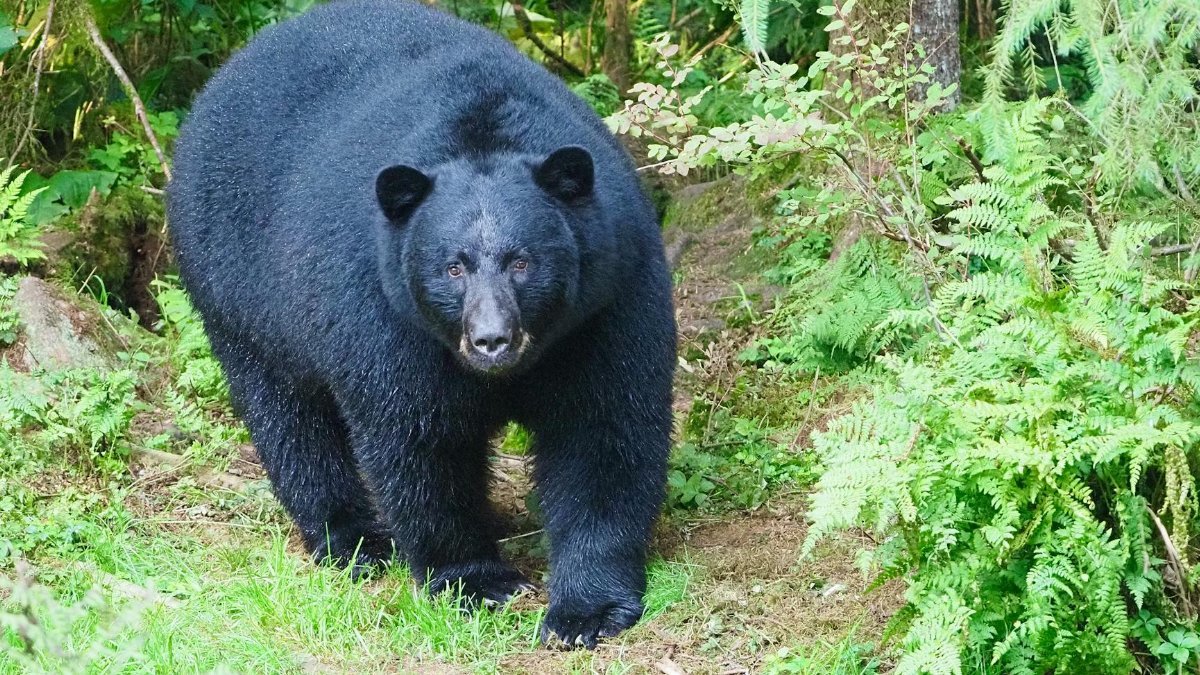
In the quiet hours before dawn a white bear moves gracefully through the thick vegetation of British Columbia’s Great Bear Rainforest. Photographer Jack Plant managed to capture this rare moment after days of patient waiting and careful navigation through the wilderness. His photographs offer a rare window into the world of rare spirit bears canada holds dear. These creatures with their striking white coats are not albinos but rather a special variety of the American black bear. The images have sparked renewed interest in the conservation of this unique species and the pristine environment they call home. For middle aged readers who remember a time when wild places seemed more accessible these photographs feel like messages from a disappearing world.
A Glimpse Into An Ancient World

The Great Bear Rainforest represents one of the last great untouched temperate rainforests on the planet. Stretching more than 250 miles along the British Columbia coast this vast landscape contains trees that have lived for over a thousand years. Within this green cathedral the spirit bears move like ghosts among the shadows. Plant’s camera work reveals not just individual animals but the intricate relationships that sustain the entire ecosystem. Salmon runs nourish the bears whose remains then fertilize the forest floor creating a perfect circle of life. Scientists estimate the spirit bear population remains extremely small with only a few hundred individuals scattered across these remote valleys.
The Photographer Behind The Lens

Jack Plant approached his project with the discipline of a naturalist and the eye of an artist. He spent weeks paddling up remote rivers and hiking through dense undergrowth often in pouring rain. His patience paid off when he encountered a mature spirit bear fishing in a shallow stream. The resulting images show the animal in sharp detail its fur almost luminous against the dark wet rocks. Plant used specialized equipment and years of experience in wildlife photography to create compositions that feel intimate rather than intrusive. His work joins a small body of documentation that has helped bring international attention to this corner of Canada.
Understanding Their Unique Appearance

Spirit bears owe their distinctive color to a genetic variation rather than albinism. The mutation affects a gene responsible for pigment production but leaves the animals with normal vision and healthy immune systems. Research from conservation genetics teams shows this trait appears in roughly one in ten bears within certain parts of the Great Bear Rainforest. The white coat may actually provide an advantage when fishing because salmon seem less likely to notice a white shape against the sky compared to a black one. This fascinating adaptation demonstrates how nature finds multiple solutions to the same survival challenges.
Sacred To First Nations Communities
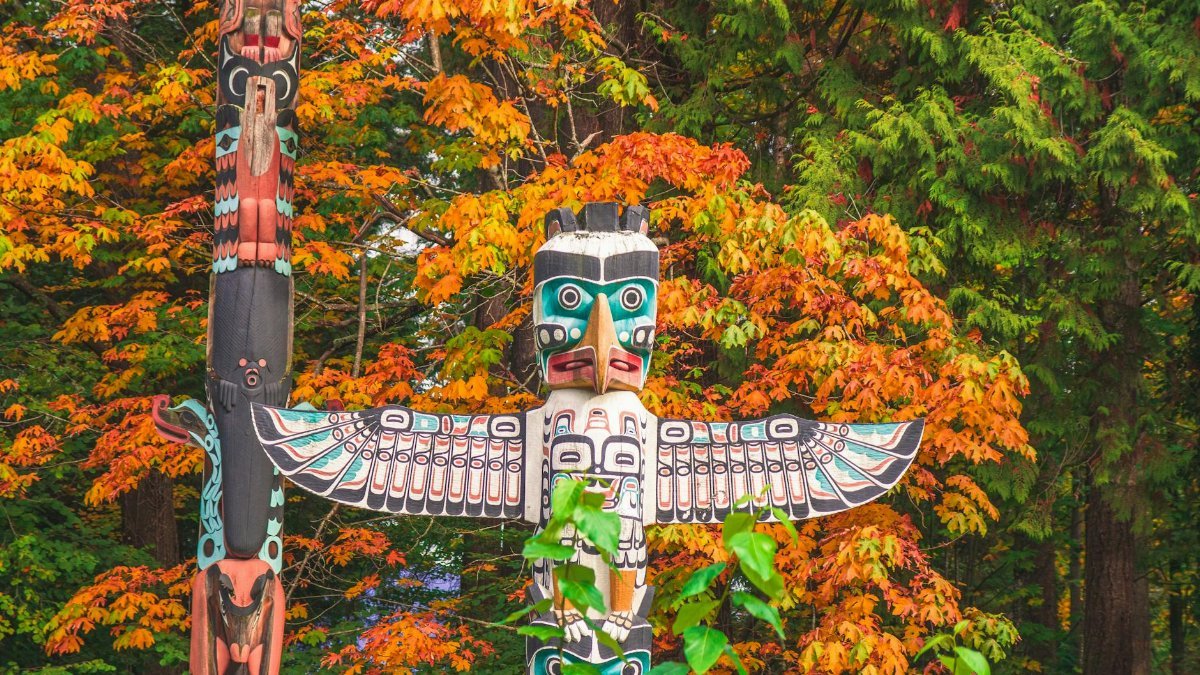
For the Indigenous peoples of the Pacific Northwest the spirit bear carries deep cultural meaning. The Kitasoo and Gitga’at nations have stories that describe these white bears as spirit messengers between the human and natural worlds. They call them moksgm’ol which translates roughly as white bear. These communities have acted as stewards of the land for thousands of years and their traditional knowledge now informs modern conservation strategies. Their respectful relationship with the bears offers valuable lessons about coexistence with wildlife rather than domination. Many tribal leaders participate actively in monitoring programs and habitat protection initiatives.
The Vast Ecosystem That Sustains Them
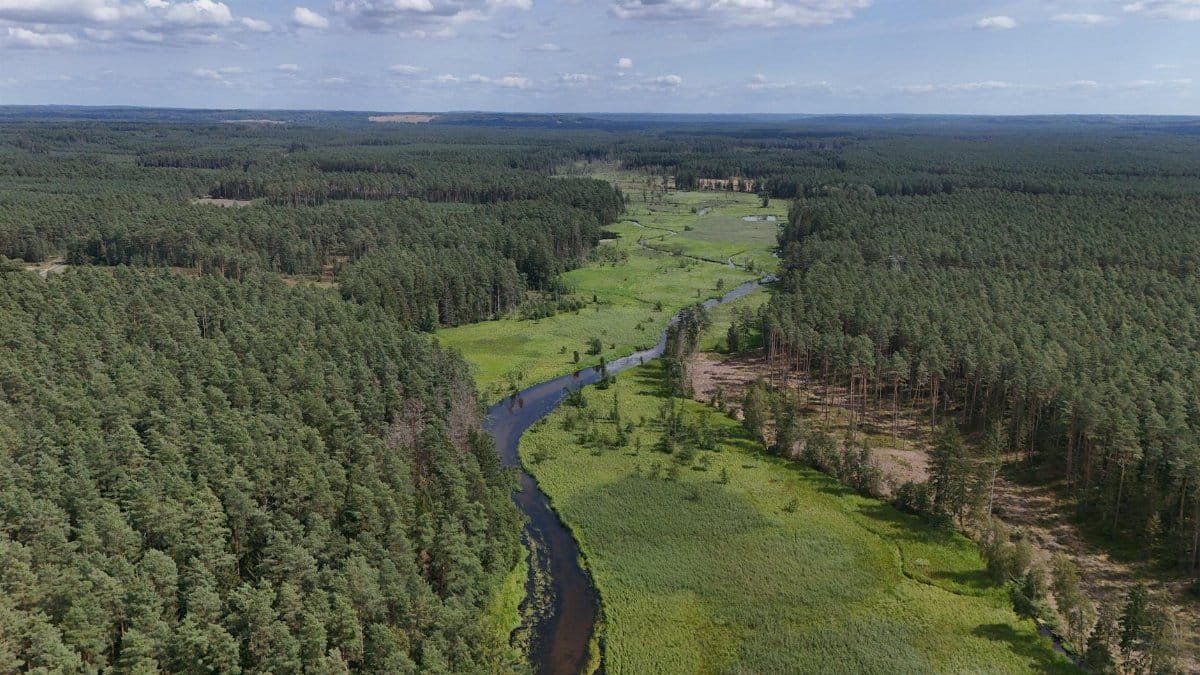
The spirit bears exist within a complex food web that depends on healthy salmon populations. When the fish return each year the bears carry marine nutrients deep into the forest. Studies suggest this transfer of nitrogen and other elements helps the giant trees grow faster and stronger. The rainforest itself acts as a massive carbon sink storing enormous amounts of climate warming gases in its ancient trees and thick layers of soil. Protecting the spirit bears therefore means protecting an entire environmental system whose health affects the entire planet. Plant’s photographs capture this connection by showing bears in context with their surroundings rather than as isolated subjects.
Facing Modern Day Pressures

Despite their remote location spirit bears face growing threats from industrial activity. Proposed shipping routes for oil tankers would increase traffic through the waters where the bears hunt for seafood. Climate change has begun altering the timing of salmon runs making food sources less predictable. Logging in adjacent areas can disrupt the delicate balance of the watershed. Conservation organizations have worked to establish protected corridors that allow the bears to move safely between different river systems. The photographs by Plant serve as powerful reminders of what could be lost if these pressures are not managed carefully.
Efforts To Ensure Their Future

Several organizations have joined forces to create a comprehensive conservation plan for the region. The Spirit Bear Foundation supports scientific research while also funding education programs in local schools. Government agencies have established new protected areas though many environmental groups argue these measures do not go far enough. International attention generated by striking images like those taken by Plant has helped raise funds for ongoing monitoring projects. Camera traps and DNA sampling now provide researchers with data that was impossible to gather just a decade ago. These combined efforts offer hope that the rare spirit bears will continue to roam their ancestral forests for generations to come.
The Technique That Led To These Images

Plant employed a combination of traditional field craft and modern technology to capture his photographs. He used camouflaged blinds positioned downwind from known bear trails and waited motionless for hours at a time. His camera equipment included weather sealed bodies capable of functioning in constant drizzle and lenses that could reach across wide rivers. Most importantly he practiced an ethic of minimal disturbance choosing to leave areas completely if the animals showed any sign of stress. This respectful approach allowed him to document natural behaviors rather than forced or artificial scenes. The resulting portfolio stands as both artistic achievement and scientific record.
What These Sightings Reveal
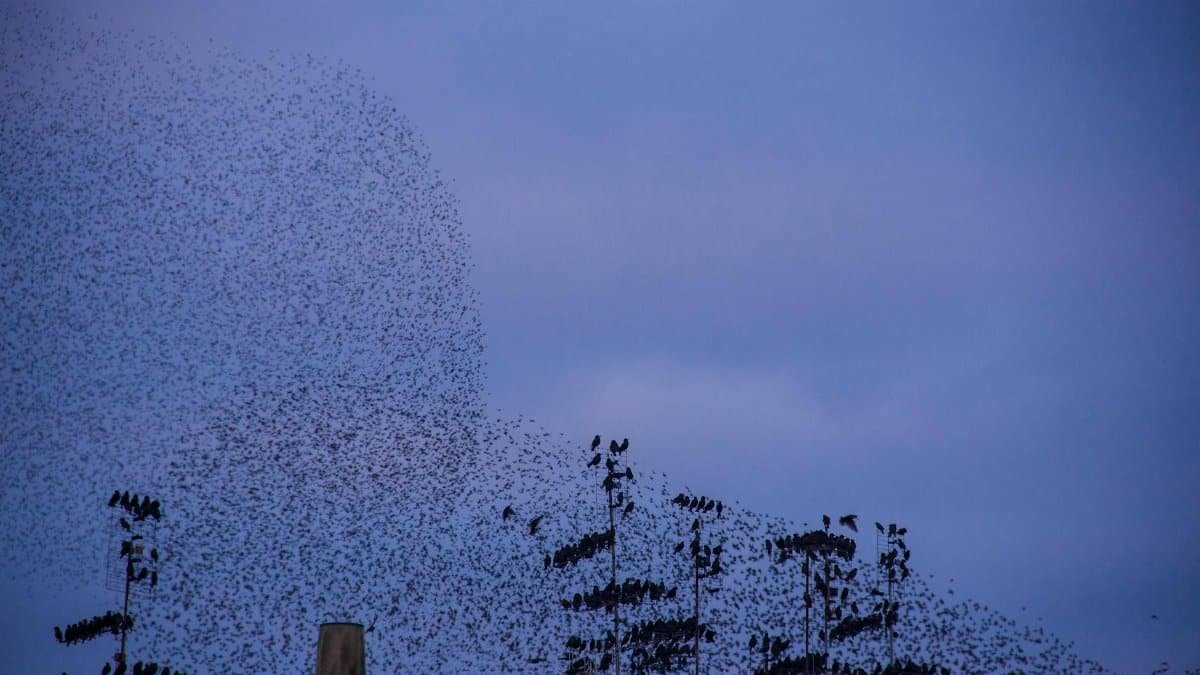
Each new photograph of a spirit bear adds to our understanding of how these animals use their environment. Plant’s images show individuals of different ages suggesting a stable breeding population. The bears appear healthy with thick coats and evident strength. Their presence in areas far from human settlements indicates that the core habitat remains relatively undisturbed. Wildlife biologists use such documentation to track population trends and identify critical feeding zones that require extra protection. The photographs also serve an educational purpose helping people who will never visit the rainforest develop an emotional connection to its inhabitants.
A Symbol Of Wilderness Preservation
The spirit bear has become an emblem for the broader effort to protect large intact ecosystems. Its striking appearance makes an immediate visual impact that resonates with people across different cultures and age groups. Conservation campaigns featuring these animals have successfully raised awareness about temperate rainforests which often receive less attention than tropical ones. The story of the spirit bears demonstrates that remarkable wildlife can still thrive when given enough space and protection from industrial exploitation. For many observers these white bears represent not just a biological curiosity but a living argument for preserving wilderness in its most authentic form.
Plant’s photographs arrive at a moment when society seems increasingly disconnected from the natural world. They remind us that places of genuine mystery still exist and that some creatures continue to live according to rhythms far older than our own. The continued survival of these rare animals will require sustained commitment from both Indigenous stewards and outside supporters who recognize their global value. As the images circulate through media channels and conservation reports they carry a simple yet profound message about the wonder that remains in the wild corners of our planet.