
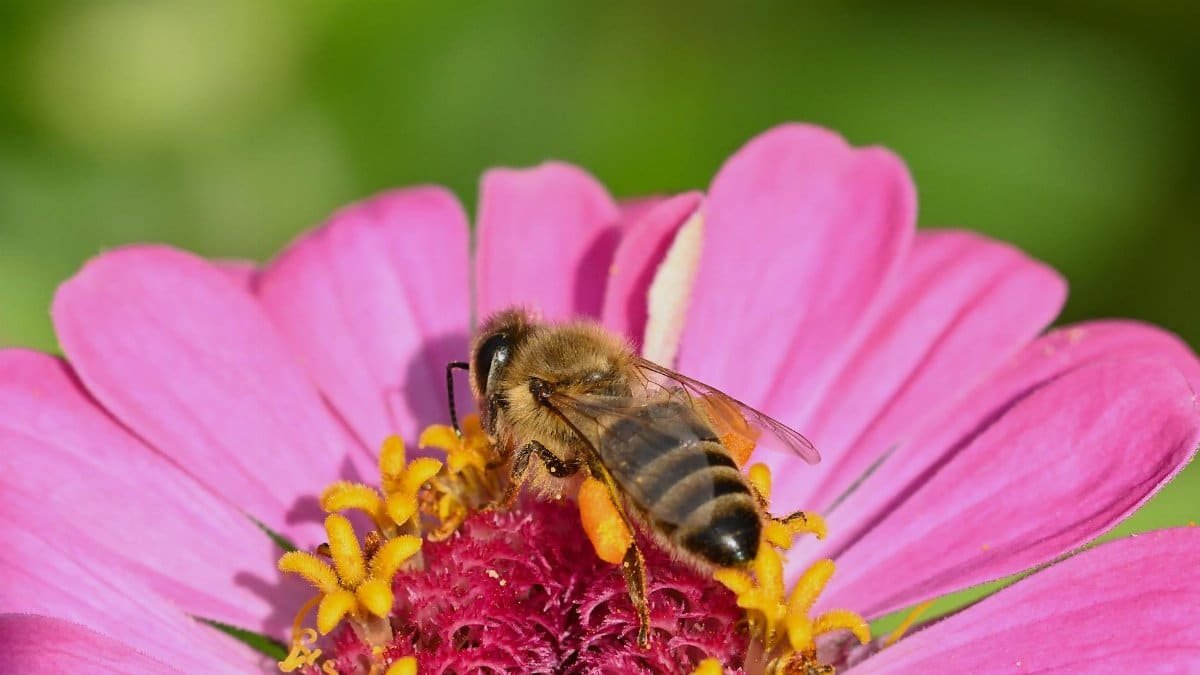
In the heart of bustling Chicago neighborhoods a quiet revolution is taking place in backyards and community plots. Homeowners are discovering that with some basic adjustments they can create havens for bees butterflies and other essential insects. One local resident described the joy of seeing her garden come alive with activity after implementing a few key changes. These simple yard hacks not only enhance the beauty of outdoor spaces but also play a crucial part in supporting the environment. As more people seek to attract pollinators chicago they are turning to native plants and sustainable practices that align with the citys unique climate and soil conditions. Experts suggest that even small gardens can make a meaningful contribution to the larger ecosystem.
Understanding the Decline of Pollinator Populations
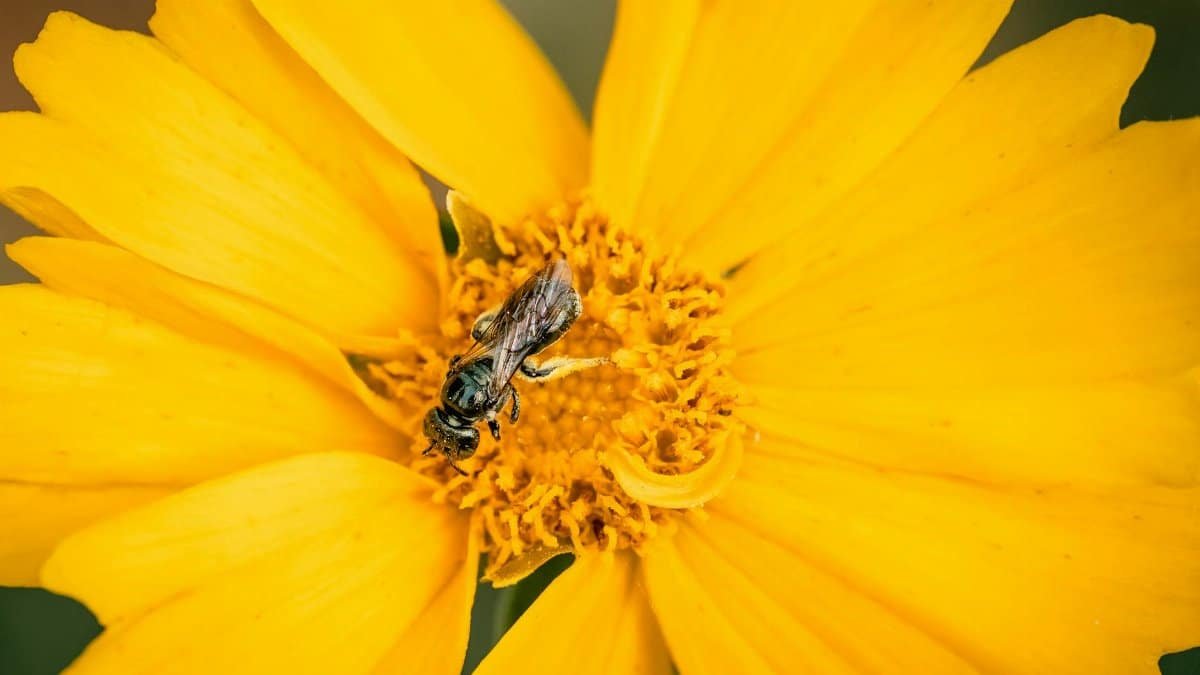
Pollinator populations have faced significant challenges in recent years. Habitat loss from urban development the widespread use of pesticides and changing climate patterns have all contributed to their decline. In Illinois certain butterfly species have seen their numbers drop by more than half according to long term monitoring programs. This trend affects not only the insects themselves but the many plants that depend on them for reproduction. Without pollinators our food supply and natural landscapes would suffer greatly. By taking action in our own yards individuals can help reverse some of these losses and support biodiversity right here in the city. A report from the Xerces Society details these pressures and offers concrete steps for urban residents. Visit xerces.org to explore the data.
Choosing the Right Native Plants for Chicago Yards

Native plants form the foundation of any successful pollinator garden because they have evolved alongside local insects over thousands of years. In Chicago conditions species such as purple coneflower black eyed Susan and wild bergamot provide rich sources of nectar and pollen while requiring less maintenance than exotic varieties. These plants tolerate the regions heavy clay soils and harsh winters making them ideal for busy homeowners. Gardeners who install clusters of at least three to five plants of the same type make it easier for insects to find and return to the buffet. Local nurseries increasingly stock these varieties and can offer advice tailored to specific microclimates across the North Side South Side and western suburbs.
Creating Continuous Blooms Throughout the Seasons
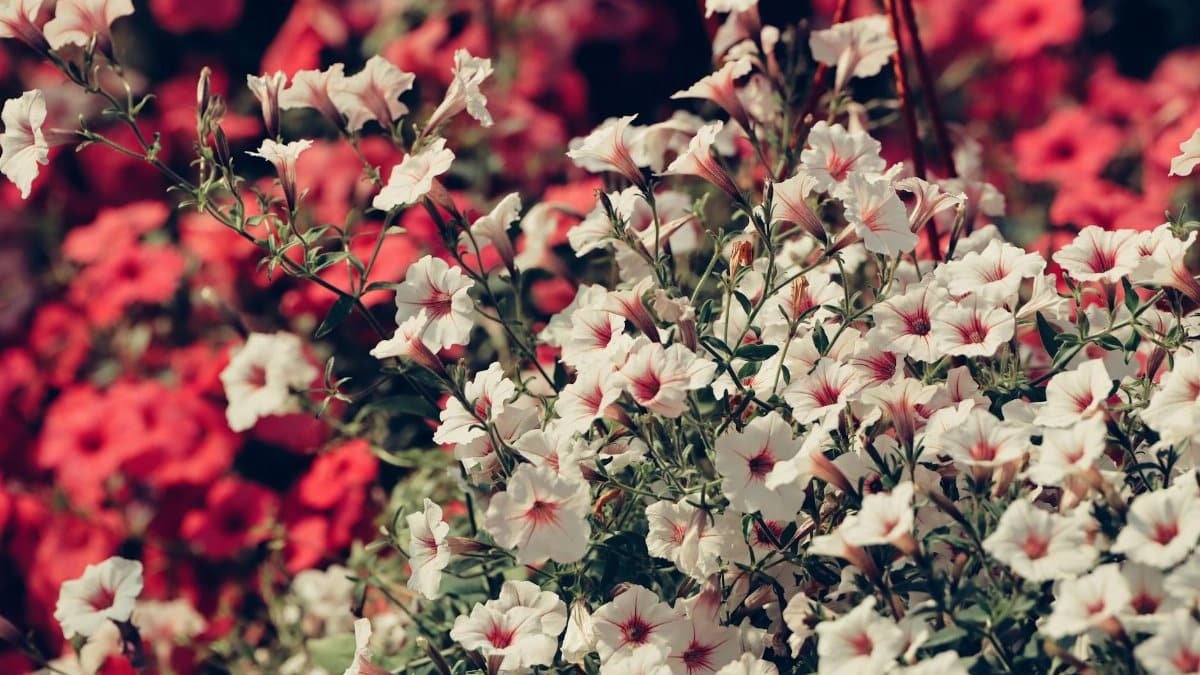
One of the most effective strategies involves planning for flowers that bloom in succession from early spring through late fall. Early bloomers like wild geranium and columbine feed emerging queen bumblebees while later asters and goldenrod sustain monarchs preparing for migration. This approach prevents gaps in food availability that can prove fatal to pollinator colonies. Many Chicago gardeners now map their plantings on paper before digging ensuring that something is always in flower. The result is a dynamic landscape that changes color and texture with the months offering visual interest for humans as well as reliable resources for insects.
Building Water Features and Nesting Areas
Bees and butterflies need water as well as food. A simple shallow dish filled with pebbles and fresh water can serve as a drinking station where insects perch safely without drowning. Mud puddles also attract certain butterflies that require minerals from damp soil. For nesting many native bees prefer bare patches of ground or hollow plant stems left standing through winter. Leaving leaf litter and fallen branches undisturbed creates habitat for overwintering insects. These elements transform an ordinary yard into a complete ecosystem rather than merely a food source.
Avoiding Harmful Chemicals in Your Garden
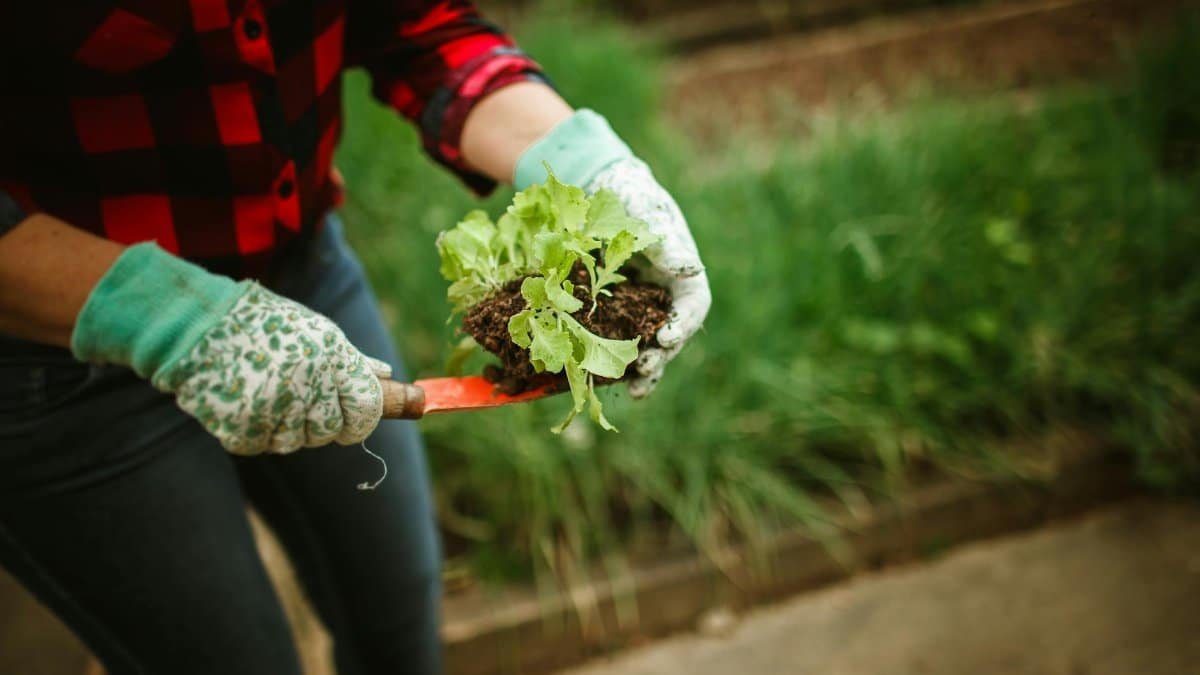
Perhaps the single most important step is eliminating synthetic pesticides and herbicides. Neonicotinoids in particular linger in plant tissue and can impair the navigation and reproduction of bees for months after application. Chicago area gardeners are increasingly turning to manual weeding companion planting and organic solutions such as insecticidal soaps derived from plant oils. This shift requires a tolerance for minor imperfections but yields healthier soil and more robust plant growth over time. Neighbors often notice the difference when birds and beneficial insects return in greater numbers.
Simple Hacks That Make a Big Difference to Attract Pollinators Chicago
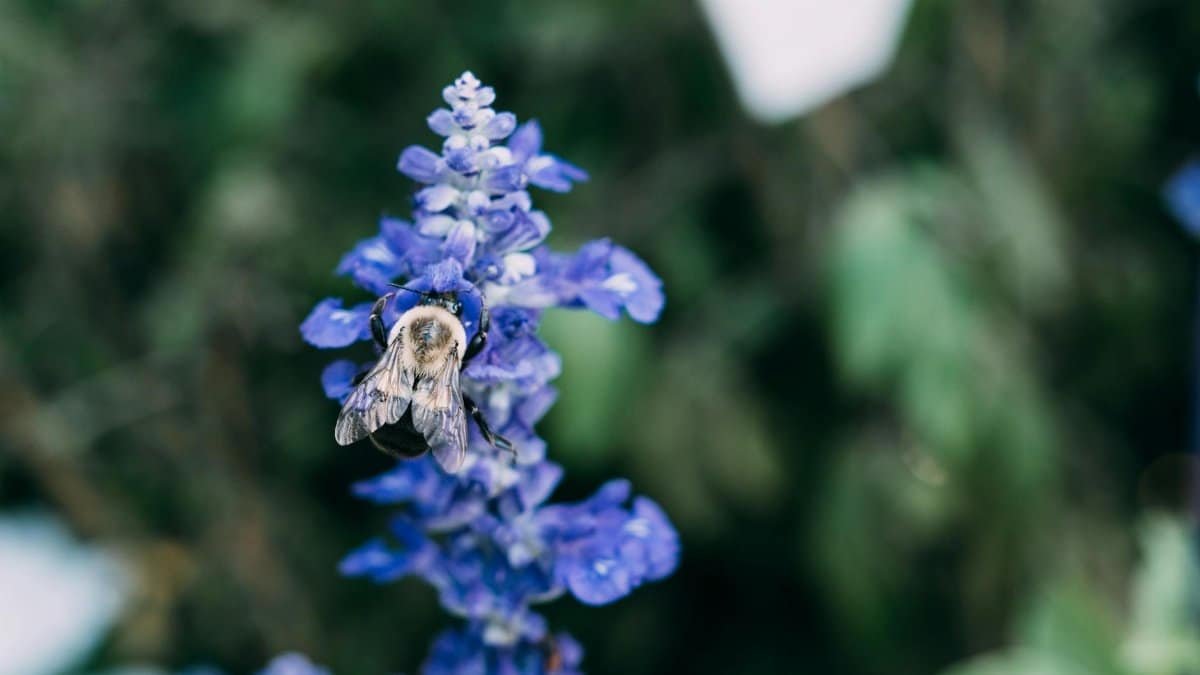
Several easy adjustments can dramatically increase the number of visitors to any yard. Planting in dense groupings rather than scattering single plants helps insects conserve energy. Allowing herbs such as basil and thyme to flower provides bonus nectar while still supplying kitchen needs. Even apartment dwellers with balconies can participate by using large containers filled with native perennials. These methods allow anyone to attract pollinators chicago without needing a large amount of space or advanced expertise. Many residents report seeing results within a single growing season.
Learning from Chicago Area Experts and Organizations

Local institutions have become valuable resources for gardeners eager to learn. The Chicago Botanic Garden offers workshops and demonstration plots that showcase successful pollinator landscapes. Similarly the Morton Arboretum provides soil testing and plant selection guidance specific to regional conditions. Community groups organize plant swaps and garden tours that let newcomers see mature habitats in action. These networks reduce the guesswork and connect people with others who share their interest in restoring urban nature. The original reporting from local news outlets such as the piece available at FOX 32 Chicago captured this growing enthusiasm well.
The Spiritual Rewards of Gardening for Pollinators
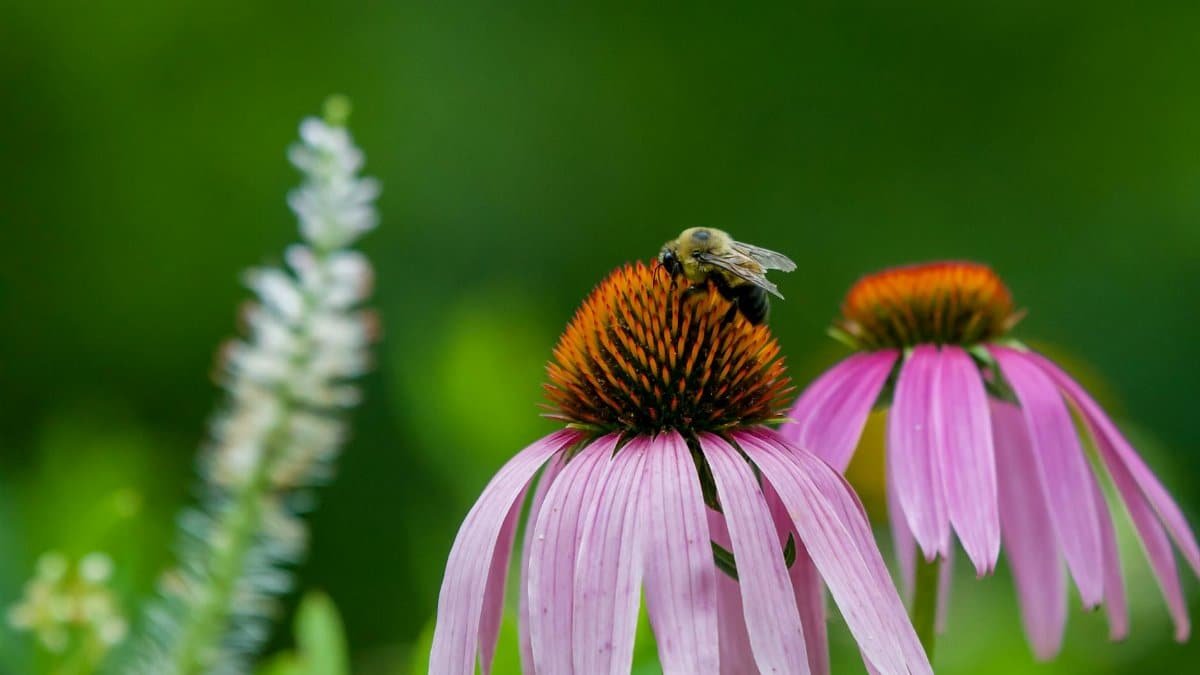
Beyond the environmental benefits many participants describe a deeper sense of connection that emerges from this work. Watching a monarch emerge from its chrysalis or hearing the steady hum of bees among the blossoms can evoke a profound awareness of interdependence. For middle aged gardeners facing busy careers and family demands these moments of quiet observation become a form of meditation. The garden teaches patience as plants establish themselves over multiple seasons and reminds us that small consistent actions can sustain life. This spiritual dimension transforms routine yard maintenance into a meaningful practice that nourishes both the earth and the human spirit.
Getting Started on Your Own Pollinator Friendly Project
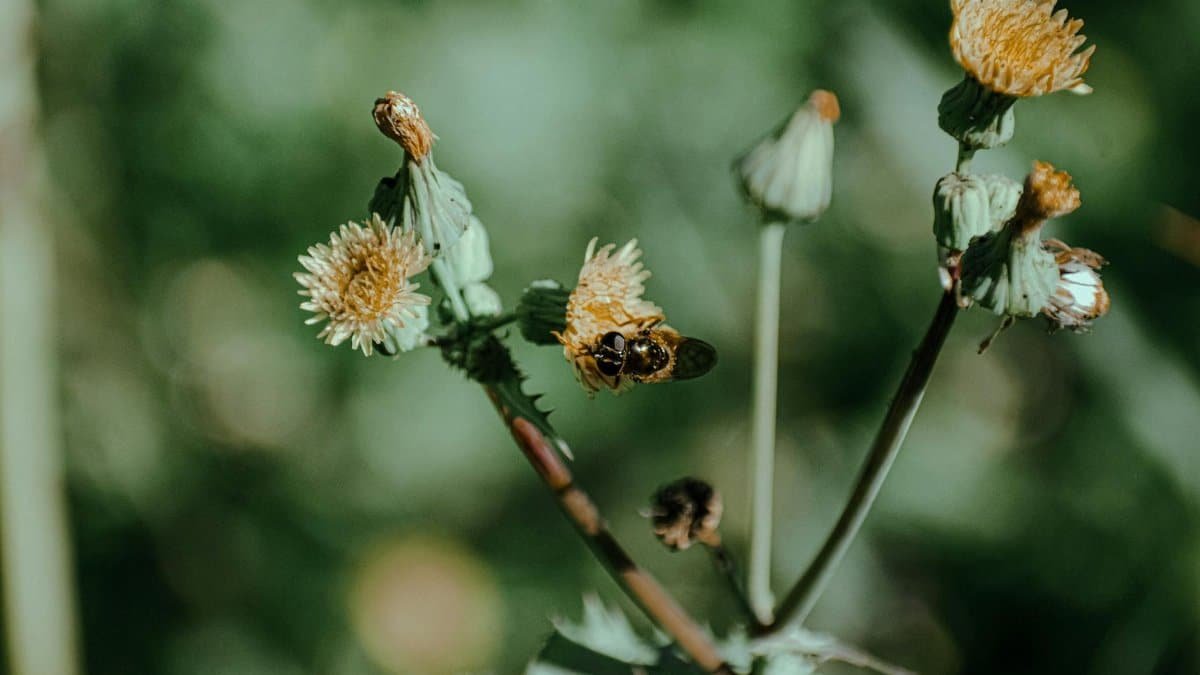
Beginners need not feel overwhelmed. Start with an area no larger than a typical parking space and select five to seven native species suited to the available sunlight. Prepare the soil by removing turf and adding compost rather than synthetic fertilizers. Water regularly during the first year while roots develop then let nature take over. Resources from the Illinois Native Plant Society can guide plant choices and timing. Within weeks the first bees usually appear followed by butterflies and hummingbirds. The project evolves naturally as gardeners observe what thrives and adjust accordingly.
Measuring the Impact on Your Local Environment

Tracking progress adds another layer of engagement. Simple observation journals noting the types and numbers of insects each week reveal patterns over time. Citizen science platforms such as iNaturalist allow Chicago residents to upload photos that contribute to larger research databases. Some neighborhoods have formed pollinator corridors by coordinating plantings along entire blocks creating connected habitats far more powerful than isolated yards. Over several years these collective efforts can influence municipal policies on public landscaping and pesticide use. The satisfaction of witnessing measurable change reinforces the value of individual action.
The movement to support pollinators continues to gain momentum across Chicago. What begins as a practical effort to bring more beauty to ones property often grows into something larger. Gardeners discover a renewed appreciation for the intricate web of life that sustains us all. With each milkweed planted and each pesticide avoided the city becomes a more welcoming place for the creatures that silently keep our world flowering. The hacks are simple the rewards are lasting and the invitation stands for every homeowner to join this quiet revolution one yard at a time.