

In the heart of South Florida a significant debate is unfolding that could alter the landscape of emergency response for more than one million residents. Broward County commissioners are considering whether to remove the fire department from the control of the sheriff an arrangement that has been in place since two thousand ten. This broward fire department sheriff combination was born out of a desire for efficiency but has grown into a point of contention among public safety professionals and local leaders alike. As the commission weighs this potential separation questions of effectiveness cost and community protection take center stage. For many in this diverse county the decision carries weight beyond bureaucracy touching on the very sense of security that families rely upon each day. The discussions reflect deeper concerns about how best to serve the public in an era of complex challenges from natural disasters to urban growth.
The Genesis Of A Unique Arrangement

The model traces its roots to a period of fiscal uncertainty in Broward County. In two thousand ten officials approved a plan to place the fire rescue division under the Broward Sheriffs Office. The move aimed to eliminate duplicate administrative functions and create a more cohesive approach to emergency management. At the time supporters argued that having one elected official oversee both police and fire services would foster better collaboration particularly in mass casualty events or during hurricane season. As detailed in a recent Miami Herald investigation commissioners are examining data that raises questions about the effectiveness of the merged operations (https://www.miamiherald.com/news/local/community/broward/article315357292.html). The integration was not without precedent in some other jurisdictions but in Broward it represented a bold experiment in local governance. Over time however the practical realities of merging two distinct professional cultures have tested the wisdom of that original decision.
Voices From Frontline Firefighters

Many firefighters have grown vocal about their experiences under the current structure. Union representatives describe a system in which fire specific training and equipment requests sometimes take a backseat to other priorities. Morale has suffered according to several longtime personnel who requested anonymity to speak freely. They point to instances where administrative decisions seemed more aligned with law enforcement metrics than with fire service benchmarks. This sentiment has fueled petitions and public comments urging the county commission to consider an independent fire department. Their concerns highlight a fundamental tension in the broward fire department sheriff setup where the unique demands of each discipline may not always align perfectly. Years of service have left many with a deep commitment to their craft yet they feel the present framework limits their ability to excel in ways that truly serve the community.
Political Considerations In The Debate

The proposal to separate the departments does not occur in a vacuum. It comes amid broader political dynamics within Broward County government. Some observers suggest that the debate reflects ongoing power struggles between the commission and the sheriffs office. With an election cycle approaching the issue has taken on added significance as various stakeholders seek to position themselves as champions of efficient government. Commissioners have heard testimony from both sides and must navigate constituent opinions that vary widely across the countys municipalities. The decision will likely hinge not only on operational data but also on the political will to challenge a status quo that has endured for more than a decade. Underlying these maneuvers are questions of accountability and the proper role of elected officials in shaping essential services.
Potential Benefits Of Separation

Advocates for splitting the fire department from sheriffs control believe it would allow for more focused leadership dedicated solely to fire rescue and emergency medical services. An independent chief could prioritize issues specific to firefighting such as building code enforcement hazardous material handling and specialized rescue operations. Proponents also argue that it might improve employee retention by creating clearer career paths unencumbered by law enforcement requirements. In addition separating the entities could lead to more transparent budgeting processes making it easier for taxpayers to understand where their dollars are going in support of each service. These potential gains form the core of the argument for change in the broward fire department sheriff paradigm. Many believe the shift would honor the distinct traditions of firefighting while allowing both agencies to pursue excellence on their own terms.
Financial Implications For County Residents

Any major reorganization carries financial consequences and this case is no exception. Estimates vary but some analysts project that establishing a standalone fire department could require initial investments in new administrative infrastructure. On the other hand long term savings might materialize through more targeted resource allocation and reduced overlap in certain functions. County officials are tasked with examining these projections closely to determine the net effect on property taxes and overall spending. For middle income families in Broward already facing high living costs the outcome of this debate could translate into tangible impacts on their monthly budgets. Transparency in these financial discussions will be crucial to maintaining public trust. Careful stewardship of public funds remains a priority that transcends any single organizational chart.
Impact On Emergency Response Effectiveness

At the end of the day the most important measure of any public safety model is how well it protects the community during times of need. Data on response times under the existing broward fire department sheriff arrangement presents a mixed picture. While some areas have seen improvements others particularly in more rural parts of the county report delays that raise alarms. Experts emphasize that effective emergency response relies on seamless integration between fire and medical personnel as well as law enforcement when necessary. The question before commissioners is whether separation would enhance or hinder that integration. Real world examples from other regions offer valuable lessons but each locality has its own unique set of circumstances. Ultimately the test will come in moments of crisis when split seconds determine outcomes for those in peril.
Community Perspectives On Public Safety
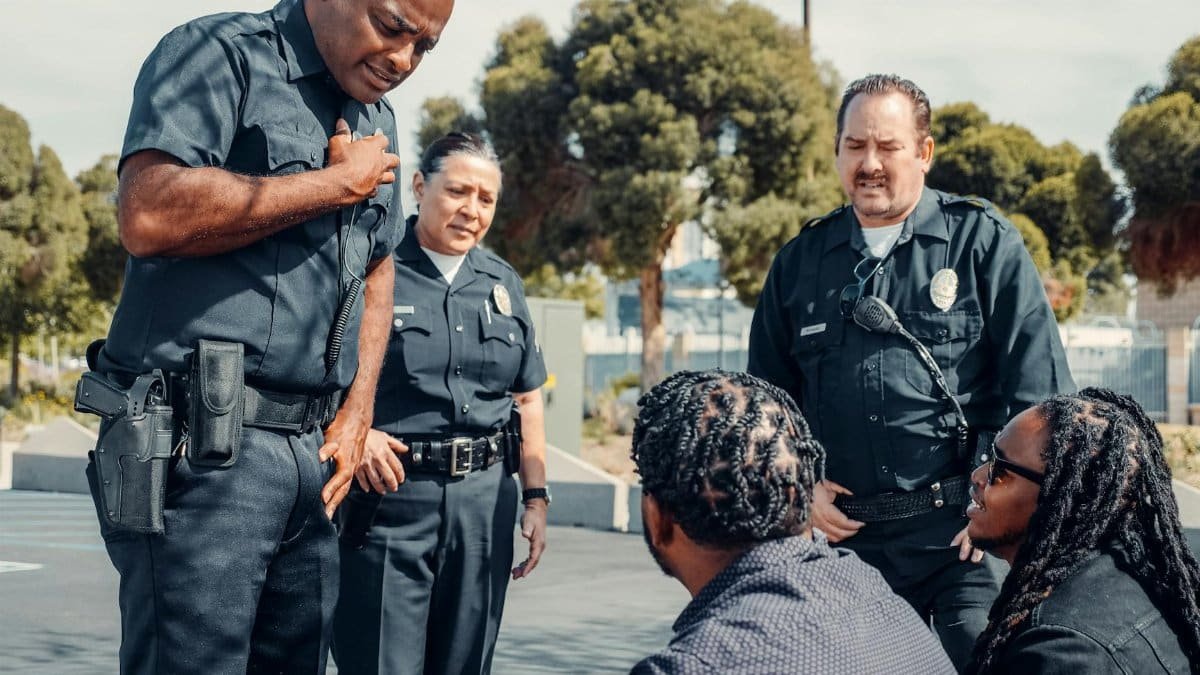
Residents from various neighborhoods have weighed in on the proposed changes with opinions as diverse as the population itself. In retirement communities the focus often centers on rapid medical response and disaster preparedness. Younger families express hopes for robust fire prevention education in schools and neighborhoods. Business owners worry about the economic ripple effects of any disruption in service quality. Across these groups there is a common desire for a system that delivers reliable protection without unnecessary bureaucracy. The broward fire department sheriff debate has brought these varied viewpoints into sharper focus encouraging a broader conversation about what effective local government looks like in practice. Many speakers at recent hearings emphasized their gratitude for the men and women who respond to emergencies while calling for structures that best support their success.
Comparisons With Other Florida Counties

Broward is not alone in grappling with questions of public safety governance. A look at neighboring counties reveals a range of approaches to organizing fire services. Miami Dade for instance maintains a separate fire rescue department alongside its police force. Palm Beach County has its own distinct model emphasizing municipal partnerships. These comparisons provide useful context for Broward decision makers as they evaluate the pros and cons of their current unified command. While no two counties are identical the experiences of others can illuminate potential paths forward and help avoid pitfalls that might accompany significant structural changes. Learning from these examples allows for more informed choices grounded in real outcomes rather than theoretical ideals.
Expert Opinions On Governance Models

Academics and consultants who study municipal governance offer nuanced views on the merits of combining or separating emergency services. Some argue that unified leadership can promote efficiency in smaller or mid sized counties. Others contend that the distinct professional identities of police and fire services are better served by independent oversight. According to reporting by the Miami Herald commissioners continue to solicit feedback from those with deep knowledge of these systems. Success depends more on specific leadership qualities than on organizational structure. For those following the Broward situation these expert perspectives underscore the complexity of the choice at hand. They remind us that behind the statistics and organizational charts are real people working to keep communities safe every single day.
Leadership Values In Times Of Change

In many ways the current debate goes beyond logistics to touch on deeper questions of stewardship and responsibility. Leaders are called upon to set aside personal or departmental loyalties in favor of the common good. This perspective resonates with many in the community who view public service as a form of civic duty with almost sacred importance. How the county resolves this issue may signal its commitment to constant improvement and accountability. Such moments test the character of local government and its ability to evolve while preserving what works. The conversation invites reflection on what kind of community Broward wishes to be one that clings to past arrangements or one that embraces thoughtful reform for the benefit of all.
The Road Forward For Broward County

As the commission prepares to make its decision all eyes remain on how this chapter in local governance will unfold. The choice will not only affect firefighters law enforcement officers and administrative staff but every resident who depends on swift and competent emergency assistance. Whether the broward fire department sheriff model continues in some form or gives way to a new structure the process has already sparked valuable dialogue about priorities in public safety. Moving forward it will be essential for all parties to engage in good faith discussions that put the needs of the community first. The outcome will shape Broward County for years to come and offer lessons for other regions facing similar dilemmas. In the end the measure of this decision will be found in the quiet confidence residents feel knowing help will arrive when they need it most.