

In the quiet suburbs of Minneapolis a retired school principal named Robert Kline spends his days tending a garden and solving intricate puzzles he finds online. At seventy eight he shows no signs of the memory lapses that have begun to trouble his longtime friend who spent decades in a far more routine occupation. New research suggests that the mental demands of certain careers may play a significant role in protecting brain health later in life. This connection often referred to in studies as job complexity dementia risk suggests that the brain builds a kind of resilience through years of challenging professional demands. For many middle aged workers today this news arrives as both a reassurance and a prompt to reflect on their own daily routines. The findings encourage all of us to look more closely at how our jobs shape not only our present but our cognitive future as well. With dementia cases projected to rise sharply in the coming decades understanding every possible avenue for prevention has never been more important.
The Science Behind Mental Demands And Brain Health
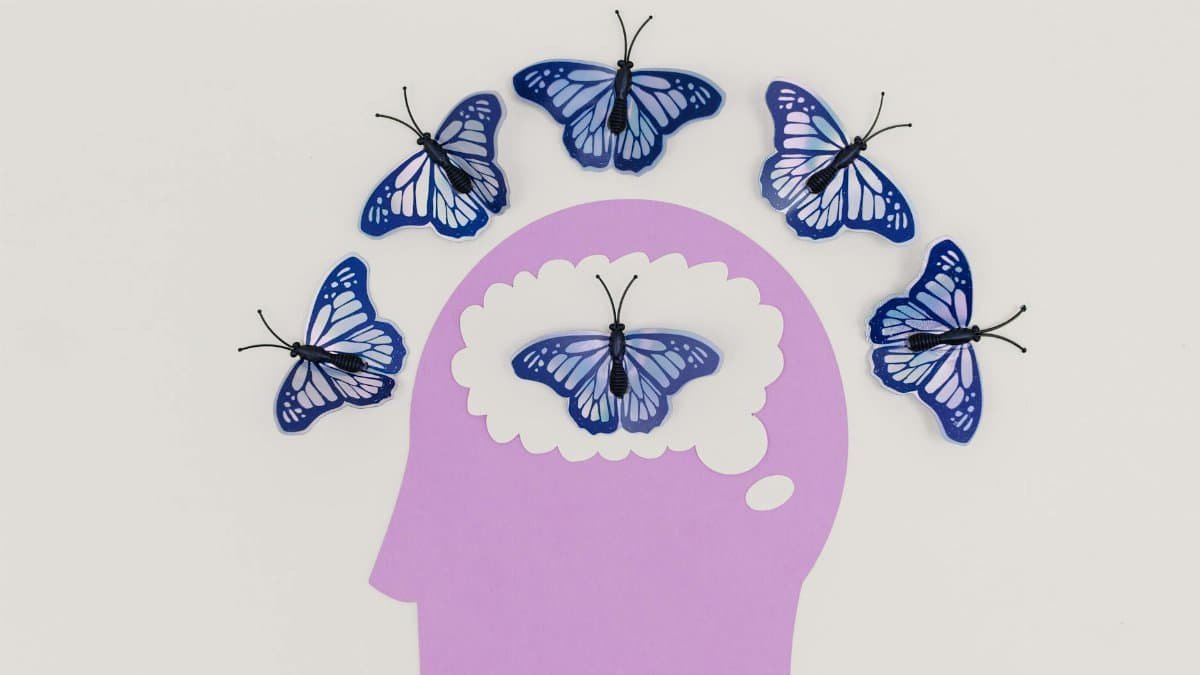
Scientists have long understood that the brain is not a static organ but one that can adapt and strengthen in response to stimulation. This concept known as cognitive reserve describes the minds ability to withstand damage from aging or disease before symptoms of dementia appear. Jobs that involve frequent decision making creative thinking and problem solving contribute to this reserve by creating denser neural connections over time. When researchers control for factors such as education and overall physical health a clear pattern emerges. Those with higher occupational complexity tend to maintain cognitive function longer even when brain scans show signs of pathology associated with dementia.
A comprehensive review of existing data supports this view. One notable paper from the journal Neurology offers a direct link to these dynamics. By analyzing thousands of participants over decades the authors found that occupational demands explained variations in dementia incidence that could not be attributed to other lifestyle elements alone. Readers can explore additional details at the Alzheimers Association website.
Defining Job Complexity In Everyday Terms

Job complexity is not simply about working hard or putting in long hours. It refers to roles that require managing multiple variables learning new skills on the go and adapting to unpredictable situations on a regular basis. A teacher who designs curriculum adjusts to student needs and collaborates with parents engages in complex work. Similarly a manager who resolves conflicts forecasts trends and innovates processes does the same. In contrast repetitive tasks with little variation such as data entry or assembly line duties offer fewer opportunities for this type of mental workout. Understanding this distinction helps clarify why job complexity dementia risk has become a focus for researchers seeking to advise the public on preventive measures that individuals can take at any stage of life.
What The Latest Studies Reveal About Job Complexity Dementia Risk

Recent investigations have added substantial weight to the argument. A study highlighted in a major newspaper examined more than seven thousand individuals across twenty years of follow up. It concluded that those in the most mentally stimulating positions had roughly a thirty percent lower chance of developing dementia compared to those in the least stimulating roles. Even after accounting for income and health habits the correlation held firm. This reporting draws from robust registry data from Sweden which allowed for precise tracking of both careers and health outcomes over time. The article provides valuable context for anyone interested in the subject.
Other research teams have reached similar conclusions using different populations and methods. The consistency across these studies strengthens the case for taking occupational mental demands seriously in discussions about brain health.
Professions That Tend To Offer Protection

Certain fields stand out in the data for their association with lower dementia rates. Lawyers doctors engineers and architects often face tasks that demand high levels of analysis synthesis and creativity. Even within fields variation exists. A physician making diagnostic calls and tailoring treatments for unique patients builds more reserve than one performing standardized procedures repeatedly. Similarly educators and those in social work navigate nuanced human interactions that stimulate multiple brain regions simultaneously. The evidence does not suggest that people in other lines of work are doomed but rather that they may need to seek cognitive challenges in their leisure time to compensate for any deficits and reduce their personal job complexity dementia risk.
The Influence Of Education And Early Life Experiences

Education plays a foundational role in cognitive reserve but it does not tell the whole story by any means. A person with modest schooling who pursues a career filled with continuous learning and increasing responsibility can still reap significant benefits. Conversely advanced degrees paired with unchallenging work may not provide the same level of protection. Socioeconomic background influences access to complex jobs yet the research emphasizes that it is the work itself the constant mental stretching that matters most in the end. This nuance is important for understanding how job complexity dementia risk intersects with broader issues of equality and opportunity in modern society.
Challenges For Those In Simpler Occupations

Not everyone has the luxury of choosing a high complexity career path from the start. Economic necessity family obligations and limited early opportunities can steer individuals toward roles with minimal mental variation. For these workers the findings can initially seem discouraging or even unfair. However experts stress that the window for building reserve remains open throughout life and into middle age. Engaging in voluntary complex activities such as learning a musical instrument mastering a foreign language or participating in strategic games can help compensate for less demanding professional paths. Small consistent efforts accumulate over time to produce meaningful changes in brain resilience.
Ways To Add Complexity To Your Daily Routine

Practical steps are available for anyone looking to enhance their mental agility regardless of their job title or past choices. One effective approach involves seeking out activities that mirror the demands of complex work. This could mean volunteering for leadership roles in community organizations tackling complicated puzzles or even engaging in detailed hobby projects like genealogy research that require organization and critical thinking. Physical exercise combined with social interaction further amplifies the positive effect on the brain. The goal is consistent cognitive effort that pushes the brain to form new connections and pathways. Many have found success through structured programs designed specifically to boost executive function memory and overall mental flexibility.
The Spiritual Dimension Of Meaningful Work

In the realm of spiritual news and trends many observers note that careers with depth and complexity often provide a sense of purpose that goes beyond the material. When work aligns with personal values and allows for creative expression it can nourish the human spirit in ways that routine tasks seldom do. This sense of vocation or calling may contribute to overall wellbeing which in turn supports brain health. The intersection of mental stimulation and spiritual fulfillment offers a holistic view of why some individuals maintain clarity and engagement deep into their later years. Exploring ones talents and using them in service to others can be both rewarding and protective.
Broader Societal Implications Of These Findings

These insights carry weight for employers policymakers and health advocates alike. Workplaces that design roles to include greater autonomy creativity and problem solving may not only improve employee satisfaction but also contribute to a healthier aging population down the road. Public health campaigns could incorporate messages about the cognitive benefits of mentally engaging labor. In an era where many jobs face the prospect of automation the need to preserve human elements of complexity becomes even more pressing for our collective future. Society benefits when more individuals reach their later years with intact cognitive abilities capable of independent living and continued contribution to their communities.
Personal Accounts From Retirees Across The Country

Across the United States retirees like Robert Kline offer living proof of these principles in action. One former executive who spent his career in international trade recalls the constant adaptation required by shifting global markets and cultural nuances. Now at eighty two he tutors students in math and follows current events with keen interest and insight. His cognitive tests show no impairment whatsoever. In contrast a man who worked for forty years in a predictable administrative post began experiencing confusion shortly after retirement despite other healthy habits. While individual outcomes vary these stories align with the larger data sets and provide a human face to the statistics that researchers have compiled.
Looking Toward Prevention In The Coming Years

As the population ages the quest to prevent dementia grows more urgent with each passing year. The connection between occupational mental demands and reduced risk adds a valuable tool to the prevention toolkit alongside diet exercise and social engagement. Future research will likely delve deeper into which specific aspects of job complexity confer the greatest protection against cognitive decline. For now the message is clear and actionable. Whether through career choices or intentional leisure pursuits keeping the mind actively engaged appears to yield important benefits in later life. Individuals in their forties and fifties would do well to consider these factors as they evaluate their professional trajectories and personal habits for the long term.