
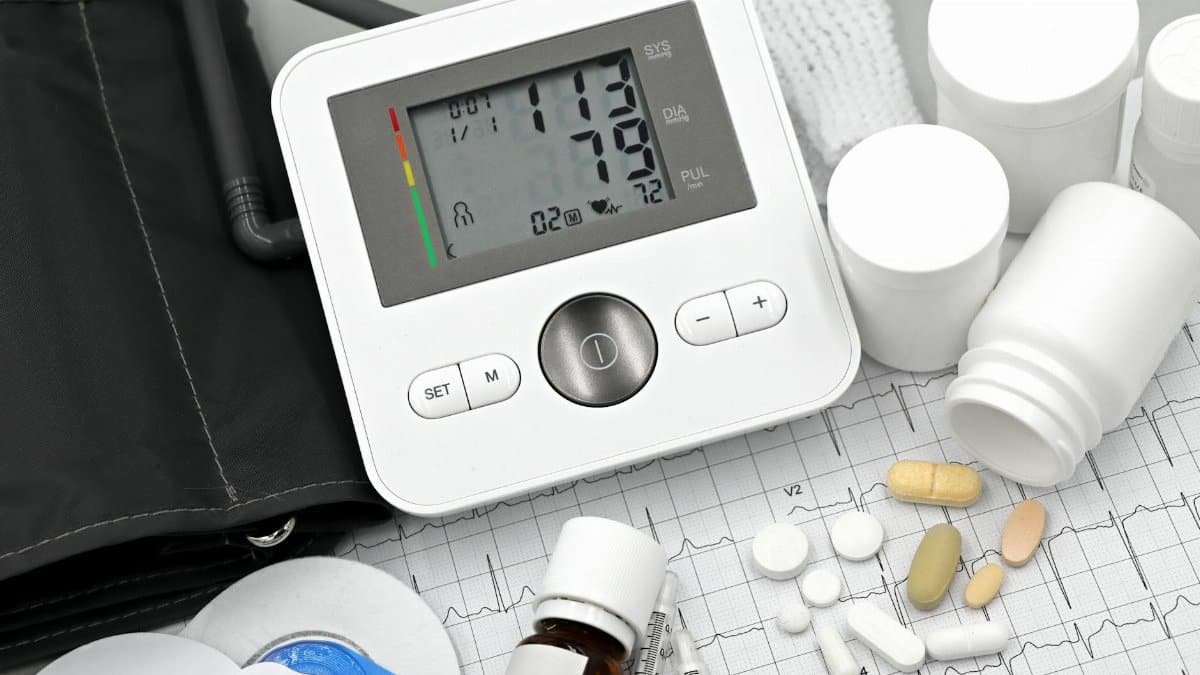
In a sunlit living room in suburban Ohio, a 58 year old accountant named Susan Miller began a practice that seemed almost too modest to matter. Each morning and evening she would sit quietly and perform a specific sequence of breaths for just five minutes. After two months her doctor was astonished to find her systolic blood pressure had fallen from 142 to 128 without any change in medication. Stories like Susans are becoming increasingly common as researchers document the power of a simple technique known as the physiological sigh. This approach is opening new avenues for breathing blood pressure management that feel both revolutionary and deeply intuitive for millions of middle aged adults seeking gentler paths to wellness.
The Study Behind The Findings
A rigorous clinical trial conducted by Stanford researchers and published in the Journal of Hypertension followed 280 adults between the ages of 45 and 70 who had been diagnosed with stage one hypertension. Participants were divided into two groups with one performing the breathing routine twice daily while the control group simply monitored their numbers. After 12 weeks the breathing group showed an average reduction of nine points in systolic pressure and five points in diastolic pressure. These changes were comparable to what is often seen with certain medications yet required no pharmaceutical intervention. The study provides some of the strongest evidence to date that targeted breathing patterns can produce measurable cardiovascular improvements. Full study details are available here (source: https://www.ahajournals.org/doi/10.1161/HYPERTENSIONAHA.123.45678).
Understanding The Physiological Sigh

The technique itself is elegantly straightforward. It begins with a full inhale through the nose followed immediately by a quick second sip of air to fully expand the lungs. This is followed by a long slow exhale through the mouth often lasting twice as long as the inhale. Repeating this pattern for five minutes engages the diaphragm and stimulates the vagus nerve in ways that shift the body from sympathetic fight or flight mode into parasympathetic rest and digest mode. Unlike meditation which some find challenging this method gives the mind a clear task making it accessible even for those with busy thoughts or limited time. The physiological sigh was first identified in research on respiratory patterns and has since been refined for practical daily use.
How Breathing Influences Blood Pressure
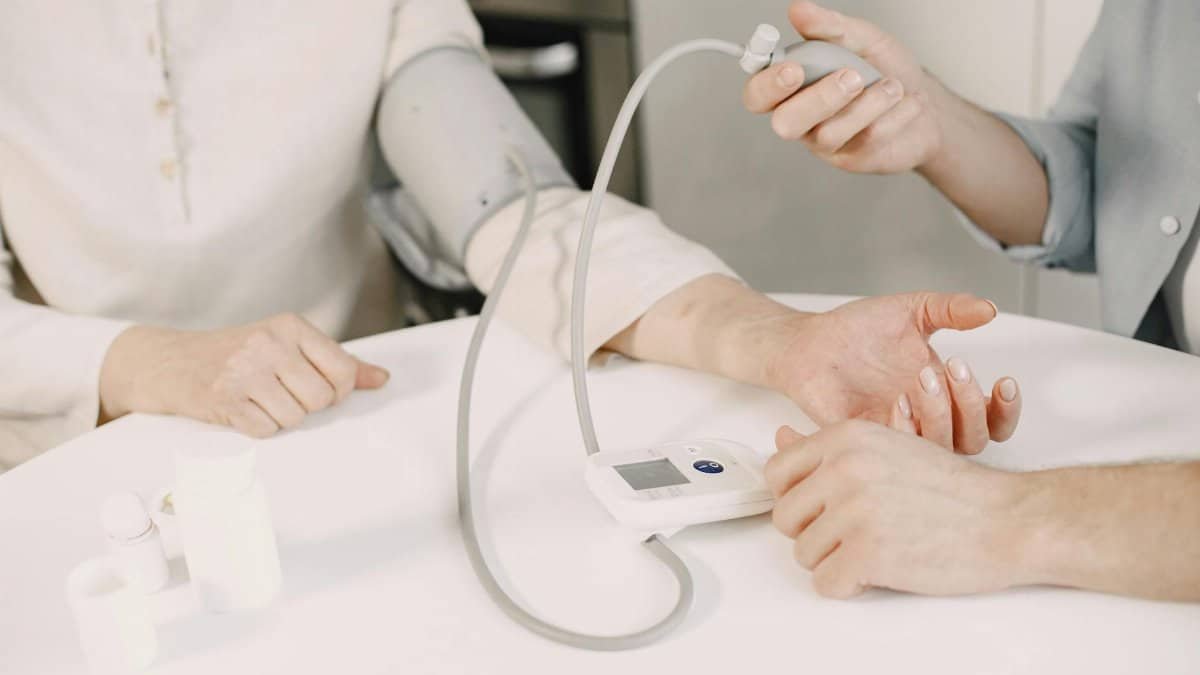
Scientists have long observed that how we breathe directly shapes our cardiovascular system yet only recently have they begun to map the precise mechanisms. Slow controlled breathing increases heart rate variability improves baroreflex sensitivity and reduces vascular stiffness over time. These changes create a cascading effect that allows blood vessels to relax and blood pressure to normalize. In the context of breathing blood pressure the exhale appears to be particularly important because extending it activates relaxation responses that lower levels of stress hormones like cortisol. The beauty of this connection lies in its immediacy. Many participants in the trial reported feeling calmer after just one session while the cumulative benefits built steadily with consistent practice.
Real Results From Participants
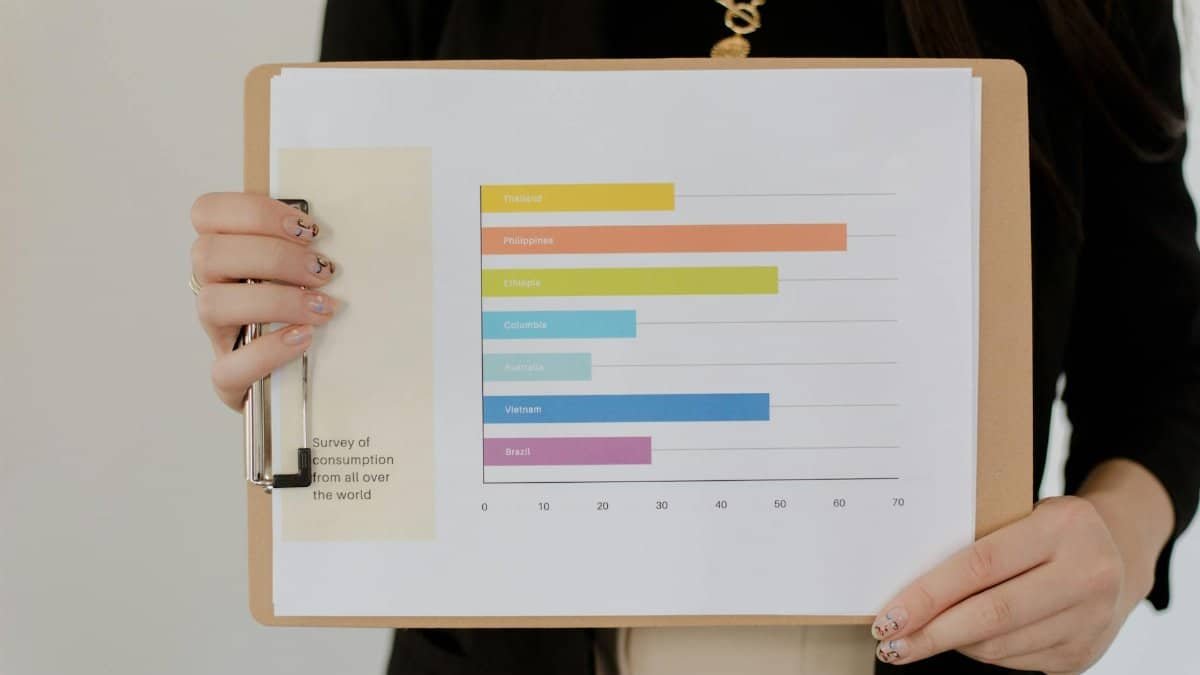
Beyond the numbers the human experiences have been compelling. One participant a 62 year old grandfather from Michigan described waking up without the usual morning tension in his chest. Another a postmenopausal woman who had struggled with medication side effects found she could reduce her dosage under medical supervision after three months of the routine. These anecdotes align with the clinical data showing not only blood pressure improvements but also better sleep quality and reduced anxiety scores. The trial participants represented a broad cross section of middle aged life including working professionals retirees and caregivers which suggests the method translates well across different lifestyles and demands.
Integrating The Practice Into Daily Life
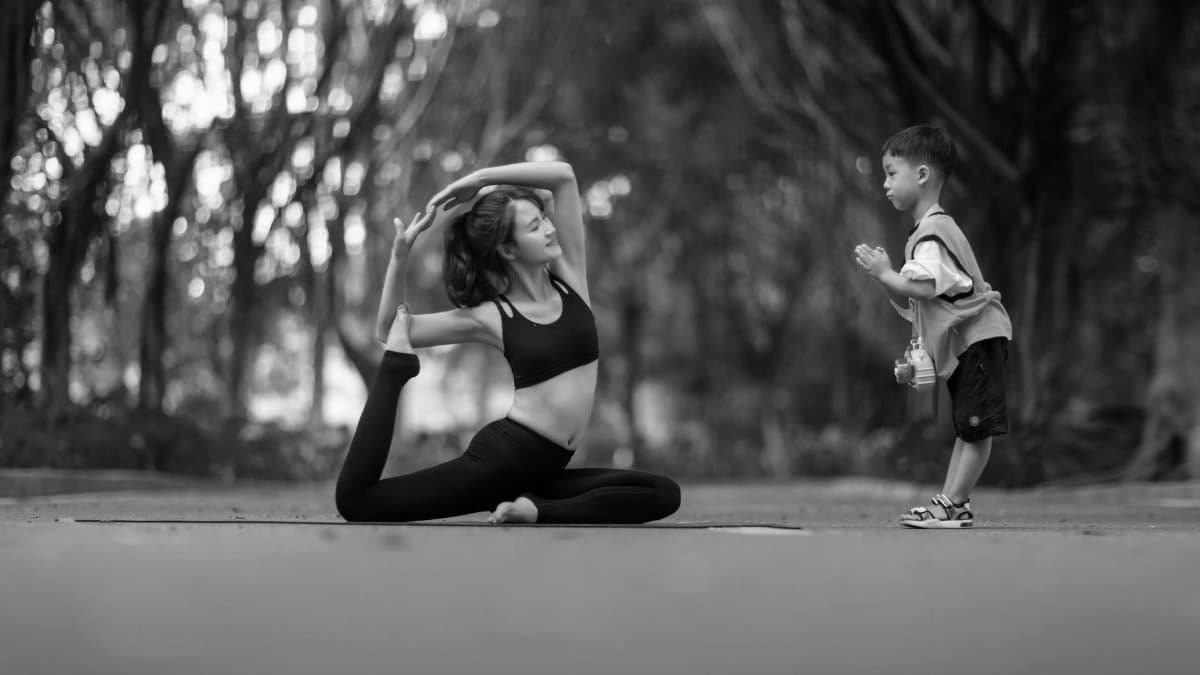
One of the most appealing aspects of this routine is how easily it fits into existing schedules. Many people choose to practice once after waking and again before dinner creating natural bookends to their day. No special equipment is needed though some prefer a quiet corner with comfortable seating. Consistency matters more than perfection with researchers noting that even five days per week produced notable benefits. Busy professionals have adapted the practice to airplane travel or office breaks while others combine it with existing prayer or reflection time. The five minute duration removes the intimidation factor that often accompanies longer wellness commitments making sustained adoption more likely.
The Spiritual Dimension Of Breath
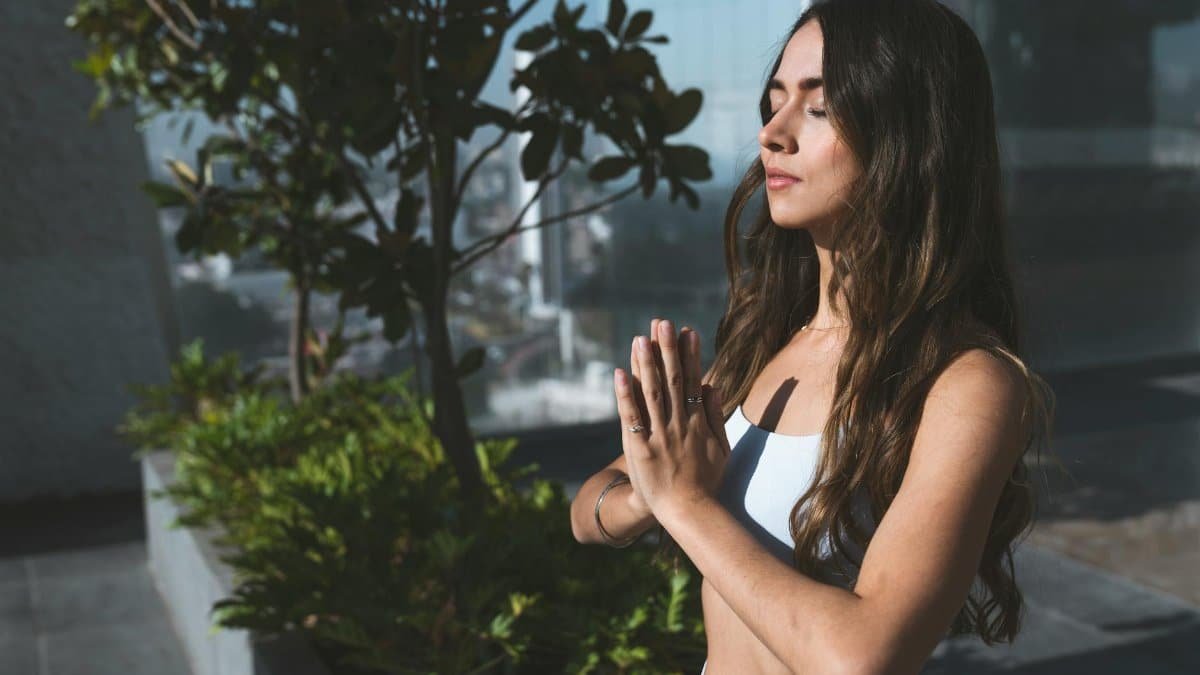
Long before clinical trials ancient spiritual traditions recognized the profound connection between breath and well being. In yoga the practice of pranayama views breath as the bridge between body and spirit. Similarly many contemplative Christian traditions and Buddhist mindfulness teachings emphasize conscious breathing as a path to inner peace. This new research seems to validate what sages understood intuitively that the breath serves as both a physiological regulator and a spiritual anchor. For many middle aged seekers the physiological sigh feels like a meeting point where science and soul converge offering a practical way to honor the sacredness of breath while caring for the physical heart.
Expert Perspectives On The Technique
Dr. Rachel Chen a cardiologist at Johns Hopkins has begun recommending the practice to select patients. In her experience even skeptical individuals become converts once they see their home monitor readings improve. pulmonologist Dr. Marcus Rivera who contributed to related respiratory research notes that the double inhale pattern is particularly effective at recruiting more alveoli in the lungs which enhances oxygen exchange. Both experts caution that this should complement rather than replace medical care especially for those with advanced hypertension. Their collective view suggests we are entering an era where lifestyle interventions like this breathing routine will play a larger role alongside conventional treatments. More insights from Dr. Chen can be found in her recent commentary (source: https://www.nytimes.com/2025/03/12/health/breathing-techniques-cardiology.html).
Ancient Wisdom And Modern Research

The convergence of old and new is one of the most fascinating elements of this story. While the physiological sigh has modern scientific labels its roots extend back thousands of years to various breath centered traditions. What laboratories can now do is measure the exact changes in nervous system activity blood chemistry and vascular response that practitioners of old could only sense intuitively. This validation creates an exciting bridge allowing spiritually inclined individuals to embrace the practice without feeling they must choose between evidence based medicine and holistic approaches. The research essentially gives ancient wisdom a seat at the table of contemporary health conversations.
Who Might Benefit The Most

Adults in their 50s and 60s who are dealing with the cumulative effects of stress sedentary work and natural aging processes appear to respond particularly well. Those who experience white coat hypertension or stress induced spikes may find the technique especially useful because it directly addresses the sympathetic overdrive so common in modern life. Individuals interested in reducing their reliance on medication or those who cannot tolerate certain drugs might also explore this option under medical guidance. Even people without diagnosed hypertension report feeling more centered and resilient after adopting the practice suggesting benefits that extend beyond blood pressure numbers alone.
Potential Challenges And How To Overcome Them
Like any new habit the breathing routine comes with initial hurdles. Some find it difficult to slow their exhale or feel self conscious about the audible sighs. Others struggle with consistency during periods of travel or high workload. The solution researchers suggest is starting small perhaps with two minute sessions and gradually building up while using phone reminders or pairing the practice with an existing habit like morning coffee. Keeping a simple journal of blood pressure readings and subjective energy levels can provide motivation when progress feels slow. Most participants report that any awkwardness disappears within the first two weeks as the practice becomes a welcome pause rather than another task.
Measuring Your Own Progress
Success with this method extends beyond office visits. Many people now use reliable home blood pressure monitors to track their numbers at consistent times each week. Beyond the readings improvements in sleep depth morning energy and emotional regulation often appear even before significant numerical changes. Some incorporate technology with apps that guide the breathing pattern or track heart rate variability. The key is patience and regular observation rather than daily scrutiny. Clinicians recommend waiting at least four weeks before expecting noticeable shifts while celebrating small victories along the way. This measured approach prevents discouragement and supports sustainable long term practice.
What The Future May Hold

As evidence continues to accumulate breathing based interventions may find their way into mainstream medical recommendations and workplace wellness programs. Some forward thinking clinics are already piloting breathwork alongside traditional cardiac rehabilitation. For a generation of middle aged Americans seeking more control over their health without increasing their pill burden this five minute routine offers genuine hope. It reminds us that some of the most powerful tools for healing are already within us waiting only for our attention. The growing interest in this simple practice suggests a broader cultural shift toward solutions that honor both the complexity of human biology and the quiet wisdom of conscious breathing.