
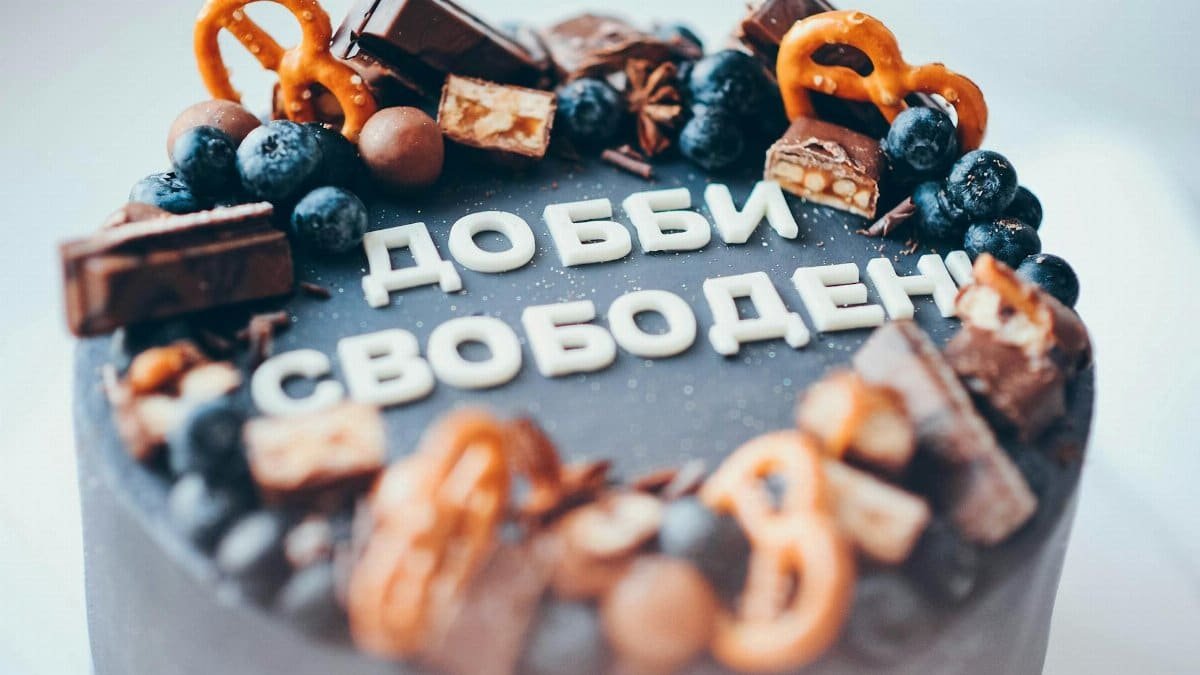
In the heart of Los Angeles a woman arrives at a neighborhood tavern with a freshly baked cake in hand. Patrons glance up from their drinks curiosity piqued. Before long conversations flow as freely as the beverages and slices are passed around with smiles. This scene captures the growing phenomenon of bars social hubs cake inspired by the recent film Sitting in Bars with Cake. The movie follows a young woman who bakes cakes as an excuse to connect with others in bar settings. What began as a cinematic idea has inspired real life actions across the city. Middle aged adults particularly those feeling the disconnect of modern life are discovering that a simple dessert can open doors to meaningful interactions. In a metropolis often criticized for its car culture and fleeting encounters this trend offers a refreshing alternative. It reminds us that sometimes the sweetest solutions are the most straightforward.
The Origins in a Popular Film

The motion picture Sitting in Bars with Cake arrived at precisely the right cultural moment. Its story of using baked goods to spark dialogue resonated with viewers tired of superficial exchanges. Director Trish Sie crafted a narrative that feels both lighthearted and quietly profound showcasing how vulnerability paired with generosity can transform an ordinary evening. The film drew from real experiences of urban isolation particularly in sprawling cities like Los Angeles where social circles can shrink over time. Many middle aged professionals watching the movie recognized their own routines of quick errands and digital distractions. The original Los Angeles Times bar guide connected to the film encouraged readers to consider venues that might welcome such gestures. This combination of storytelling and practical suggestion has prompted a modest but noticeable shift in how some residents approach their nights out.
Why Cake Serves as the Ultimate Icebreaker
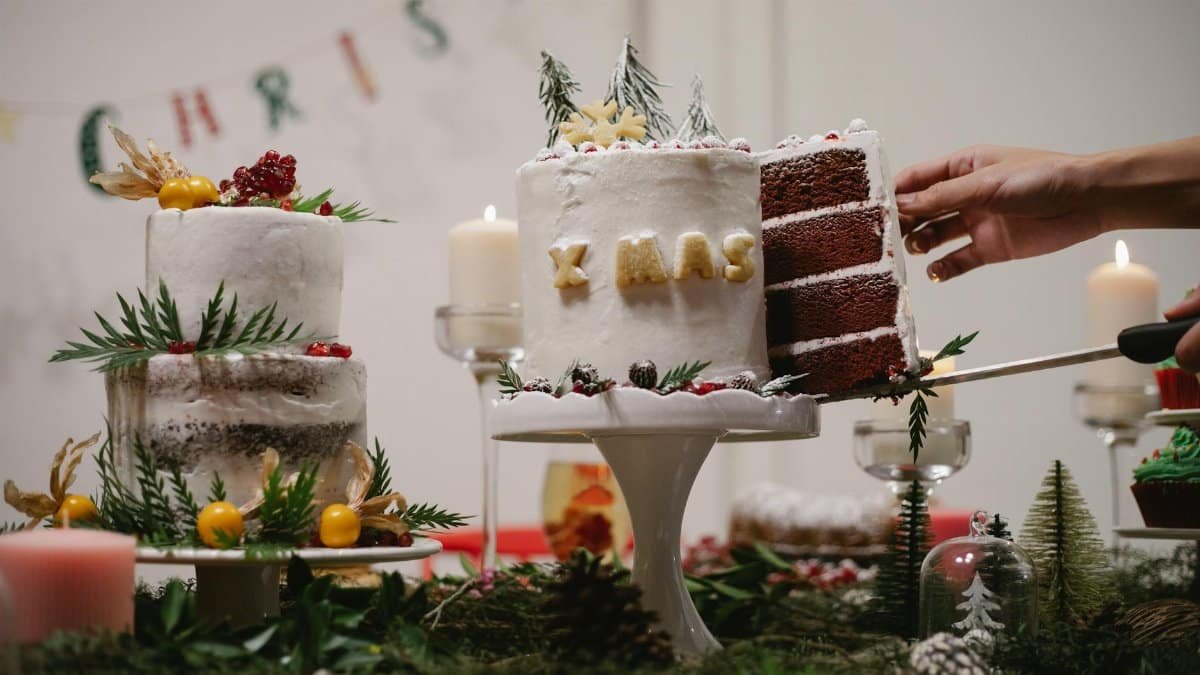
Cake possesses qualities that few other offerings can match. Its presence signals care and effort in a world dominated by convenience. When a stranger sets a homemade carrot cake or rich chocolate layer cake on a bar top it immediately shifts the energy of the room. People lean in to inquire about ingredients or share memories of family recipes. Psychologists have observed that shared food experiences lower defenses and create instant commonality. Unlike buying someone a drink which can carry unintended implications offering cake feels friendly and inclusive. For middle aged adults navigating careers family obligations and occasional loneliness this small act provides a low pressure pathway to connection. The cake becomes more than dessert. It transforms into a conversation starter that requires no clever opening line or rehearsed anecdote.
Choosing the Best Bars for This Experiment
Not every drinking establishment suits this activity. Successful participants recommend venues with relaxed atmospheres comfortable seating and staff open to creative customer initiatives. Neighborhood spots in areas like Echo Park Highland Park and parts of Pasadena often welcome the gesture more readily than crowded downtown hotspots. The key lies in observing the room first and approaching bartenders with clear friendly communication about intentions. Some bars have begun setting out plates or even announcing the presence of community desserts on slow evenings. Those exploring this trend suggest starting with smaller gatherings midweek when the pace feels less hectic. Patrons report that independent bars with regular clientele respond especially well compared to chain locations bound by corporate policies. The goal remains creating comfort rather than spectacle.
Real Encounters That Changed Lives
Rebecca Morales a graphic designer in her late forties brought an almond olive oil cake to a quiet bar in Atwater Village last spring. What started as a tentative experiment evolved into weekly gatherings that now include teachers writers and retired engineers. One regular participant credits the tradition with helping him process grief after losing his spouse. The shared vulnerability that emerges while discussing favorite frostings often leads to deeper topics. Similar stories surface across the city. A software engineer met his current book club members over slices of banana bread with chocolate chips. A woman in her fifties formed a hiking group after bonding with fellow cake bearers at a cozy Silver Lake establishment. These accounts illustrate how bars social hubs cake can evolve beyond single nights into sustained relationships that combat the isolation many face in midlife.
Exploring the Spiritual Benefits

Beyond surface level socializing this practice carries unexpected spiritual weight. Offering food to strangers echoes ancient traditions of hospitality found across cultures and faith traditions. In an era of widespread loneliness research from the Harvard Graduate School of Education links regular community participation to improved mental health and sense of purpose. Participants describe heightened feelings of presence and gratitude when watching others enjoy something they created. The act demands stepping outside comfort zones while practicing generosity without expectation of return. Many compare the experience to meditation noting how focus shifts from personal worries to collective enjoyment. Spiritual leaders in Los Angeles have begun referencing these gatherings in discussions about modern community building. The trend aligns with growing interest in secular spirituality that emphasizes human connection over institutional religion. Cake becomes a simple sacrament of sorts fostering belonging in an often fragmented world.
Dealing with Initial Reluctance

Many interested in this concept hesitate at the prospect of approaching a bar with baked goods. Social anxiety fear of rejection and concerns about seeming eccentric all surface as common obstacles. Those who have succeeded recommend reframing the activity as an offering rather than a performance. Starting with a small cake and a simple explanation helps ease tension. Bartenders often act as allies particularly at establishments that value unique customer engagement. Preparation matters. Choosing transport friendly recipes and checking venue policies beforehand reduces stress. Veterans of the practice suggest bringing extra forks and napkins while maintaining a gracious attitude regardless of reception. Over time the initial nervousness gives way to quiet confidence. The reward of witnessing strangers laugh and exchange contact information outweighs the discomfort of that first step.
Handy Advice for Those Ready to Participate
Success with this trend depends on thoughtful preparation. Dense cakes travel better than delicate layered creations. Recipes that improve after resting such as gingerbread or fruit based options work particularly well. Consider dietary preferences by including ingredient lists on small cards. Timing matters. Arriving shortly after opening or during early evening hours allows staff to accommodate the addition more easily. Approach the bar staff first rather than setting up unannounced. Portions should be manageable for sharing without creating excessive cleanup. Many enthusiasts prepare simple business cards or contact information sheets to facilitate future meetups. Clean up after yourself and express gratitude to both staff and participants. These small considerations help ensure the experience feels welcoming for everyone involved and increases chances that bars will embrace rather than tolerate the activity.
Insights from Community Leaders

Sociologists studying urban connection patterns have taken notice of this development. Dr. Elena Vasquez at UCLA notes that shared sensory experiences like taste and smell create stronger memory bonds than conversation alone. Her ongoing research explores how such informal rituals might address the epidemic of isolation affecting adults over forty. Community organizers from local neighborhood associations report increased attendance at other events among those participating in cake centered gatherings. Psychologists highlight the reciprocal nature of the exchange. When one person offers something meaningful others often respond in kind whether through stories personal support or their own contributions at future meetings. These experts emphasize that the trend works because it feels voluntary and joyful rather than obligatory. Links to related studies can be found through university public research portals and organizations tracking social wellbeing indicators.
Transforming Casual Meetings into Deep Bonds
What distinguishes this movement from typical happy hours is its potential for longevity. Initial encounters over cake frequently lead to book exchanges recipe swaps and collaborative volunteering projects. Participants describe developing genuine friendships that extend into daylight hours and varied settings. The neutral territory of a bar combined with the warmth of a homemade treat creates perfect conditions for authentic exchange. Middle aged adults who often prioritize stability over novelty find comfort in this repeatable ritual. Regular gatherings have formed in multiple neighborhoods with some groups maintaining email lists to coordinate future venues and themes. The emphasis remains on presence rather than productivity. Phones tend to stay pocketed as attention focuses on the moment and the people sharing it. This shift from transactional to relational represents a quiet rebellion against the rushed pace of contemporary city life.
What the Future Holds for This Trend
Early signs suggest this approach to bars social hubs cake may expand beyond its current informal state. Some establishments have expressed interest in hosting designated nights complete with kitchen access for amateur bakers. Culinary schools report rising enrollment in baking classes citing social connection as a primary motivator for students. Neighborhood associations are discussing larger scale events that incorporate live music or storytelling alongside dessert sharing. Challenges remain including health regulations and varying comfort levels among bar owners. Yet the core idea continues gaining quiet momentum through word of mouth and social media posts that avoid commercialization. The trend invites reflection on what constitutes meaningful interaction in an increasingly digital age. As more people witness the simple power of breaking bread or in this case cake together the movement may inspire similar innovations in other cities facing parallel struggles with disconnection. The recipe for change it seems requires only basic ingredients and the courage to offer them freely.
Embracing Sweet Simplicity in a Complex World
Ultimately this phenomenon invites consideration of small gestures and their accumulated impact. In Los Angeles where ambition and hustle dominate daily rhythms the decision to slow down and share cake represents a deliberate choice for connection. Participants consistently report feeling more optimistic about their social lives after engaging in these experiences. The film that inspired the trend provided both blueprint and permission. What happens next depends on the willingness of ordinary people to carry forward its message. Bars that once served mainly as places to unwind are revealing themselves as potential foundations for community when approached with creativity and openness. The cakes themselves act as bridges spanning differences in background profession and life stage. For those seeking more substance in their social encounters this path offers both delight and depth. The results suggest that sometimes the most effective solutions for modern ailments come from the oldest traditions of hospitality and sharing. Perhaps the bars have been waiting for us to bring the cake all along.