
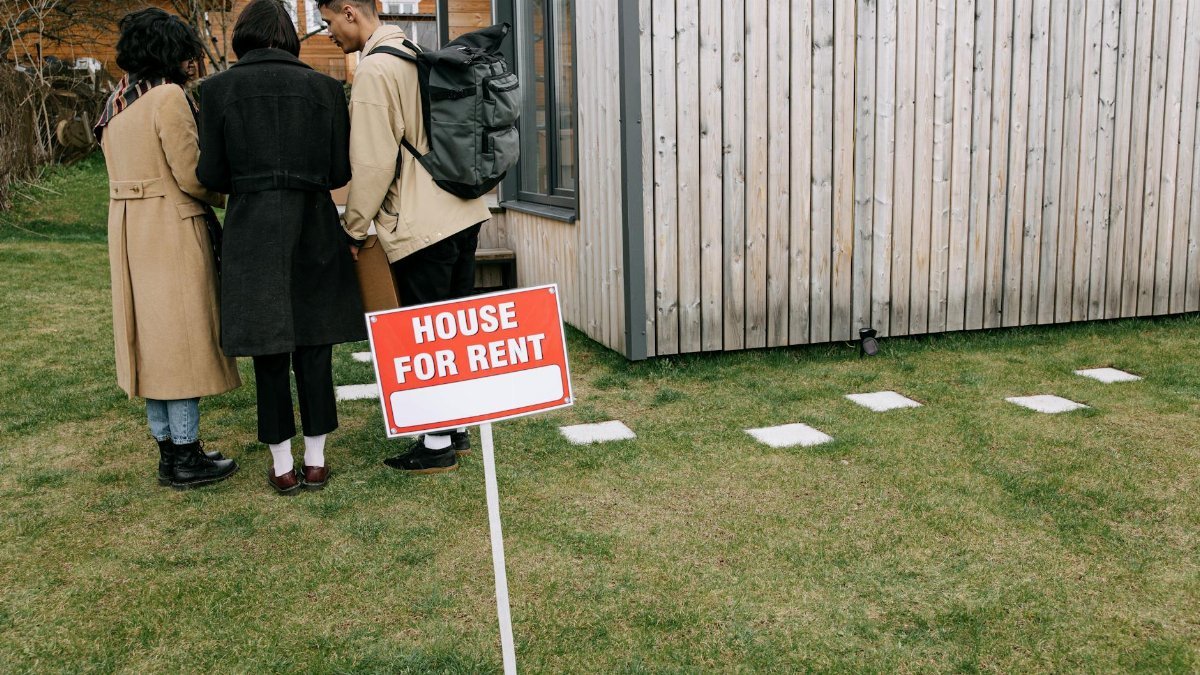
In the tree lined streets of South Pasadena one family discovered an answer to a problem weighing on countless households across Los Angeles. Their daughter Laura had recently finished graduate school and confronted the stark truth that independent living in the city carried a price tag far beyond her starting salary in environmental research. Rather than watch her postpone her dreams or sink into debt her parents Maria and David Martinez chose a different route. They transformed a compact music studio nestled in their backyard into a functional living space complete with a small kitchen bath and sleeping area. This example of backyard adu rent quickly became far more than shelter. It emerged as a bridge to stability and a reminder of the spiritual nourishment that comes from thoughtful generational support in an era of economic strain.
The arrangement has allowed Laura to focus on her work without the crushing weight of market rate rents that often exceed three thousand dollars monthly for even modest units. What began as a practical response has deepened family ties and invited reflection on simpler ways of living together. In a time when many middle aged parents worry about their adult children the Martinez story offers a model rooted in both resourcefulness and quiet compassion. As housing pressures mount such creative solutions appear less like exceptions and more like a return to values that prioritize connection over isolation.
The Soaring Price Of Shelter In Southern California

Los Angeles stands out for its beautiful weather and cultural richness yet its housing market tells a more difficult story. Figures from the Terner Center for Housing Innovation at the University of California Berkeley show that rents have climbed more than 45 percent over the last ten years while wages for young workers have not kept pace. A recent graduate earning fifty thousand dollars annually can easily spend half or more of that income on a basic apartment leaving little room for savings or unexpected costs. This imbalance delays everything from career advancement to starting families and contributes to widespread anxiety among those in their twenties and thirties. Many resort to living with multiple roommates in older buildings or commuting long distances from more affordable areas. The spiritual toll of constant financial worry can erode confidence and a sense of possibility at the very moment when young adults should be exploring their purpose. Families like the Martinezes have begun asking whether traditional notions of independence still make sense when the system itself has grown so unbalanced.
A Family Finds A Creative Path Forward

David Martinez a retired music instructor had built the backyard studio years earlier as a place for teaching and personal practice. When Laura graduated and began her job search the family realized her earnings would not cover both rent and student loan payments in Los Angeles. After months of searching they decided to reimagine the studio rather than pay thousands each month to an outside landlord. The choice felt both logical and deeply personal. Maria a former teacher saw it as an opportunity to practice the values of care and community they had always tried to model. What followed was a six month renovation that respected the original structure while making it suitable for daily living. The project stayed within a modest budget and brought the family together in unexpected ways as they planned layouts and selected materials. Their experience shows how backyard adu rent can shift from abstract idea to tangible lifeline when parents and children approach the challenge with open minds.
Transforming A Backyard Music Studio

Converting the studio required careful planning to meet building standards while preserving the peaceful atmosphere of the yard. Workers added insulation updated plumbing and created a compact kitchen with a two burner stove small refrigerator and sink. A full bath replaced an old half bath and large windows were installed to invite natural light and views of the garden. The team removed excess soundproofing that once served musical purposes and painted the walls in soft earth tones that promote calm. Total costs reached about twenty eight thousand dollars a fraction of what Laura would have spent on rent over five years. She moved in with houseplants books and a few pieces of furniture that make the four hundred square foot space feel like her own. The result is modest yet complete a place where she can cook simple meals read in natural light and step outside to join her parents for evening tea. The transformation reflects a mindful approach that values function and spirit over luxury.
The Spiritual Comfort Of Proximity To Loved Ones

Living steps away from her family has given Laura a sense of rootedness that many of her peers lack. In spiritual traditions from around the world closeness between generations is often viewed as a source of strength and wisdom. Daily interactions that once seemed routine now carry new meaning whether helping her mother tend the garden or listening to her fathers stories about his teaching days. These moments build emotional reserves that buffer against the stresses of work and city life. Maria notes that having her daughter nearby has renewed her own sense of purpose at a stage when many parents feel a void. The arrangement encourages gratitude and presence two qualities often lost in fast paced urban existence. Rather than a step backward the setup feels like a deliberate return to values that honor interdependence and shared humanity. This dimension of backyard adu rent reaches beyond economics into the realm of spiritual wellbeing for every generation involved.
Learning To Embrace Simplicity And Gratitude

The smaller footprint of the backyard unit has reshaped Lauras relationship with material things. She no longer feels pressure to fill a large apartment with furniture and decorations to impress others. Instead she focuses on what truly serves her daily life and brings joy. This shift echoes teachings found in many faith traditions that link simplicity with freedom and contentment. The family has grown more conscious of resource use from water consumption in the shared yard to energy bills that remain manageable. Laura says the experience has taught her to practice gratitude each morning when she opens the curtains to the garden instead of a noisy street. Such lessons may prove more valuable than any financial saving as she builds habits that will serve her long into the future. In this way the backyard adu rent model becomes a quiet classroom for values that counter consumer culture.
Emotional Benefits For Young Adults In Transition

Recent graduates often carry heavy loads of student debt and uncertainty about their place in the world. Living independently under those conditions can intensify feelings of failure when paychecks disappear into rent. The Martinez solution offers Laura a soft landing that preserves her dignity while allowing steady progress in her career. She reports sleeping better working with greater focus and feeling less alone in her ambitions. Mental health researchers have documented how housing insecurity contributes to anxiety and depression among young adults. By removing that particular pressure the family has created space for Laura to explore her professional calling and volunteer work in local sustainability projects. The emotional safety net also benefits the parents who rest easier knowing their daughter is secure. This mutual support illustrates how practical decisions can foster profound psychological and spiritual healing across age groups.
Legal Aspects Of Creating An Accessory Dwelling Unit
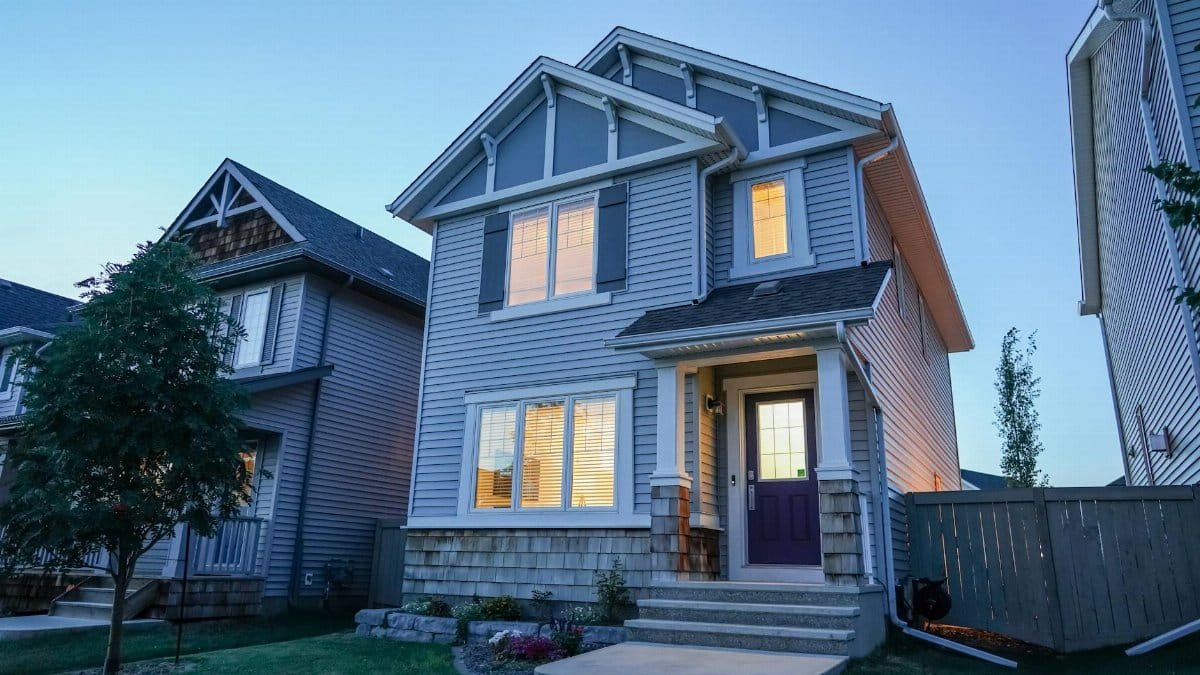
California lawmakers have worked in recent years to make accessory dwelling units easier to build recognizing their potential to ease the housing shortage. Updated rules in Los Angeles County and cities like South Pasadena have simplified permitting and reduced certain fees. The Martinezes consulted local planning staff early and hired an architect familiar with the regulations to ensure their project complied fully. According to a study by the Terner Center for Housing Innovation more than eighty thousand accessory dwelling units have been permitted statewide since streamlining began providing both family housing and rental income opportunities. Resources are available at https://ternercenter.berkeley.edu/research-and-policy/accessory-dwelling-units/. Families considering similar projects should review zoning requirements parking rules and utility connections before beginning construction. Proper preparation prevents costly mistakes and allows the focus to remain on the human benefits of the arrangement.
How This Model Is Spreading Among California Families
The Martinezes story is becoming less unusual as more households adopt similar strategies. Throughout Southern California parents and adult children are turning to backyard adu rent as a practical and meaningful response to runaway housing costs. Some charge nominal rent to help their children develop financial discipline while others offer the space freely during the early career years. The approach allows young adults to save for future home purchases or advanced education without sacrificing proximity to family support. It also gives older homeowners companionship and a sense of continued relevance. Local workshops on accessory dwelling units now draw standing room only crowds as residents seek guidance on everything from design to financing. This grassroots movement reflects a cultural shift toward multigenerational living that feels both modern and deeply traditional at once.
Challenges That Come With Shared Living Arrangements
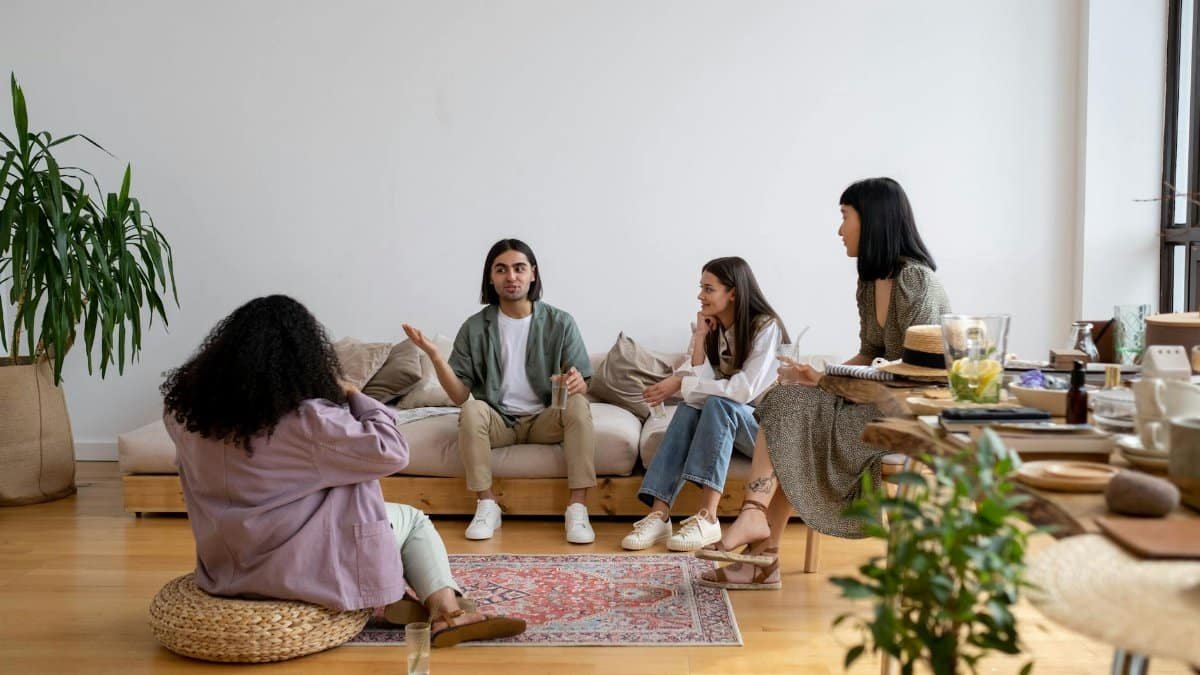
Success requires honest communication and clear boundaries. Laura and her parents established guidelines early regarding shared laundry facilities evening visitors and quiet hours. Small irritations such as differing schedules or garden maintenance duties tested their patience in the first months. Yet working through those issues strengthened their respect for one another. Privacy remains a priority so the backyard unit has its own entrance and outdoor seating area that allows Laura to host friends without disturbing the main house. The family recommends regular check ins to address concerns before they grow. While not every household may find the arrangement comfortable those willing to adapt often report that the rewards far outweigh the difficulties. The experience itself becomes part of the spiritual journey teaching patience empathy and flexibility.
A New Chapter In Generational Support And Understanding

The Martinez family now views the backyard unit as a permanent feature that could serve different needs over time. Laura hopes to move into her own place within three years but she knows the option to return or visit freely will always exist. David and Maria speak of the project as one of their most satisfying accomplishments because it blends practicality with love. Their experience suggests that many families possess the resources to help one another if they approach the question with creativity and courage. In doing so they model an alternative to the isolation that economic pressure so often imposes. The story resonates especially with middle aged readers who may be pondering how best to support their own adult children while planning for their own later years. It points toward housing solutions that honor both independence and connection.
What This Means For The Broader Community

When families create these backyard solutions they ease pressure on the larger housing market and strengthen neighborhood stability. South Pasadena has seen a modest increase in accessory dwelling unit applications since stories like the Martinezes began circulating. Planners believe wider adoption could help address shortages without massive new construction that changes community character. On a deeper level these arrangements nurture a spirit of mutual aid that many feel has been eroded by modern life. They invite reflection on what truly constitutes security not simply financial independence but the knowledge that one is embedded in a caring network. As spiritual awareness grows around issues of sustainability and community the backyard adu rent trend may evolve from temporary fix to valued way of life. The Martinezes quiet innovation offers a hopeful example for anyone seeking balance between practical necessity and the deeper human need for belonging.