
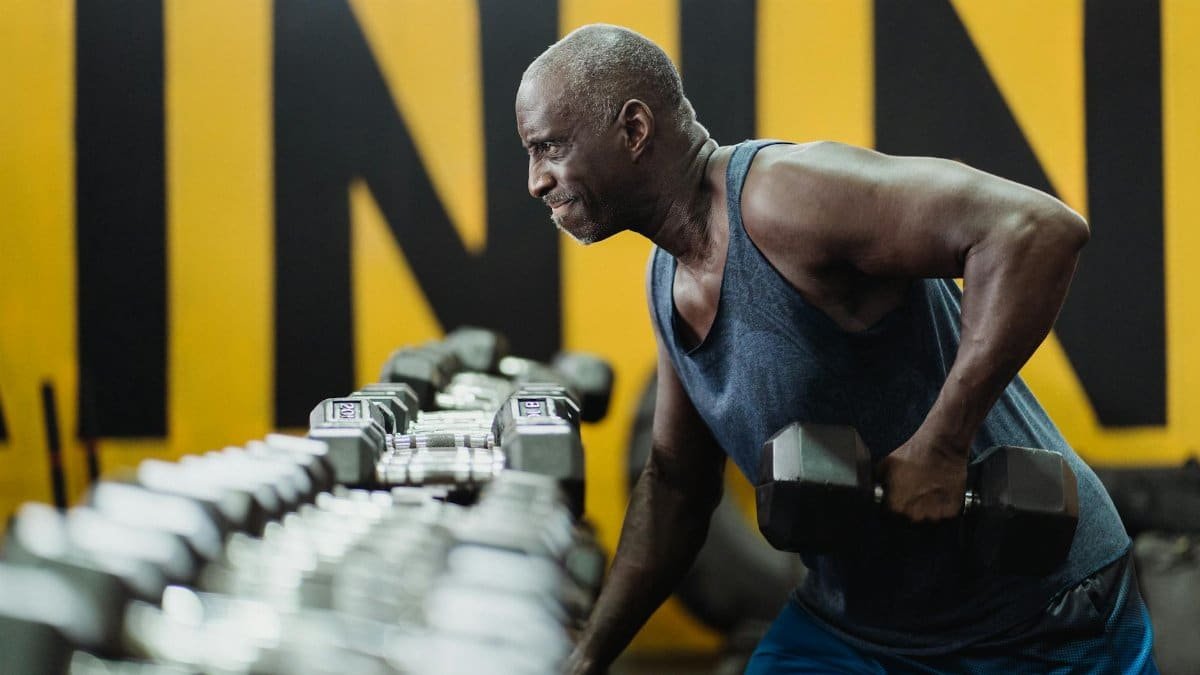
When Robert first picked up a dumbbell at age 64 he had no idea it would change his life. After decades behind a desk simple tasks had grown difficult. Yet a consistent strength routine brought improvements not only to his muscles but to his balance energy and even his mental clarity. Across the medical community a quiet revolution is taking place as professionals recognize the power of strength training longevity. This is not about bodybuilding or extreme feats. It is about preserving the ability to live independently with vitality long past traditional retirement age. Middle aged readers may find this particularly relevant as they consider how to invest in their future selves. The evidence suggests that the choices we make in our 50s and 60s can dramatically influence our quality of life in our 80s and beyond.
The Surprising Link Between Muscle Mass and Lifespan
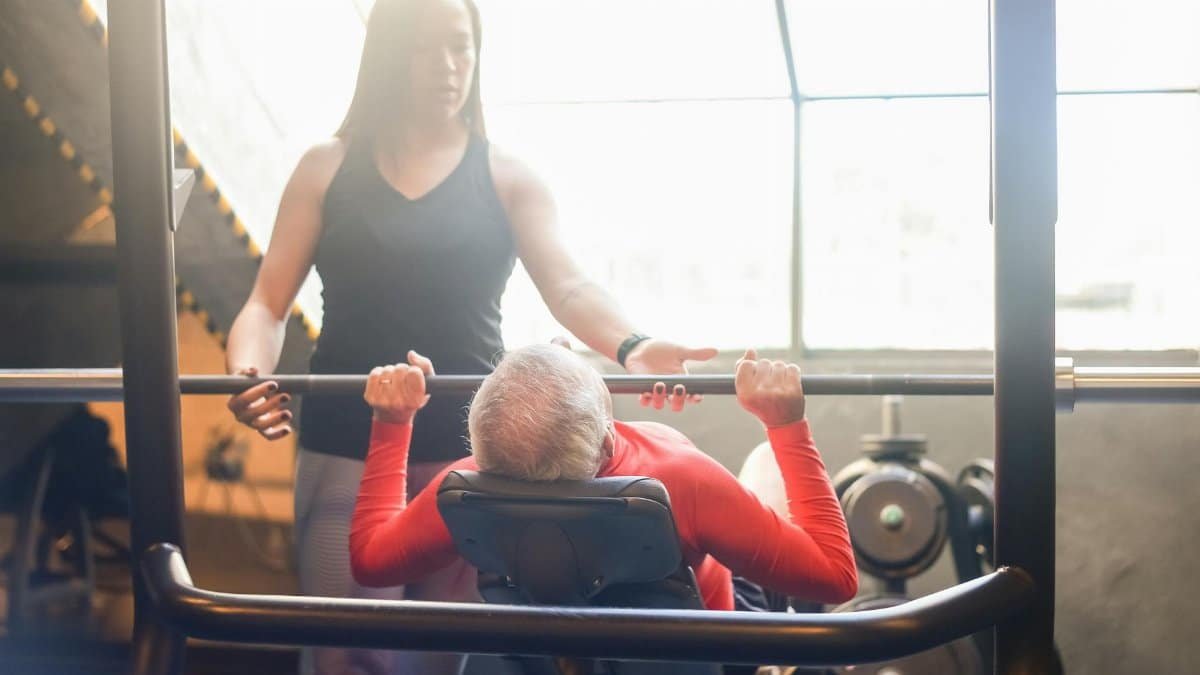
Science has uncovered a robust connection between muscle strength and how long we live. A major review of data from hundreds of thousands of people found that higher muscle mass correlates with significantly lower rates of death from cancer heart disease and other causes. Researchers at the University of California Los Angeles tracked adults for more than a decade. They discovered that those with greater grip strength and leg power tended to outlive their peers. The mechanisms involve better metabolic health and reduced systemic inflammation. Muscle also serves as a reservoir for amino acids that support immune function during times of stress or illness. These findings have prompted doctors to begin prescribing resistance exercise with the same seriousness they once reserved for aerobic activity alone.
Another study available at PubMed highlighted how even modest increases in strength can yield meaningful gains in longevity. The message is clear. Investing time in building muscle is an investment in extra healthy years.
Why Aerobic Exercise Alone Falls Short
For years the emphasis in public health messages has been on cardiovascular fitness. Walking running and swimming certainly provide benefits. Yet they do little to stem the loss of muscle that accompanies aging. Without resistance work the average adult loses roughly three to eight percent of muscle mass per decade after age 30. This erosion accelerates in later life leading to weakness frailty and increased fall risk. Strength training complements aerobic efforts by addressing different physiological systems. It improves insulin sensitivity in ways cardio cannot match. It also boosts resting metabolic rate helping with weight management. Many experts now advocate for a balanced approach that includes both modalities. The synergy creates a more complete foundation for sustained health.
Beginning Strength Training After 50
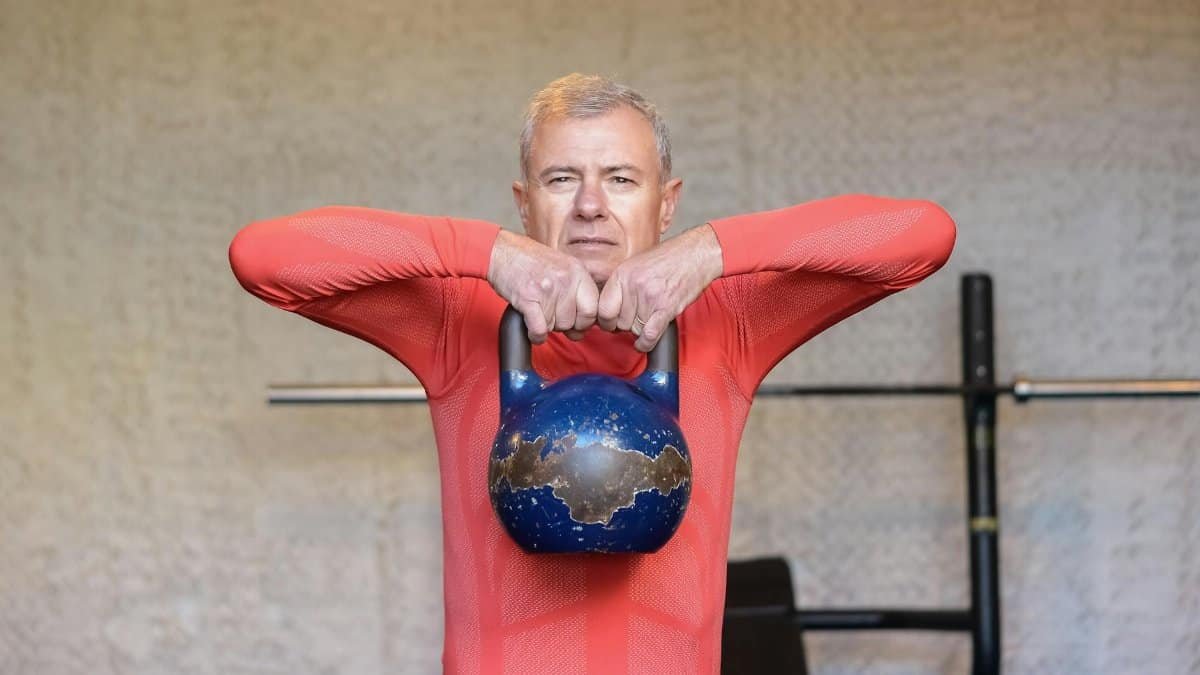
Starting later in life is not only possible but highly recommended. The body retains its ability to respond to training stimuli at any age. The key is to begin gradually and progress thoughtfully. Consulting a physician is wise especially if one has existing health conditions. A qualified trainer can design a program that matches individual fitness levels and goals. Many gyms now offer classes specifically for older adults. These sessions focus on proper form and functional movements that translate to daily activities. Home based routines using resistance bands or body weight can be equally effective. The important element is consistency rather than intensity at the outset. Small victories accumulate over months leading to substantial changes.
Essential Movements for Everyday Vitality
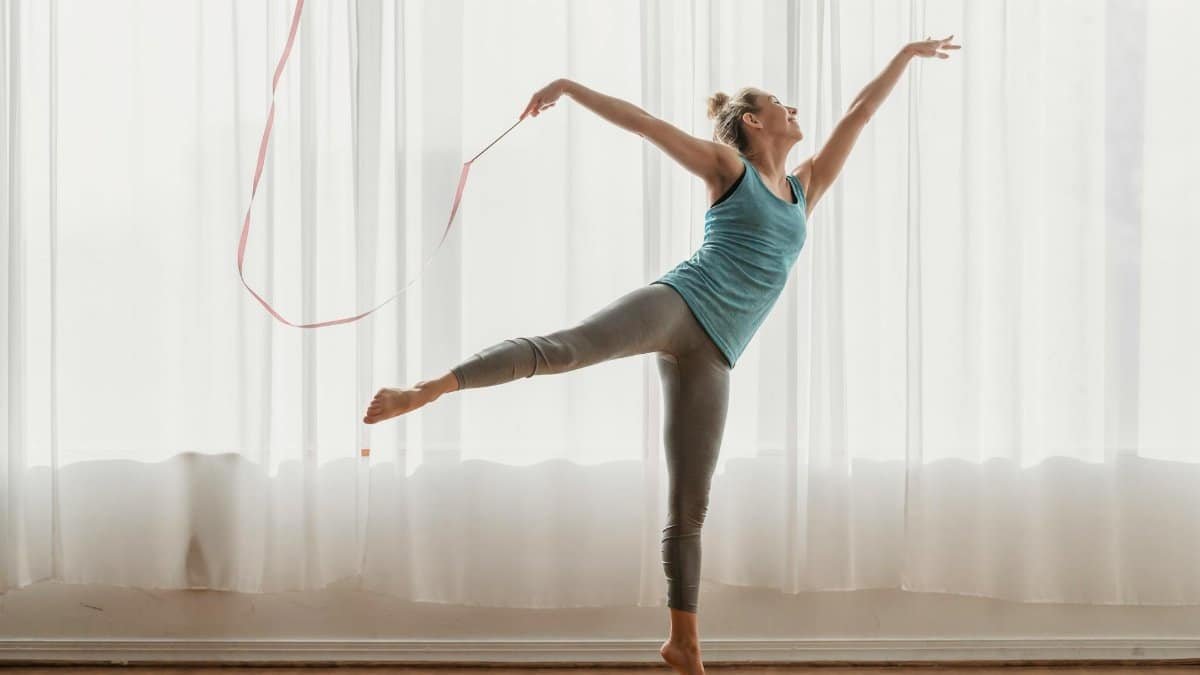
Certain exercises deliver the most benefit for those seeking to enhance their later years. Squats or sit to stand movements maintain leg power needed for getting up from chairs or climbing stairs. Rows and pulling exercises support posture and upper body function. Pushing movements like modified push ups preserve shoulder stability. Core work improves balance and reduces back pain. Lifting motions using light weights or household objects strengthen the back and legs which is crucial for lifting objects safely. The goal is not to lift the heaviest loads but to move with control and purpose. Two or three sessions per week targeting all major muscle groups can produce remarkable results.
The Spiritual Benefits of Building Strength
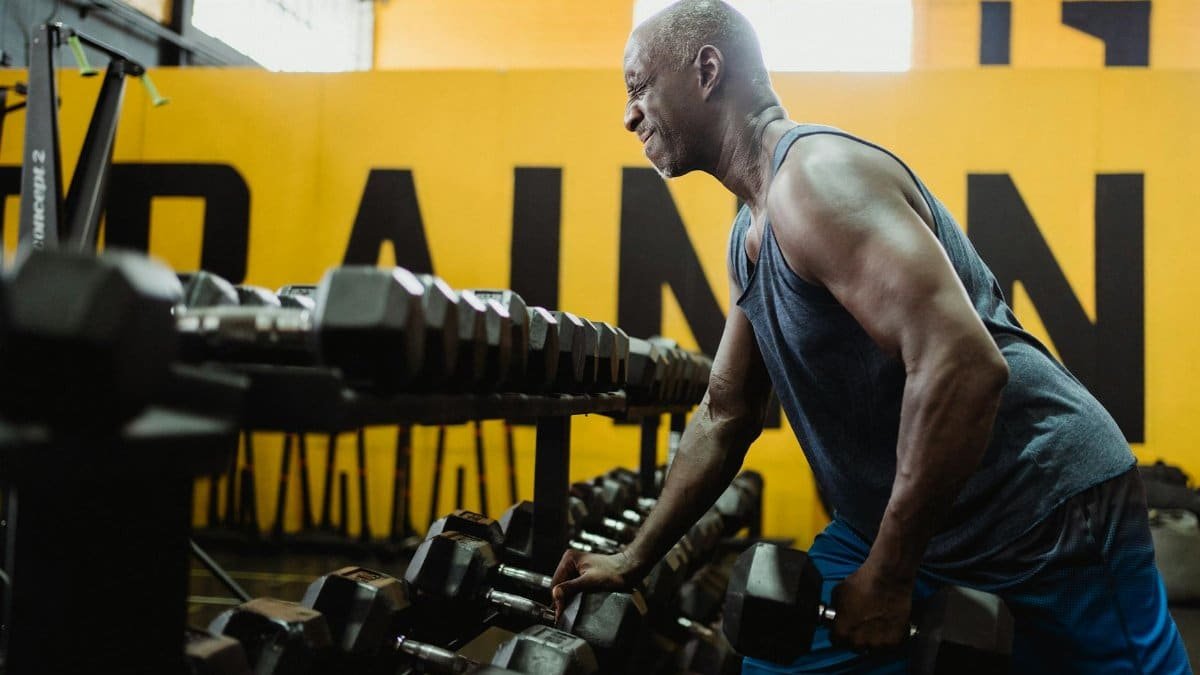
Beyond the physical there exists a deeper dimension to this work that resonates with spiritual seekers. Many who adopt strength training report a heightened sense of embodiment and presence. The focus required during each session mirrors meditative practices. It teaches lessons in discipline humility and resilience that extend far beyond the gym. In various spiritual traditions the body is viewed as a temple or a vehicle for the soul. Caring for it through strength training becomes an act of reverence. Practitioners often describe feeling more grounded and connected both to themselves and to something larger. This alignment of physical spiritual and mental health represents a holistic approach to longevity that many find profoundly fulfilling. Strength training longevity thus encompasses not only bodily preservation but the nurturing of inner vitality as well.
Eating to Support Muscle and Longevity

Nutrition plays a crucial role in maximizing the benefits of training. Older adults often require more protein than younger people to stimulate muscle growth. Aim for 1.2 to 1.6 grams per kilogram of body weight spread throughout the day. Sources like fish poultry eggs dairy and plant based options such as beans and lentils are all valuable. Timing matters too. Consuming protein within a few hours after training enhances recovery. Anti inflammatory foods including colorful vegetables berries nuts and olive oil support overall health. Staying hydrated is equally important as dehydration can impair performance and recovery. Some individuals benefit from consulting a registered dietitian to tailor their intake to specific needs and preferences.
Addressing Concerns About Injury and Overexertion

Fear of getting hurt prevents many from trying strength training. Yet with proper guidance the risk is quite low compared to a sedentary lifestyle. The greater danger lies in continued muscle loss and the complications that follow. Learning correct technique from credible sources minimizes problems. Starting with lighter loads and focusing on movement quality rather than quantity allows the body to adapt safely. Pain should never be ignored. Discomfort is normal as muscles work but sharp pain is a signal to stop and reassess. Many physical therapists specialize in working with older populations and can provide personalized modifications. Listening to the body is the best safeguard.
Finding the Right Training Frequency
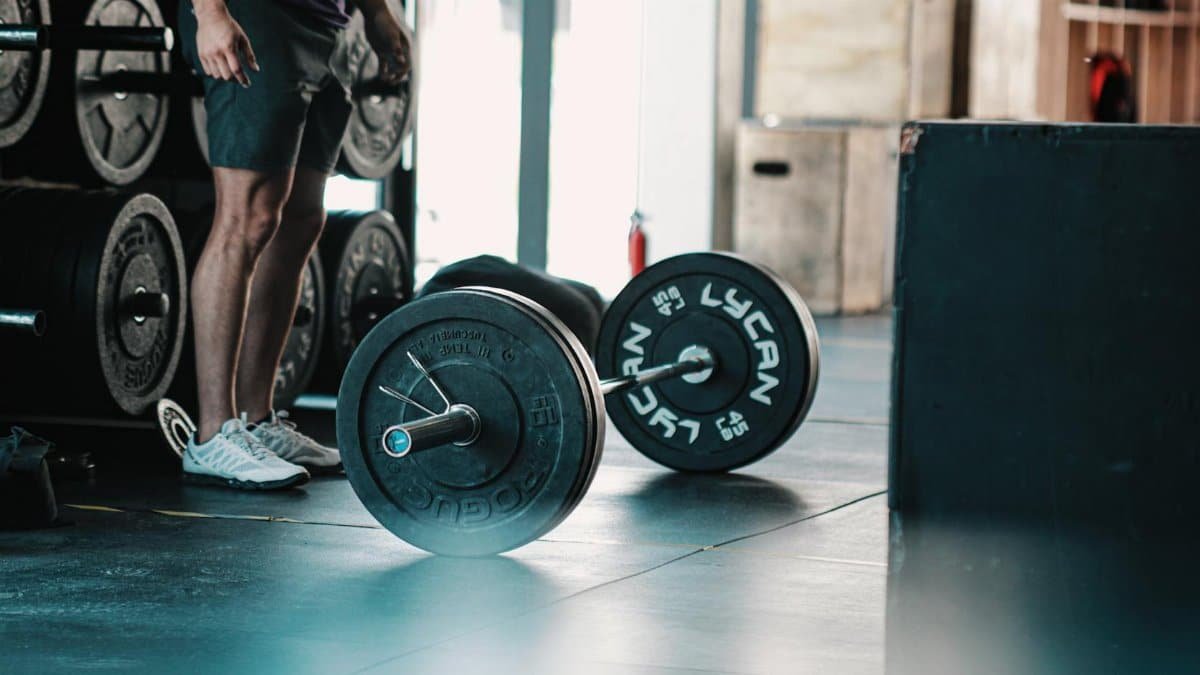
How often should one train? Research indicates that two to three sessions per week deliver optimal results for most people over 50. This frequency allows for adequate recovery while providing enough stimulus for adaptation. Each session might last 30 to 45 minutes. More is not necessarily better. Overdoing it can lead to burnout or joint issues. The principle of progressive overload suggests gradually increasing challenge as the body grows stronger. This might mean adding repetitions more weight or slowing down the tempo of movements. Tracking progress in a simple journal can help maintain motivation and ensure steady advancement toward goals.
Inspirational Examples From Everyday People

Consider the case of a 72 year old retired teacher who took up weight training after a hip replacement. Within a year she completed a charity walk that would have been impossible before. Or the 58 year old accountant who reversed his prediabetes diagnosis through a combination of strength training longevity practices and dietary changes. These are not professional athletes but ordinary individuals who decided to take charge of their health. Their experiences illustrate that it is never too late to start. Social media groups and local community centers often share such stories providing both inspiration and practical tips from peers on the same journey.
Integrating Mindfulness Into Strength Sessions

Bringing a mindful approach to training can amplify its benefits. Instead of rushing through repetitions one can focus on the sensation of muscles contracting and the rhythm of breath. This presence transforms exercise from a chore into a form of active meditation. Many report reduced stress levels and improved sleep as a result. Yoga principles of alignment and awareness pair beautifully with strength movements. Some studios now offer fusion classes that blend the two disciplines. This integration supports the spiritual news trends that emphasize whole person wellness rather than isolated aspects of health.
What Cutting Edge Studies Are Showing

Emerging research continues to affirm the value of strength training longevity. A recent trial at Stanford University demonstrated that resistance exercise influences gene expression related to aging. Participants who lifted weights showed positive changes in markers of cellular health after just 12 weeks. Other investigations explore how strength training affects cognitive function potentially lowering risks for dementia. The combination of physical and neurological benefits makes this form of exercise uniquely powerful. As more data accumulates it seems likely that guidelines from major health organizations will place greater emphasis on resistance work for adults of all ages particularly those entering their middle and later years.
Building Habits That Last a Lifetime

Sustainability is the ultimate goal. Choosing activities that are enjoyable increases the likelihood of sticking with them. Some prefer working out with friends for social connection. Others enjoy the solitude and focus of solo sessions. Setting realistic expectations and celebrating small improvements helps maintain momentum. Viewing strength training as a lifelong practice rather than a short term fix aligns with the philosophy of healthy aging. Over time it becomes less about reaching a destination and more about embracing a way of living that honors the body mind and spirit.
A New Perspective on Aging Gracefully

Ultimately strength training longevity invites us to reconsider what aging means. Rather than accepting inevitable decline we can actively participate in shaping our later decades. This shift in perspective brings hope and agency to millions who want to remain active engaged and independent. It aligns with spiritual values of stewardship and gratitude for the gift of life. By incorporating these practices individuals report not just longer lives but richer ones filled with capability confidence and connection. The garage gym where Robert began his journey is now a place of daily ritual and quiet triumph. His story and thousands like it point toward a future where growing older does not have to mean growing weaker.