
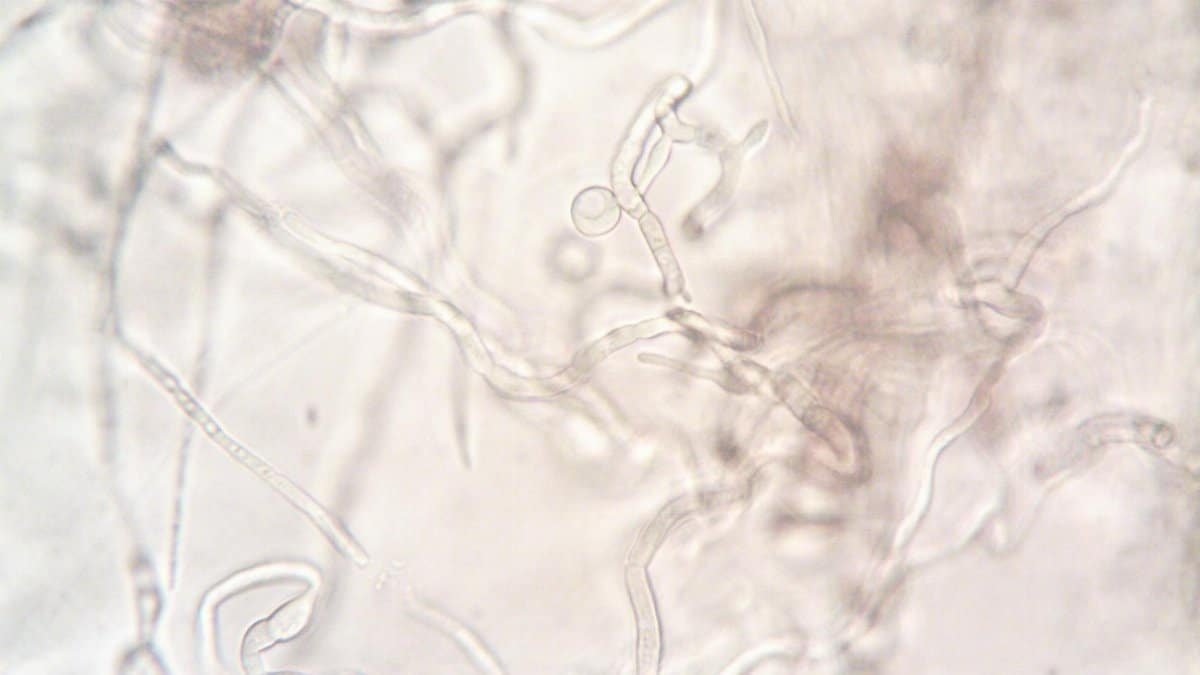
In the shaded depths of Americas oldest forests a quiet revolution is underway. Researchers are uncovering the immense power of underground fungal networks to influence everything from tree health to global climate patterns. These networks form vast connections that allow trees and plants to exchange nutrients water and even information. Their capacity to lock away carbon makes them unexpected allies in the fight against climate change. What was once dismissed as mere soil biology is now seen as a cornerstone of ecosystem stability with the potential to store billions of tons of carbon dioxide across the United States alone.
The Intricate Architecture Beneath the Surface

Underground fungal networks consist of delicate filaments called mycelium that envelop and penetrate plant roots in a partnership refined over hundreds of millions of years. In return for the sugars trees produce through photosynthesis these fungi deliver essential minerals and moisture from deep within the earth. The resulting web can stretch across many acres linking not only trees of the same species but entirely different plants in a shared economy of resources.
Modern genetic tools have allowed scientists to map these systems with unprecedented precision revealing structures far more complex than early naturalists could have imagined. A single gram of healthy forest soil may hold dozens of miles of fungal threads working in continuous coordination. This architecture transforms our understanding of forests from collections of individual organisms into something closer to a unified living system where the boundary between species becomes surprisingly porous.
Carbon Sequestration at an Unprecedented Scale
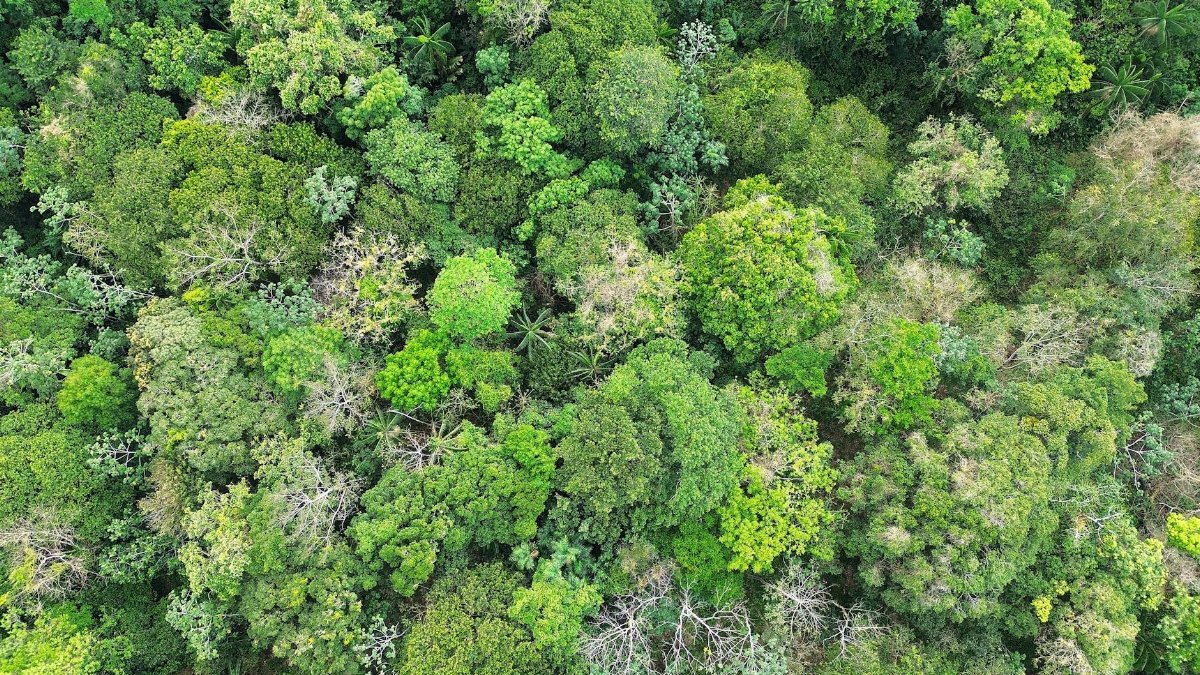
One of the most striking discoveries involves the role these networks play in storing carbon. As trees send sugars to their fungal partners much of that carbon remains locked in the soil for decades or even centuries. Researchers estimate that fungal networks in American forests may hold more than eight billion tons of carbon dioxide equivalent making them a critical yet largely unaccounted factor in national climate inventories.
This storage happens through several mechanisms. Fungal tissues themselves act as carbon reservoirs while their activity promotes the formation of stable soil aggregates that resist decomposition. When these networks remain intact forests can continue pulling greenhouse gases from the atmosphere long after individual trees reach maturity. The finding has profound implications for how policymakers calculate the climate value of protected woodlands particularly in regions like the Pacific Northwest and the southern Appalachians.
How Trees Communicate Through Fungal Links
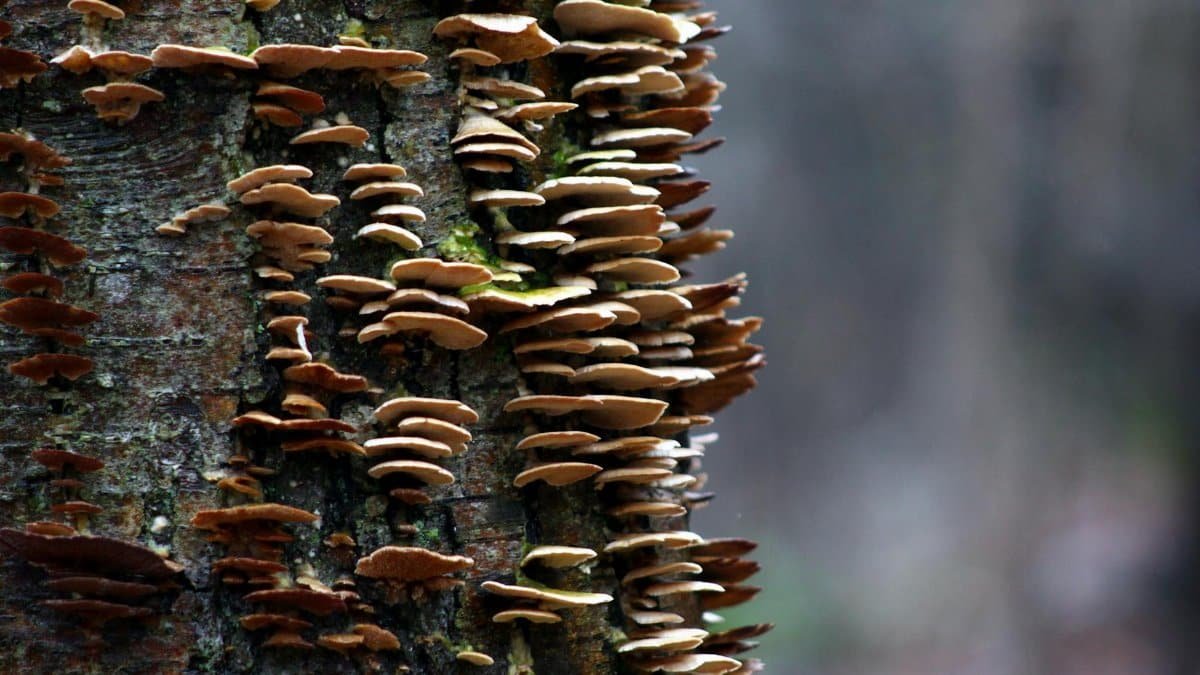
Beyond resource sharing these networks appear to facilitate a form of communication. When one tree faces an insect attack or drought stress it can send chemical signals through the fungal connections prompting neighboring trees to activate their own defenses. This coordination improves the overall resilience of the forest community in ways that challenge older views of nature as primarily competitive.
Experiments conducted in controlled forest plots have demonstrated that older more established trees often support younger saplings through these links sharing surplus carbohydrates during periods of low light. The phenomenon has prompted some biologists to speak of mother trees though the networks themselves function as the true infrastructure of care. Such findings invite a reconsideration of intelligence in living systems extending beyond individual brains to distributed forms of awareness embedded in the soil.
Revelations from American Woodland Studies
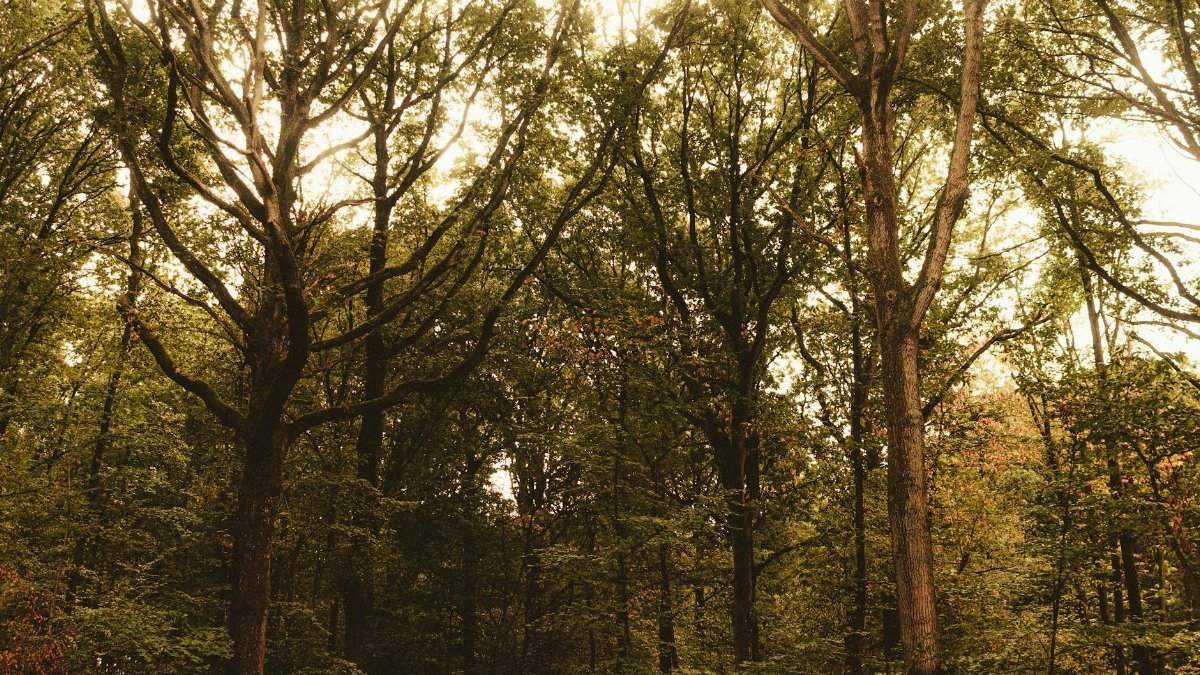
Field research across United States forests has accelerated in recent years. Teams working in Oregon California and the northeastern states have used DNA sequencing and radio labeled carbon to trace the flow of nutrients through these hidden pathways. One landmark project following the work highlighted in The New York Times suggests that disrupting the networks through heavy logging can reduce a forests carbon storage capacity by up to forty percent for decades afterward. (https://www.nytimes.com/2025/03/01/science/climate-mycorrhizal-fungus-networks.html)
These studies also show significant regional differences. Old growth stands in the Pacific Northwest host particularly dense and diverse fungal communities while second growth forests in the Midwest often require active restoration to rebuild their underground connections. The data paint a clear picture. Healthy fungal networks correlate strongly with forest productivity biodiversity and climate stability.
The Spiritual Implications of Natures Web
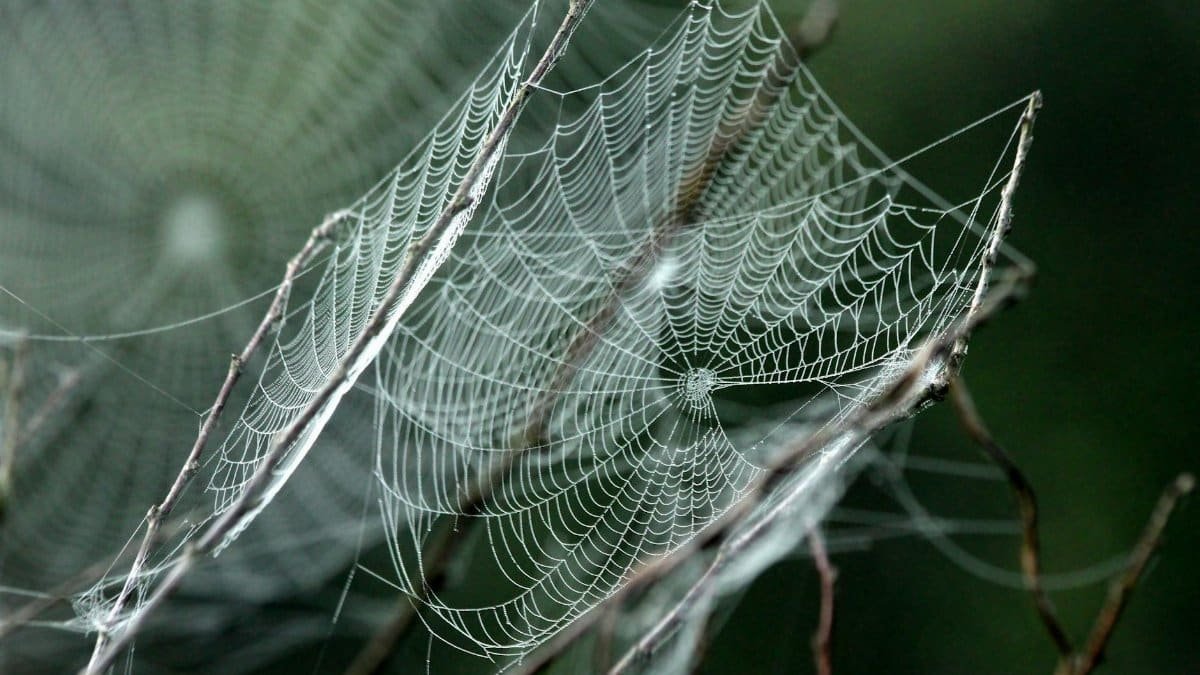
The scientific portrait of these interconnected systems resonates with spiritual traditions that have long described the earth as a single living entity. Many indigenous cultures across North America speak of the forest as a community of relatives where trees fungi and humans share mutual responsibilities. Modern discoveries about underground fungal networks provide empirical grounding for such worldviews offering a bridge between ancestral knowledge and laboratory research.
This convergence invites broader cultural reflection. In an age of environmental disconnection the revelation of a vast subterranean communication system can inspire renewed humility before the complexity of life. It suggests that intelligence and cooperation are not exclusively human traits but fundamental properties of the natural world. For many observers this understanding carries a sense of the sacred reminding us that the ground beneath our feet pulses with relationships we are only beginning to comprehend.
Threats Looming Over These Hidden Systems

Despite their importance underground fungal networks face multiple pressures. Conventional logging practices that remove too many trees or compact the soil can sever these connections sometimes with lasting effects. Climate change itself poses risks as warmer soils accelerate fungal decomposition releasing stored carbon back into the atmosphere in a potential feedback loop.
Urban expansion agricultural chemicals and certain forestry methods further degrade the living matrix beneath the surface. Once damaged these networks recover slowly if at all particularly in areas where topsoil has been lost. Scientists warn that without deliberate protection efforts the climate benefits forests provide could diminish more rapidly than surface level observations suggest.
Integrating Fungal Knowledge into Climate Strategies
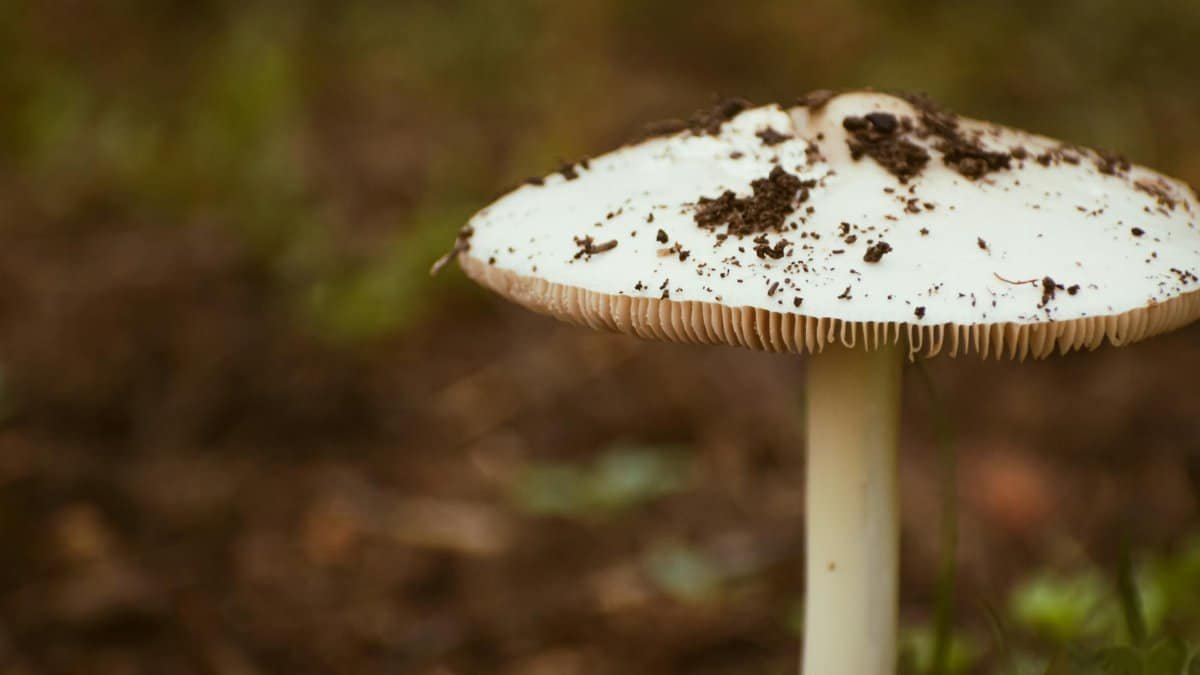
Climate policymakers are beginning to take notice. Proposals for enhanced forest carbon protocols now include language about preserving fungal integrity as a measurable factor in carbon credits. Pilot projects in several states test selective harvesting methods designed to maintain network continuity while still allowing sustainable timber production.
At the federal level discussions have emerged around incorporating mycorrhizal health into national climate assessments. Such shifts represent a significant evolution in environmental management moving from aboveground metrics to a more holistic view that includes the unseen majority of forest biomass. Early results from network conscious forestry trials show promising gains in both carbon retention and ecosystem recovery rates.
Indigenous Wisdom and Modern Science Converge

Tribal nations have contributed valuable perspective to this emerging field. Traditional ecological knowledge often emphasizes the importance of undisturbed soil and the relationships among all forest beings. Collaborative projects between indigenous communities and university researchers have accelerated understanding while respecting cultural protocols around forest stewardship.
These partnerships demonstrate that scientific progress need not replace older ways of knowing. Instead the two approaches can enrich each other creating more robust frameworks for conservation. The underground fungal networks serve as a powerful example of how ancient intuition and contemporary technology can align to address urgent environmental challenges.
What the Future Holds for Forest Management
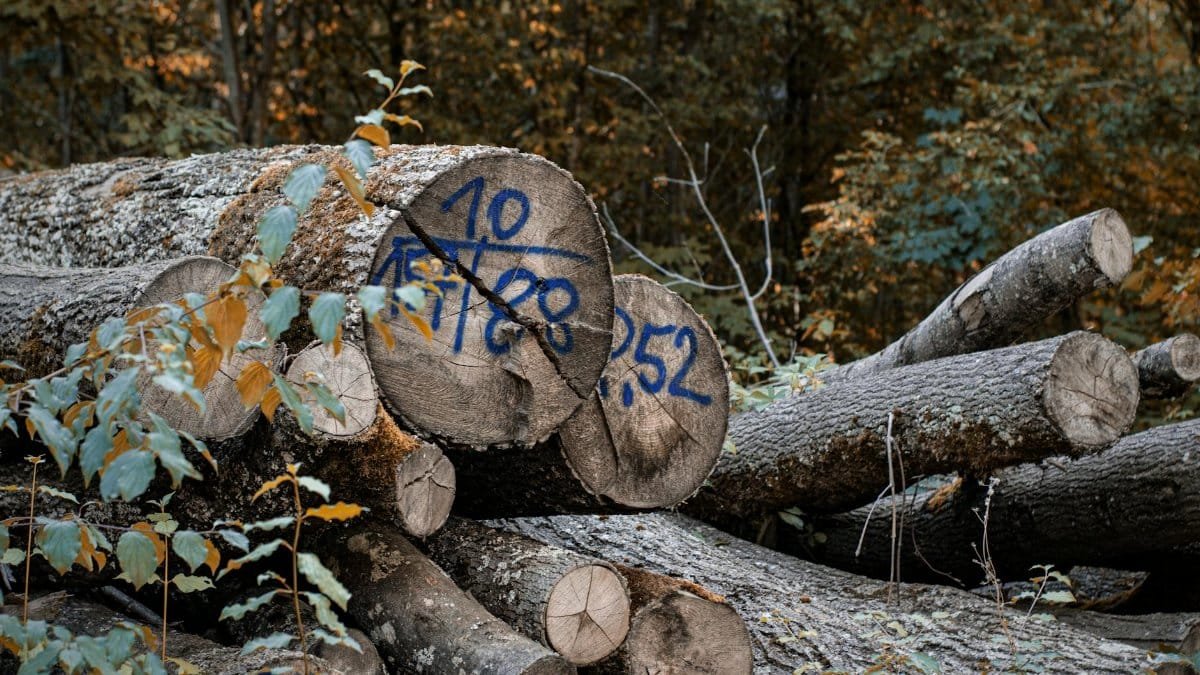
Looking ahead foresters trained in fungal ecology may become as important as those focused on timber yields. Restoration efforts increasingly include inoculating soils with native fungal species to jumpstart network recovery in degraded areas. Advances in remote sensing could soon allow managers to monitor the health of these systems from above through indirect indicators.
Public awareness campaigns also play a role. As more people learn about the hidden world beneath their hiking boots support grows for protective policies. Educational programs in schools and parks now feature simple demonstrations of mycelial life helping citizens appreciate forests in their full dimensionality both visible and invisible.
Recognizing the Intelligence in the Soil
The accumulating evidence suggests we have underestimated the sophistication at work beneath our feet. These fungal networks do not merely connect trees. They appear to coordinate responses distribute resources and maintain balance across entire landscapes in ways that display a kind of distributed intelligence. This realization carries both practical and philosophical weight.
As the climate crisis intensifies preserving these underground systems may prove as vital as protecting the trees themselves. The quiet labor of fungi represents one of natures most effective tools for carbon regulation and forest resilience. By extending our care downward into the soil we stand a better chance of maintaining the environmental stability upon which human societies depend. The networks have been operating for eons. The question now is whether we will finally listen to what they have been telling us all along.