
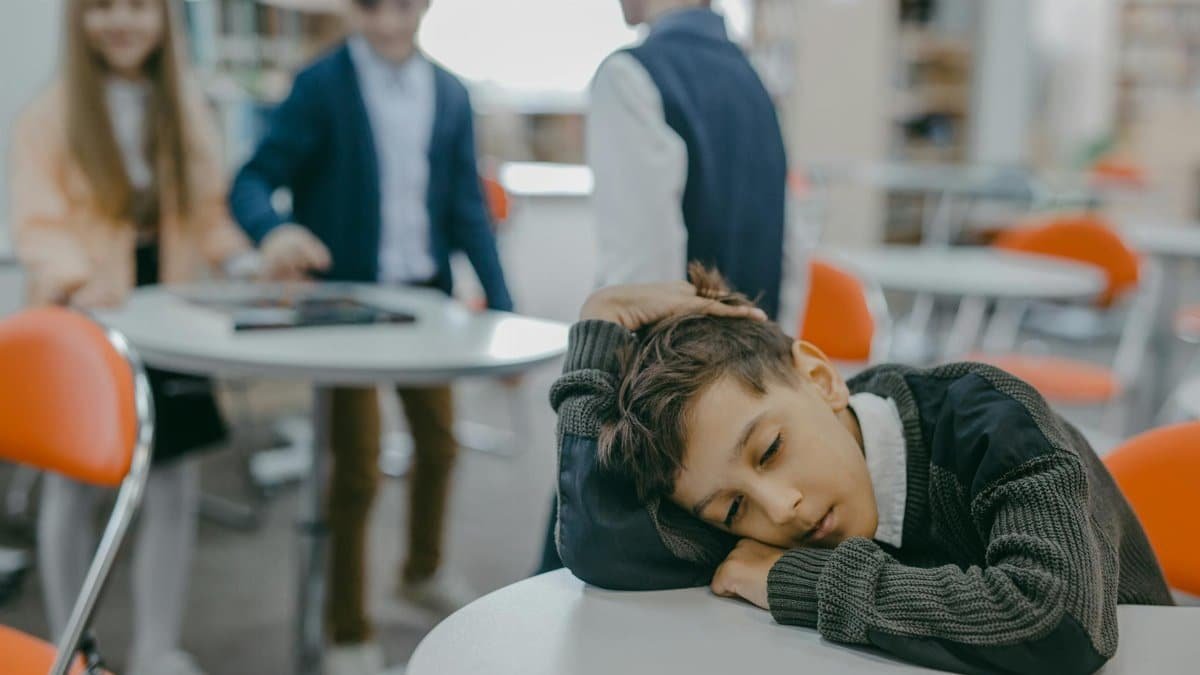
When parents make choices that diverge from family traditions the reactions can be surprising. At a recent holiday dinner one mother found herself defending her decision to opt for public education against pointed criticism from her own sister. The sister upset school choice dynamic revealed layers of concern rooted in love care and differing worldviews. For middle aged parents navigating these conversations while juggling careers and community roles the stakes feel particularly high. Yet such moments also offer opportunities for growth understanding and strengthened relationships if approached with intention and grace. This article explores practical steps and spiritual insights to help families weather these storms without sacrificing their core values or bonds.
Recognizing Emotional Undercurrents In Family Debates

Sibling relationships carry decades of shared history that can color reactions to life choices. When a sister expresses disapproval about public schools her concerns may spring from protective instincts rather than judgment. She might worry about classroom sizes or recall positive memories from her own private school experience. These conversations often touch on deeper fears about equity safety and future prospects for the children involved.
Family therapists observe that education decisions frequently become proxies for larger questions of values and identity. A parent who chooses public education may see it as an expression of community commitment while the sister views it as a departure from what she considers best. Acknowledging these emotional layers marks the first step toward resolution. Simply dismissing the criticism as meddling rarely leads to understanding. Instead creating space for each person to explain their perspective without immediate rebuttal can lower defenses and open genuine dialogue.
The Strengths Of Public School Systems
Public schools remain the backbone of American education serving millions of students from every background. They offer diverse student bodies that mirror the real world preparing children for lives marked by variety and cooperation. Many districts have strengthened programs in arts sciences and vocational training that rival private options. Parents who choose public education often cite the value of teaching adaptability and civic responsibility as central reasons for their decision.
Resources have improved in many communities through targeted funding and innovative partnerships. Local schools frequently provide support services that address the whole child including counseling speech therapy and after school programs. For families committed to the idea that education should be a public good rather than a purchased privilege these institutions embody important principles. The choice reflects not neglect but a deliberate belief in the power of shared community investment in young people.
Understanding Different Educational Philosophies

Educational choices often reveal contrasting philosophies about what children need most. Some families prioritize small classes and specific religious instruction available in private settings. Others believe that navigating larger diverse environments builds character and cultural competence. Neither approach is inherently superior though both come with tradeoffs that deserve honest discussion.
The sister upset school choice tension often emerges when these philosophies collide within one family. One sibling may have invested heavily in private education for her own children and sees deviation as risky. The parent choosing public school may feel equally convicted about fostering independence through real world exposure. Recognizing that both positions can stem from love and careful thought helps reduce the impulse to assign blame. It also creates room for mutual respect even amid disagreement.
Bringing Spiritual Wisdom To The Conversation

Faith traditions offer rich resources for families facing conflict over education. Many spiritual teachings emphasize humility wisdom and the call to love one another even when perspectives differ. Prayerful reflection can help parents clarify their own convictions while remaining open to the concerns of loved ones. Scripture frequently reminds believers that true strength lies not in winning arguments but in pursuing peace and understanding.
Some parents find it helpful to frame school choice within a larger spiritual narrative about stewardship and calling. They see their decision as an act of trust placing their children in environments where they can be salt and light. Others focus on the biblical mandate to seek justice and care for the least of these by supporting public institutions that serve all children regardless of means. These spiritual lenses do not automatically resolve practical disagreements but they can soften hearts and reorient conversations toward shared values rather than points of division. Many counselors recommend joint prayer or consultation with a trusted spiritual advisor as families seek common ground.
Practical Steps For Addressing The Conflict

Effective communication begins with clear boundaries and respectful language. Parents facing sister upset school choice pressure might schedule a calm private conversation rather than allowing the topic to dominate family gatherings. Using statements that begin with personal experience rather than accusation helps keep dialogue constructive. For instance describing the research and values that informed the school decision invites listening instead of debate.
It also helps to ask questions that reveal underlying worries. What specific outcomes does the sister fear? Has she had experiences that shape her strong feelings? Such inquiries can uncover assumptions and create pathways toward empathy. Some families benefit from establishing rules for future discussions such as limiting unsolicited advice or agreeing to revisit the topic only at agreed upon times. These practical measures demonstrate that the relationship matters more than any single educational choice.
Learning From Expert Family Counselors
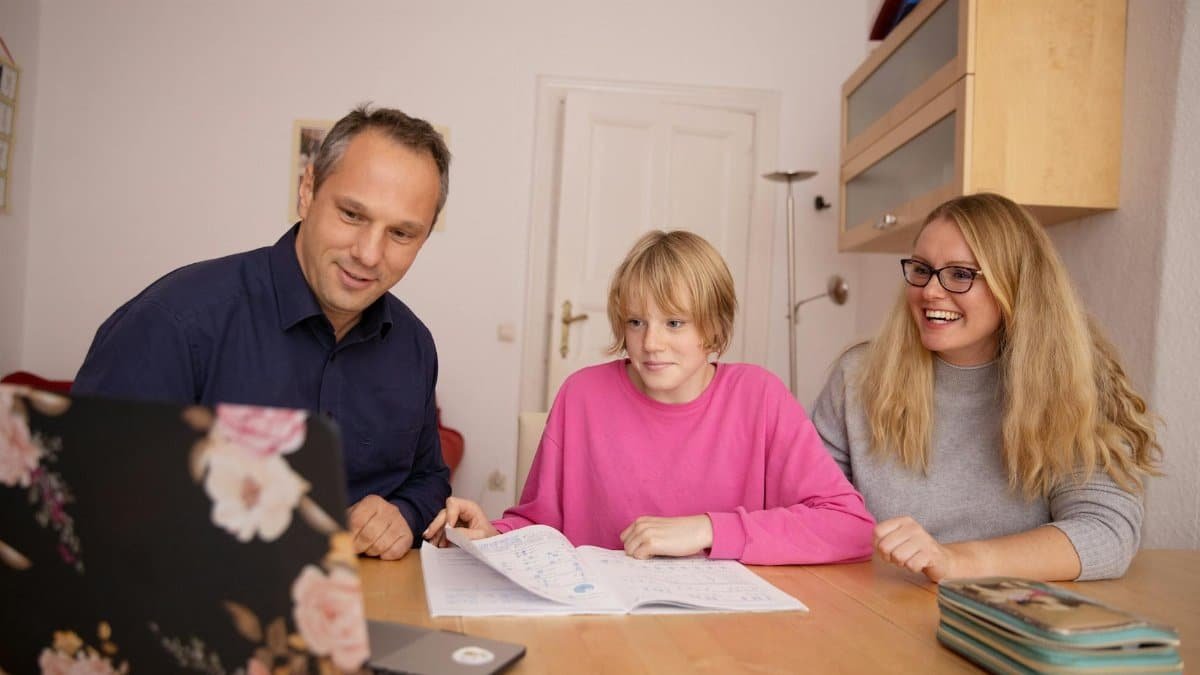
Professional advisors who work with families regularly encounter education related conflicts. Many recommend focusing on shared goals rather than specific methods. Both the parent and the concerned sister likely want children to grow into compassionate capable adults. Starting from that common desire can reframe the entire conversation.
The Washington Post advice column recently featured a similar dilemma in which a reader sought guidance about family criticism of public school enrollment. The response highlighted the importance of affirming the relationship while gently asserting parental autonomy. Experts consistently advise against trying to convert the sister to a different point of view. Instead they suggest expressing appreciation for her care while explaining that the decision came after thoughtful consideration and aligns with the family’s values. This approach preserves dignity on both sides and models healthy boundaries for the children watching these interactions.
Real Families Sharing Their Journeys

Many parents have walked this path before. One mother in Ohio described initial years of strained holiday meals after choosing public school against her sister’s wishes. Over time consistent respectful communication and visible positive outcomes for her children gradually eased tensions. The sister eventually acknowledged that her nieces and nephews were thriving and the relationship began to heal.
Another family in California incorporated regular joint volunteer activities at the public school. By witnessing the dedication of teachers and the diversity of students firsthand the critical sister developed greater appreciation for the choice. These stories reveal that time patience and continued relationship building often accomplish more than winning any ideological battle. They also show that children benefit when adults model respectful disagreement and commitment to family despite differences.
Fostering Forgiveness And Moving Forward Together

Holding onto resentment serves no one particularly the children who sense family tension. Spiritual practices of forgiveness create space for new beginnings even when full agreement remains elusive. This does not mean pretending differences do not exist but choosing not to let them define the relationship.
Parents can express gratitude for the sister’s obvious love and concern while clearly stating that the school decision is final. Many families discover that focusing on other shared interests rebuilds connection over time. Grandchildren’s sports games music recitals and family traditions provide neutral ground where education debates need not intrude. Through small consistent acts of kindness and attention the relationship can evolve into something more mature and resilient than it was before the conflict arose.
The Long View On Family Relationships

Education choices represent a brief season in the long arc of family life. Children grow quickly and the intensity of current debates will eventually fade. What remains are the patterns of respect or resentment established during these crucial years. Middle aged parents carry responsibility not only for their children’s schooling but for modeling how to disagree with love and maintain connection across differences.
Looking decades ahead many adults express greater regret over damaged family ties than over any particular school decision. This long view encourages choices that prioritize relationship without compromising core convictions. It also invites humility recognizing that no parent has perfect foresight and all make decisions with incomplete information. The sister upset school choice challenge ultimately tests whether families can embody the values they claim to hold most dear including patience kindness and unwavering commitment to one another.
Embracing Your Role As A Parent With Confidence

At the heart of these conflicts lies the fundamental responsibility of parenthood. No sister no matter how well meaning can assume the role that belongs solely to the child’s mother and father. Embracing this truth with quiet confidence allows parents to listen thoughtfully without being ruled by outside opinions. It also frees them to make decisions based on careful research prayerful discernment and intimate knowledge of their own children’s needs.
Many parents report that after the initial discomfort of asserting boundaries they experienced unexpected peace. They discovered that respectful clarity actually strengthened their family relationships over time. The children themselves benefited from seeing adults navigate disagreement without severing ties. In an era of increasing polarization the ability to maintain loving connection despite differing educational philosophies stands as both spiritual witness and powerful example. Parents who choose public schools can do so with conviction knowing they act from care and commitment rather than convenience. The sister upset school choice experience though painful at times can ultimately deepen family bonds when met with wisdom grace and steadfast love.