

Travelers today are increasingly seeking ways to disconnect from the rush of modern life and reconnect with something deeper. Instead of rushing from one site to another in a vehicle many are discovering the joys of exploring on foot. This trend toward walkable us destinations is not just about convenience. It represents a shift in how we experience travel allowing for moments of quiet contemplation amid beautiful surroundings. For middle aged Americans weary of crowded itineraries these places provide an ideal setting to slow down and truly absorb the essence of a location. Whether seeking historical insight or natural beauty these spots invite a more intentional form of vacationing that resonates with those in the prime of their lives.
The Growing Appeal Of Walkable Exploration

Across the United States a subtle yet powerful change is reshaping leisure travel. More people are deliberately choosing vacations that eliminate the car altogether embracing the freedom and focus that comes with traveling on foot. This movement aligns with broader cultural shifts toward mindfulness and sustainability. Rather than viewing distance as something to conquer quickly visitors now see it as an opportunity for engagement. Neighborhood cafes historic markers and unexpected architectural details reveal themselves only at walking speed. For middle aged travelers who often juggle career and family obligations such trips offer rare uninterrupted time to think and observe. The physical act of walking itself becomes part of the itinerary fostering both bodily health and mental clarity without the stress of traffic or parking.
Why Walking Enhances Spiritual Awareness

Long before it became a travel trend walking served as a cornerstone of spiritual practice in cultures around the world. Pilgrimages labyrinth walks and simple meditative strolls have helped people connect with the sacred for centuries. In contemporary America this ancient wisdom is finding new expression through tourism. As footsteps mark a steady rhythm the mind often loosens its grip on everyday concerns making space for reflection and gratitude. Many travelers in their forties and beyond describe these journeys as quietly transformative. They return home with fresh perspective on priorities and relationships. Walkable us destinations particularly those layered with history or natural splendor amplify this effect turning ordinary sightseeing into something closer to pilgrimage. The absence of engine noise and the presence of birdsong or church bells create conditions remarkably suited to inner listening.
Charleston South Carolina Offers Timeless Charm

Charleston consistently ranks among the most satisfying places to explore entirely on foot. Its historic peninsula packs elegant mansions cobblestone alleys and waterfront views into a compact area that rewards patient wandering. Visitors can begin their day with a peaceful walk along the Battery where live oaks frame sweeping views of the harbor. The citys churches many dating to the eighteenth and nineteenth centuries stand as quiet invitations to step inside and sit with ones thoughts. King Street offers a pleasant mix of independent bookstores art galleries and cafes all reachable without transportation. In the late afternoon the breeze off the water carries the scent of pluff mud and jasmine creating an atmosphere that naturally encourages contemplation. Bed and breakfast inns situated throughout the downtown district allow guests to return to their rooms for rest before venturing out again for evening strolls. The gentle pace of life here seems to remind visitors that presence itself can be a form of prayer.
Savannah Georgia Invites Serene Strolls
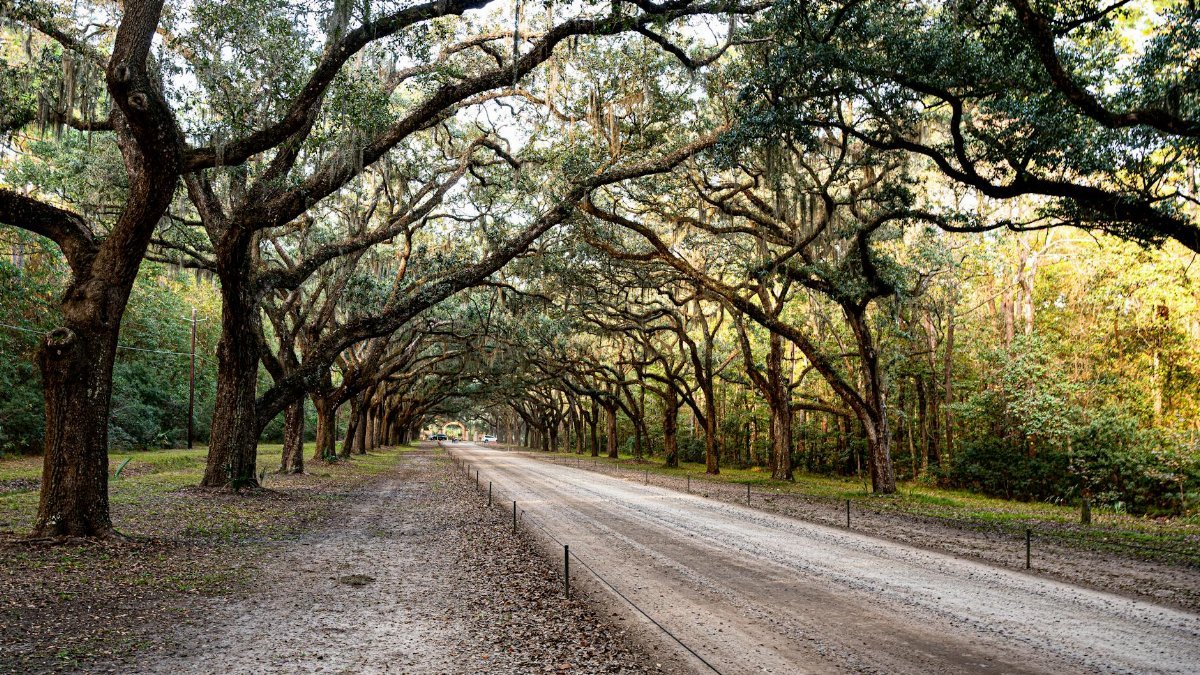
Savannah builds its appeal around twenty two lush public squares that function as outdoor rooms for reflection and rest. Spanish moss drapes from massive live oaks while fountains and monuments provide focal points for quiet observation. The citys grid layout makes navigation intuitive even for first time visitors. One can walk from the riverfront through the historic district to Forsyth Park without ever needing wheels. Along the way Gothic cathedrals and colonial era homes offer architectural beauty that inspires awe. Many middle aged travelers appreciate the benches placed throughout the squares perfect for journaling or simply watching the world pass at human speed. The combination of deep history southern cuisine and abundant green space creates an environment where spiritual renewal feels almost inevitable. Evening walks reveal a city lit by gas lamps that seems to exist outside ordinary time.
Boston Massachusetts Blends History And Reflection
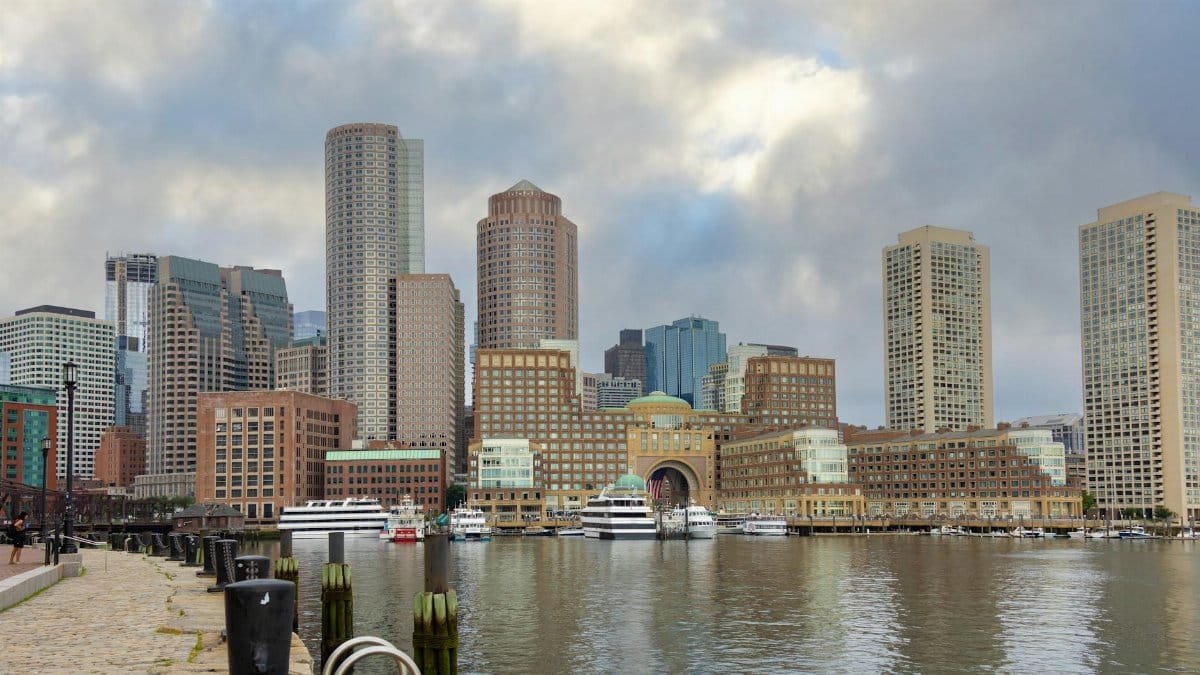
Boston transforms its revolutionary past into a walkable narrative that invites travelers to ponder liberty and sacrifice. The Freedom Trail strings together sixteen significant sites over two and a half miles of city streets. Following its red line becomes both history lesson and personal meditation on American ideals. Old North Church and the Old State House stand as tangible links to events that still shape national identity. Between historic stops the city offers tranquil corners such as the Public Garden with its swan boats and flowerbeds. For those drawn to spiritual dimensions Bostons many colleges and seminaries add layers of intellectual and ethical inquiry. Neighborhoods like Beacon Hill and the North End provide dense concentrations of restaurants shops and parks making it effortless to fill a week with meaningful movement. The crisp air and energetic yet manageable pace suit travelers seeking both stimulation and serenity.
Philadelphia Pennsylvania A Walk Through Independence

Philadelphia presents its foundational story in a remarkably compact footprint. Independence Hall Congress Hall and the Liberty Bell all lie within easy walking distance of one another. The Old City district unfolds like a living museum where each corner holds stories of courage and compromise. Beyond the revolutionary sites travelers discover Reading Terminal Market for local food and Rittenhouse Square for peaceful people watching. The citys grid and extensive network of dedicated pedestrian paths make exploration intuitive and safe. Many visitors find themselves reflecting on personal freedom while standing in the same spaces where founders debated the future. The Schuylkill River Trail extends the walking experience into nature offering views that balance urban energy with green respite. Philadelphia demonstrates how walkability can deepen ones relationship with both past and present.
Portland Oregon For The Nature Minded Traveler

Portland weaves urban sophistication with genuine access to nature creating a distinctive environment for reflective travel. The citys extensive system of parks and trails allows visitors to move from downtown sidewalks into ancient forests within minutes. Forest Park one of the largest urban forests in the country offers miles of paths where towering Douglas firs create cathedrals of green. Bridges spanning the Willamette River become destinations in themselves offering panoramic views and opportunities for quiet thought. Neighborhoods such as Alberta Arts and Hawthorne encourage leisurely exploration of galleries bookstores and cafes. The citys commitment to sustainability resonates with travelers concerned about their environmental impact. Walking here feels like participation in a larger conversation about harmony between human communities and the natural world.
Santa Fe New Mexico A Spiritual Haven On Foot

Santa Fe elevates the concept of walkable us destinations by layering artistic expression with profound spiritual heritage. The historic plaza serves as the heart of the city with adobe buildings and intricate churches radiating outward in all directions. Canyon Road stretches like an outdoor gallery where contemporary art meets centuries old tradition. Loretto Chapel with its mysterious staircase and the nearby Sangre de Cristo mountains provide powerful settings for contemplation. The citys high desert light and rich Native American and Hispanic influences create an atmosphere charged with creative and spiritual energy. Visitors can attend services at historic cathedrals or simply sit in sunlit courtyards absorbing the deep sense of place. Many describe their time in Santa Fe as a true retreat where walking becomes both discovery and devotion.
Asheville North Carolina Surrounded By Natural Beauty

Asheville sits nestled in the Blue Ridge Mountains offering a rare combination of cultural vitality and natural splendor. Downtown streets lined with art deco buildings flow seamlessly into trails that climb toward panoramic vistas. The River Arts District connects galleries studios and restaurants along the French Broad River in one continuous walkable corridor. Nearby the Biltmore Estate provides extensive grounds designed for contemplative movement though the village itself rewards hours of unhurried exploration. Asheville has long attracted spiritual seekers with its progressive values and proximity to sacred natural spaces. Walking the citys streets or nearby paths one encounters both creative expression and profound silence. The rhythm of footsteps on mountain trails seems to synchronize with something larger fostering clarity and renewal that travelers carry home long after their journey ends.
Practical Tips For A Successful Car Free Trip

Planning effectively can transform good intentions into seamless experiences. Choose accommodations centrally located near dining cultural sites and green spaces. Packing comfortable supportive shoes becomes essential rather than optional. Mobile applications that highlight pedestrian routes and accessible water fountains prove invaluable. Scheduling longer stays in each location rather than rapid city hopping allows the true benefits of walking to emerge. Engaging local guides for specialized history or nature walks can enrich the journey while supporting community economies. Remaining flexible enough to follow an interesting side street or pause on a bench often yields the most memorable moments. When selecting from the array of walkable us destinations consider which environments best match your current needs for reflection stimulation or peace.
The Future Of Walkable Us Destinations
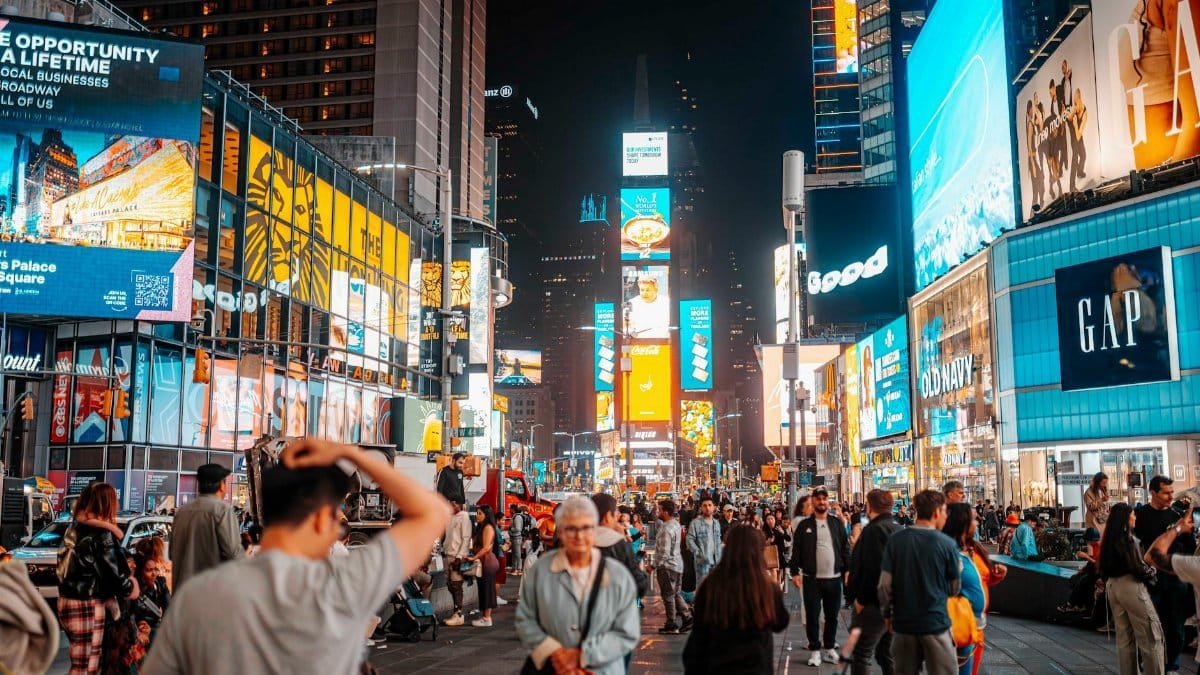
American cities increasingly recognize that walkability enhances both visitor satisfaction and resident quality of life. Municipal leaders are investing in safer sidewalks more green corridors and better connected neighborhoods. This evolution suggests that the coming decade will bring even richer opportunities for meaningful car free travel. As climate awareness grows and personal wellness remains a priority these destinations stand poised to welcome a new generation of thoughtful explorers. The simple act of walking through beautiful places continues to offer something that no amount of technological convenience can replace: direct unmediated contact with the world and with oneself. In an age of distraction these experiences feel less like luxury and more like necessity.