
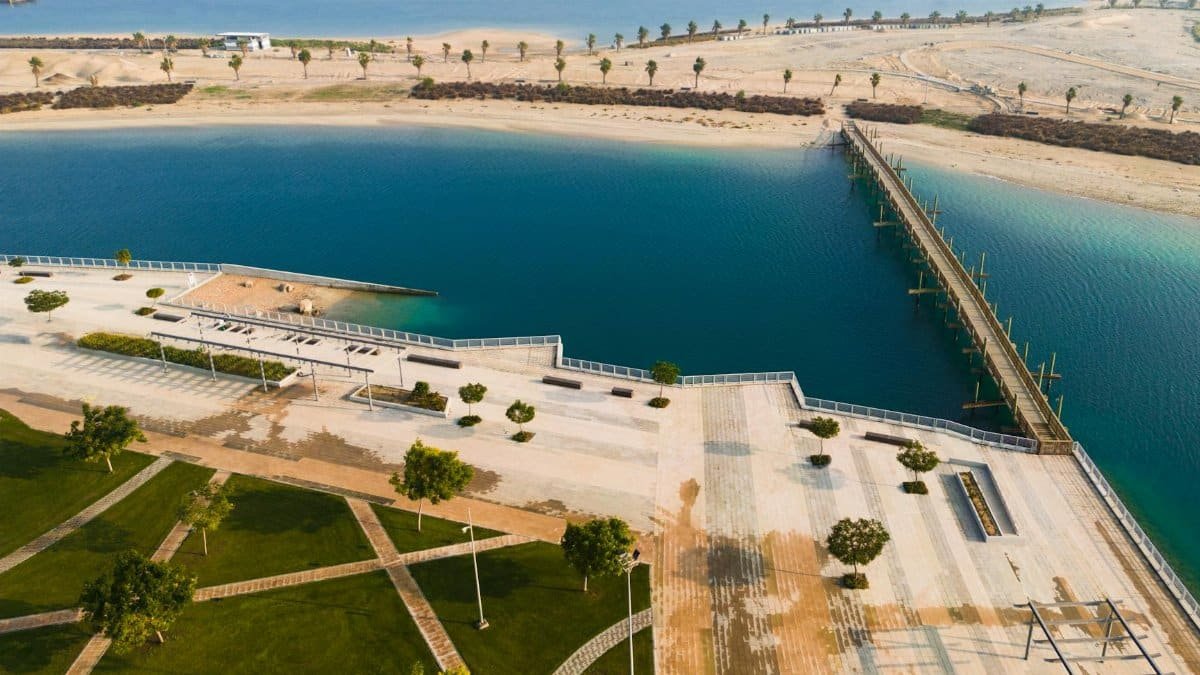
The Salton Sea stretches across the California desert like a forgotten mirror its waters shrinking year by year under the relentless sun. For decades this man made body of water has been synonymous with ecological collapse abandoned resorts and respiratory ailments among nearby residents. Now however scientists and entrepreneurs see something else entirely in its depths and the surrounding brine pools. Vast quantities of lithium crucial for electric vehicle batteries could turn this environmental tragedy into an economic and climatic triumph. The emergence of salton sea lithium has sparked intense interest from automakers and policymakers alike who view it as a domestic source that could reduce reliance on foreign supplies.
This development comes at a critical moment as the world races to decarbonize transportation. With electric vehicles expected to dominate the roads in coming decades securing a steady supply of lithium has become a national priority. The Imperial Valley region long plagued by poverty and health issues from the sea stands to gain substantially if projects move forward responsibly. What was once considered a liability is now being reexamined as a valuable asset. The combination of geothermal energy and mineral extraction presents a unique opportunity that few other places in the country can match.
The Geological Gift Beneath the Surface
Deep below the Salton Sea lies a complex system of geothermal activity that brings mineral rich fluids to the surface. These brines contain significant concentrations of lithium along with other elements. Experts estimate that the region holds enough lithium to supply batteries for more than ten million electric vehicles. A recent assessment by researchers at Lawrence Berkeley National Laboratory suggests the potential here could fulfill a substantial share of national needs for decades to come.
The unique geology stems from the intersection of ancient lake beds and active tectonic forces. Heat from the earth drives water through rock formations dissolving valuable minerals in the process. When this fluid is brought up through geothermal wells the lithium can be separated using advanced methods. This report offers detailed findings on the resource scale and can be viewed at lbl.gov.
Unlike traditional mining operations that tear up vast areas of land this approach leverages existing geothermal infrastructure. It represents a convergence of energy production and material sourcing that could set a new standard for resource development in sensitive environments.
A History of Environmental Neglect
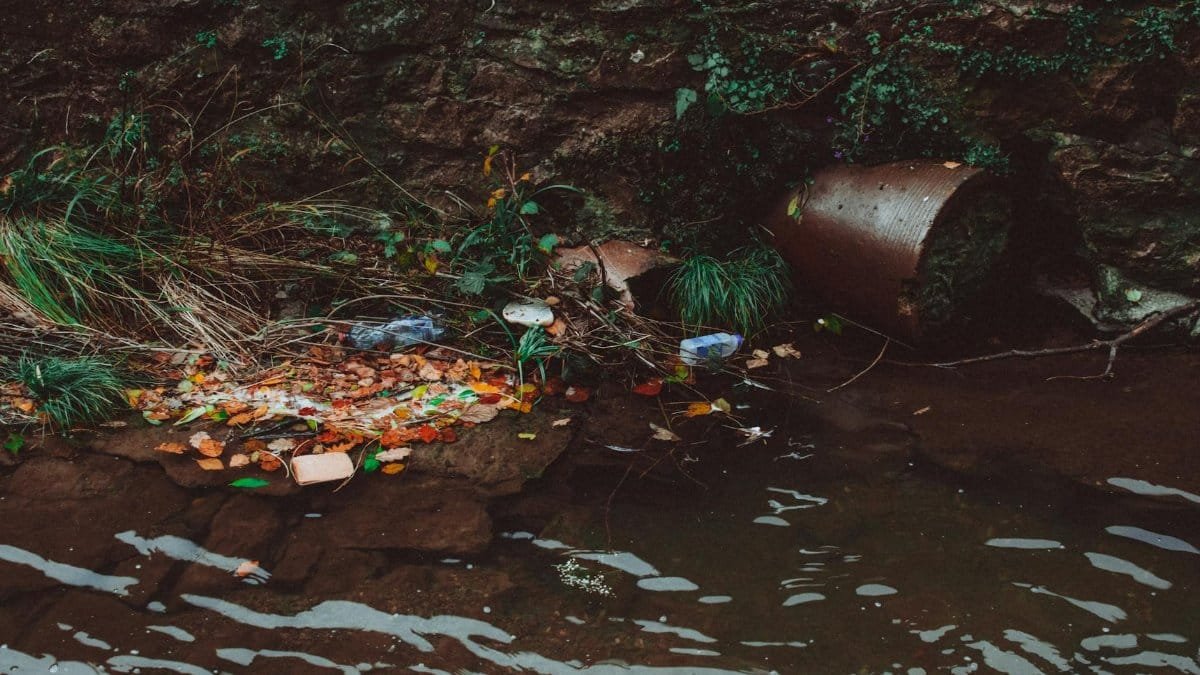
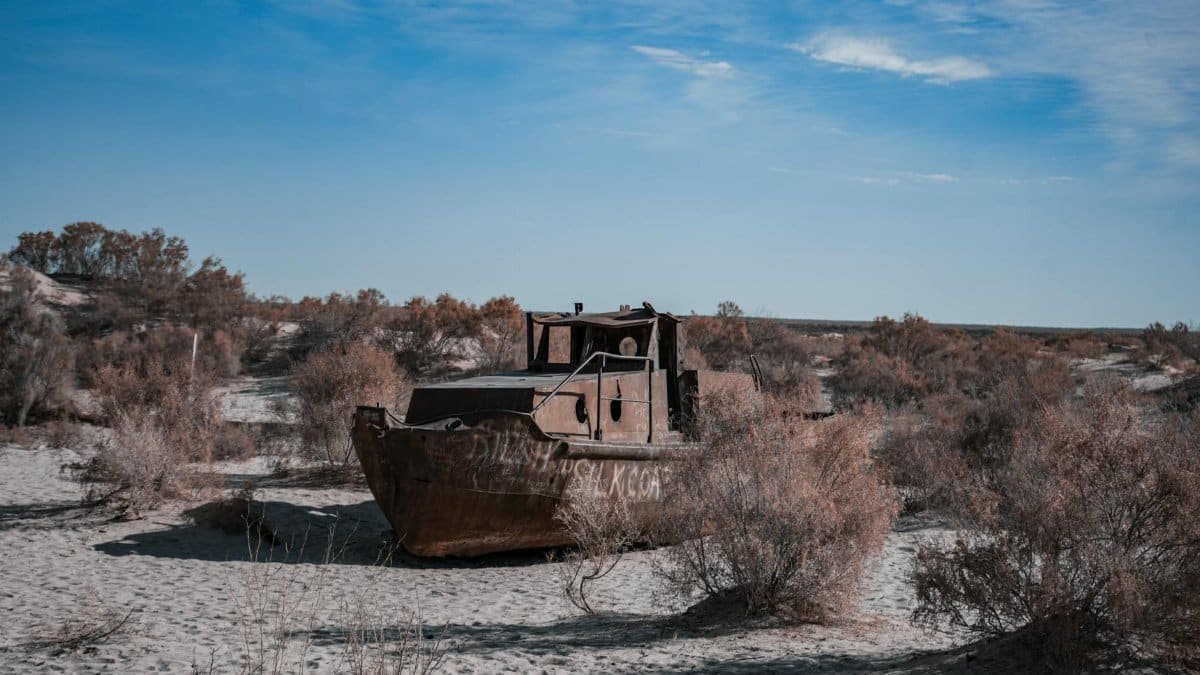
The Salton Sea has long been a poster child for unintended consequences of water management in the American West. As agricultural runoff filled the basin and then inflows decreased the lake began to recede. Exposed lakebed releases dust laced with pesticides and other toxins leading to asthma and other diseases in local populations. Fish die offs have been common as salinity levels rose.
For local tribes and communities this has been more than an environmental issue. It has affected their way of life and cultural practices tied to the land and water. Many middle aged residents recall the days when the area was a tourist destination with water sports and bustling marinas. Those times are long gone replaced by a landscape that appears lunar in its desolation.
Yet this very desolation may now hold the seeds of renewal. The same forces that created the environmental crisis have concentrated lithium in the brines offering a path toward restoration funded by the very resource beneath the troubled waters.
Innovative Extraction Methods Offer Hope

Traditional lithium extraction can be water intensive and environmentally damaging. Companies eyeing the Salton Sea are promising new direct lithium extraction techniques that could minimize harm. These methods use filters or chemical processes to pull lithium from the brine without extensive evaporation that would require large ponds. Some approaches even aim to reinject the processed water back into the ground preserving the geothermal resources for energy production as well.
This dual use for both lithium and clean electricity generation could be a model for sustainable resource development. Pilot projects have shown recovery rates exceeding eighty percent while using far less land than conventional evaporation methods. Engineers are refining these systems to operate efficiently in the harsh desert conditions where temperatures often exceed one hundred degrees.
If successful it would represent a major step forward in aligning mineral extraction with climate goals. The technology builds on decades of geothermal experience in the region creating continuity rather than disruption for workers already familiar with the energy infrastructure.
Economic Opportunities for the Imperial Valley

The Imperial Valley is one of the poorest regions in California with unemployment rates often double the state average. Development of salton sea lithium could bring thousands of jobs in construction engineering and operations. Local leaders hope it will attract investment in education and infrastructure creating a more prosperous future for young people who currently tend to leave for opportunities elsewhere.
Estimates suggest the industry could generate billions in economic activity over the next two decades. This includes not only direct employment but also support services and related manufacturing. Some envision battery production facilities nearby to take advantage of the raw material source reducing transportation costs and emissions.
County officials have begun preparing workforce training programs focused on the skills needed for these emerging industries. The goal is to ensure that the economic benefits flow directly to longtime residents rather than outsiders who might simply commute to temporary positions.
Local Residents Weigh the Benefits and Risks

Opinions in the communities around the Salton Sea are mixed. Some see the lithium boom as a long awaited economic lifeline that could fund restoration efforts for the sea itself. Others worry about increased industrial activity potentially worsening air quality or disrupting the fragile ecosystem that supports migratory birds.
Community meetings have featured passionate debates. Farmers worry about water rights while indigenous groups emphasize the need for consultation and benefit sharing. Any path forward must address these concerns to avoid repeating past mistakes where local voices were ignored.
Advocates are pushing for community benefit agreements that would guarantee funding for health clinics schools and lake restoration projects. These agreements could serve as a template for other regions facing similar transitions from legacy industries to clean technology economies.
The Spiritual Dimension of Land Renewal

Beyond the economic and scientific aspects some view the potential rebirth of the Salton Sea through lithium as a spiritual matter. The transformation of a dying lake into a source of materials for clean energy resonates with themes of redemption and resurrection found in many faith traditions. It symbolizes humanitys capacity to heal what has been damaged and to find light in places once considered lost.
Native American tribes in the region have long held spiritual connections to the land and waters. For them this moment represents an opportunity to restore balance and honor ancestral teachings about stewardship. Spiritual leaders have called for mindful development that respects the earth and considers the long term impacts on all living beings.
In this way salton sea lithium is not just about batteries but about a deeper shift in how society relates to the natural world. It invites reflection on whether technological progress can align with ancient wisdom about living in harmony with creation rather than exploiting it until it breaks.
Technological Advances in Lithium Processing
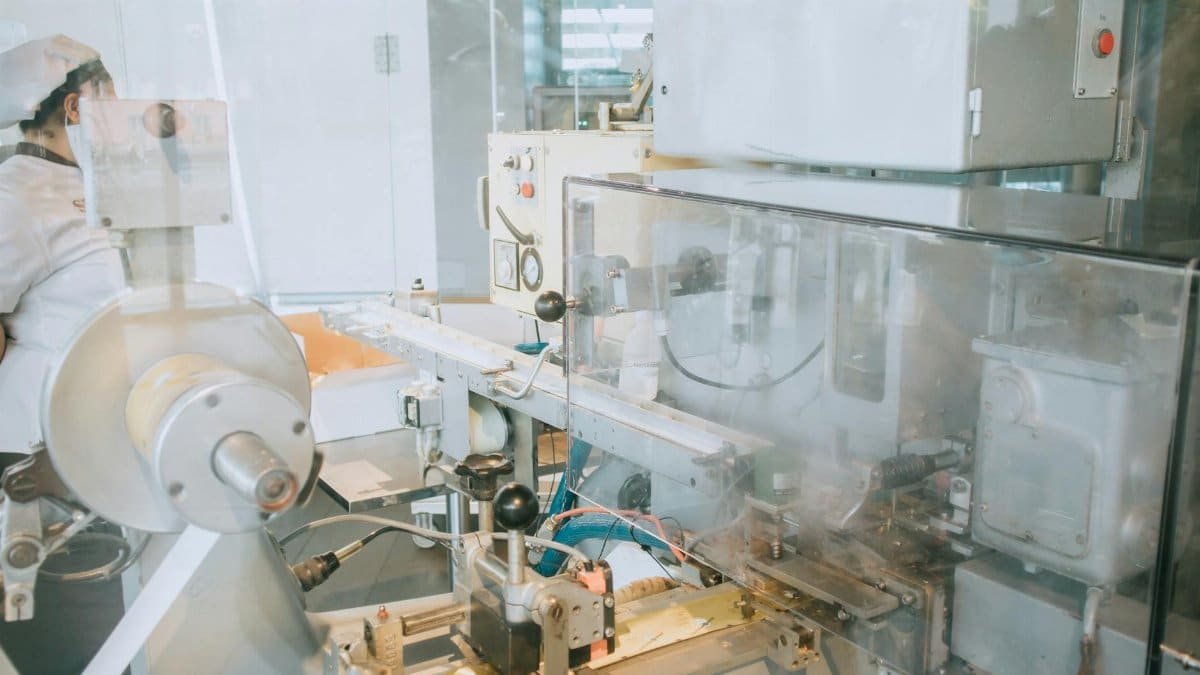
The push to develop salton sea lithium has accelerated innovation in extraction technology. Startups and established energy firms are testing methods that could achieve high recovery rates while using less energy and producing fewer waste products. Advances in membrane technology and selective absorption are at the forefront of these efforts.
Partnerships between universities private companies and government agencies have sped up research. What once seemed like a distant possibility is now moving toward pilot projects and eventual commercial scale operations. These technologies could have applications far beyond California influencing how lithium is sourced globally in more responsible ways.
One particularly promising avenue involves integrating lithium extraction with existing geothermal power plants. The synergy could improve efficiency across both systems creating a closed loop approach that minimizes environmental footprint while maximizing output of both clean power and critical minerals.
Geopolitical Significance in Battery Supply Chains

Currently the United States imports most of its lithium from Australia Chile and China. Dependence on these supplies poses risks especially as demand skyrockets. Domestic production from the Salton Sea would enhance energy security and insulate the electric vehicle industry from international disruptions or price volatility.
Some have dubbed the area the Saudi Arabia of lithium drawing parallels to how oil shaped geopolitics in the twentieth century. While the comparison may be overstated the strategic importance is clear. Policymakers in Washington have taken notice offering incentives and streamlining regulations to accelerate development.
This shift toward domestic sourcing aligns with broader efforts to build resilient supply chains for the clean energy transition. It could strengthen the nations position in global climate negotiations by demonstrating concrete steps toward self sufficiency in critical technologies.
Environmental Safeguards Must Come First
Despite the promise caution remains essential. Extracting lithium even with new methods will alter the landscape and could affect water quality or seismic activity in this geologically active zone. Thorough environmental impact studies are crucial along with ongoing monitoring.
Conservation groups advocate for protections for the wildlife that still depends on the Salton Sea as a stopover. Any project must include plans to mitigate dust emissions and support efforts to stabilize or restore parts of the lake. The goal should be to solve one environmental problem without creating new ones.
Independent oversight boards have been proposed to ensure compliance with the highest standards. These measures would help maintain public trust and prevent the kind of shortcuts that have plagued resource extraction projects in the past.
What the Future Holds for This Desert Sea
If developed thoughtfully salton sea lithium could help California and the nation meet ambitious climate targets while revitalizing a neglected corner of the state. It offers a narrative of hope amid the climate crisis showing that even severely degraded environments might contribute to solutions.
Success will depend on collaboration among all stakeholders including residents scientists industry leaders and environmental advocates. As pilot projects get underway the world will be watching to see if this desert sea can indeed become a cornerstone of the clean energy economy. The story of the Salton Sea is still being written and its next chapter may prove its most important yet.