

**New Study Finds Student Athletes Are Significantly Less Likely to Miss School**
In homes across America the predawn alarm marks the start of a demanding but purposeful day for many high school students. They rise early pull on team gear and head to practice before most of their classmates have finished breakfast. Later they fill seats in biology labs English classrooms and history lectures often displaying a level of focus that surprises even their teachers. Far from appearing exhausted these young people tend to maintain strong academic presence. A major new study has found that student athletes attendance stands out as markedly more consistent than that of peers who do not play sports. The research offers a fresh perspective on how athletic participation shapes not only physical health but also daily habits of commitment and responsibility that reach into the classroom and beyond.
The Study That Changed Perspectives

The research published by education analysts and featured in a detailed Washington Post investigation examined attendance records from more than one hundred thousand public school students across several states. After controlling for family income academic background and other variables the data showed student athletes were twenty five percent less likely to miss school regularly. Only eight percent of athletes qualified as chronically absent compared with nineteen percent of non athletes. These numbers arrive at a moment when many districts continue to struggle with post pandemic disengagement. The findings suggest that sports may function as an unexpected anchor helping young people stay connected to their education even when life grows complicated. The full analysis can be found at this Washington Post report.
What the Numbers Actually Reveal

Beyond the headline figures the study uncovered patterns that challenge common assumptions. Athletes in team sports such as soccer basketball and baseball showed the strongest attendance records while individual sport participants still outperformed non athletes. The gap widened among students from lower income families where sports appeared to provide crucial structure and motivation. Researchers noted that the effect remained consistent across both urban and rural districts. This research on student athletes attendance offers school leaders concrete evidence that investing in athletic programs may simultaneously improve academic engagement. The consistency of these results across diverse populations gives the conclusions unusual strength.
The Power of Team Accountability

Coaches repeatedly emphasize that missing school hurts the entire team. Players understand their absence creates extra work for teammates and weakens collective performance. This shared responsibility appears to translate into better overall habits. One longtime coach in Ohio described how team captains often check on absent players and encourage them to attend makeup sessions or seek academic help. The social fabric of athletics creates natural incentives that textbooks alone cannot provide. Students know their presence matters to people beyond themselves and this awareness seems to strengthen their resolve to show up even on difficult days.
Spiritual Lessons Found in Regular Attendance

Within many spiritual traditions the simple act of showing up carries profound meaning. It represents faithfulness to community dedication to growth and respect for the gifts one has been given. For many student athletes the daily discipline of attending both practice and class becomes a form of lived spiritual practice. They learn that meaningful participation requires consistency even when motivation runs low. This mirrors teachings found across faith traditions that emphasize perseverance and presence. Several athletes interviewed for related reporting described sports as teaching them to value commitment as a sacred responsibility. In this light student athletes attendance reflects deeper character formation that extends well beyond the scoreboard.
Balancing Academics With Athletic Demands

Critics sometimes argue that sports pull students away from their studies yet the data tells a different story. Many athletic programs maintain strict academic eligibility rules that actually encourage better classroom performance. Students who wish to compete must maintain certain grade point averages and complete assignments on time. This external accountability appears to help many young people organize their responsibilities more effectively. Teachers reported that athletes often demonstrate stronger time management skills and greater willingness to seek help when falling behind. The structure of sports seems to support rather than undermine academic success for many participants.
Voices From Coaches and Mentors
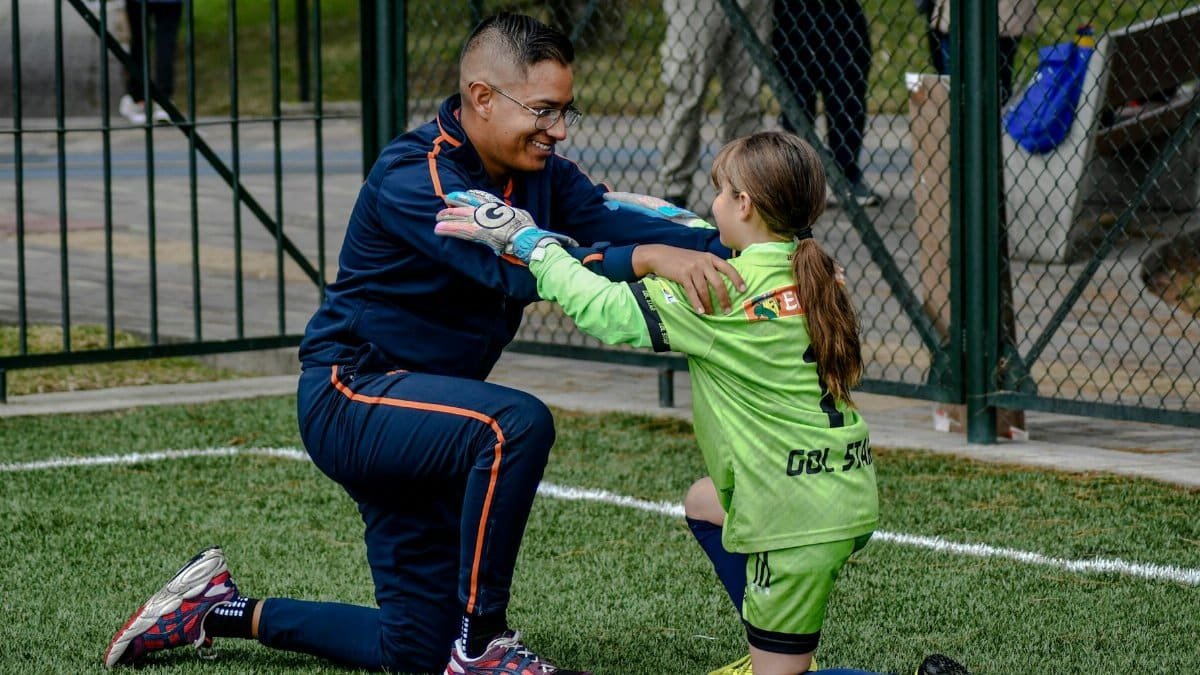
Longtime coaches describe attendance as the foundation of everything they teach. One football coach in Michigan explained that he begins every season stressing that showing up is the most important skill an athlete can develop. He believes this lesson transfers directly to adult life. Academic counselors working with athletic teams note that players tend to utilize tutoring services more consistently than other students. These professionals witness daily how the culture of athletics fosters a sense of duty that influences all areas of life. Their observations align closely with the statistical evidence emerging from the new research.
Insights From Parents and Educators

Parents of student athletes frequently report that sports transformed their childrens approach to school. Many describe watching their teenagers develop greater maturity and self discipline after joining a team. Teachers echo these observations noting that athletes often display better classroom behavior and stronger peer relationships. One high school principal observed that athletic participation seems to give students a sense of belonging that reduces the desire to disengage from school entirely. These qualitative accounts provide important context for the quantitative data showing improved student athletes attendance across diverse communities.
Challenges That Still Require Attention

While the overall findings are encouraging important caveats remain. Not every student possesses the physical ability or interest to participate in competitive sports. Some athletes face injuries or burnout that can disrupt their progress. Rural schools with limited athletic offerings may not experience the same benefits. Additionally the study authors caution against using these results to justify cutting other support programs that help non athletes stay engaged. The research highlights the value of sports without suggesting they serve as a complete solution for every student facing attendance challenges.
Policy Changes That Could Support Young Athletes
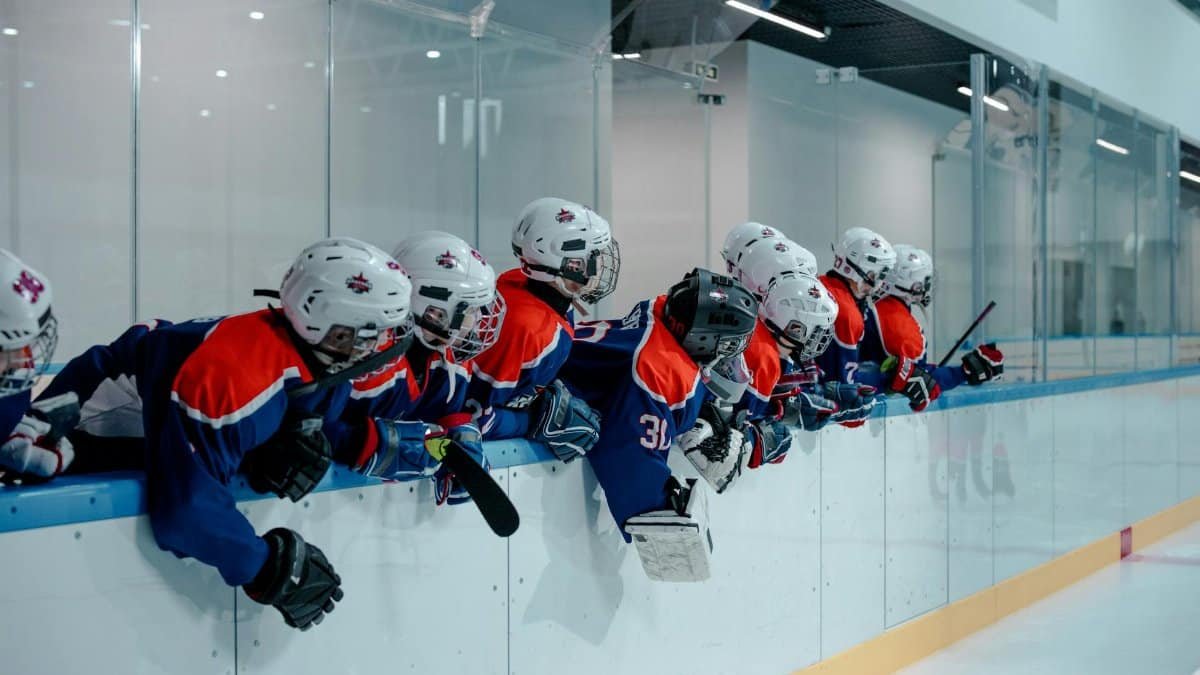
Education leaders are now considering how to build upon these insights. Some districts are exploring ways to expand access to sports for students from all economic backgrounds including covering equipment costs and transportation. Others are examining how to integrate athletic values of discipline and teamwork into the broader school culture. The study provides evidence that maintaining strong athletic programs delivers benefits that reach far beyond physical fitness. Policymakers interested in improving attendance would be wise to view sports as a strategic investment rather than an optional extracurricular activity.
Looking Ahead With Renewed Purpose

This research arrives at a pivotal time when communities seek effective ways to reconnect young people with their education and with one another. The evidence suggests that student athletes attendance reflects something deeper than mere compliance with rules. It points toward the human need for purpose belonging and daily accountability. When young people feel part of something larger than themselves they become more likely to show up fully in all areas of life. The spiritual dimension of this commitment deserves recognition alongside the practical benefits. As schools navigate ongoing challenges the example set by student athletes offers both hope and practical direction for creating environments where more young people choose to be present every day.
The study ultimately reminds us that education succeeds best when it engages the whole person. Sports provide one powerful pathway toward that engagement teaching lessons of discipline community and perseverance that have echoed through spiritual traditions for centuries. By supporting student athletes schools may discover they are also building stronger more resilient learning communities for everyone involved.