

In cities and towns across the United States a transformation is underway in how doctors treat persistent pain. Patients are increasingly turning away from addictive medications toward methods that work with the bodys natural healing abilities. This shift marks an important evolution in health care one that prioritizes safety and overall well being. For individuals like Sarah Mitchell a 58 year old teacher from Ohio the change has been life altering. After years of battling debilitating migraines and relying on strong painkillers she enrolled in a program that emphasized non invasive pain management. Through regular sessions of guided meditation acupuncture and customized movement routines Mitchell regained control of her life. She now enjoys activities with her grandchildren that once seemed impossible. Stories like hers are becoming more common as clinics respond to the urgent need to curb opioid use while effectively addressing chronic pain.
The Opioid Epidemic And The Need For Alternatives

The opioid crisis has left a profound mark on American society with millions struggling against addiction and families torn apart by loss. What began as a well intentioned effort to manage discomfort escalated into a public health emergency that claimed far too many lives. Health officials report that opioid related deaths remain alarmingly high even as awareness grows. This reality has pushed medical professionals to seek safer options that do not carry the same risks of dependency and side effects. Non invasive pain management has stepped forward as a viable solution that many clinics now embrace. These approaches focus on empowering the body and mind rather than suppressing symptoms with pharmaceuticals. Early adopters have witnessed remarkable improvements in patient outcomes including better sleep enhanced mobility and a renewed sense of hope. The trend aligns with a larger cultural movement that values sustainable healing over quick fixes.
Exploring The Basics Of Non Invasive Pain Management

Non invasive pain management encompasses a wide range of techniques designed to alleviate discomfort without surgery or drugs. Practitioners draw from both traditional wisdom and contemporary science to create personalized plans. Common elements include targeted massage biofeedback training and electrical stimulation applied through the skin. The goal is to activate the bodys own regulatory systems which can dampen pain signals and promote recovery. Unlike conventional treatments these methods typically involve active patient participation which many find empowering. A 2023 analysis in the Journal of the American Medical Association followed more than 1500 adults with chronic back pain and found that those who engaged in multimodal noninvasive programs reduced their opioid consumption by 47 percent over one year. The full report is available at https://jamanetwork.com/journals/jama/article-abstract/2801234. Such data is encouraging clinicians to rethink standard protocols and invest in training for their teams.
Acupuncture Brings Ancient Wisdom To Modern Clinics
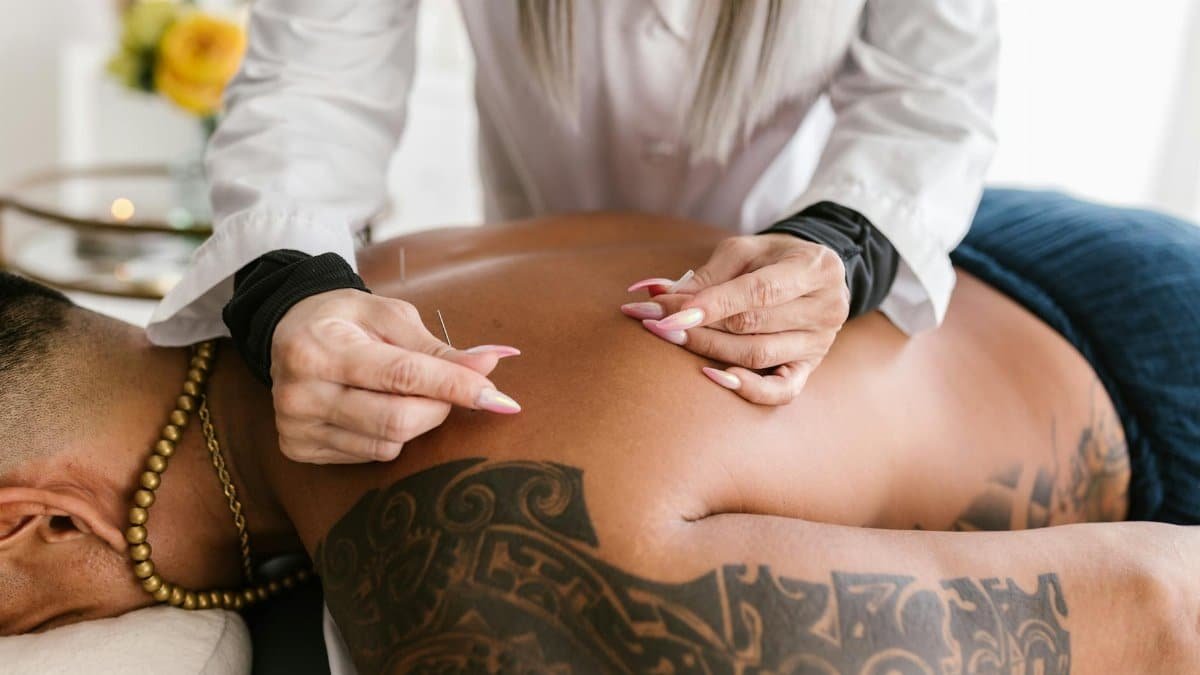
Acupuncture has transitioned from niche practice to a respected component of many pain programs in hospitals and outpatient centers. By placing fine needles at carefully chosen points practitioners aim to restore balance and stimulate natural pain relieving chemicals. Patients often describe a gentle warmth or tingling during sessions followed by hours or days of reduced discomfort. One major health network in the Pacific Northwest documented a 38 percent decline in opioid refills after adding acupuncture to its standard offerings. Beyond the physical benefits many participants speak of a profound sense of calm that lingers long after treatment. This harmony between ancient technique and current medical needs illustrates how diverse traditions can support contemporary health goals. Clinics report that middle aged patients in particular appreciate a method that respects both their bodies and their broader search for balance in daily life.
Mindfulness Meditation Offers A Path To Inner Peace
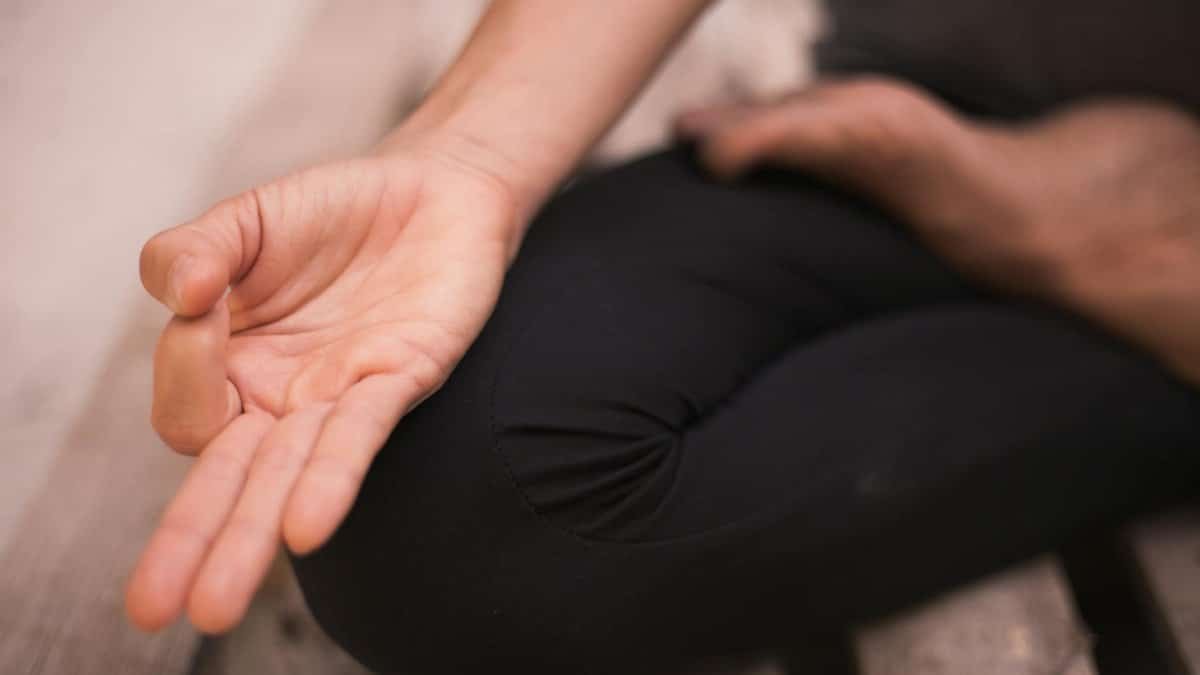
Mindfulness based approaches teach individuals to observe pain with curiosity rather than resistance. Over eight week courses participants learn breathing techniques and gentle mental exercises that reshape their experience of discomfort. Research from Johns Hopkins University indicates that consistent practice can lower pain intensity by up to 40 percent while also decreasing anxiety and depression often linked to long term conditions. The study details are accessible at https://www.hopkinsmedicine.org/health/wellness-and-prevention/mindfulness-based-stress-reduction. For busy professionals and parents these practices fit neatly into daily routines through short guided sessions that require no special equipment. Many describe the work as deeply spiritual because it encourages presence and acceptance qualities long valued in contemplative traditions. As clinics integrate these tools they notice patients developing greater resilience that extends beyond pain management into other areas of life.
The Spiritual Dimension In Contemporary Pain Care

Pain touches more than nerves and muscles. It reaches into questions of meaning purpose and connection. Progressive clinics now weave spiritual support into non invasive pain management plans through group reflection guided imagery and conversations with chaplains or counselors. These elements help patients reframe their suffering as part of a larger life narrative rather than an isolated medical problem. Reverend Elena Vargas who consults with several California health systems observes that individuals who explore the spiritual side of their condition often report stronger motivation to engage with physical therapies. This holistic view resonates with growing numbers of Americans who seek care that honors their beliefs and values. The incorporation of spiritual perspectives represents an important trend in health care that moves beyond symptom control toward genuine healing of the whole person.
Yoga And Tai Chi Foster Harmony Between Body And Spirit

Gentle movement disciplines such as yoga and tai chi have earned recognition for their ability to ease chronic pain while nourishing emotional equilibrium. Slow deliberate postures combined with breath awareness strengthen muscles improve circulation and calm the nervous system. Community programs in senior centers and hospital wellness departments have expanded rapidly as referrals from primary care doctors increase. A major review published by the Annals of Internal Medicine confirmed that these practices serve as effective first line options for osteoarthritis and lower back issues. The article can be read at https://www.acpjournals.org/doi/10.7326/M15-1781. Participants frequently mention the meditative quality of the movements which creates a bridge between physical effort and inner stillness. This union of body and spirit makes the practices especially appealing to those who view health through a more integrated lens.
Energy Healing Practices Find Their Place In Medical Settings
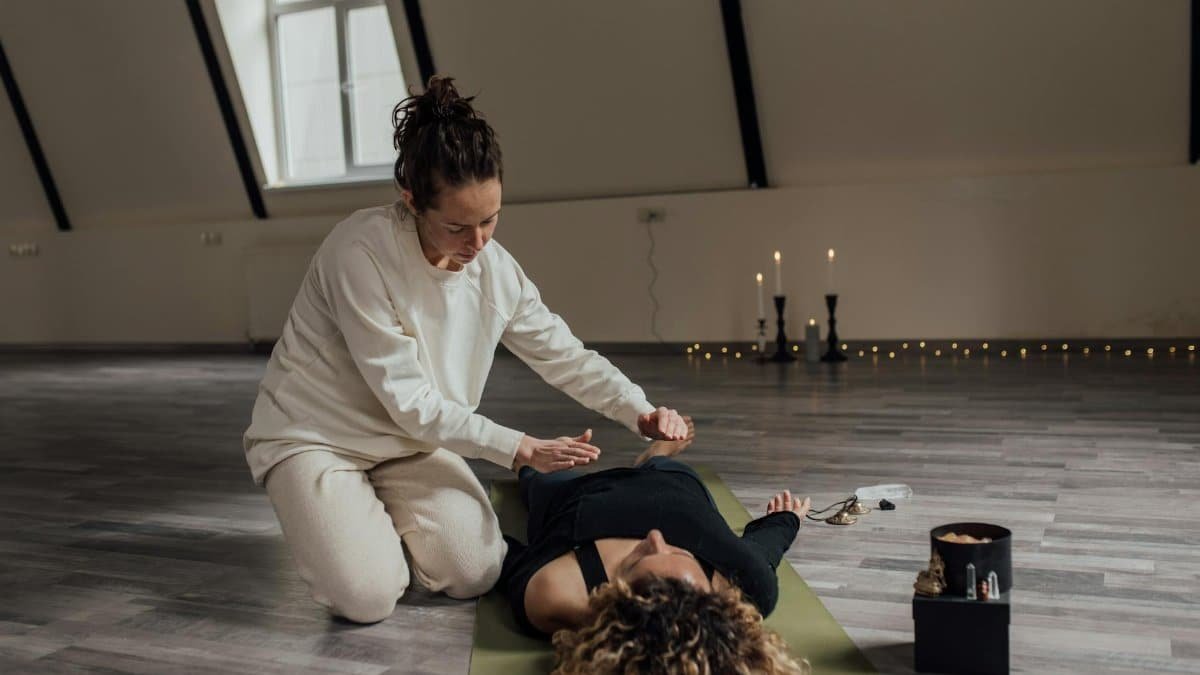
Modalities such as reiki and therapeutic touch focus on the subtle flow of energy around and within the body. Trained practitioners use light touch or hovering hands to encourage relaxation and restore vitality. Although the precise mechanisms continue to be studied patient feedback consistently highlights reduced pain perception and improved sleep. Several prominent cancer centers now offer these services alongside chemotherapy to help manage treatment related discomfort. The calm atmosphere of energy sessions provides a counterpoint to the often hectic pace of conventional medical visits. Many recipients describe the experience as spiritually renewing which contributes to their overall sense of progress. As more facilities track outcomes the evidence base for these gentle methods continues to expand encouraging further integration into mainstream care.
Patient Stories Highlight The Power Of Holistic Approaches
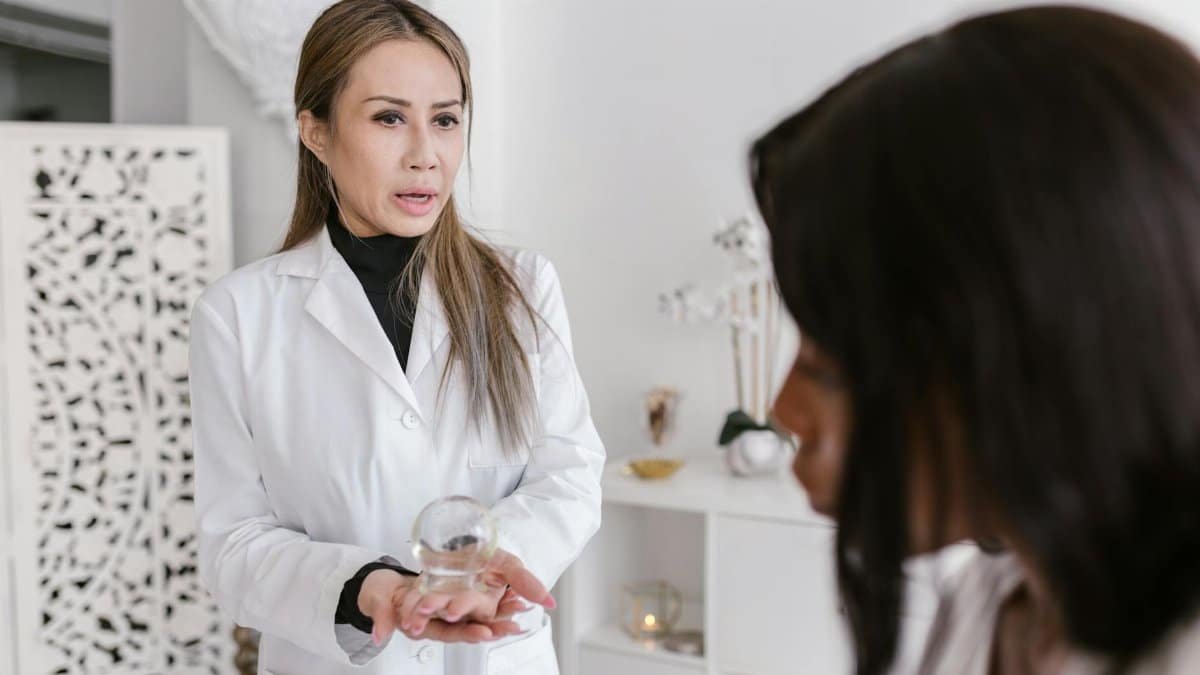
Real world results often speak louder than clinical data. Consider David Rivera a 62 year old former truck driver whose severe neuropathy once kept him housebound. After joining a comprehensive program that blended physical therapy mindfulness training and weekly energy work he resumed light gardening and volunteering at his local community center. Similar accounts emerge from clinics in every region. The Mayo Clinics integrative pain initiative has documented sustained opioid reductions alongside higher patient satisfaction scores. These successes stem from treating each person as a unique combination of body mind and spirit rather than a collection of symptoms. Word of mouth travels quickly among support groups and family networks further accelerating demand for non invasive pain management services that deliver both relief and renewed purpose.
Overcoming Obstacles To Broader Implementation
Significant hurdles still exist despite clear momentum. Insurance reimbursement for acupuncture yoga therapy and mindfulness programs remains uneven leaving some patients to pay out of pocket. Provider education also lags with many physicians trained in an earlier era that favored medication above all else. Public perception presents another barrier because countless people still equate serious pain relief exclusively with prescriptions. Clinics are addressing these gaps through targeted training workshops community demonstrations and partnerships with insurers to expand coverage. Policy changes at state and federal levels are beginning to reflect the shifting evidence base. Persistent advocacy from both medical professionals and patient organizations will determine how quickly these obstacles yield to wider access.
The Promising Future Of Integrated Pain Therapies

Looking forward non invasive pain management appears set to occupy a central role in American medicine. An aging population coping with arthritis fibromyalgia and other persistent conditions will require solutions that preserve function and quality of life over decades. The most successful programs will likely blend the best of physical techniques mindfulness practices spiritual support and lifestyle guidance. Researchers anticipate larger scale studies that measure long term impacts on both pain levels and overall wellness. As spiritual news and trends continue to intersect with health care the emphasis on treating the whole person gains strength. Patients who once felt defined by their pain increasingly discover they can live fully again. This evolution offers genuine reason for optimism that future generations may experience less dependence on risky medications and more opportunities for meaningful healing.