
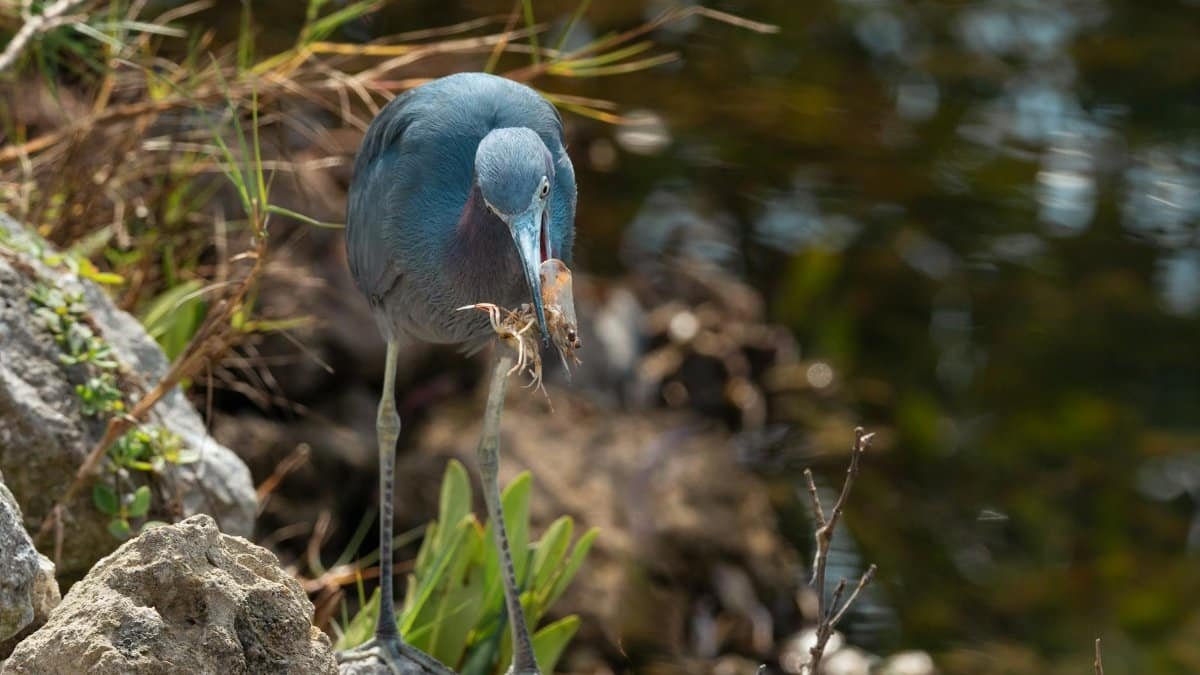
The first light of day filters through the cypress trees as a symphony of bird calls fills the air. Great egrets stand tall in the shallows while roseate spoonbills sweep their distinctive bills through the water in search of food. Below the surface largemouth bass and colorful sunfish dart among the vegetation. These vibrant scenes which were fading from memory have returned to parts of Florida thanks to innovative florida wetland restoration projects. By focusing on native plantings and natural water flows these initiatives have sparked a massive surge in wildlife populations. The success offers hope not only for the environment but also for those who find solace and inspiration in the natural world. What began as targeted conservation has revealed something larger about resilience and the quiet power of working with nature rather than against it.
Understanding The Historical Losses In Florida Wetlands
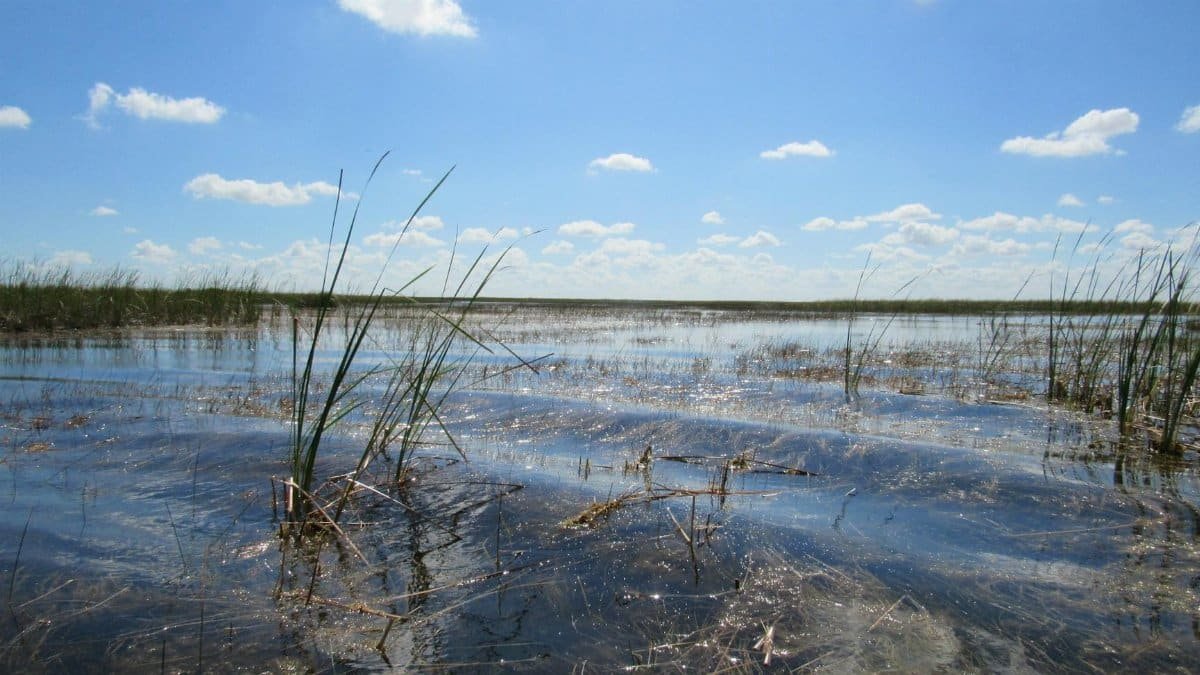
For many decades the states unique wetlands faced steady decline. Drainage for agriculture and urban development altered the natural landscape in profound ways. Canals and levees changed water patterns causing some areas to dry out while others became too flooded. The results were predictable yet troubling. Species that depended on these habitats began to disappear or struggle for survival. Water purification services that wetlands naturally provide were lost leading to pollution in the broader ecosystem. Many residents watched these changes with a sense of quiet sadness remembering childhood trips to marshes now replaced by housing developments.
The cumulative impact threatened both biodiversity and the quality of life that draws so many people to Florida. By the end of the twentieth century more than half of the original wetland acreage had vanished according to historical records from state agencies. This degradation happened gradually enough that many failed to notice until it was well advanced. Yet the consequences extended far beyond the wetlands themselves. Reduced habitats meant fewer opportunities for birdwatching fishing and simple enjoyment of nature.
The Power Of Native Plantings In Wetland Revival
At the heart of recent successes lies a simple yet effective strategy. Restoration teams have prioritized the use of plants that originally grew in these areas. These native species are adapted to local conditions and support a wide array of insects birds and other creatures. When compared with non native alternatives the difference is striking. Native plantings create complex habitats that provide food shelter and nesting sites. In several projects across central and south Florida crews have planted thousands of acres with species like sawgrass cordgrass and various aquatic plants. The results have exceeded expectations with rapid establishment of vegetation that in turn supports wildlife.
Experts emphasize that this approach mimics natural processes rather than imposing artificial solutions. One project near Lake Okeechobee has become a model for others with its careful selection of plant varieties and timing of introductions. Volunteers from many backgrounds work alongside professionals to ensure the plants take root and thrive. The deliberate choice of native flora has proven far more successful than earlier attempts that relied on imported species ill suited to the local climate and soils.
Birds Return In Numbers Once Thought Impossible

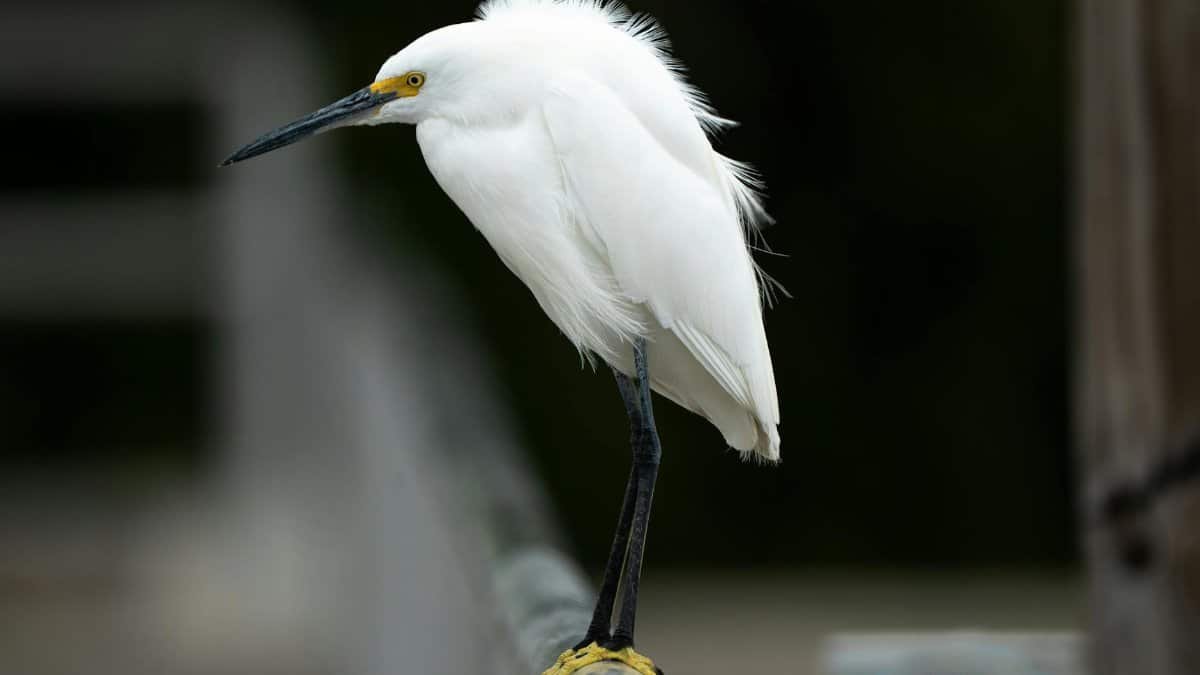
The most visible sign of progress appears in the skies and along the water edges. Bird counts have risen dramatically in restored zones. Some species have seen their numbers multiply several times over within just a few years. Wood storks which are an indicator species for wetland health have established new breeding colonies. Herons egrets and ibises gather in numbers not seen in decades. Migratory birds have also responded positively using the revived areas as critical stopping points on their long journeys.
Data collected by ornithologists reveals increases of up to three hundred percent for certain wading birds. These figures come from systematic surveys conducted before and after restoration activities. The return of birds has brought joy to longtime residents and attracted new visitors eager to experience the renewed vitality of these places. For many the sight of flocks filling the sky serves as a powerful reminder of natures resilience when given the chance to recover. The auditory landscape has changed as well with dawn choruses growing richer and more varied each season.
Fish And Aquatic Life Rebound Strongly
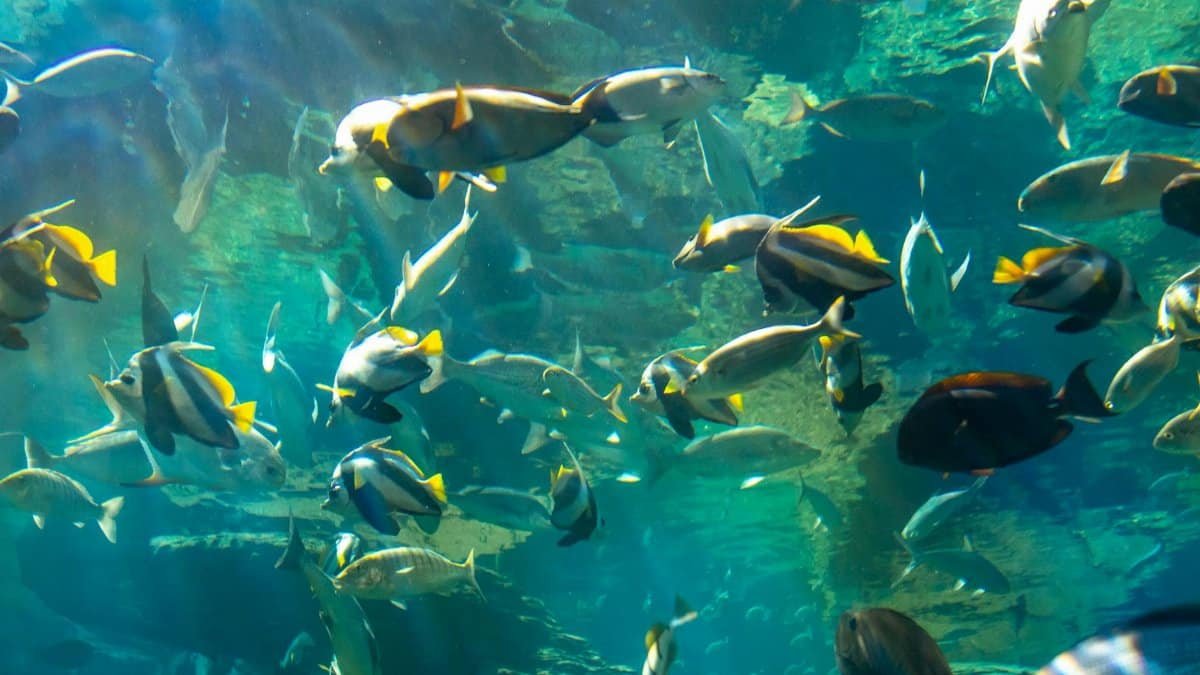
Beneath the surface the changes are equally impressive. Fish populations have surged in restored wetlands with game fish like bass and bream showing substantial gains. The dense vegetation provides nursery areas for young fish protecting them from predators and offering abundant food sources. Invertebrates such as crayfish and insects have also proliferated forming the base of a healthy food chain. Water clarity has improved as the plants filter nutrients and sediments naturally.
Studies indicate that fish biomass in some areas has doubled or even tripled compared to degraded sites. This rebound has benefits for both the ecosystem and local economies dependent on recreational fishing. Anglers report better catches and a greater variety of species. The restoration of natural water flows has reduced harmful algae blooms and improved overall water quality creating conditions where aquatic life can flourish across multiple generations.
Communities Come Together Around Conservation

Restoration projects have succeeded in large part because they engage local people directly. Volunteers from nearby towns participate in planting days educational workshops and monitoring programs. Schools bring students to the sites to learn about ecology and the importance of conservation. This hands on involvement builds a sense of ownership and commitment to the success of the wetlands. Neighbors who once had little contact now share stories and labor in the mud together.
Faith based groups have found particular meaning in these activities seeing wetland restoration as a form of stewardship that aligns with their values of caring for creation. The spiritual dimension adds depth to the work as participants describe feelings of peace and purpose while working to rebuild these vital ecosystems. The projects have become gathering places where practical labor meets deeper reflection on humanitys place in the natural order.
What The Science Says About These Gains

Rigorous studies support the anecdotal evidence of recovery. Researchers from several universities have tracked changes in biodiversity water quality and habitat structure. Their findings consistently show positive outcomes from well planned florida wetland restoration. One key paper published in a leading ecology journal details how native plant diversity correlates strongly with wildlife abundance. The report can be found at https://www.fws.gov/floridawetlandresearch.
Another analysis from the Florida Fish and Wildlife Conservation Commission highlights the effectiveness of these projects compared with other conservation methods. By allowing natural processes to do much of the work the initiatives achieve more with less ongoing intervention. These insights help guide future projects and build confidence among funders and policymakers. The data paints a clear picture of rapid measurable improvement when the right conditions are restored.
Finding Spiritual Renewal In Revived Landscapes
Beyond the measurable increases in wildlife many participants speak of deeper benefits. Spending time in these recovering landscapes offers a chance to reconnect with the natural world in ways that feel profoundly moving. The act of restoration itself can be a meditative practice fostering patience and hope as one watches the slow but steady return of life. In an age of rapid change and digital distraction these places provide spaces for reflection and renewal.
Trends in spiritual seeking have increasingly turned toward nature as a source of comfort and insight. Wetland restoration projects bring together people from diverse backgrounds united by a shared desire to heal the land and in the process find healing themselves. Stories abound of individuals who discovered new purpose through their involvement whether planting seedlings or advocating for protection of these areas. This convergence of conservation and spirituality represents an important development in how communities approach environmental challenges. Many describe the work as a form of prayer in action one that grounds them in something larger than themselves while producing tangible results on the ground.
Obstacles That Test Restoration Teams

Despite the successes significant hurdles remain. Climate change brings rising sea levels and altered rainfall patterns that could undo some gains. Invasive species continue to threaten native plants and animals requiring constant vigilance. Funding for large scale projects can be difficult to secure in the face of competing budget priorities. Coordination among different agencies and private landowners adds another layer of complexity to the endeavor.
Teams involved in the work have learned to adapt their strategies based on emerging conditions. They monitor changes closely and adjust their methods accordingly. Public support remains crucial for overcoming these obstacles and maintaining momentum in the years ahead. The resilience shown by both the ecosystems and the people dedicated to them offers encouragement even when progress feels slow.
Economic Benefits That Extend Beyond Nature

The benefits of florida wetland restoration extend into the economic realm as well. Property values near restored areas tend to rise as the natural amenities improve. Tourism related to birdwatching and nature tours brings revenue to local businesses. Commercial fisheries benefit from healthier stocks that originate in the nursery habitats of the wetlands. These gains create a virtuous cycle that supports further investment in conservation.
Additionally the natural water filtration provided by wetlands reduces the need for expensive treatment facilities saving taxpayers money. When economic factors align with ecological and spiritual ones the support base grows broader and more sustainable. Local economies once dependent on draining wetlands have begun to thrive through their protection instead.
Florida Offers Lessons For Global Wetland Recovery
What has unfolded in the Sunshine State holds valuable insights for wetland projects around the world. The emphasis on native species the integration of community participation and the attention to both scientific and spiritual aspects provide a comprehensive model. Delegations from other states and countries have visited to observe the methods and results firsthand. The scale of some projects here shows what can be achieved with sufficient commitment and resources.
By demonstrating that substantial wildlife recovery is possible even in heavily altered landscapes Florida inspires similar efforts elsewhere. The knowledge gained through trial and careful observation travels far beyond state borders offering both practical techniques and a sense of optimism about the potential for positive change. Other regions facing wetland loss now look to these successes as proof that reversal is within reach.
The Path Forward For Lasting Protection

Looking to the years ahead the trajectory appears promising if current efforts continue and expand. New projects are in planning stages building on the knowledge gained from initial successes. Technology such as remote sensing and genetic analysis of plant stocks promises to enhance restoration precision. Education programs aim to cultivate the next generation of stewards who will carry the work forward with both skill and reverence.
The massive surge in wildlife populations serves as a beacon highlighting what is possible when society chooses to invest in the natural systems that sustain us. For those who have witnessed the transformation the experience reinforces a sense of wonder and responsibility toward the environment. In restoring the wetlands Florida is not only reviving its wildlife but also nurturing the human connections to the land that enrich our lives in countless ways. The story remains unfinished yet the chapter written so far inspires continued dedication from all who care about the future of these vital places.