

When John Reynolds hit 52 he felt the familiar aches and wondered if his best days in the gym were behind him. Like many in their fifties he had heard that muscle loss was just a natural part of getting older. But after adopting a targeted approach he not only halted that decline but added noticeable size and strength to his frame. His experience is far from unique. Growing numbers of men are discovering that it is possible to build muscle over 50 when they follow a plan grounded in current scientific understanding. This workout strategy takes into account the unique needs of the aging body from reduced recovery capacity to hormonal shifts while still delivering the stimulus necessary for growth. The result is a sustainable path to physical vitality that enhances daily life far beyond aesthetics.
Challenging The Assumption That Muscle Loss Is Inevitable

For decades the narrative has been that after 40 muscle mass begins a steady irreversible decline known as sarcopenia. However studies indicate that much of this loss stems from inactivity rather than age alone. A 2022 review in the Journal of Cachexia Sarcopenia and Muscle found that properly designed resistance programs can restore muscle mass in men over 50 at rates comparable to those in their thirties when nutrition and recovery are optimized. The men who succeed refuse to accept decline as destiny. They view their bodies as projects of ongoing creation rather than vessels in slow decay.
The Science Of Muscle Protein Synthesis In Later Years

Muscle growth depends on protein synthesis outpacing breakdown. After 50 this balance shifts due to anabolic resistance yet research shows the problem can be overcome. A study from the University of Birmingham demonstrated that older adults required slightly higher protein doses around 0.4 grams per kilogram of body weight per meal to maximize synthesis. Combine this with the mechanical tension from heavy lifting and the metabolic stress from strategic repetition ranges and the body responds with remarkable adaptability. The biological machinery does not disappear with age. It simply needs clearer instructions delivered with greater consistency.
Crafting A Workout Split That Respects Recovery Needs

This science backed plan uses a four day split that balances stimulus with recovery. Two upper body sessions and two lower body sessions alternate throughout the week leaving three full rest days. Monday focuses on upper body pressing movements. Tuesday targets lower body strength. Thursday emphasizes upper body pulling exercises while Friday finishes with lower body hypertrophy work. The schedule avoids the common mistake of training muscle groups too frequently which often leads to overtraining in men over 50. Instead it allows 72 to 96 hours between similar sessions giving connective tissue and the central nervous system ample time to adapt.
Foundational Exercises That Deliver The Greatest Returns

Compound movements remain the cornerstone. The plan prioritizes variations that protect the joints while maximizing muscle recruitment. Goblet squats replace traditional barbell back squats to reduce spinal compression. Romanian deadlifts performed with controlled form strengthen the posterior chain without excessive strain. Bench presses are done with a neutral grip dumbbell variation to spare the shoulders. Weighted pull ups or lat pulldowns build the back while seated cable rows reinforce posture. Overhead presses are performed seated with dumbbells to minimize lower back involvement. Each movement is chosen for its efficiency and its safety profile for men in their fifties and sixties.
Fine Tuning Your Training Intensity And Volume

Progressive overload remains essential but the method changes after 50. Instead of constantly adding weight the plan cycles between accumulation phases and intensification phases. During accumulation weeks the focus sits on moderate weights taken to two reps short of failure across three or four sets. Intensification weeks reduce volume but increase load while staying within safe ranges. Repetition targets fall between six and twelve for most movements. This range has been shown in multiple studies including research from McMaster University to produce optimal hypertrophy across all adult age groups. The key is consistency across months rather than dramatic weekly progressions that invite injury.
Fueling Growth With Targeted Nutrition Strategies

Nutrition may matter more after 50 than during younger decades. The plan recommends 1.6 to 2.0 grams of protein per kilogram of body weight spread across four or five meals. Timing matters less than total daily intake yet many men benefit from consuming 30 to 40 grams of protein within two hours after training. Carbohydrate intake supports workout performance and recovery with particular emphasis placed on the post workout window. Healthy fats from olive oil avocados and fatty fish help maintain hormone production especially testosterone which declines gradually with age. A typical daily meal framework includes eggs and vegetables at breakfast a large salad with grilled chicken at lunch a post workout shake a substantial dinner featuring salmon or grass fed beef and a small casein rich snack before bed.
The Critical Importance Of Rest And Active Recovery

Recovery strategies separate those who build muscle over 50 from those who stall. The plan incorporates deliberate practices including nine hours of sleep when possible daily mobility work and weekly contrast showers. One rest day includes a long walk in nature which research from the University of Michigan links to reduced cortisol levels. Soft tissue work through foam rolling or massage guns prevents the tightness that accumulates faster with age. Perhaps most importantly the program builds in deload weeks every sixth week where volume drops by 50 percent. These periodic reductions prevent the creeping fatigue that derails many well intentioned lifters in their middle years.
Blending Physical Training With Mindful Awareness
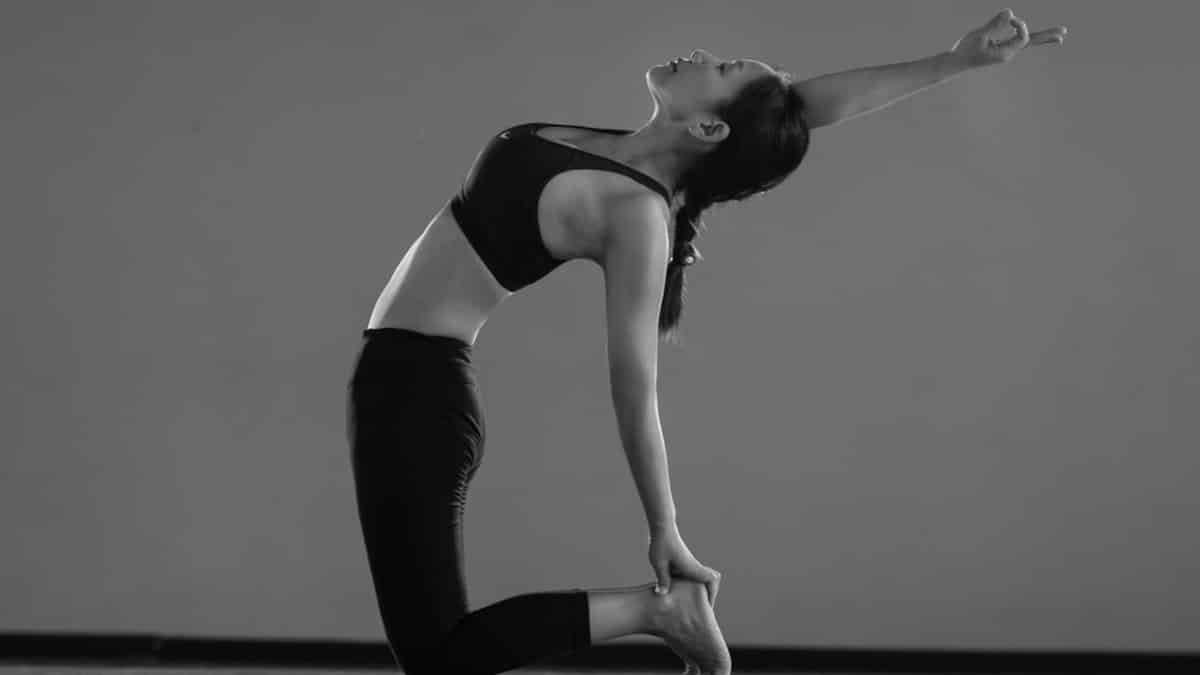
Strength training offers more than physical transformation. Many men report that the focused attention required during heavy lifts creates a natural meditative state. The gym becomes a sanctuary where breathing synchronizes with movement and the mind clears of daily concerns. This intersection of physical discipline and mental presence aligns with spiritual traditions that view the body as a temple requiring both challenge and reverence. Practitioners often describe enhanced mental resilience that carries into work and family life. The act of showing up consistently even when motivation lags builds a form of character that transcends the weights themselves. In this way the workout plan serves both the material goal of muscle growth and the deeper pursuit of wholeness.
Tracking Your Journey With Objective Metrics

Progress measurement extends beyond the scale or the mirror. The program recommends tracking waist measurements body fat percentages through consistent methods and most importantly strength numbers. A training log becomes essential recording weights reps perceived effort and energy levels. Every four weeks body measurements and photographs document visual changes. Functional tests such as how many push ups can be performed unbroken or the time required to climb several flights of stairs provide real world validation. These metrics combat the natural tendency toward discouragement when visual changes seem slow. They reveal that meaningful adaptation occurs even during apparent plateaus.
Stories Of Transformation That Inspire

The evidence appears in living examples. Mark Thompson a 54 year old accountant added 18 pounds of muscle over 14 months while dropping his body fat from 24 percent to 15 percent. His blood markers for inflammation improved dramatically and his doctor reduced his blood pressure medication. Richard Morales 57 transformed his posture so completely that coworkers asked if he had grown taller. These men share common traits. They trained with patience honored their recovery needs and maintained protein intake with almost religious consistency. Their results challenge cultural assumptions about aging and prove that significant physical renewal remains possible well into the second half of life.
Practical Tips For Long Term Success

Begin with a medical clearance especially if new to structured training. Invest in proper footwear and consider working with a coach for the first six weeks to master form. Stay patient during the initial adaptation period when muscles may feel sore longer than they did in younger years. Focus on execution quality over ego driven weight choices. Connect with a community whether online or at the local gym because social support dramatically increases adherence rates according to research from the University of Pennsylvania. Most importantly view this as a lifelong practice rather than a short term program. The men who build muscle over 50 and keep it do so by making training as habitual as brushing their teeth.
The journey requires commitment yet the rewards extend into every domain of life. Greater strength improves balance reduces fall risk enhances metabolic health and supports cognitive function. Perhaps most meaningfully it restores a sense of capability and vitality that many men thought had faded permanently. The science is clear. The protocols exist. What remains is the individual decision to begin and the discipline to continue. For those willing to challenge outdated beliefs about aging the second half of life can become the period of greatest physical empowerment.