
In the cold waters of the Arctic a bowhead whale can live for more than two centuries. These remarkable survivors have become central to scientific efforts to understand what might allow humans to enjoy longer and healthier lives. The exploration of long lived animals human aging reveals mechanisms that protect against disease and cellular breakdown. As researchers examine species that defy the typical limits of life spans they uncover clues that could one day be applied to human health and longevity. This field stands at the intersection of biology ecology and medicine offering insights that resonate with anyone who has watched loved ones struggle with the effects of time. From remote islands to deep ocean trenches these animals challenge our assumptions about what is possible for living beings.
Creatures That Outlive Generations of Humans

The list of species that reach exceptional ages is both surprising and inspiring. Consider Jonathan the giant tortoise on Saint Helena who is believed to have surpassed 190 years. He has lived through the reign of Queen Victoria two world wars and the dawn of the internet age. His steady pace and apparent contentment offer a living symbol of endurance. Similarly the ocean quahog clam known as Ming was found to be 507 years old when scientists determined its age through growth rings in its shell. These examples represent more than curiosities. They embody evolutionary success stories that have captured the attention of gerontologists around the world.
What unites these creatures is their ability to maintain basic biological functions across centuries while most mammals deteriorate after a few decades. Researchers collect tissue samples and observe behaviors to map the traits that enable such longevity. The data suggest that natural selection has favored traits like slow growth efficient energy use and robust immune responses. For middle aged readers wondering about their own prospects these animals provide tangible proof that life can unfold on a much broader scale than we typically imagine.
Genetic Adaptations in Whales and Their Implications
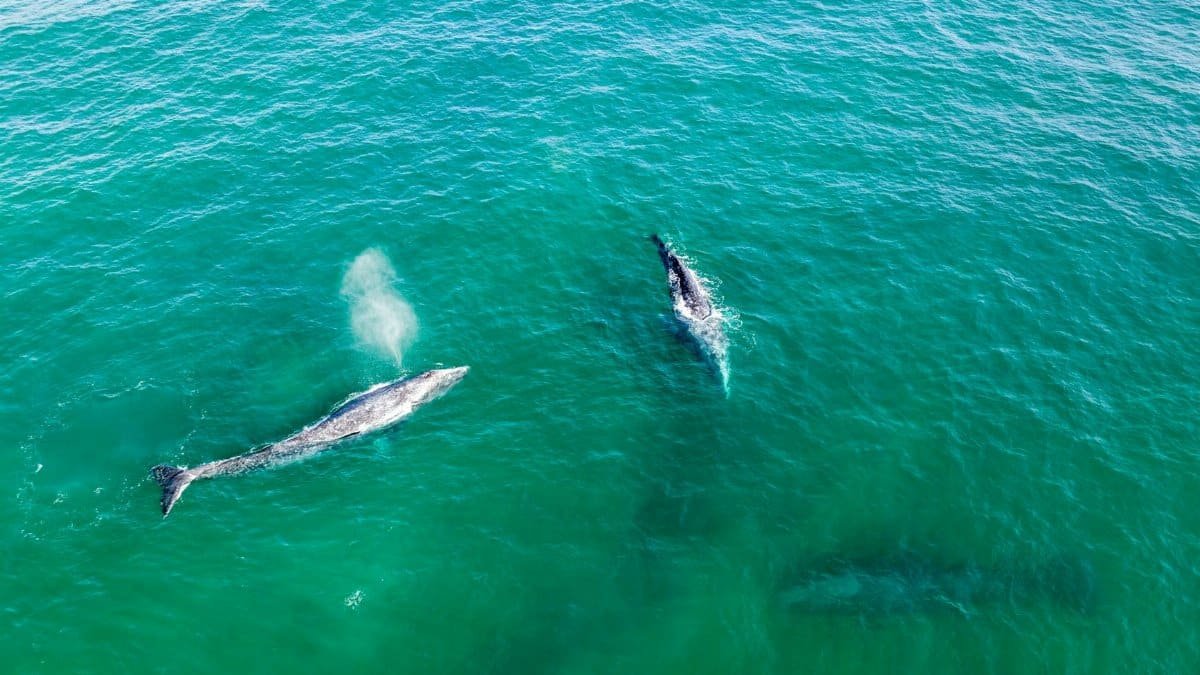
The bowhead whale has yielded some of the most compelling genetic data in the field. In studies focused on long lived animals human aging scientists sequenced the whale genome and identified changes in genes responsible for DNA repair and tumor suppression. These adaptations allow the animal to reach sizes of up to 60 feet and weights of 100 tons without the expected surge in cancer rates that sheer cell count would predict. The whale also shows modifications in pathways that manage inflammation and clear damaged proteins.
Such findings matter because they move beyond observation into potential application. Experts believe that understanding these genetic features could inform new therapies for age related conditions in people. According to a recent analysis published by The Washington Post these insights are already shaping how laboratories approach the molecular basis of decline. Further details are available here. The work reminds us that evolution has tested solutions over millions of years that humans might adapt for our own benefit.
What Giant Tortoises Teach Us about Steady Living
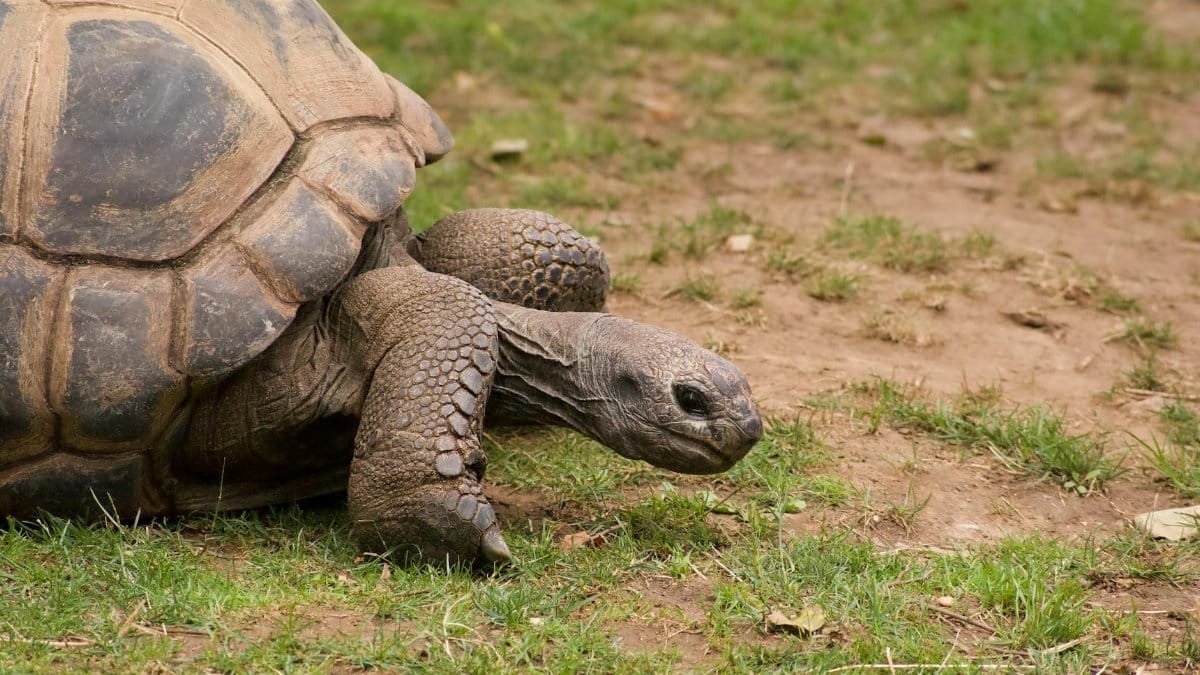
Giant tortoises of the Galapagos and Aldabra atolls often exceed 150 years with some individuals showing few signs of frailty until their final decade. Their notably slow metabolism appears central to this success. By operating at a reduced pace they generate less cellular waste and experience lower oxidative stress than quicker organisms. This biological economy allows them to thrive in environments where food is not always plentiful.
Observers have long noted the deliberate nature of their movements and the calm demeanor they maintain. While direct translation to human behavior has limits the principle of conserving vitality holds appeal. Many middle aged adults face daily pressures that accelerate wear. The tortoise model encourages reflection on whether simpler routines fewer stressors and mindful energy use could support healthier aging. Ongoing field studies continue to monitor these populations providing fresh data each season.
The Surprising Biology of Greenland Sharks
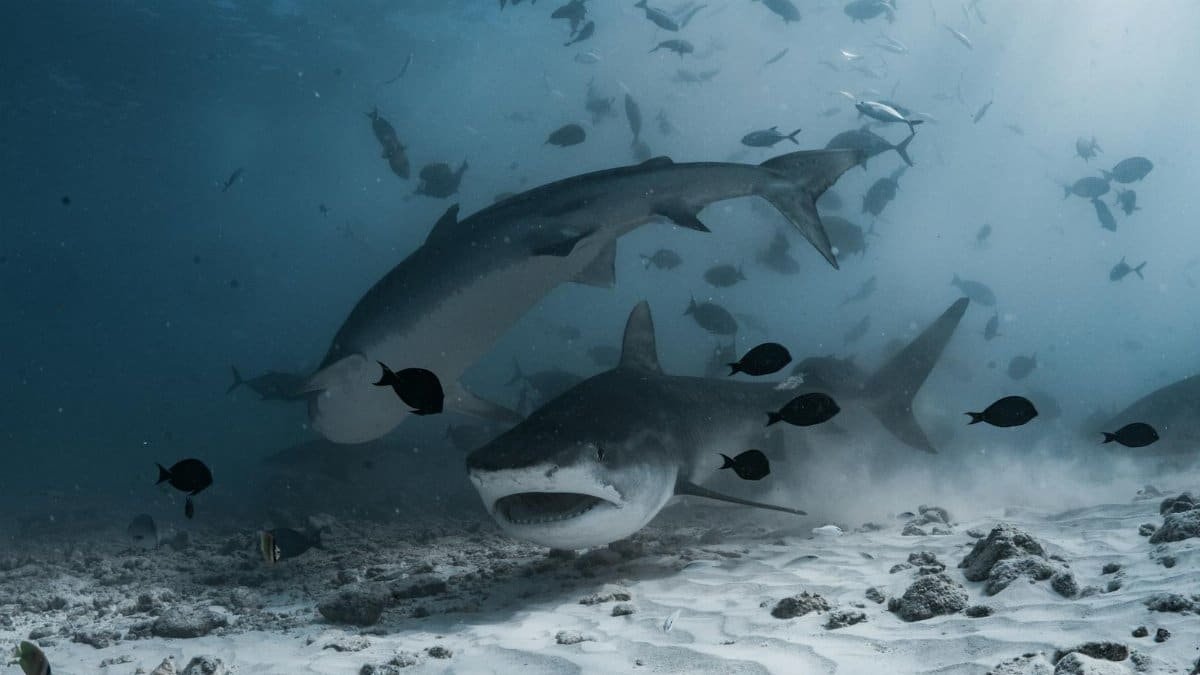
Even more striking is the Greenland shark which may live beyond 400 years. These creatures grow at a rate of roughly one centimeter annually and do not reach sexual maturity until they are more than a century old. In research connected to long lived animals human aging their tissues reveal remarkably low levels of accumulated damage despite centuries of constant low temperature swimming.
Scientists attribute part of this resilience to unique chemical compounds in their flesh that deter bacterial growth and slow metabolic processes. Their hearts continue to function with steady efficiency long after most vertebrate hearts would falter. Cardiovascular researchers are particularly interested in these traits given the prevalence of heart disease in human populations past the age of 65. Each new specimen examined adds another piece to the puzzle of extreme endurance.
Cellular Repair Mechanisms That Defy Time

Many long lived species possess superior systems for repairing cellular damage. Naked mole rats for example live nearly 30 years in captivity far beyond the expectancy of similarly sized rodents. They display almost complete resistance to certain cancers and maintain youthful tissue quality well into advanced age. Proteins unique to these animals appear to prevent misfolding and chronic inflammation.
Laboratories have begun testing synthetic versions of these protective molecules in human cell cultures. Early results suggest that bolstering natural repair pathways could delay the onset of frailty. This line of inquiry forms a cornerstone of modern geroscience linking observations from the wild to concrete medical strategies. The elegance of these evolved solutions continues to impress biologists who once viewed aging as an inevitable fixed process.
Metabolic Rates and Their Role in Longevity

In the study of long lived animals human aging a recurring theme is the connection between low metabolic rate and extended life. Whether in the frigid habitat of the Greenland shark or the measured existence of the giant tortoise reduced energy turnover consistently correlates with slower aging. Lower metabolism produces fewer reactive oxygen molecules that can harm DNA and other vital structures.
This insight has prompted renewed interest in lifestyle factors that influence human metabolism. While drastic caloric restriction is impractical for most the broader concept supports balanced nutrition regular gentle movement and sufficient rest. These practices may not grant centuries of life but they can improve the quality of our later decades. Nutritionists and physiologists now incorporate data from these animal models when designing programs for healthy aging.
Cancer Resistance in Long Lived Species

In research on long lived animals human aging cancer resistance stands out as a key area. Large bodied whales should theoretically face elevated cancer risk due to their vast numbers of cells yet they rarely develop tumors. Specialized versions of the TP53 gene and other regulatory elements appear to provide multiple layers of protection. Clams that live for five centuries show similar defenses against uncontrolled cell division.
These natural strategies are being studied intensively. Pharmaceutical developers hope to create medications that activate comparable safeguards in humans. Success in this domain could reduce one of the most common and feared consequences of growing older. The contrast between animal resilience and human vulnerability underscores how much remains to be learned from species that have already solved problems our medicine still struggles to address.
Translating Animal Insights into Human Therapies

This branch of long lived animals human aging holds great promise yet also demands caution. Several biotechnology companies have compounds in clinical trials inspired by whale or clam biology. The objective is typically not endless life but extended health span the period free of serious disease. Early trial participants report improved markers of inflammation and better metabolic profiles though long term results are still pending.
Collaboration across disciplines has accelerated the timeline from discovery to testing. Marine biologists share samples with geneticists who work alongside clinicians focused on aging populations. Regulatory bodies emphasize safety given the complexity of human systems. Still the momentum is unmistakable. What began as pure scientific curiosity is gradually maturing into targeted interventions that could benefit millions in the decades ahead.
The Spiritual Dimension of Studying Lifespans

Beyond laboratory data lies a quieter spiritual resonance. Watching a creature that has quietly outlived entire human civilizations can evoke profound humility and wonder. Many spiritual traditions regard longevity as a marker of harmony with natural cycles. The patient existence of tortoises and the ancient pulse of deep sea life invite contemplation about time purpose and the interconnected web of being.
For readers navigating middle age these stories often spark personal reflection on how to live more intentionally. The scientific trends carry a spiritual undercurrent reminding us that knowledge about aging can also deepen appreciation for the gift of consciousness itself. In an increasingly hurried world the quiet persistence of these animals offers a counter narrative centered on endurance grace and the mystery that still surrounds life.
Ethical Considerations in Aging Research

Important ethical questions accompany every advance. If therapies drawn from these animals become available who will have access? How might dramatically longer healthy lives affect population pressures resource consumption and intergenerational relationships? Policymakers must address these issues before widespread adoption occurs.
There is also the matter of stewardship. Many of the species central to this research face threats from warming oceans habitat loss and pollution. Protecting their environments is both a scientific necessity and a moral obligation. The same curiosity that drives discovery should extend to conservation ensuring that future generations can continue learning from these living treasures.
Looking Ahead to a Future of Extended Vitality

The journey to decode long lived animals human aging has only begun but progress arrives at an accelerating pace. Advances in gene editing imaging and artificial intelligence allow scientists to test hypotheses once confined to theory. The vision emerging is not one of immortality but of vitality preserved well into what we now consider old age.
For those of us midway through life this body of work offers both information and inspiration. Practical steps informed by animal biology such as attention to metabolic health stress reduction and regular movement can be adopted today. Meanwhile laboratories worldwide pursue the next breakthrough. Nature has experimented with longevity for eons. By listening closely to its longest lived teachers we may yet learn how to age with greater ease and optimism. The quiet lives of whales tortoises and ancient clams continue to speak across the centuries if only we remain attentive enough to hear.